Essential Elements of Enhanced Safety Protocols for House Clearance
Evaluating Property Structural Integrity
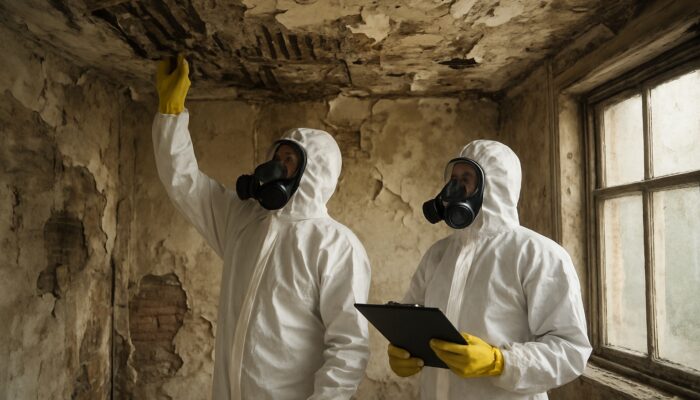
In the United Kingdom, evaluating the structural integrity of a property is crucial prior to initiating any house clearance project. This assessment includes meticulous checks for hazards such as asbestos, a prevalent issue in older buildings. The Health and Safety Executive (HSE) regulations require these evaluations to safeguard both workers and the public from potential risks.
Structural assessments typically encompass the examination of the stability of walls, floors, and roofs. Detecting weaknesses or potential collapse hazards ensures that workers can perform their tasks safely and efficiently. A thorough assessment not only protects personnel but also reduces the likelihood of accidents that could impact nearby residents during the clearance process.
Choosing Suitable Safety Equipment
Selecting appropriate safety equipment is essential for individuals involved in house clearance across the UK. All personnel must don certified gear that complies with British standards, including hard hats, gloves, and respiratory protection. This equipment shields against various hazards encountered during clearance activities, such as falling debris and exposure to harmful substances.
It is also vital that all safety gear undergoes regular inspections and maintenance to ensure its effectiveness. Workers should receive training on the proper use of this equipment, fostering a safety-centric culture that prioritises their wellbeing. By ensuring that everyone possesses the necessary protective gear, the risk of injury can be significantly minimised during house clearance operations.
How Does Waste Segregation Mitigate Risks?
Waste segregation is instrumental in minimising risks associated with house clearance in the UK. By systematically sorting materials, teams can prevent cross-contamination and ensure adherence to environmental permits issued by local authorities. This practice not only protects the environment but also improves safety for workers and local residents.
Implementing effective waste segregation strategies involves categorising items into general waste, recyclable materials, and hazardous substances. This clear classification aids in responsible waste management and reduces the likelihood of accidents. teams can operate more efficiently while complying with regulations governing waste management in the UK.
What Steps Are Involved in Comprehensive Risk Assessments?
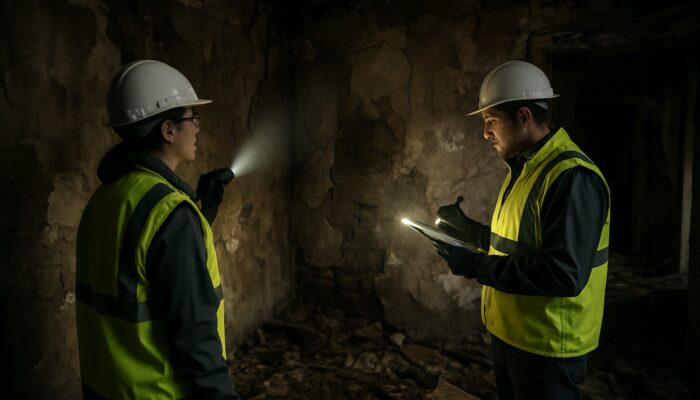
Conducting comprehensive risk assessments before house clearance operations is essential. These assessments help identify potential hazards, such as unstable structures and hazardous materials, ensuring compliance with HSE guidelines. A thorough evaluation of the site enables teams to implement measures that minimise accidents, thereby protecting both workers and residents.
Risk assessments should be documented and regularly reviewed to account for any changes in the environment or regulations. This proactive strategy allows teams to adapt their methods effectively, ensuring that safety remains a paramount concern throughout the clearance process. meticulous risk assessments contribute to a safer working atmosphere for everyone involved.
Why Is Training Personnel on Safety Protocols Crucial?
All personnel engaged in house clearance operations in the UK must undergo mandatory training on advanced safety protocols. This training encompasses critical topics such as hazard recognition and the appropriate use of equipment. By equipping workers with this essential knowledge, companies can uphold high safety standards and protect everyone during the clearance process.
Regular refresher courses should also be provided to keep staff informed about the latest safety regulations and best practices. This ongoing education nurtures a culture of safety awareness, encouraging workers to be vigilant and proactive in identifying potential hazards. well-trained personnel are vital for ensuring safe and efficient house clearance operations.
Professional Perspectives on Enhanced Safety Protocols for House Clearance
What Are Real-World Examples of UK Compliance?

Implementing advanced safety protocols within the context of older British housing stock presents distinctive challenges. For example, many older properties may contain hazardous materials such as lead paint or asbestos, necessitating adherence to current safety legislation. Expert analysis suggests that effectively implemented protocols significantly reduce incidents during clearance operations, particularly in these high-risk environments.
In one noteworthy instance, a house clearance company in London adopted stringent safety measures when dealing with a Victorian property. By conducting thorough risk assessments and ensuring all workers were equipped with suitable safety gear, they completed the clearance without any reported injuries. This case highlights the importance of adhering to safety protocols in maintaining compliance and protecting all individuals involved.
Why Is Monitoring Air Quality Essential?
Regular monitoring of air quality levels during house clearance is vital for safeguarding the health of workers. Enclosed spaces can harbour dangerous substances, such as dust, mould, or chemical fumes, which pose health risks. Following approved UK guidelines, teams should conduct air quality tests throughout the project to detect any hazards early.
Implementing air quality monitoring enables teams to take necessary precautions, such as using respiratory protection or improving ventilation within the workspace. By prioritising air quality, clearance teams can protect their health and wellbeing, ultimately contributing to a safer working environment. This proactive approach is crucial for maintaining compliance with health and safety regulations.
Why Is Accurate Documentation of Procedures Important?
Accurate documentation of all procedures during house clearance is essential for legal compliance and safety. Detailed records support reviews by UK health and safety inspectors, ensuring that all protocols have been adhered to. This documentation serves as evidence of compliance and can be critical in the event of an incident.
Maintaining thorough records allows companies to analyse their operations and identify areas for improvement. By documenting procedures accurately, teams can enhance their safety protocols and ensure a consistent approach to risk management. This practice not only fosters accountability but also promotes a culture of safety within the organisation.
How Does Risk Assessment Function in House Clearance?
What Are the Key Hazards On-Site?
Risk assessment in house clearance commences with identifying potential on-site hazards. Teams examine properties for common risks such as electrical faults, unstable flooring, and chemical residues. This preliminary assessment is vital to ensure the safety of both workers and residents before any clearance work begins.
Conducting thorough evaluations enables teams to develop tailored strategies to mitigate identified risks. This proactive approach not only enhances safety but also ensures compliance with UK regulations. Understanding the specific dangers present in each property allows teams to operate more effectively and safely throughout the clearance process.
What Are the Essential Steps in Planning for House Clearance?
Planning for house clearance involves several key steps that ensure safety and efficiency. These include:
- Conducting a thorough risk assessment
- Developing a detailed clearance plan
- Selecting suitable safety equipment
- Training personnel on safety protocols
Adhering to these steps helps teams prepare adequately for the challenges they may encounter during clearance operations. Thorough preparation aligns with UK regulations, ensuring that all safety measures are in place before work commences. This structured approach ultimately minimises risks and enhances the overall efficiency of the clearance process.
What Training Should Staff Receive on Emergency Responses?
Training staff on emergency responses constitutes a critical aspect of risk management in house clearance. All personnel should receive guidance on evacuation routes and first aid tailored to scenarios they may encounter in British house clearance environments. This training equips workers with the knowledge and skills necessary to respond effectively in emergencies.
Conducting regular drills can help reinforce these skills and ensure that everyone is familiar with the procedures. A well-prepared team can react promptly and efficiently to any incidents that may arise, minimising potential harm. This emphasis on emergency preparedness is essential for maintaining a safe working environment during house clearance operations.
How to Evaluate Risks Associated with Hazardous Materials?
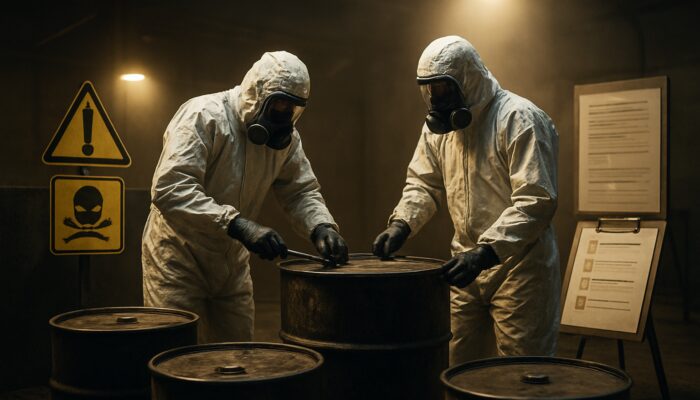
Professionals engaged in house clearance must carefully assess properties for hazardous materials. Common concerns include asbestos, lead paint, and toxic chemicals, all of which require strict compliance with UK regulations. Identifying these materials early allows teams to implement appropriate safety measures and protect workers and residents from potential health risks.
Once hazardous materials are identified, teams must adhere to established protocols for their safe removal and disposal. This includes using specialised equipment and techniques to minimise exposure and contamination. By prioritising the evaluation of hazardous materials, clearance teams can significantly enhance safety and ensure compliance with legal requirements.
What Are Effective Control Measures for House Clearance?
Implementing effective control measures is essential for managing risks during house clearance projects. Teams develop comprehensive strategies to eliminate or reduce identified risks, utilising specialised equipment and procedural adjustments in line with British health and safety guidelines. These measures ensure that workers can operate safely while minimising potential hazards.
Control measures may involve reinforcing unstable structures, improving ventilation, or employing dust suppression techniques. By adopting a proactive approach to risk management, teams can enhance safety and efficiency throughout the clearance process. This commitment to implementing control measures ultimately contributes to a safer working environment for all involved.
Evidence-Based Advantages of Enhanced Safety Protocols for House Clearance
What Are the Real-World Examples from UK Sites?
Research indicates that implementing advanced safety protocols in house clearance significantly reduces injury rates. For example, a study conducted on clearance projects across the UK revealed that companies adhering to stringent safety measures experienced fewer accidents and incidents. This correlation underscores the importance of compliance with safety protocols in protecting workers.
In one case, a house clearance firm in Manchester adopted a comprehensive safety programme, resulting in a dramatic reduction in workplace injuries. By prioritising safety training and risk assessments, they not only improved their reputation but also increased operational efficiency. Such real-world examples highlight the tangible benefits of advanced safety protocols in the house clearance industry.
How Does Compliance Reduce Liability?
Adhering to safety regulations not only protects workers but also reduces liability for companies involved in house clearance operations. Compliance with UK laws safeguards businesses from potential fines and supports insurance claims following incidents. By prioritising safety, companies can mitigate risks and avoid costly legal repercussions.
Demonstrating a commitment to safety can enhance a company’s reputation within the industry. Clients are more likely to choose firms with a strong safety record, leading to increased business opportunities. compliance with safety regulations benefits both workers and the company’s financial health.
How Do Enhanced Safety Protocols Improve Team Efficiency?
Structured approaches to safety in house clearance lead to improved team efficiency. By implementing advanced safety protocols, teams can work more effectively, resulting in quicker project completion while maintaining high safety levels. This efficiency benefits workers and enhances client satisfaction.
Regular training and risk assessments contribute to a culture of safety, allowing teams to focus on their tasks without unnecessary distractions. When safety measures are prioritised, workers can perform their duties with confidence, knowing that their wellbeing is safeguarded. This positive environment fosters productivity and ultimately leads to successful project outcomes.
How Do Advanced Safety Protocols Reduce Chronic Health Issues Among Workers?
Studies conducted on UK clearance projects have demonstrated that advanced safety protocols significantly decrease chronic health issues among workers. By prioritising safety, companies can lower the incidence of long-term respiratory and musculoskeletal conditions. This focus on worker health not only promotes employee wellbeing but also reduces absence rates in household operations nationwide.
Implementing measures such as ergonomic equipment and proper ventilation can greatly enhance the working environment. By proactively addressing potential health risks, companies can ensure that their workforce remains healthy and productive. This dedication to employee wellbeing contributes to a more sustainable and efficient house clearance operation.
What Hazards Are Common in UK Properties?
How to Handle Hazardous Materials Safely?
Safely handling hazardous materials is paramount during house clearance in the UK. Licensed contractors must manage items such as lead paint and insulation in accordance with strict disposal regulations. Non-compliance with these rules can result in serious health issues for both workers and residents.
Proper training and equipment are essential for the safe handling of hazardous materials. Workers should be well-versed in the protocols for identifying, removing, and disposing of these items to minimise exposure risks. By prioritising safety in the management of hazardous materials, companies can protect their workforce and ensure compliance with UK regulations.
Why Is Clear Communication Essential?
Establishing clear communication channels is vital for ensuring safety during house clearance operations. Regular briefings help guarantee that all team members understand site-specific risks and safety protocols. This open dialogue fosters a culture of safety, where workers feel empowered to voice concerns and share information.
Utilising technology such as mobile communication apps can further enhance on-site communication. These tools facilitate real-time updates and alerts, ensuring that everyone is informed of any changes in conditions or protocols. By maintaining clear communication, teams can operate more safely and effectively during house clearance projects.
What Is the Importance of Inspecting Electrical Systems Thoroughly?
Conducting thorough inspections of electrical systems is essential to prevent shocks and fires during house clearance. Older homes in the UK may feature outdated wiring that does not comply with current regulations. Detailed electrical inspections help identify potential hazards and ensure that all systems are safe for use.
To inspections, teams should implement strict protocols for working around electrical systems. This includes using insulated tools and wearing appropriate protective gear. By prioritising electrical safety, clearance teams can significantly reduce the risk of accidents and ensure a safe working environment.
How to Implement Training Programmes Effectively?
What Is the Importance of Regular Skill Updates?
Ongoing education is vital for keeping staff updated on evolving UK safety standards for house clearance operations. Regular training courses ensure workers remain informed about new regulations and best practices, equipping them to handle the challenges of their roles safely.
Incorporating practical elements into training sessions can enhance learning outcomes. Providing hands-on experience enables workers to better understand safety protocols and their application in real-world scenarios. This emphasis on continuous learning nurtures a culture of safety that benefits both workers and the overall efficiency of house clearance operations.
How to Regularly Evaluate Programme Outcomes?
Regular evaluations of training programmes are crucial for identifying gaps and refining protocols used in residential projects. By assessing the effectiveness of training, companies can ensure that their safety measures remain relevant and effective. This continuous improvement approach enhances overall safety and operational efficiency.
Feedback from workers can offer valuable insights into the training process. By incorporating their perspectives, companies can tailor programmes to meet the specific needs of their teams. This collaborative approach not only strengthens safety protocols but also fosters a sense of ownership among workers regarding their safety and wellbeing.
Why Are Practical Demonstrations Important in Training?
Practical demonstrations serve as an effective method to enhance training for clearance teams. Allowing workers to master equipment handling and hazard identification under supervised conditions ensures effective skill transfer. This hands-on approach is particularly beneficial across various UK residential sites, where conditions may vary significantly.
Incorporating practical elements into training sessions also reinforces theoretical knowledge. Workers who engage in real-world scenarios are better equipped to respond to challenges they may encounter during clearance operations. This focus on practical training ultimately contributes to a safer and more competent workforce.
How to Incorporate Feedback Mechanisms?
Establishing channels for employee feedback on training effectiveness supports refinements that align programmes with the practical demands of residential clearances. By actively seeking input from workers, companies can identify areas for improvement and make necessary adjustments to training protocols. This collaborative approach fosters a culture of continuous improvement in safety practices.
Incorporating feedback mechanisms encourages workers to take an active role in their safety. When employees feel that their opinions matter, they are more likely to engage with training and safety protocols. This increased engagement ultimately leads to a safer working environment and higher levels of team competence.
Frequently Asked Questions
What constitutes advanced safety protocols for house clearance?
Advanced safety protocols for house clearance encompass comprehensive risk assessments, appropriate training for personnel, and the utilisation of suitable safety equipment to minimise hazards and ensure regulatory compliance.
Why is it important to assess structural integrity?
Assessing structural integrity is essential to identify potential hazards, such as unstable walls or asbestos, ensuring the safety of workers and residents prior to commencing clearance activities.
How does waste segregation improve safety?
Waste segregation diminishes the risk of cross-contamination and ensures compliance with local environmental regulations, thereby enhancing safety for workers and the community during house clearance.
What training is provided to workers regarding safety procedures?
Workers receive mandatory training on hazard recognition, equipment usage, and emergency responses to ensure they are well-prepared for potential risks during house clearance operations.
How frequently should risk assessments be conducted?
Risk assessments should be performed before every clearance operation and reviewed regularly to adapt to any changes in the environment or regulations.
What common hazards are found in UK properties?
Common hazards in UK properties include electrical faults, unstable flooring, hazardous materials such as asbestos, and potential fire risks stemming from outdated wiring.
How can companies mitigate liability during house clearance?
Companies can reduce liability by adhering to safety regulations, maintaining comprehensive documentation, and implementing advanced safety protocols to protect workers and comply with legal requirements.
What role does air quality monitoring play?
Air quality monitoring helps identify hazardous substances in enclosed spaces, ensuring that teams adhere to approved guidelines to protect their health during house clearance projects.
Why is effective communication vital during house clearance?
Clear communication ensures all team members comprehend site-specific risks and safety protocols, fostering a culture of safety and enabling effective responses to any incidents.
How can practical demonstrations enhance training effectiveness?
Practical demonstrations enable workers to gain hands-on experience in equipment handling and hazard identification, reinforcing theoretical knowledge and enhancing overall safety competence.