Essential Steps for Effective House Clearance Preparation
Comprehensively Evaluating the Property for Clearance
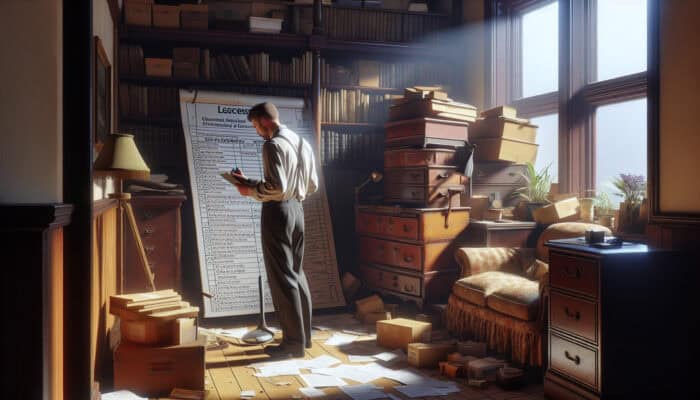
Step-by-step House Clearance Methods: To prepare for a house clearance, begin with a thorough evaluation of the property. This detailed assessment involves analysing the home’s size, condition, and contents. Gaining insights into these aspects is vital to ascertain the resources necessary for the clearance process. A property that is larger or filled with numerous belongings will naturally demand more time and workforce to clear efficiently. Furthermore, the condition of items within the property can significantly affect the strategy employed; for instance, damaged furniture may require special handling or disposal to ensure compliance with local regulations.
During this comprehensive assessment, several factors should be considered. First, compile a detailed inventory of the items in the property. This inventory helps identify any valuables that may require additional care during clearance. Secondly, evaluate the structural integrity of the property itself. Issues such as crumbling walls or broken floors could pose safety risks during the clearance process. Identifying which areas will be accessible and which may require special equipment or safety precautions is also essential. Lastly, be mindful of emotional connections to certain items, particularly when clearance is triggered by bereavement or relocation, as these factors can influence the overall process.
Acquiring Essential Equipment for a Streamlined Clearance
After completing the assessment, the next critical step is to gather all necessary equipment to ensure a smooth and efficient house clearance. This preparation phase can significantly enhance the process’s efficiency and safety. Essential tools include sturdy gloves to safeguard your hands from sharp objects, disposable bags or bins for collecting trash, and large boxes for sorting items. Additionally, having cleaning supplies such as disinfectants, brooms, and mops readily available is essential for post-clearance clean-up.
Moreover, consider any specialised tools that may be required based on the property’s contents. For instance, if heavy items need to be moved, a dolly or trolley is essential for safe transport. A ladder may also be needed for accessing high shelves or loft spaces. It is wise to wear protective gear, such as masks or goggles, particularly when there are concerns about dust or potentially hazardous materials. Having the right equipment not only facilitates a more organised clearance but also minimises the risk of injury, making it a critical component of the preparation phase.
Strategically Scheduling the House Clearance
Planning the timing of the house clearance is essential to ensure that the process proceeds efficiently and with minimal disruption. It is advisable to select a date that allows sufficient time for preparation, including sorting and packing, to avoid feeling rushed. Consider the availability of any helpers, whether friends, family members, or professionals, as their participation can significantly enhance the efficiency of the clearance.
When scheduling, also consider the local environment. For example, avoid scheduling dates that coincide with major local events or holidays, as these occasions can create traffic congestion or limit access to essential services. Additionally, consider the season; moving during the warmer months may be preferable, as cold, wet weather can complicate logistics. Establishing a clear timeline with specific tasks and deadlines will help keep the clearance on track and ensure that no important details are overlooked.
Expert Insights on Comprehensive House Clearance Methods

Understanding the Legal Requirements for House Clearance
In the UK, comprehending the legal requirements surrounding house clearance is critical to ensure compliance and avoid potential legal repercussions. Various laws govern waste disposal, and failure to comply can result in substantial fines or penalties. Individuals must be aware of regulations governing the disposal of specific materials, particularly hazardous waste such as chemicals and electronic devices.
Key legal considerations include:
- Understanding local council regulations related to waste disposal.
- Complying with laws concerning the disposal of hazardous materials.
- Ensuring that waste is not illegally dumped in landfills.
- Maintaining records of any waste disposal for potential audits.
Furthermore, it is prudent to check whether any permits are required for the clearance, especially if large items are to be placed on the street for collection. Familiarity with these regulations not only promotes responsible disposal but also protects the individual conducting the clearance from possible legal consequences.
Benefits of Engaging Professional Clearance Services
While some homeowners may feel confident in handling a house clearance independently, there are numerous advantages to enlisting professional clearance services, particularly for complex or large-scale projects. Professional firms possess the expertise and equipment necessary to manage large volumes of items efficiently, and their experience can be invaluable in navigating any legal or logistical challenges that may arise during the process.
For example, the successful clearance of a large estate in London may have involved professional services that specialised not only in removing items but also in appraising antiques and facilitating their sale at auction. This approach not only ensures that the client maximises the value of valuable items but also alleviates the emotional burden often associated with clearing a family home. By engaging professionals, homeowners can experience a more streamlined process, allowing them to focus on other aspects of their move or transition.
Implementing Safety Measures Throughout the Clearance Process

Establishing safety protocols during the house clearance process is essential to protect you and others involved. Every clearance operation carries inherent hazards, from lifting heavy items to encountering sharp objects or hazardous materials. Developing safety measures in advance can significantly minimise risks and create a safer working environment.
First, ensure that everyone participating in the clearance is equipped with appropriate safety gear, including gloves, masks, and sturdy footwear. Secondly, conduct a thorough risk assessment to identify potential hazards within the property. This might involve checking for unstable furniture, electrical hazards, or poorly lit areas. Keep a first aid kit readily accessible, and designate someone as the first aid responder in case of an emergency. Additionally, maintain open communication with all participants to ensure they understand their roles and any potential risks during the clearance process.
Efficiently Sorting and Categorising Items During Clearance
Recognising and Valuing Valuable Items
Identifying valuable items during a house clearance can significantly affect the efficiency and effectiveness of the process, particularly when antiques, collectables, or family heirlooms are involved. Recognising these items requires a discerning eye and, at times, professional appraisals to determine their true value. Begin by searching for items that may carry historical significance or exhibit unique craftsmanship, which often increases their value.
Moreover, consider the provenance of items. Family heirlooms or antiques passed down through generations may hold not only monetary value but also sentimental worth. Engaging a professional appraiser can be beneficial if you’re uncertain about the value of specific items; they can provide insights to inform decisions about what to keep, sell, or dispose of. This knowledge can streamline the sorting process and ensure that valuable items are not inadvertently discarded during the clearance.
Separating Recyclable Materials for Sustainable Clearance
Reducing waste and minimising environmental impact should be a priority throughout the house clearance process. One effective strategy for achieving this is by separating recyclable materials from general waste. This effort not only promotes sustainability but also ensures adherence to local recycling regulations.
Common recyclable materials include paper, cardboard, glass, and certain plastics. By designating specific areas or bins for these items during the sorting process, you can simplify recycling. It is also beneficial to consult with local councils regarding specific recycling guidelines, as these can vary across the UK. For instance, some councils may impose restrictions on what can be placed in kerbside recycling bins or may provide additional recycling services for electronic waste, which is often more challenging to dispose of responsibly. Being proactive about recycling during a house clearance demonstrates a commitment to environmental responsibility and community welfare.
Preparing Items for Donation or Sale to Benefit Others
Preparing items for donation or sale not only helps declutter a property but also generates additional funds or supports local charities. Identify items in good condition that may no longer be needed, such as clothing, furniture, and household goods. Charities frequently welcome such donations, and many even offer collection services for larger items to facilitate the process.
For items with resale potential, consider using local marketplaces or online platforms such as eBay or Gumtree. These venues can attract buyers seeking second-hand goods, allowing you to earn some money while giving your items a new lease on life. When organising items for donation or sale, it’s essential to ensure that they are clean and in good repair, as this encourages others to use or purchase them. Additionally, maintaining a list of donated items can help track contributions for charitable purposes and potential tax deductions.
Implementing Effective Labelling and Documentation Practices
Utilising labels and documentation is crucial for maintaining an organised approach to tracking sorted items during a house clearance. A systematic labelling strategy can significantly enhance organisational efficiency, enabling easy retrieval of items later. For example, using colour-coded labels can help distinguish items designated for recycling, donation, sale, or disposal.
In addition to labelling, maintaining a detailed inventory is advisable. This could take the form of a spreadsheet or a simple handwritten list, documenting each item’s condition and its final destination. This record-keeping is not only beneficial for personal reference but may also be necessary for legal purposes, especially if the clearance is part of an estate settlement. Accurate documentation provides clarity and accountability, ensuring no crucial details are overlooked throughout the process.
Safely Disposing of Hazardous Materials During Clearance
Identifying and safely disposing of hazardous materials is a critical aspect of the house clearance process. Hazardous substances can include chemicals, batteries, electronics, and certain types of furniture containing harmful components. Recognising these items is essential to prevent health risks and ensure legal compliance throughout the clearance.
Proper disposal methods for hazardous materials often involve transporting them to designated facilities that specialise in handling such waste. Many local councils have designated drop-off points for chemicals and electronic waste, and it is crucial to verify local regulations on hazardous waste disposal, as improper disposal can result in severe penalties. In certain situations, enlisting the assistance of professional clearance services that specialise in hazardous waste may be prudent, ensuring that all materials are disposed of safely and responsibly.
What Are the Key Considerations for Handling Hazardous Materials?
Identifying Common Hazardous Substances
Recognising common hazardous materials is essential for ensuring a safe and efficient house clearance process. These substances may include chemicals found in cleaning products, paints, batteries, and electronics such as televisions and computers. Understanding what constitutes hazardous waste helps plan appropriate disposal methods.
Begin by examining labels on all chemical products; many will include warnings or instructions regarding proper handling and disposal. Additionally, consider older items that may contain hazardous materials, such as vintage electrical appliances that may have components with lead solder or PCBs in capacitors. If there is uncertainty about specific items, consulting local waste management services can clarify their hazardous status and appropriate disposal procedures.
Ensuring Safe Removal and Disposal of Hazardous Materials
Following proper procedures for the safe removal and disposal of hazardous materials is critical in the house clearance process. Start by wearing appropriate protective gear, including gloves and masks, to minimise exposure to harmful substances. Store hazardous items securely during clearance to prevent leaks or spills and maintain a safe working environment.
Once items are collected, transport them to designated disposal facilities that are equipped to handle hazardous waste. Many councils provide specific drop-off days or locations for such materials. Adhering to local regulations and guidelines ensures that the disposal is conducted legally and safely, protecting both individuals and the environment from potential harm.
Engaging Professional Assistance for Handling Hazardous Waste
Engaging professional services to manage hazardous waste can be a wise decision when handling complex or large quantities of hazardous materials. These specialists are trained in the safe removal, transport, and disposal of hazardous items, ensuring compliance with relevant regulations throughout the process.
Collaborating with professionals may also reduce stress for those unfamiliar with the legalities and safety protocols associated with hazardous materials. Many companies offer comprehensive services, from initial consultation to final disposal, providing peace of mind during what can be a daunting process. Additionally, professionals can offer valuable advice on minimising hazardous waste, contributing to a more sustainable approach to household management.
Implementing Comprehensive Cleaning and Sanitising Protocols
Utilising Deep Cleaning Techniques for a Pristine Property
Applying rigorous cleaning methods during a house clearance is essential to leave the property in immaculate condition. A systematic deep-cleaning approach ensures all surfaces are addressed comprehensively, creating a clean slate for new occupants. Begin by focusing on high-traffic areas, such as kitchens and bathrooms, where grime tends to accumulate more readily.
Effective deep cleaning techniques include steam cleaning carpets, scrubbing floors, and using disinfectants on surfaces. Additionally, ensuring that hidden spaces, such as behind appliances and inside cupboards, are thoroughly cleaned prevents the build-up of dust and grime. Using specialised tools, such as scrub brushes and vacuum cleaners with HEPA filters, can enhance cleaning and ensure a thorough job. This meticulous attention to detail not only enhances the property’s aesthetic but also eliminates potential allergens, creating a healthier environment for future occupants.
Thoroughly Sanitising Surfaces to Maintain Hygiene
To effectively eliminate germs and bacteria from surfaces, using appropriate sanitising products is imperative. After deep cleaning, sanitising helps remove harmful pathogens, particularly in high-touch areas such as doorknobs, light switches, and countertops.
Using disinfectant sprays or wipes proven to kill a broad spectrum of bacteria and viruses is essential to maintaining hygiene standards. Be mindful to follow the product instructions on dwell time—the duration the surface should remain wet for effective sanitisation. Additionally, consider eco-friendly sanitising options that offer effective disinfection without harsh chemicals, promoting a healthier environment both during and after the clearance process.
Conducting Final Inspections and Touch-ups for a Polished Finish
Conducting a thorough final walkthrough of the property helps identify any areas that may require additional cleaning or repairs. This step is essential before the property is handed over to new owners or tenants. During this inspection, pay close attention to corners, behind furniture, and areas that might have been overlooked during the initial cleaning.
If any repairs are necessary, now is the time to address them. Simple fixes, such as repainting walls, replacing light bulbs, or patching holes, can significantly enhance the property’s overall impression. This final inspection not only ensures a comprehensive cleaning but also enhances the property’s appeal, setting the stage for a seamless transition to the next occupants.
Responsible Disposal of Cleaning Materials to Ensure Hygiene
Proper disposal of used cleaning materials is crucial for maintaining hygiene standards and complying with local waste regulations. Items such as cleaning rags, empty cleaning product containers, and disposable gloves can often be contaminated and should be disposed of responsibly to prevent environmental harm.
When disposing of these materials, refer to local waste management guidelines, as some items may require hazardous waste treatment. For example, used cleaning rags soaked with chemicals should not be placed in regular rubbish bins. Instead, seek out local hazardous waste collection points or facilities that handle such materials. By ensuring proper disposal, you not only maintain cleanliness on the property but also contribute to environmental safety.
Ensuring Adequate Ventilation and Improved Air Quality
Ensuring proper ventilation during and after cleaning is vital to improving air quality and removing lingering odours or chemical residues. Open windows and doors to create cross-ventilation and allow fresh air to circulate throughout the property. This step is particularly important when using cleaning products that contain strong fragrances or chemicals that may linger in enclosed spaces.
Consider using air purifiers or fans to improve air circulation, especially in enclosed spaces. Furthermore, allowing surfaces to dry completely before closing up the property can help reduce moisture levels and prevent mould growth. By prioritising ventilation and air quality during cleaning, you create a healthier environment for future occupants and ensure a more pleasant atmosphere for all involved.
Research-Backed Benefits of Systematic House Clearance Methods
Enhancing Property Value Through Effective Clearance
A well-executed house clearance can significantly enhance a property’s value. Clearing out clutter and thoroughly cleaning the space allows for a fresh presentation, which is crucial when moving to market or preparing to welcome new tenants. Potential buyers or renters are more likely to view a property favourably when it appears inviting and well-maintained.
To effectively increase property value through clearance, start by removing unnecessary items that detract from the property’s appeal. Conduct repairs and touch-ups to create a polished look. Additionally, consider staging the property to highlight its best features and further entice prospective buyers. In some instances, hiring a professional stager may be worthwhile to maximise impact. Ultimately, a systematic approach to clearance can lead to a tangible increase in property value and facilitate a quicker sale.
Reducing Stress and Time Through an Organised Approach
A systematic approach to house clearance can significantly reduce the stress and time involved. By breaking the clearance down into manageable steps, you avoid feeling overwhelmed by the sheer volume of the task. This methodical approach ensures that each stage is addressed thoroughly without the rush that often accompanies last-minute efforts.
Additionally, planning and scheduling tasks allows for a more organised workflow. Enlisting help from friends or professionals can further ease the burden, ensuring that the workload is shared and manageable. By adopting a step-by-step approach, individuals can maintain focus and motivation throughout the clearance process, leading to a more positive overall experience.
Minimising Environmental Impact Through Responsible Practices
Responsible house clearance practices have a positive environmental impact, contributing to sustainability efforts. By properly sorting and disposing of items, you prevent unnecessary waste from entering landfills and reduce your carbon footprint. Moreover, recycling materials helps conserve natural resources by repurposing materials rather than discarding them.
Choosing to donate usable items also supports local charities and communities, promoting social responsibility. Engaging in such practices demonstrates a commitment to environmental stewardship and can inspire others to consider their waste management habits. Ultimately, a thoughtful approach to house clearance not only benefits the individual but also positively contributes to the wider community and environment.
What Are the Best Practices for Responsible Waste Disposal?
Understanding Different Waste Categories for Proper Disposal
Understanding the various types of waste and their appropriate disposal methods is crucial for conducting a responsible house clearance. Waste can generally be categorised into general waste, recyclable materials, and hazardous waste. General waste includes items that cannot be reused or recycled, while recyclable materials encompass those that can be processed into new products.
Hazardous waste, on the other hand, includes materials that pose risks to health or the environment, such as chemicals or electronics. Knowing these categories helps streamline the disposal process, ensuring that each type of waste is treated and disposed of correctly. Furthermore, adhering to local waste-disposal guidelines not only complies with legal requirements but also promotes a sustainable approach to waste management.
Utilising Local Recycling Facilities for Responsible Disposal
Using local recycling centres and facilities is an excellent way to dispose of waste responsibly. Many councils across the UK provide designated recycling points for materials such as paper, plastics, and electronics. By identifying and utilising these facilities, individuals can ensure that their waste is processed ethically and efficiently.
- Local authority recycling centres.
- Specialist e-waste recycling facilities.
- Charity shops for reusable goods.
- Household hazardous waste collection events.
Additionally, some councils may offer kerbside recycling services, where residents can place recyclable items in designated bins for collection. It is crucial to check local regulations to understand what materials are accepted and the procedures to follow. Engaging with local recycling facilities also supports community efforts towards sustainability and responsible waste management.
Ensuring Compliance with Waste Regulations for Legal Disposal
Ensuring that all waste disposal activities adhere to UK waste management regulations is essential for lawful and responsible clearance. Many areas have specific rules governing how different types of waste should be dealt with, and failure to comply can result in penalties or fines.
To stay compliant, individuals must remain informed about local legislation and guidelines. This includes understanding what constitutes waste and the appropriate disposal methods for each type. Additionally, maintaining records of waste disposal can be beneficial, especially if local authorities question them. By prioritising compliance with waste regulations, individuals not only protect themselves from legal repercussions but also contribute to more sustainable waste management practices.
Documenting and Recording the House Clearance Process
Keeping a Comprehensive Inventory of Cleared Items
Maintaining a detailed inventory of items cleared from the property is crucial for record-keeping and legal purposes. An inventory is a comprehensive list that documents everything removed and clarifies the contents of the house. This documentation becomes especially important when dealing with inheritances or legal matters related to property ownership.
To create an effective inventory, start by recording items in categories, such as furniture, appliances, and personal belongings. Each entry should include a brief description and condition to support future appraisals or claims. Keeping this inventory accessible ensures transparency throughout the process and serves as a point of reference for any questions or disputes that may arise later.
Photographing the Clearance Process for Documentation
Taking photographs before, during, and after the clearance process is an invaluable way to document progress and the property’s final state. This visual record can serve multiple purposes, including providing evidence of compliance with legal requirements, confirming clearance, or showcasing the property’s condition for sale.
Photographic records can also help track cleared items, especially valuable ones that may need to be appraised or claimed later. Furthermore, these images can serve as a reflective reminder of the process, helping individuals see the space’s transformation. By documenting the clearance visually, you create an asset that supports accountability and fosters confidence in the process.
Safeguarding Important Documents Discovered During Clearance
Safeguarding any important documents found during the clearance is essential for future reference or legal requirements. During the process, it is common to uncover vital paperwork, such as property deeds, tax records, or personal documents that may be significant.
Establish a secure system for organising and storing these documents, ensuring they are kept in a safe location. Consider creating digital copies of essential documents for backup purposes. This practice not only protects vital information but also makes future retrieval easier. A well-organised document storage system streamlines access to important paperwork and enhances overall efficiency during the clearance process.
Logging Clearance Activities for Accountability and Tracking
Keeping a detailed log of all activities during the clearance process helps track progress and ensure accountability. This log should document each stage of the process, including dates, completed tasks, and any issues encountered. This meticulous recording helps manage clearance efficiently and enables reflection on what went well and what might need improvement in future clearances.
A clear log also serves as a valuable reference for stakeholders, providing transparency into what has been accomplished. In cases where clearance is related to legal matters, a detailed log can support claims and provide evidence of the actions taken during the clearance.
Submitting Reports to Relevant Authorities for Compliance
Submitting reports to local authorities and other relevant bodies, as required, is an essential part of the house clearance process. Depending on the circumstances, this may involve detailing the clearance activities, especially when legal or regulatory requirements require clearance.
Ensure that all documentation is complete and accurate when reporting. This includes any inventories, logs, and photographic evidence of the clearance. Timely submission of these reports not only demonstrates compliance but also fosters trust with local councils or authorities involved. By maintaining transparency throughout the process, you contribute to more responsible community standards and enhance your credibility during clearance.
Finalising the House Clearance with Precision
Ensuring a Thorough and Complete Clearance
Verifying that all items have been removed and that the property is ready for its next use is the final step in the house clearance process. Conduct a thorough walkthrough of the property, checking each room, cupboard, and outdoor space to ensure nothing has been overlooked or left behind.
If any items remain that were not part of the clearance, decide whether to address them immediately or leave them for future consideration. This step is crucial for ensuring that the property is delivered in a condition that meets the expectations of new owners or tenants. A well-checked and cleared property reflects professionalism and diligence, enhancing the overall experience for everyone involved in the transition.
Coordinating the Handover to New Owners or Agents
Coordinating with new owners or estate agents to hand over the property post-clearance is a key element in successfully concluding the process. Clear communication ensures everyone is aware of the handover timeline and any specific requirements to be met before the property is officially transferred.
During the handover, provide any relevant documentation, such as inventory lists, receipts for disposal, and reports submitted to authorities. Organising a final meeting or walkthrough with the new owners can also foster a positive relationship and address any last-minute concerns. This attention to detail demonstrates professionalism and respect for the new occupants, making the transition smoother and more pleasant.
Conducting Post-Clearance Follow-up Actions for Client Satisfaction
Conducting any necessary follow-up actions after clearance is important for addressing feedback and resolving any issues that may arise. This might include reaching out to new owners to confirm their satisfaction with the property’s condition or to address any questions they may have about specific items left behind.
Additionally, if the clearance was part of a larger project, such as a sale or rental, it may be beneficial to gather feedback on the process itself. Understanding what worked well and identifying areas for improvement can provide valuable insights for future clearances. By demonstrating commitment to client satisfaction, you not only build trust but also enhance your reputation for reliability and professionalism in house clearance services.
Conducting a Final Inspection and Completing Documentation
Conducting a thorough final inspection of the property ensures that all tasks have been completed to satisfaction. This should involve checking for any overlooked areas that may require further cleaning or attention. After the inspection, it’s important to complete all necessary documentation to confirm that the clearance process is fully complete.
Documentation should include a final clearance report detailing the work completed, along with any photographs taken throughout the process. This final paperwork serves as a record of accountability and is useful for future reference. By ensuring all aspects of the clearance process are thoroughly addressed, you solidify the process’s quality and leave a positive impression on all involved.
Frequently Asked Questions About House Clearance
What is the initial step to take in a house clearance?
The first step in house clearance is to conduct a comprehensive assessment of the property. This evaluation involves analysing the size, condition, and contents to plan the clearance process effectively.
How do I effectively organise items for a house clearance?
Effectively organising items for a house clearance involves sorting them into categories such as keep, sell, donate, recycle, or dispose of. Using boxes and labels can significantly streamline this process.
Is it advisable to hire professionals for house clearance?
Yes, hiring professional clearance services can be highly beneficial, particularly for larger or more complex projects. They possess the expertise and equipment necessary to handle the clearance efficiently.
What should I do with hazardous materials during clearance?
Hazardous materials should be identified and disposed of in accordance with local regulations. Many councils have specific drop-off points for hazardous waste to ensure safe disposal.
How can I enhance my property’s value through clearance?
Enhancing property value through clearance can be achieved by removing clutter, conducting thorough cleaning, making necessary repairs, and staging the property effectively for potential buyers.
What deep cleaning techniques can I utilise during house clearance?
Effective deep cleaning techniques include steam cleaning carpets, scrubbing floors, disinfecting surfaces, and thoroughly cleaning hidden spaces for optimal hygiene.
How do I document the clearance process effectively?
Documenting the clearance process can be done by maintaining an inventory of cleared items, taking photographs, and keeping a log of activities and any issues encountered.
What safety measures should I implement during the clearance process?
Safety measures during clearance include wearing protective gear, conducting a risk assessment of hazardous areas, and ensuring that all participants are fully aware of safety protocols and procedures.
How can I recycle materials effectively during a house clearance?
To recycle materials effectively, sort items into recyclable categories, utilise local recycling facilities, and consult local council guidelines on which materials can be recycled.
What is the significance of proper waste disposal during clearance?
Proper waste disposal is essential to comply with local regulations, protect the environment, and promote sustainability throughout the house clearance process.