Understanding the Importance of Green Cleaning in the UK
What Constitutes Green Cleaning?
Green Cleaning Tips Post-House Clearance: Green cleaning is an environmentally friendly approach to maintaining cleanliness, using products and techniques that significantly reduce environmental impact. In the UK, where the emphasis on sustainability grows stronger each day, embracing green cleaning practices is crucial for households and businesses alike. The core principles of green cleaning encompass:
- Utilising non-toxic and biodegradable cleaning products.
- Minimising water usage during cleaning tasks.
- Adopting efficient waste management practices.
- Selecting reusable cleaning tools instead of disposable ones.
- Enhancing indoor air quality by steering clear of harsh chemicals.
- Encouraging energy-efficient cleaning methods.
- Supporting local manufacturers of sustainable products.
By concentrating on these essential principles, both individuals and organisations can make a substantial contribution to creating a healthier environment.
Why Is Green Cleaning Essential Following a House Clearance?
Once a house clearance is complete, thorough cleaning is essential; however, it is vital to choose methods that prioritise the safety of both occupants and the environment. Green cleaning not only guarantees a pristine space but also fosters a healthy living environment. The benefits of selecting green cleaning methods after a clearance include:
- Removing toxic residues left behind by conventional cleaning agents.
- Creating a safer environment for children and pets.
- Enhancing overall indoor air quality.
- Reducing the ecological footprint of cleaning practices.
- Supporting local green businesses and products.
- Boosting the visual appeal of the space in a sustainable manner.
Opting for green cleaning practices aligns environmental responsibility with effective cleaning, making it an ideal choice following house clearances.
Understanding UK Regulations on Cleaning Products
In the UK, stringent regulations govern the use of cleaning products to safeguard public health and protect the environment. The Chemicals Regulation 2013 (REACH) regulates the management and control of hazardous substances. Furthermore, the Environmental Protection Act 1990 dictates that cleaning products must not adversely affect the environment. Adhering to these regulations is paramount, especially for commercial cleaning services and businesses, as non-compliance can result in substantial fines and reputational damage. Acquiring knowledge about these regulations enables homeowners and businesses to select compliant, eco-friendly products that meet safety standards.
Exploring the Benefits of Green Cleaning for Households in the UK
The benefits of adopting green cleaning practices in UK households are numerous, extending far beyond just environmental advantages. Green cleaning methods often lead to healthier indoor environments, devoid of toxic chemicals that can worsen allergies and respiratory conditions. Families can experience reduced exposure to irritants, thereby enhancing the well-being of all household members. Additionally, green cleaning can lead to long-term cost savings: eco-friendly products are typically more concentrated, requiring smaller amounts for effective cleaning. Consequently, investing in high-quality green products can reduce overall cleaning costs.
Steps for Implementing Green Cleaning Practices in the UK
For UK residents to successfully adopt green cleaning practices, they should focus on practical steps that integrate seamlessly into their daily routines. First, product selection is critical; choosing certified organic and eco-friendly brands helps avoid harmful chemicals. Effective waste management strategies, including recycling and composting, should also be prioritised. Moreover, creating a detailed cleaning checklist that outlines specific tasks while incorporating green practices can be beneficial. For instance, using vinegar and baking soda to clean surfaces not only reduces costs but also provides a safe alternative to chemical cleaners. By establishing these actionable tips, individuals can significantly influence their cleaning habits.
Expert Recommendations for Green Cleaning After House Clearance
What Are the Most Effective Practices for Green Cleaning?
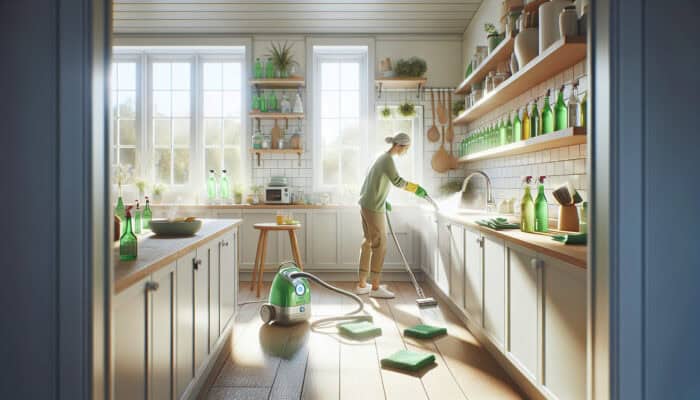
Effective green cleaning practices require a strategic approach tailored to the unique challenges posed by post-house-clearance situations. One highly effective method is steam cleaning, which uses high-temperature steam to sanitise surfaces without relying on harsh chemicals. This method not only cleans but also eradicates germs, making it an excellent choice for high-use areas like kitchens and bathrooms. Additionally, incorporating microfiber cloths can enhance cleaning efficiency; they trap dust and dirt, reducing the need for chemical agents. It is also crucial to ensure proper ventilation during the cleaning process to allow fresh air to circulate and minimise indoor pollutants. Regularly reviewing and updating cleaning supplies to reflect a commitment to sustainability is another best practice that can guarantee ongoing eco-friendly cleaning.
How Can You Achieve Effective Green Cleaning?
To ensure effective green cleaning, particularly after house clearance, adopting a systematic approach is essential. Begin by thoroughly assessing the space to identify high-traffic and heavily soiled areas that demand immediate attention. Implementing a zone cleaning strategy can be advantageous: dividing cleaning tasks by room or area enables focused efforts and more manageable workloads. Utilising eco-friendly cleaning products, such as those derived from plant-based ingredients, guarantees effectiveness while prioritising safety. Furthermore, establishing clear communication among team members involved in the cleaning process can enhance efficiency and ensure alignment with best practices. Ultimately, a commitment to these steps can lead to a successful green cleaning effort.
What Products Are Best for Green Cleaning?
When selecting green cleaning products, it is vital to choose those that are both effective and environmentally responsible. In the UK, numerous brands offer eco-friendly cleaning solutions that comply with stringent safety and environmental standards. Biodegradable laundry detergents, all-purpose cleaners made from natural ingredients, and non-toxic disinfectants are excellent examples of suitable options. Brands such as Ecover and Method have gained popularity for their commitment to sustainability and performance. Additionally, making homemade cleaning solutions from common household items such as vinegar, baking soda, and essential oils can be both cost-effective and environmentally friendly. Educating oneself about product labels and certifications can help make informed choices that align with green cleaning objectives.
Preparing Your Home for Green Cleaning
How to Evaluate the Cleaning Requirements of Your Home?
Evaluating a home’s cleaning needs after a clearance requires a careful review of areas that may have been overlooked. Start by identifying spaces that require special attention, such as kitchens where food residue may linger or bathrooms that might harbour mould. Key areas to assess include:
- Kitchen appliances and countertops.
- Bathroom surfaces, including tiles and fixtures.
- Living room carpets and upholstery.
- Bedrooms, with a focus on linens and dust accumulation.
- Outdoor areas such as patios and walkways require thorough cleaning.
- Storage spaces that may harbour allergens.
- Cleaning equipment, ensuring it is eco-friendly and effective.
By methodically reviewing these areas, homeowners can develop a tailored cleaning plan that addresses specific needs while adhering to green cleaning principles.
Selecting the Right Tools for Green Cleaning
Choosing the appropriate tools for green cleaning is fundamental to achieving efficiency and effectiveness. In the UK, eco-friendly options are abundant, and investing in high-quality tools can elevate cleaning efforts. Microfiber cloths are essential; they effectively capture dust and dirt without the need for chemical sprays. Furthermore, a high-quality steam cleaner can deliver a chemical-free deep clean on various surfaces. Other essential tools include reusable mop heads designed for environmentally safe cleaning solutions and natural bristle brushes for scrubbing surfaces. Choosing tools made from sustainable materials, such as bamboo, supports eco-friendly practices. By carefully selecting the right tools, homeowners can significantly enhance their green cleaning practices.
Establishing a Green Cleaning Schedule
A well-structured cleaning schedule is crucial to ensuring consistent, thorough cleaning, especially after a house clearance. To create an effective schedule, break down cleaning tasks into manageable daily, weekly, and monthly categories. Daily tasks might include wiping down kitchen surfaces and vacuuming high-traffic areas, while weekly tasks could involve deep cleaning bathrooms and dusting living spaces. Incorporating monthly deep-cleaning tasks, such as washing windows and decluttering storage areas, ensures no aspect of the home is overlooked. Aligning the schedule with specific eco-friendly practices, such as using green products and tools, can further enhance its effectiveness. By committing to a structured schedule, homeowners can maintain a clean, healthy environment sustainably.
What Advantages Does Green Cleaning Offer After a House Clearance?
Environmental Advantages of Green Cleaning
Green cleaning methods offer significant environmental benefits, particularly in the UK context. By prioritising biodegradable and non-toxic cleaning products, households effectively reduce the number of harmful chemicals entering the ecosystem. This is essential, as many conventional cleaning agents can contaminate water supplies and harm local wildlife. Additionally, green cleaning practices often use less water, supporting vital water conservation amid the UK’s increasing focus on sustainability. By implementing effective recycling and waste management strategies, individuals can help minimise landfill waste associated with cleaning processes. These collective efforts foster a healthier environment, making green cleaning a crucial choice for eco-conscious individuals.
Health Advantages for Residents in the UK
The health benefits of green cleaning for UK residents are significant, primarily due to reduced exposure to harmful chemicals in traditional cleaning products. These chemicals can cause health issues, including allergies, respiratory problems, and skin irritation. Green cleaning products, often made from plant-based ingredients, are safer alternatives that improve indoor air quality while ensuring effective cleaning. Families can enjoy peace of mind knowing that their homes are free from toxic substances, creating a healthier living environment for children and pets. Moreover, the absence of harsh chemical fumes contributes to a more pleasant atmosphere, enhancing overall well-being.
Cost-Effectiveness of Green Cleaning
Choosing green cleaning can be remarkably cost-effective for UK homeowners in the long run. Although some eco-friendly products may have a higher upfront cost, their concentrated formulations often require smaller amounts, allowing for greater usage over time. This not only extends the product’s lifespan but also reduces the purchase frequency. Furthermore, investing in sustainable cleaning tools, such as reusable cloths and natural brushes, can lead to significant savings over disposable options. By employing green cleaning methods, homeowners can also lower potential health-related expenses, as a cleaner environment typically correlates with fewer allergies and illnesses. Thus, green cleaning is not only a responsible choice but also a financially savvy one.
Compliance with Regulations and Certifications
Green cleaning practices often align with UK regulatory standards, providing an additional layer of compliance that enhances property value and tenant satisfaction after a clearance. Many eco-friendly products are certified by organisations such as the British Institute of Cleaning Science, ensuring that they meet strict environmental and safety standards. This compliance not only indicates a commitment to sustainability but can also positively influence property valuation, particularly in a market that increasingly values eco-friendliness. Properties that adhere to green cleaning regulations are more attractive to potential buyers and tenants, making green cleaning an essential consideration for property management.
Proven Strategies for Green Cleaning After a House Clearance
How to Effectively Implement Green Cleaning Strategies?
Successfully implementing green cleaning strategies requires a well-considered plan that integrates eco-friendly practices into daily cleaning routines. Start by conducting an inventory of existing cleaning supplies, discarding any harmful or non-compliant products. Transitioning to green alternatives can be facilitated through local eco-friendly shops or online retailers that specialise in sustainable products. Establishing a community cleaning group can also foster collaboration, enabling the sharing of resources and experiences to streamline the adoption of green cleaning strategies. Furthermore, dedicating time to education—such as workshops or online courses focused on green cleaning practices—can enhance knowledge and skills. By committing to these strategies, individuals can make impactful changes that benefit both their homes and the environment.
What Common Mistakes Should You Avoid?
Avoiding common pitfalls in green cleaning can significantly enhance cleaning effectiveness. One common mistake is assuming all “natural” products are equally effective; it is crucial to research and select products that have been proven effective. Failing to read product labels can lead to unintentional use of harmful ingredients, so vigilance is essential. Another error is neglecting to adapt cleaning techniques to suit specific surfaces; for instance, using abrasive cleaners on delicate materials can cause damage. Additionally, overlooking ventilation during cleaning can lead to air quality issues. By being mindful of these common errors, individuals can optimise their green cleaning practices for superior results.
How to Maintain High Standards of Green Cleaning?
Maintaining high standards of green cleaning after a clearance is vital to sustaining sustainability in cleaning practices. Establishing a routine for regularly reviewing and replenishing eco-friendly cleaning supplies helps avoid the temptation to revert to conventional products. Moreover, creating a feedback loop within households or cleaning teams can enhance accountability; sharing observations and suggestions fosters a culture of continuous improvement. It is also beneficial to conduct periodic training sessions to keep everyone up to date on the latest green cleaning techniques and products. Finally, setting long-term sustainability goals, such as reducing waste or increasing the use of renewable resources, can help maintain a strong focus on green cleaning standards.
Effective Green Cleaning Techniques for Various Areas
Top Green Cleaning Tips for Kitchens
The kitchen, often regarded as the heart of the home, requires meticulous cleaning to ensure food safety. Implementing green cleaning techniques in this vital space begins with decluttering; removing unnecessary items can simplify cleaning tasks. Natural solutions such as vinegar and baking soda can effectively tackle grease and stubborn stains without resorting to harsh chemicals. For disinfecting surfaces, a mixture of water, lemon juice, and essential oils not only provides cleaning power but also leaves a pleasant aroma. Furthermore, using a reusable cloth or sponge helps minimise waste while ensuring surfaces are thoroughly cleaned. Regularly washing reusable items in hot water further enhances sanitation, promoting a healthy cooking environment.
Green Cleaning Strategies for Bathrooms
Bathrooms present unique challenges for green cleaning, particularly due to the prevalence of mould and mildew. To combat these issues, proper ventilation is essential; ensuring adequate airflow can help prevent mould growth. Using a baking soda and water mixture to scrub surfaces effectively removes soap scum and mildew without harsh chemicals. For toilet cleaning, eco-friendly sanitising products can be used; these often contain plant-based ingredients that are gentler on the environment. Incorporating regular cleaning routines, such as daily surface wipes and weekly deep cleans, can significantly reduce build-up and promote a clean, healthy bathroom environment.
Green Cleaning Techniques for Living Areas
Maintaining living areas through green cleaning techniques is vital for creating a healthy atmosphere. Regular vacuuming with a HEPA-equipped vacuum can effectively eliminate allergens while minimising environmental impact. Dusting with reusable microfiber cloths captures dust particles without chemical sprays. Incorporating houseplants can naturally enhance air quality while adding aesthetic appeal. When cleaning carpets, opting for eco-friendly carpet shampoos can effectively remove dirt without compromising indoor air quality. Scheduling periodic deep cleans, including washing soft furnishings, further improves the cleanliness and comfort of living spaces.
Green Cleaning Recommendations for Bedrooms
Bedrooms benefit significantly from green cleaning, promoting a restful environment conducive to sleep. Prioritising allergen reduction is essential; regularly washing bedding in hot water and using hypoallergenic mattresses and pillows can help achieve this. Natural air fresheners, such as essential oils or bowls of baking soda, can replace synthetic sprays, maintaining a pleasant aroma without harmful chemicals. Dusting surfaces and vacuuming carpets with eco-friendly products can prevent dust accumulation. Moreover, adhering to a regular cleaning schedule can reinforce cleanliness, creating a space that is both inviting and healthy.
Green Cleaning Practices for Outdoor Areas
Outdoor spaces require green cleaning techniques to protect the environment while maintaining aesthetic appeal. Regularly clearing debris from patios and gardens reduces clutter and promotes proper care. For cleaning outdoor furniture, a simple soap-and-water solution can effectively remove dirt without harming plants or wildlife. When tending to gardens, opting for organic products for pest control and fertilisation can safeguard local ecosystems. Additionally, composting yard waste and using natural mulch can contribute to a healthier garden environment. By prioritising sustainable practices in outdoor cleaning, individuals can enhance their surroundings while promoting environmental responsibility.
How Does Green Cleaning Influence Property Value in the UK?
Long-Term Advantages for Property Value
Green cleaning practices can significantly enhance a property’s long-term value, particularly in a market increasingly focused on sustainability. Properties consistently maintained with eco-friendly cleaning methods reflect a commitment to environmental stewardship and can appeal to prospective buyers. Green cleaning often leads to better preservation of surfaces and materials, reducing wear and tear over time. As properties improve in energy efficiency and indoor air quality, they typically see increased desirability and value. Moreover, demonstrating adherence to green cleaning standards can differentiate a property in a competitive market, attracting responsible buyers who are willing to invest in sustainable living.
Immediate Positive Effects on Property Appeal
The immediate appeal of a property can be significantly enhanced through dedicated green cleaning efforts. A clean, fresh-smelling environment is inviting and can leave a lasting positive impression on potential buyers during viewings. Green cleaning not only improves aesthetics but also reduces visible allergens and contaminants, creating a healthier atmosphere. Properties that prioritise cleanliness through eco-friendly methods often receive higher ratings from real estate agents, leading to increased demand. Investing time and resources in maintaining a pristine environment is a wise strategy, making green cleaning a crucial component of property management.
Case Studies Highlighting Green Cleaning and Property Value
Numerous case studies in the UK demonstrate the positive impact of green cleaning on property values. For instance, a residential property in London that adopted eco-friendly cleaning practices experienced a 15% increase in market value over three years. The owners attributed this growth to the property’s enhanced appeal and improved overall maintenance standards. Similarly, a property management company that focused on green cleaning reported higher tenant satisfaction, resulting in lower turnover and higher rental rates. These case studies illustrate the tangible benefits of prioritising green cleaning in property management, showcasing its potential to enhance value and attract buyers or tenants.
The Influence of Green Cleaning on Property Market Trends
Green cleaning practices are increasingly shaping property market trends throughout the UK, with sustainability emerging as a primary concern for buyers. As awareness of environmental issues grows, prospective homeowners are prioritising properties that demonstrate eco-friendly practices, including green cleaning. This trend is evident in the rising demand for properties featuring energy-efficient appliances, sustainable materials, and reduced environmental footprints. Real estate developers responding to this trend are incorporating green cleaning standards into their maintenance protocols, acknowledging that these practices can bolster property value and appeal. Consequently, the market is evolving, with sustainability becoming a critical factor in property decisions.
Regulatory Compliance and Certification Impact on Property Value
Regulatory compliance and green cleaning certifications can significantly boost property value and desirability in the UK market. Properties that adhere to environmental standards often attract buyers who prioritise sustainability and social responsibility. Obtaining certifications from recognised organisations can also instil confidence in potential buyers in the property’s quality and safety. Many eco-conscious buyers are willing to pay a premium for homes that comply with green cleaning regulations, recognising the long-term benefits of sustainable living. Investing in green cleaning measures not only supports regulatory compliance but also positions properties favourably in an increasingly competitive market.
Resources for Green Cleaning in the UK
Where to Discover Green Cleaning Products?
Finding suitable green cleaning products in the UK can be accomplished through various channels. Local health food stores and eco-shops typically carry a selection of eco-friendly cleaning supplies, with a focus on sustainable, biodegradable options. Moreover, many supermarkets now feature dedicated sections for organic and green products, making it easier for consumers to access environmentally friendly alternatives. Online retailers such as Ethical Superstore and Big Green Smile offer extensive ranges of green cleaning products, often accompanied by customer reviews to support decision-making. Engaging with local farmers’ markets can also yield homemade cleaning solutions or tips for creating your own eco-friendly products.
Educational Resources for Green Cleaning
Educational resources can vastly improve understanding and implementation of green cleaning practices. Online platforms such as the UK Green Building Council provide a wealth of information regarding eco-friendly cleaning methods and products. Additionally, many community centres and local councils offer workshops on sustainable living that often include sections on green cleaning. Books and publications centred on eco-friendly practices can also be invaluable; titles such as “Green Clean: The Environmentally Friendly Home” provide practical tips and insights. Engaging with these resources can empower UK residents to make informed choices regarding their cleaning habits.
Community Support for Green Cleaning Initiatives
Community support plays a crucial role in enhancing green cleaning efforts within the UK. Local environmental groups and organisations frequently organise clean-up events and workshops that promote sustainable practices. Joining community initiatives can foster collaboration and knowledge sharing among residents. Moreover, online forums and social media groups focused on eco-friendly living can provide a platform for exchanging experiences and tips. Libraries often host sustainability-related events, further strengthening community ties and advocating for green cleaning. By engaging with these community resources, individuals can enhance their green cleaning initiatives and contribute to a broader movement towards sustainability.
Frequently Asked Questions
What is green cleaning?
Green cleaning refers to cleaning methods that utilise eco-friendly products and practices, prioritising sustainability and minimising environmental impact.
Why should I choose green cleaning after a house clearance?
Green cleaning ensures a safe, eco-friendly environment after cleaning, eliminating harmful residues and promoting healthier living conditions.
What UK regulations govern cleaning products?
The UK has regulations, such as REACH and the Environmental Protection Act, that ensure cleaning products are safe and environmentally responsible.
How can green cleaning benefit my health?
Green cleaning reduces exposure to harmful chemicals, improving indoor air quality and lowering the risk of allergies and respiratory issues.
What are the cost benefits of green cleaning?
Although some green products may cost more upfront, their concentrated formulations and durability often lead to long-term savings on cleaning supplies.
How can I implement green cleaning practices at home?
Start by selecting eco-friendly products, creating a cleaning schedule, and adopting sustainable practices, such as recycling and reducing waste.
What tools are essential for green cleaning?
Microfiber cloths, steam cleaners, natural brushes, and reusable mops are essential tools for effective green cleaning.
What unique challenges does green cleaning face in bathrooms?
Bathrooms often experience mould and mildew growth, which can be effectively managed using natural cleaning solutions and proper ventilation.
How does green cleaning impact property value?
Green cleaning practices can enhance property value by signalling a commitment to sustainability and attracting environmentally conscious buyers.
Where can I find green cleaning products in the UK?
Green cleaning products are available in local eco shops, supermarkets with dedicated sections, and online retailers specialising in sustainable goods.