
Essential Steps for Effective Garage Clearance Preparation
Thoroughly Evaluating Your Garage’s Clutter Situation
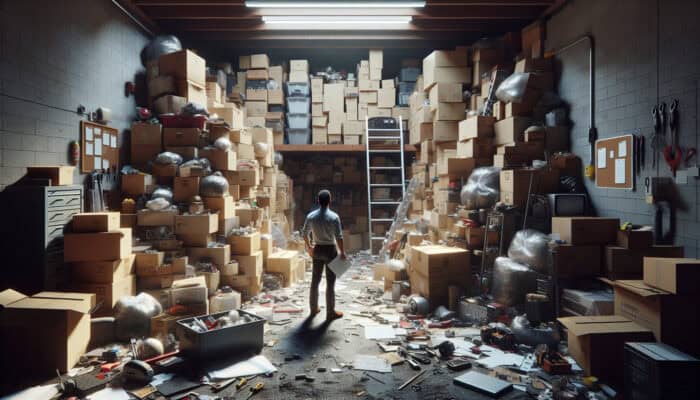
How to Clear a UK Garage as a Beginner: Before you begin your garage clearance project, it is crucial to assess the clutter in your garage thoroughly. Take a comprehensive look at how cluttered the space is. Are there boxes piled high, tools strewn across the floor, or garden equipment hidden away in a corner? Understanding the quantity and types of clutter present will inform your next steps. Identify items you wish to keep, discard, or donate. Draft a rough plan that highlights the most cluttered areas and estimates the time required for each section. This initial assessment enables you to tailor your strategy to your unique circumstances, transforming what could be an overwhelming task into a more manageable project.
Once you have a clearer understanding, categorising items by usage frequency and value can be helpful. For example, if you come across old bicycles your family no longer uses, but that are still in good condition, they could be excellent candidates for donation. Conversely, tools that are broken or no longer usable should be prioritised for disposal. Keeping a checklist can serve as a visual progress tracker, motivating you to continue clearing the garage until it meets your standards. In the UK, garages often become dumping grounds, but with a careful assessment, you can turn yours into a functional area.
What Safety Equipment is Essential for Garage Clearance?
Safety should always be your top priority when tackling your garage clearance. Ensure that you have the appropriate safety equipment before starting the task. Essential items include gloves to protect your hands from sharp objects and dirt; masks to shield your lungs from dust and potential allergens; and sturdy footwear to protect your feet from heavy items that may fall. Depending on your health circumstances, you may also want safety goggles, particularly if there is a risk of debris or dust entering your eyes.
Although it may seem like a minor detail, investing in high-quality safety equipment can prevent accidents that could delay your project or, worse, lead to injury. Additionally, consider keeping a first-aid kit close by, just in case. By preparing adequately, you ensure your garage clearance is both productive and safe. Always remember that your health and safety are paramount, and taking these precautions allows you to focus entirely on the task at hand without unnecessary distractions.
How to Create a Realistic Timeline for Your Garage Clearance Project
One of the key elements in achieving a successful garage clearance is creating a realistic timeline for your project. Without a clear timeline, it is easy to become sidetracked or feel overwhelmed. Start by setting measurable goals, such as designating particular days to tackle specific areas of the garage. For example, you could aim to clear the left side of the garage on the first day and the right side on the second day. Allocating specific time blocks helps maintain momentum and keeps the project on track.
Consider how much time each task will likely require and add a buffer for unexpected challenges. Some items may take longer to sort through, particularly if they hold sentimental value. Include breaks in your schedule to prevent burnout; this makes the process more enjoyable and manageable. Once you have crafted your timeline, please write it down and place it in a visible spot in your garage as a constant reminder of your goals. This serves not only as motivation but also helps you track your progress as you clear the space.
What Tools and Supplies Are Necessary for a Smooth Garage Clearance?

To ensure a seamless clearance process, gathering the right tools and supplies is crucial. Start by collecting bins and boxes for sorting items. Clearly label these bins with categories such as ‘Keep’, ‘Donate’, ‘Sell’, and ‘Dispose’. This level of organisation is essential as it simplifies the sorting process, helping you to stay focused. You will also require sturdy cleaning supplies, including mops, brooms, and eco-friendly cleaning agents, especially if the garage has been neglected for an extended period.
- Collect sturdy bins or boxes for sorting.
- Label each bin for clear categorisation.
- Gather cleaning supplies, such as mops and brooms.
- Prepare tools for dismantling heavy items, like screwdrivers and hammers.
- Have a first-aid kit on hand for any potential injuries.
- Invest in a dustpan and brush for easy clean-up.
- Bring a notebook or digital device to jot down thoughts or ideas as you sort.
- Ensure you have a good quality vacuum cleaner for the final clean.
Moreover, consider any tools required to dismantle larger items or move heavy boxes. Having everything you need on hand before you begin can save time and frustration, allowing you to focus on clearing rather than searching for materials. A well-prepared garage clearance can be an efficient and satisfying endeavour when equipped with the right tools.
How to Allocate Space for Sorting and Temporary Storage
During the clearance process, it is essential to allocate specific areas for sorting and temporary storage. If your garage is compact, consider using a portion of your driveway or garden as a sorting zone. This not only provides ample space to sort items but also keeps your garage accessible throughout the process. For instance, you could create designated areas for each category: one for items you plan to keep, another for those you wish to donate, and a separate area for items to be disposed of.
Establishing a clear, organised area will streamline the sorting process, making it easier to see what you have and the next steps. As you sort items, keep temporary storage areas organised to avoid additional clutter. A well-structured sorting system not only simplifies the task but also enhances your ability to make informed decisions regarding what to keep and what to discard. This proactive approach ultimately leads to a more successful garage clearance.
Valuable Insights for Beginners on How to Clear a UK Garage
Learn from Real-World Examples of Successful Garage Clearances

Gaining insights from those who have successfully navigated their garage clearances can provide invaluable guidance. Many individuals embark on this journey motivated by various reasons, from creating a functional workspace to making room for a new vehicle. For example, Sarah, a homeowner from Brighton, documented her garage clearance experience on a local community forum. She highlighted the importance of starting early in the day to maximise daylight and avoid feeling rushed. By focusing on one section at a time and inviting friends for support, she maintained her motivation and made the process enjoyable.
Similarly, John from Leeds chose to tackle his garage after realising he had lost valuable tools in the chaos. He organised a garage sale, turning his clearance into an opportunity to engage with neighbours while decluttering. The blend of social interaction and financial gain kept him motivated throughout the process, and he reported a significant reduction in clutter and a newfound appreciation for the items he decided to keep. By sharing their experiences, Sarah and John demonstrate that a garage clearance can be both a practical and rewarding endeavour when approached with the right mindset and strategy.
What Are the Most Effective Sorting Techniques for Garage Clearance?
Employing effective sorting techniques is vital during your garage clearance. A popular method is to categorise items into four groups: ‘Keep’, ‘Donate’, ‘Sell’, and ‘Dispose’. This method creates a clear pathway for your decision-making process. Start by emptying shelves and boxes onto a large surface, such as a workbench or a clear area on the garage floor. As you handle each item, ask yourself the following question: Is this useful? Does it hold sentimental value? What condition is it in? This reflective approach allows you to make more thoughtful decisions about what to retain and what to let go.
Some individuals find it helpful to apply the ‘one-year rule’, which asks whether you have used the item in the past year. If not, it might be time to part ways. Additionally, employing colour-coded labels for your bins can visually differentiate categories at a glance. For instance, green could represent items to keep, blue for donations, yellow for items for sale, and red for disposal. This visual approach simplifies sorting and enhances clarity, making the entire garage clearance process feel more structured and manageable. Ultimately, utilising effective sorting techniques saves time and creates a more organised space.
Avoid Common Pitfalls During Your Garage Clearance
Even with the best intentions, beginners often fall into common traps during garage clearances. One significant mistake is becoming overly sentimental during the sorting process, which can lead to retaining items that no longer serve a purpose. It is essential to remember that while some items may hold memories, they can still be let go of if they clutter your space. Establishing a limit on sentimental items can help—perhaps restrict yourself to a dedicated box for keepsakes.
Another frequent error is a lack of a clear plan or timeline. Without structure, it is easy to lose motivation or feel overwhelmed, causing you to abandon the project altogether. To combat this, break your tasks into manageable segments, as previously discussed. Furthermore, many beginners underestimate the time required for thorough clearance. Always factor in extra time for sorting, cleaning, and disposing of items to avoid feeling rushed.
Finally, neglecting to involve others in the process can diminish motivation. Inviting a friend or family member to lend a hand not only provides additional support but also makes the project more enjoyable. By being aware of these common pitfalls and strategising against them, you can significantly enhance your garage clearance experience, ensuring it is both efficient and satisfying.
Strategically Sorting and Decluttering Your Garage
How Can You Determine What to Keep or Discard?
Determining what to keep or discard during a garage clearance can be challenging, but applying specific criteria can simplify the process. First, evaluate the usefulness of each item. Consider whether you have used it in the last year. Items that have not been used for an extended period may need to be discarded. Secondly, assess the sentimental value of items. While acknowledging memories is important, consider whether retaining an item positively contributes to your life or adds clutter.
Another critical factor is the condition of the items. If something is broken beyond repair or no longer functions as it should, it’s usually best to let it go. A good rule of thumb is the ’90/90 rule’: if you haven’t used an item in the last 90 days and don’t expect to use it in the next 90 days, it’s likely time to part ways. Take time to contemplate each item and avoid rushing the decision-making process. This thoughtful approach leads to more informed choices regarding what you genuinely want to keep in your space.
How to Organise Items for Donation or Sale
Once you’ve sorted through your garage and identified items for donation or sale, the next step is to prepare them appropriately. For items designated for donation, ensure they are clean and in good condition. Charity shops across the UK, such as Oxfam or the British Red Cross, warmly welcome gently used items. Packaging these items neatly in boxes can make the donation process far smoother. Additionally, check online platforms such as Freecycle or local Facebook groups to give away items that may not be suitable for charities.
For items you wish to sell, take the time to research their value. Websites like eBay or Gumtree can provide valuable insights into pricing similar items. Ensure that these items are clean and presentable, as a good appearance can significantly impact their saleability. If you’re hosting a garage sale, consider creating eye-catching signs and advertising locally to attract potential buyers. Capture aesthetically pleasing photographs of the items if selling online, and write detailed descriptions to attract more interest. By thoughtfully preparing your items, you increase the likelihood of successful donations or sales.
What is the Best Way to Dispose of Unwanted Items?
Proper disposal of unwanted items is crucial for maintaining environmental responsibility during your garage clearance. Research your local waste disposal regulations in the UK, as different councils have specific guidelines for hazardous waste, electronic items, and general rubbish. Many areas have designated recycling centres where you can drop off items such as old paint, batteries, or appliances. Some councils also offer bulk waste collection services for items that do not fit in standard bins.
It is essential to remember that many items can be recycled or repurposed rather than discarded. For instance, scrap metal can often be sold or recycled, while old furniture can be refurbished. Look for community groups or platforms that promote upcycling and recycling, as these can provide creative alternatives to disposal. Additionally, consider using apps like Olio, which connect people looking to give away food and other items that might otherwise go to waste. By adhering to environmentally friendly disposal methods, you contribute positively to your community and the planet.
Implementing Effective Storage Solutions for Your Garage
After decluttering, implementing effective storage solutions is crucial for maintaining organisation in your garage. Start by utilising shelving units to maximise vertical space. Wall-mounted shelves are ideal for storing boxes, tools, and other smaller items. This approach not only maximises floor space but also allows for quick access to what you need. Consider using labelled containers for small items to ensure everything has a designated spot.
Cabinets and storage bins with lids are particularly beneficial, especially for items that require protection from dust and moisture. For seasonal items such as Christmas decorations or garden tools, clear plastic bins let you see what’s inside without opening them. Additionally, pegboards are an excellent solution for hanging tools, keeping them accessible while freeing up floor space. By carefully planning your storage solutions, you create a functional garage that remains organised long after the initial clearance.
Research-Backed Benefits of Clearing a UK Garage as a Beginner
Actionable Steps to Achieve a Clutter-Free Garage
Achieving a clutter-free garage is not only possible but also straightforward when following a systematic approach. Here are actionable steps to guide you through the process:
- Begin by emptying your garage, taking everything out to gain a clear view.
- Categorise items into ‘Keep’, ‘Donate’, ‘Sell’, and ‘Dispose’ bins.
- Evaluate each item based on its usefulness and condition.
- Thoroughly clean the garage, including floors and shelves, before placing items back.
- Implement storage solutions like shelves and labelled bins to maintain organisation.
- Create a maintenance schedule to ensure the space remains clutter-free.
- Involve friends or family for support and motivation during the process.
By following these steps, you significantly increase your chances of successfully decluttering your garage and making the space functional and enjoyable. Each step lays the foundation for a more organised and efficient area, leaving you with a sense of accomplishment and satisfaction.
How Can a Clear Garage Enhance Your Life?
A clear garage can greatly improve your life by enhancing both the aesthetic and functional aspects of your home. Firstly, a tidy garage increases your home’s value; potential buyers often perceive a well-maintained garage as a sign of overall care. Additionally, a clear garage provides more usable space, allowing you to store essential items or even create a workshop for hobbies. This newfound space fosters creativity and ensures you have room for activities you love.
Moreover, decluttering your garage reduces stress associated with a chaotic environment. Clutter can lead to feelings of anxiety, making it more challenging to focus and find belongings when needed. A clear, organised garage allows for easy navigation of your items, improving productivity and creating a more serene atmosphere. Ultimately, the benefits of a clear garage extend beyond the physical space; they positively contribute to your overall well-being.
Understanding the Psychological Effects of a Decluttered Space
The psychological impact of a decluttered space is profound and can transform your mental well-being. Living in a cluttered environment often leads to feelings of overwhelm and stress. In contrast, a tidy space fosters a sense of calm and control. Research indicates that individuals who maintain organised environments report higher happiness levels and reduced anxiety.
Additionally, decluttering provides a sense of accomplishment. Each item you let go of not only frees up physical space but also clears your mind. This process can be freeing, leaving you with a clearer mindset and greater focus on what truly matters. Furthermore, a clutter-free environment promotes creativity and productivity, enabling you to engage more effectively in hobbies or work. By prioritising decluttering, you create a positive feedback loop that enhances your mental health and improves productivity.
Cleaning and Maintaining Your Garage Effectively
What Cleaning Supplies Are Best for a Garage Clean?
When cleaning your garage, selecting appropriate supplies is essential to achieving a thorough clean. Begin with a broom and dustpan for sweeping away debris and dust. A good-quality mop, along with a bucket of soapy water or a suitable cleaning solution, will help tackle any stains or spills on the floor. For stubborn stains, consider using a degreaser, particularly if your garage houses oily tools or machinery.
Additionally, don’t overlook walls and surfaces; a microfiber cloth and an all-purpose cleaner can effectively remove dirt and cobwebs from shelves and corners. For any windows in your garage, a glass cleaner will ensure they shine, letting in natural light and improving visibility. Ensure that your chosen cleaning agents are safe for the surfaces you intend to clean—some materials may require specific products to avoid damage. By equipping yourself with the right cleaning supplies, you set the stage for a fresh and inviting garage space.
How to Deep Clean Your Garage Floor and Walls
Deep cleaning your garage floor and walls is a crucial step in the overall cleaning process. Start by removing all items from the floor to ensure unobstructed access to dirt and grime. Use a broom to sweep the area thoroughly, paying particular attention to corners where dust tends to accumulate. Once swept, consider using a pressure washer on concrete floors to remove stubborn stains and embedded dirt. If a pressure washer isn’t available, a hose with a high-pressure spray can still be effective.
After cleaning the floor, focus on the walls. Use a damp cloth or sponge with an appropriate cleaning solution to remove cobwebs, dust, or marks. For particularly grimy spots, a stiff-bristle brush may be necessary to scrub away dirt. If the walls are painted, ensure the cleaning solution is compatible to prevent damage. By taking the time to deep-clean your garage, you not only refresh the space but also create a healthier environment, free of dust and allergens.
How to Establish a Routine for Garage Maintenance
Maintaining a clean and organised garage requires commitment, and establishing a maintenance routine is key to ensuring your efforts are not wasted. Create a simple checklist of routine tasks to keep your garage in order. For instance, schedule a monthly sweep and wipe-down of surfaces to prevent dust buildup. Additionally, implement a system to return items to their designated spots after each use, preventing clutter from building up.
- Schedule monthly deep cleaning sessions.
- Regularly check for items that need to be discarded or donated.
- Create a habit of returning items to their proper places immediately after use.
- Inspect storage containers and bins for organisation and cleanliness.
- Keep a list of items in your garage and update it as needed.
- Encourage family members to participate in maintenance tasks.
- Set reminders for seasonal checks of seasonal items.
- Consider a quarterly purge of items that are no longer needed.
By incorporating these tasks into a maintenance routine, you can enjoy a consistently tidy garage, creating an ongoing sense of satisfaction and functionality in your home. Regular upkeep ensures that clutter does not return and that you continue to benefit from your initial clearance.
Finalising Your Garage Clearance Project Successfully
How to Arrange Items for Optimal Space Utilisation
Strategically arranging your items is crucial for maximising the functionality of your garage. Start by assessing how often you use each item. For instance, frequently used tools should be kept readily accessible, while seasonal items can be stored higher or farther back. Create zones for different activities, such as gardening or DIY projects, and group related items together. This approach not only increases efficiency but also reduces the time spent searching for items.
Consider vertical storage solutions, such as hooks or pegboards, for tools and equipment. By keeping these items off the floor, you free up valuable space for other uses. Additionally, labelling shelves and bins can further enhance organisation, making it easy for anyone to find what they need. A well-organised garage improves efficiency and creates a more pleasant workspace, encouraging you to use the space effectively.
What Are Creative Ways to Celebrate Your Success?
Completing your garage clearance is a significant achievement, and it’s essential to take the time to celebrate your success. Rewarding yourself reinforces positive habits and motivates future organisational projects. Consider hosting a small gathering with family and friends to showcase your hard work and enjoy the newfound space. Alternatively, treat yourself to a nice dinner or a special outing to acknowledge your efforts.
Another wonderful way to celebrate is to reflect on the journey. Take before-and-after photos of your garage to document the transformation, which can serve as motivation to maintain your newly organised space. By celebrating your success, you further solidify the sense of accomplishment and encourage a proactive approach to maintaining organisation in your home.
How to Plan for Future Garage Organisation
To prevent future clutter from accumulating in your garage, it is important to plan long-term organisation solutions. Consider investing in high-quality storage systems, such as modular shelving or adjustable cabinets, to meet your needs. These systems can adapt as your storage requirements change, ensuring that your garage remains functional and organised. Regularly assess your storage strategies to adapt to new items or changes in usage.
Additionally, implement a system for introducing new items into the garage. Before adding anything new, evaluate whether it fits within your existing organisation scheme. This proactive approach can prevent clutter from creeping back in. Encourage family members to adopt similar habits to create a collective effort to maintain a tidy space. By planning for future organisation, you can enjoy the benefits of a clear garage for many years to come.
How to Document Your Garage Clearance Process
Documenting your garage clearance process is not just a way to reflect on your journey; it also serves as a valuable reference for future maintainers. Keep a record of your methods, including what worked well and what didn’t. Take notes on your organisation’s systems, including where specific items are stored and the rationale for your decisions. This documentation can be especially helpful if multiple family members use the garage, as it provides everyone with a clear understanding of the layout and storage strategies.
Consider creating a digital record, such as photos or a simple diagram, outlining the garage’s organisational structure. This can be easily shared and updated as needs change. By documenting your garage clearance process, you create a roadmap for future organisation, making it easier to maintain a clutter-free environment and enabling you to tackle similar projects with confidence.
Frequently Asked Questions
What is the best way to start clearing a garage?
Incorporate a thorough assessment of the garage, categorising items into groups like ‘Keep’, ‘Donate’, ‘Sell’, and ‘Dispose’ to establish a clear plan for your clearance.
How long does it typically take to clear a garage?
The time required varies based on clutter levels and personal pace, but a garage clearance typically takes anywhere from a few hours to a couple of days.
What items should I consider donating?
Items in good condition that you no longer use, such as clothes, tools, or furniture, are ideal for donation to local charities or community groups.
How do I safely dispose of hazardous materials?
Contact your local council for guidelines on hazardous waste disposal, as they often have designated drop-off points or collection services for hazardous materials.
Can I recycle old paint and chemicals?
Many local councils offer specific disposal services for paint and chemicals, so check with them for recycling options rather than disposing of them in general waste.
What is the best way to organise tools in my garage?
Use pegboards or toolboxes to hang tools, and consider labelled containers for smaller items to keep everything tidy and easily accessible.
How can I maintain a clutter-free garage after clearing it?
Establish a regular maintenance routine: return items to their designated places immediately after use and schedule periodic decluttering sessions.
What are the signs that it’s time to clear my garage?
If you struggle to find items, have difficulty parking, or notice a buildup of dust and clutter, it’s a clear sign that it’s time to clear your garage.
Is it worth having a garage sale?
A garage sale can be a rewarding way to declutter while making some money, provided you have valuable items that others may want to purchase.
How can I prevent future clutter in my garage?
Implement a ‘one in, one out’ policy: for every new item brought in, an old item must be removed to maintain a clutter-free environment.