
Recognising the Risks Associated with House Clearance
What are the prevalent causes of back injuries during house clearance activities?
Avoiding Back Injuries in House Clearance: Back injuries during house clearance often result from lifting heavy items, such as furniture and boxes. A significant contributing factor is poor posture, as many individuals do not recognise the importance of proper lifting techniques. NHS data indicate a concerning increase in manual handling incidents in British households, largely due to a lack of awareness of safe practices. To address this, prevention strategies should include regular training sessions and reminders to maintain good posture during lifting. By adopting these methods, the risk of back injuries during house clearance can be significantly reduced.
Moreover, individuals often underestimate the weight of objects, which can lead to sudden strain on their backs. For instance, a family relocating may find themselves struggling to manoeuvre a large sofa through doorways without adequate assistance. Such scenarios underscore the importance of understanding the associated risks and taking proactive measures to mitigate them effectively.
What factors significantly contribute to back strain in UK house clearance situations?
A range of factors contribute to back strain during house clearances in the UK. The prevalence of improper lifting techniques and cluttered spaces drastically heightens the risk of injury. According to the Health and Safety Executive (HSE), homes filled with disorganised items significantly increase the risk of trips and falls, which can lead to back injuries. Conducting ergonomic assessments tailored to British house clearance practices can help identify these risks and mitigate them effectively. For instance, ensuring clear pathways and utilising appropriate lifting aids can make the clearance process much safer.
Additionally, clutter can lead to awkward lifting positions that place undue strain on the back. A disorganised garage in a typical British home may pose considerable challenges when lifting heavy boxes or awkwardly shaped items. Professional clearance services often advise residents to declutter before heavy lifting, significantly reducing the risk of back strain.
How can you recognise the early indicators of back problems?
Identifying early signs of back problems is essential, particularly after participating in heavy lifting during house clearance. Symptoms such as persistent pain or stiffness often indicate that the back is experiencing undue stress. British physiotherapists recommend that individuals monitor their bodies and take immediate action when discomfort is felt. For example, a person might experience a twinge in their lower back after lifting boxes, which could serve as a warning sign. Ignoring such discomfort can lead to more severe complications over time.
To prevent further escalation of these issues, individuals should implement immediate self-care strategies, including resting or applying heat to the affected area. Consulting a physiotherapist for personalised advice is also advisable. They can provide tailored exercises to alleviate pain and strengthen the back, helping individuals safely continue their house clearance tasks.
What are the most effective strategies for preventing back injuries during house clearance in the UK?
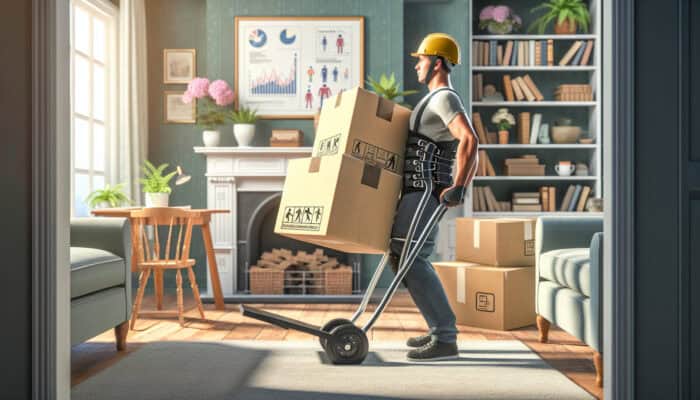
To effectively prevent back injuries during house clearance in British homes, it is crucial to conduct regular training on proper lifting techniques and to utilise mechanical aids. The Health and Safety Executive underscores the importance of these practices. For example, using a dolly or trolley to transport heavy items can significantly reduce strain on the back. Additionally, back braces can provide further support, particularly during extensive clearance activities.
Another effective strategy is to schedule regular breaks throughout the clearance process. Fatigue is a known contributor to injuries, as tired individuals are more likely to lift items incorrectly or overlook safety precautions. By incorporating structured breaks, workers can maintain their energy and focus on using proper techniques. Tools designed to promote ergonomic lifting, such as loading ramps or lifting straps, should also be utilised, as they can significantly reduce the risk of back strains.
What other common injuries are frequently encountered during house clearances in the UK?
Aside from back injuries, slips, trips, and cuts are also prevalent risks associated with house clearances in the UK. Reports from Public Health England indicate that these injuries commonly result from debris or clutter in the workplace. For example, a clearance operation involving the removal of old garden furniture may expose individuals to sharp edges or uneven ground, resulting in cuts or falls. Adopting safety footwear, ensuring clear walkways, and providing first-aid training can effectively mitigate these hazards.
Furthermore, it is advisable to equip oneself with basic first-aid skills and a well-stocked kit for any clearance operation. This level of preparedness can transform a potentially hazardous situation into a manageable one, ensuring that minor injuries do not escalate into more serious complications.
What Steps Should You Take to Prepare for Safe House Clearance?
What essential equipment should be utilised in UK homes during clearance activities?
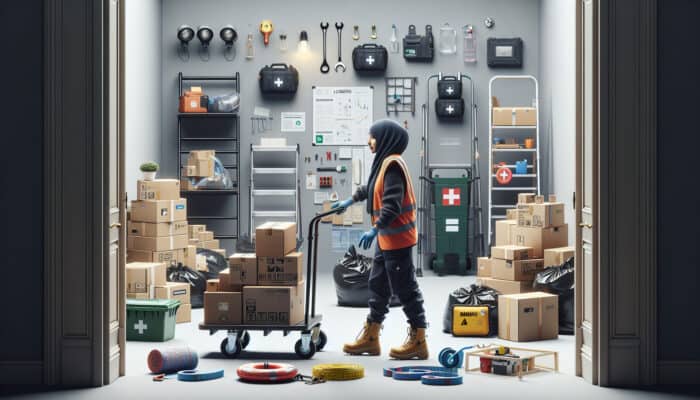
Utilising the right equipment is paramount for ensuring safety during house clearance in UK homes. Essential tools include trolleys for transporting heavy items, back braces for added support, and gloves to protect hands from injury. The following items are highly recommended for effective preparation:
- Trolleys or dollies for heavy lifting
- Back support braces to alleviate strain
- Gloves for hand protection
- Safety footwear to prevent slips and injuries
- First-aid kit for immediate response
- Lighting equipment for dark areas
- Ramps or lifting straps for awkward items
- Waste bags or bins for debris disposal
Implementing these tools not only enhances safety but also streamlines the overall clearance process. For instance, using a trolley can make transporting multiple boxes simultaneously easier and safer than carrying them one by one, thereby reducing injury risk and improving efficiency.
What steps should be taken to plan a clearance that protects your back?
Effective planning is essential for safeguarding your back during house clearance. Organising the space before starting is crucial; this involves identifying heavy items and determining the safest routes for their removal. Scheduling breaks throughout the clearance process is also highly advisable, as it permits individuals to rest and reassess their lifting techniques. These strategies, as recommended by UK health bodies, reinforce safe working practices while reducing the risk of injury.
Another practical suggestion is to enlist assistance from others. Having a team can effectively distribute the load of heavy items and ensure no individual overexerts, further reducing the risk of back strain. Additionally, planning clearance in stages can help prevent fatigue and ensure individuals remain focused on proper lifting techniques.
What common mistakes should be avoided during preparation for house clearance?
Several common mistakes can lead to injuries during house clearance, particularly within the UK. Overloading boxes or neglecting rest periods significantly increases the likelihood of back strain. For instance, a person may be tempted to cram a box to its maximum capacity, believing they can manage the weight. This not only results in improper lifting but also places unnecessary strain on the back.
To avoid these pitfalls, it is essential to adopt safety-focused practices. Breaking down heavier items into smaller, manageable loads can reduce back strain. Moreover, recognising the significance of rest periods cannot be overstated. Frequent short breaks allow individuals to recover and approach the next task with renewed energy and focus.
Expert Recommendations for Avoiding Back Injuries
What expert advice exists regarding proper lifting techniques?
Experts from UK physiotherapy associations stress the importance of proper lifting techniques in preventing back injuries. Key recommendations include bending at the knees rather than the waist when lifting heavy objects and keeping the load close to the body. For example, when lifting a box, placing it on a table can significantly reduce back strain.
Additionally, workplace training sessions often emphasise maintaining a straight back and using the legs for lifting. Adopting these best practices not only enhances safety but also instils confidence in individuals when handling heavy items. Regular reminders and training can further embed these techniques into routine, ensuring a safer lifting environment.
How do professionals manage high-risk items in the UK?
Professionals in the UK typically handle high-risk items, such as large furniture, using strategies that emphasise teamwork. Team lifting is a fundamental practice advocated by experts, particularly for heavy or awkwardly shaped items. This method not only distributes the weight but also enables all individuals involved to maintain proper lifting techniques.
Furthermore, industry training programmes often include guidelines for assessing an object’s weight and balance before lifting it. For instance, clearance teams may utilise equipment such as hoists and forklifts, thereby reducing the risk of injury. reducing the risks and ensuring that clearance professionals can operate efficiently while prioritising their health and safety.
What are the benefits of consulting UK specialists before house clearance activities?
Engaging physiotherapists or other specialists before undertaking house clearance can yield significant advantages. These professionals offer tailored advice that considers individual needs and the specific challenges associated with a clearance project. For example, a physiotherapist might recommend specific exercises to strengthen the core, which plays a vital role in supporting the back during heavy lifting.
Real-world examples illustrate successful outcomes stemming from such consultations. Individuals who have sought expert advice frequently report fewer injuries and greater confidence when lifting. This proactive approach not only aids physical preparedness but also fosters a culture of safety within house clearance activities.
What Techniques Can Effectively Prevent Injuries?
How can you maintain proper posture while working during clearance activities?
Maintaining proper posture while working is paramount for reducing back stress during house clearance. UK ergonomic guidelines recommend keeping the back straight and avoiding twisting when lifting. Ensuring that one’s feet are shoulder-width apart provides a stable base, while bending at the knees allows for a safer lifting position.
Furthermore, engaging in specific exercises designed to improve posture can significantly benefit individuals during clearance tasks. Strengthening core muscles through targeted workouts can provide essential support to the back. British health experts often advocate practices such as Pilates or yoga, which not only enhance posture but also improve overall flexibility and strength, ultimately making house clearance activities safer.
What effective lifting and carrying methods should be employed in UK contexts?
Adhering to effective lifting and carrying methods tailored to UK contexts involves following safety protocols that minimise back strain. Bending the knees and keeping the load close to the body are fundamental practices. For example, when carrying a heavy box, keeping it as close to the chest as possible reduces strain on the back and improves balance.
Moreover, rotating the feet rather than twisting the torso when turning with a load is crucial for preventing injuries. This technique significantly reduces the risk of sudden back strains, particularly in crowded or cluttered environments common in British homes. Awareness and training in these techniques can greatly enhance safety during house clearance activities.
Why are regular breaks essential for maintaining back health?
Incorporating regular breaks during house clearance is critical to promoting back health. Fatigue can lead to improper lifting techniques and neglect of safety protocols, thereby increasing the risk of injury. UK work health guidance recommends scheduling short breaks every hour to maintain energy and focus.
These breaks allow individuals to stretch and relax their muscles, reducing the likelihood of stiffness or pain. For instance, taking five minutes to walk around or perform simple stretches can rejuvenate the body and prepare it for the next lifting task. Prioritising regular breaks not only promotes physical wellbeing but also enhances overall efficiency during house clearance operations.
What are the benefits of using protective equipment during daily clearance tasks?
Wearing appropriate protective equipment during house clearance is crucial for minimising the risk of injury. UK safety regulations require items such as gloves and back supports to protect individuals from potential hazards. For example, gloves protect against cuts and abrasions when handling sharp objects, while back supports offer additional stability during heavy lifting.
Selecting the right equipment is vital for ensuring safety. Individuals should consider factors such as fit and comfort when choosing back supports, as poorly fitting gear can exacerbate issues rather than alleviate them. Incorporating protective equipment into daily tasks not only promotes a culture of safety but also empowers individuals to take responsibility for their own health during house clearance activities.
Evidence-Based Benefits of Proper Techniques
What research supports the implementation of ergonomic practices in the UK?
Research conducted by British institutions indicates that adopting proper ergonomic practices can substantially reduce injury rates. The benefits of these practices include enhanced productivity, decreased absenteeism, and improved physical wellbeing. Key findings from local research on house clearance ergonomics highlight the following advantages:
- Reduced risk of musculoskeletal injuries
- Increased efficiency in task completion
- Higher employee satisfaction and morale
- Lowered costs associated with medical treatments
- Improved overall workplace safety
- Enhanced compliance with safety regulations
- Stronger community relations due to health-focused initiatives
- Greater longevity in the workforce
Such evidence underscores the need to adopt ergonomic practices in house clearance operations, fostering a safer and more productive environment.
What long-term advantages arise from implementing injury prevention strategies?
Implementing injury prevention strategies can deliver long-term benefits, as evidenced by UK data. Reduced absenteeism due to injury directly correlates with better overall mobility and health. Sustained adherence to local guidelines leads to a healthier workforce, resulting in improved efficiency in house clearance tasks.
Long-term health improvements also enhance morale among workers, as individuals feel more capable of performing their duties without the fear of injury. Proactive measures not only safeguard physical health but also contribute to a more cohesive and motivated team, ultimately benefiting any house clearance operation.
How can research be integrated into daily routines for better safety?
Integrating findings from UK studies into daily routines significantly enhances safety during house clearance. Practical approaches to adopting evidence-based strategies include implementing regular training sessions focused on proper lifting techniques and ergonomic practices. For example, incorporating stretching routines before commencing clearance can adequately prepare the body for physical exertion.
Moreover, utilising feedback from previous clearance operations can help identify areas for improvement. Keeping a log of injuries or strains from past clearances can inform future practices, ensuring lessons learned contribute to safer, more effective operations. This integration of research into daily routines can foster a culture of continuous improvement and safety.
What economic advantages stem from implementing evidence-based ergonomic methods?
From an economic perspective, evidence-based ergonomic methods in house clearance demonstrate substantial benefits. UK studies show that when proper techniques are used, operational costs decrease significantly due to reduced expenses associated with medical treatments and lost workdays. Research indicates that businesses that implement these methods not only improve employee well-being but also enhance profitability.
For instance, companies that invest in ergonomic training experience fewer injuries, resulting in lower insurance premiums and reduced turnover rates. By prioritising proper lifting techniques and ergonomic practices, businesses can create a sustainable model that benefits both employees and the bottom line, thereby fostering a healthier work environment.
What psychological and social benefits are supported by research?
Research from British institutions highlights that ergonomic practices in house clearance contribute to enhanced worker morale and improved community relations. Workers who feel safe and supported in their roles are more likely to experience higher job satisfaction, which in turn strengthens social bonds within teams. For example, clearance groups prioritising safety often cultivate camaraderie, which translates into improved teamwork and cooperation.
The psychological benefits of reduced anxiety regarding injury also contribute to a more positive work environment. As teams engage in house clearance with confidence in their safety protocols, they foster stronger relationships built on trust and mutual support. Such dynamics enhance overall productivity, creating a culture where health and safety are of utmost importance.
How Does Regular Exercise Contribute to Injury Prevention?
What core-strengthening exercises are recommended for maintaining back health?
Building abdominal strength is crucial for providing back support, particularly during clearance activities. UK fitness experts recommend a variety of core-strengthening exercises that can greatly aid individuals preparing for house clearance. Routines such as planks, bridges, and abdominal crunches help fortify the core muscles, thereby enhancing overall stability.
For instance, doing a few minutes of plank exercises each day can yield substantial benefits, creating a solid foundation for the back during heavy lifting. Furthermore, incorporating these exercises into a regular fitness routine can improve resilience to strains and injuries, ensuring individuals are well prepared for the physical demands of house clearance.
What are the benefits of flexibility training for house clearance tasks?
Flexibility training plays an integral role in improvingthe range of motion, as highlighted by insights from UK physiotherapy. Stretching not only prepares muscles for physical exertion but also helps prevent strains during common household activities. Simple routines, such as hamstring stretches or shoulder rolls, can dramatically enhance flexibility and reduce the risk of injury.
For instance, performing dynamic stretches before starting a clearance task can help loosen tight muscles, facilitating smoother, safer movements. Incorporating flexibility training into daily routines can yield long-term benefits, helping individuals remain agile and less prone to injury during house clearance operations.
Why is it important to combine exercise with clearance planning?
Combining exercise with clearance planning is vital for boosting resilience and ensuring safety. Integrating workouts into routines, as suggested in UK guidelines, not only prepares the body physically but also mentally for the demands of house clearance. For example, completing a brief strength-and-flexibility workout before starting clearance tasks can improve overall performance.
Moreover, this proactive approach fosters a sense of responsibility towards health, encouraging individuals to prioritise their wellbeing. By prioritising physical preparation, individuals can significantly reduce the risk of injury and foster a culture of safety within their teams during house clearance activities.
What role do aerobic exercises play in maintaining cardiovascular health?
Aerobic activities, such as brisk walking or cycling, as recommended by the NHS, improve heart function and circulation. This not only helps prevent conditions such as hypertension but also improves endurance for everyday tasks, thereby supporting overall preventive strategies. Engaging in regular aerobic exercises creates a robust foundation for tackling the physical demands of house clearance.
For example, integrating brisk walking into the daily routine can significantly improve cardiovascular health, equipping individuals with the stamina needed to carry heavy items during clearance. This sustained cardiovascular fitness contributes to overall well-being, helping individuals maintain energy levels throughout the clearance process.
How can balance exercises contribute to reducing the risk of falls and injuries?
Incorporating balance routines, as advised by UK Age UK guidelines, is crucial for strengthening stability and coordination. These exercises, such as single-leg stands or tai chi, are particularly beneficial for older adults, helping to avoid accidents during daily activities. Such routines enhance proprioception, which is essential for maintaining balance while navigating cluttered environments during house clearance.
For instance, practising balance exercises regularly can build muscle memory that helps individuals navigate uneven surfaces, reducing the risk of falls. These proactive measures ensure that everyone, particularly older adults, can engage in house clearance activities safely and confidently.
Proven Strategies for Long-Term Back Health
What key habits should be adopted following house clearance?
Maintaining key habits after house clearance is essential to support recovery and long-term back health. Gentle stretching, as recommended by UK health experts, can alleviate tension and aid in recovery. The following habits are beneficial for ongoing back care:
- Daily stretching routines to enhance flexibility
- Incorporating strength training to build core stability
- Hydration to support muscle function
- Mindfulness practices to reduce stress
- Regular check-ins with physiotherapists
- Maintaining good posture during daily activities
- Engaging in low-impact exercises for overall fitness
- Keeping a log for physical activity and recovery
Adopting these habits supports a proactive approach to health, ensuring individuals remain vigilant in maintaining back health long after clearance activities conclude.
How can you seek professional help if needed?
Consulting UK GPs or therapists when experiencing back problems is crucial for effective management. Individuals should be aware of signs that require professional intervention, such as persistent pain or limited mobility. Clearly outlining symptoms during consultations can help healthcare providers determine the best course of action.
Local healthcare systems offer a range of resources, including physiotherapy services that focus on rehabilitation and preventive care. Engaging with these services ensures that individuals receive tailored advice and support, enabling effective management of any back-related issues.
How can you monitor progress over time in UK environments?
Tracking improvements over time is essential for sustaining health, particularly in British environments. Keeping a journal, as recommended by British health authorities, allows individuals to document their experiences and monitor changes in back health. Recording details such as pain levels, physical activities, and recovery strategies can provide valuable insights into what works best for each individual.
Moreover, regular evaluations can help identify patterns and areas for improvement, ensuring that proactive measures are continually adapted and refined. This sustained vigilance in home-related tasks reinforces a culture of safety and well-being, promoting healthier outcomes over time.
Frequently Asked Questions
What are the most common causes of back injuries during house clearance?
Back injuries during house clearance typically arise from improper lifting techniques, poor posture, and the strain of lifting heavy items, often compounded by cluttered environments that increase the risk of trips and falls.
How can I prepare my home for a safe clearance?
Preparing your home involves decluttering to create clear pathways, using appropriate lifting equipment, and ensuring the space is well-lit to prevent accidents during clearance.
What lifting techniques should I use to avoid back injuries?
To avoid back injuries, always bend at the knees, keep the load close to your body, and use your legs to lift rather than your back. Rotate your feet when turning rather than twisting your torso.
Why is it important to take breaks during house clearance?
Taking regular breaks during house clearance helps prevent fatigue, allows your body to recover, and reduces the risk of injuries from improper lifting or excessive exertion.
What protective gear should I use during clearance activities?
Essential protective gear includes gloves to protect your hands, back supports for added stability, and safety footwear to prevent slips and falls during clearance operations.
How often should I exercise to support my back health?
Engaging in regular exercise, ideally several times a week, can strengthen your core and improve flexibility, thereby supporting back health and reducing the risk of injuries during house clearance tasks.
What are the signs of a serious back injury?
Signs of a serious back injury include persistent pain, swelling, limited mobility, or numbness in the limbs. It is important to seek medical attention if these symptoms occur.
Can balance exercises help prevent falls during clearance?
Yes, incorporating balance exercises into your routine can significantly enhance stability and coordination, thereby reducing the risk of falls during house clearance activities, particularly in cluttered environments.
How do I know if I need professional help for my back issues?
If you experience ongoing pain, difficulty performing daily activities, or your symptoms worsen over time, it’s advisable to consult a healthcare professional for an appropriate assessment and guidance.
What are the long-term benefits of practising safe lifting techniques?
Practising safe lifting techniques can reduce injury rates, improve productivity, and enhance overall well-being, contributing to a healthier lifestyle and greater longevity in physical activities such as house clearance.