Essential Preparations for Clearing Your Attic
What Supplies Do You Need for Attic Clearing?
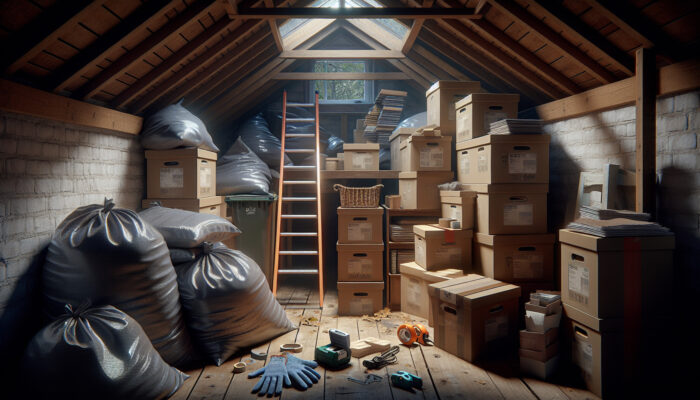
Clearing a UK Attic in Autumn: Before you begin the comprehensive task, it is crucial to assemble the appropriate supplies. This preparation not only guarantees a seamless workflow but also significantly enhances your safety and efficiency throughout the process. For homes across the UK during the autumn months, the following items are indispensable:
- Dust sheets
- Sturdy boxes
- Gloves
- Torches
- Ladders
- Bin bags
- Label maker
- Masking tape
These essential tools will help you tackle clutter effectively while protecting against dust and potential hazards. Before commencing, ensure you have a clear strategy for sorting items to avoid feeling overwhelmed. This preparation is vital to maintaining order and safety throughout your decluttering process.
How to Assess Your Attic Space Effectively?
Understanding the layout of your attic is essential before beginning the decluttering process. Many UK homes feature unique architectural features that may affect both accessibility and storage capacity. Begin by inspecting the space for its size, shape, and overall condition. Be on the lookout for potential obstacles such as low beams or fragile flooring. Additionally, note any existing storage solutions, such as shelves or bins, and assess their current functionality. This initial assessment will inform your decision on whether to renovate or enhance your attic space to improve organisation and usability.
Next, evaluate the overall condition of the attic environment. Inspect for telltale signs of dampness, mould, or vermin, which are not uncommon in older British properties. Identifying these issues in advance allows you to take appropriate action to ensure a safe and effective clearing process. Addressing these concerns early on will provide peace of mind as you embark on this significant task.
What Safety Measures Should You Implement?
Safety must always be your foremost priority when clearing an attic. Before you begin, thoroughly check the integrity of the insulation and the roof’s stability. Attics can often conceal hazards such as old wiring or compromised floorboards. Wearing protective gear, including masks and gloves, can significantly reduce the risk of dust inhalation and physical injuries during your clearing efforts.
In the UK, common attic hazards include sharp objects, exposed nails, and pests. Ensure you have adequate lighting—such as portable LED work lights—to illuminate dark corners and prevent accidents. Furthermore, it is crucial to maintain a clutter-free work area and ensure that exit pathways from the attic are clear to facilitate quick evacuation in an emergency. Taking these precautions will foster a safer environment as you navigate the decluttering process.
How to Plan Your Sorting Process Efficiently?

A well-structured sorting process is fundamental to achieving a successful attic clearing. When preparing to sort items, categorise them into clear groups: keep, donate, sell, or discard. This methodical approach streamlines the task and helps alleviate the feeling of overwhelm that often accompanies decluttering efforts.
To facilitate this process, employ labels and a variety of boxes or bins. Clear plastic containers are especially useful for quickly identifying contents while also protecting against moisture. Set aside a dedicated area for each category to maintain organisation throughout the process. For a typical British home, consider allocating a portion of your living area for this purpose to prevent clutter from encroaching on your daily living spaces. This structured approach ensures a smooth decluttering experience, making it easier to manage the task effectively.
What Methods Are Available for Disposing of Items Responsibly?
Disposing of unwanted items responsibly is crucial, particularly in today’s environmentally conscious society. In the UK, consider sustainable methods such as recycling at local centres or donating usable items to charities. Numerous organisations, including the British Heart Foundation and Oxfam, actively welcome donations, especially of clothing and household goods.
Additionally, consult your local council regarding bulky waste collection services. Most councils offer scheduled collections for large items, ensuring their disposal complies with local regulations. Planning for disposal will streamline your clearing process and help protect your community and environment. This thoughtful approach allows you to clear your attic while remaining mindful of your ecological footprint.
How to Safely Remove Items from Your Attic?
What Techniques Should You Use for Lifting Heavy Objects?

When lifting heavy objects in your attic, use proper techniques to prevent injury. Always engage your legs, not your back, when lifting. This involves bending at the knees and keeping the object close to your body as you lift. Adopting this method significantly reduces the strain on your back and promotes safer lifting practices.
For particularly heavy or awkward items, consider using a hand truck or dolly. If an item is too large or heavy to manage on your own, do not hesitate to seek help. Having a friend or family member assist can make the task safer and more manageable, significantly reducing the risk of injury. Moreover, take your time; rushing can lead to accidents and injuries that are easily avoidable.
Additionally, ensure your working environment is free of obstacles. Establish a clear path for carrying items down from the attic, devoid of clutter or loose items that could cause tripping. By implementing these safe lifting techniques, you can protect yourself and ensure a smoother clearing process, ultimately making your attic decluttering more efficient and safe.
What Common Hazards Should You Watch For?
When clearing your attic, it is imperative to stay vigilant for potential hazards that can pose significant risks. Common issues to look out for include unstable flooring that can give way underfoot and pests such as rodents or insects. These hazards can lead to accidents or health concerns if left unaddressed.
Identifying risks early can dramatically improve your safety. For instance, inspect the attic floor for sagging or signs of rot, particularly in older UK homes. Additionally, look for signs of pests—such as droppings or nesting materials—that may indicate an infestation. If you notice these signs, it may be necessary to consult a pest control professional to address the issue effectively.
Moreover, be cautious of low ceilings or beams that could cause injury. Wearing a hard hat provides an extra layer of protection against head injuries when navigating tight spaces. Focusing on these hazards helps ensure a safer environment during decluttering, allowing you to concentrate on the task at hand.
How Can You Dispose of Unwanted Items Effectively?
Disposing of unwanted items in your attic can be straightforward when you approach it with a clear plan. Begin by categorising items as previously described, then sort them by disposal method. For items you choose to discard, consider whether they can be recycled or must be taken to a landfill.
For items in good condition, selling them online can be a lucrative option. Platforms like eBay or Facebook Marketplace are ideal for reaching potential buyers. Alternatively, consider hosting a garage sale to attract local buyers while simultaneously clearing your attic space.
If you encounter hazardous waste—such as old paint or chemicals—consult your local council for proper disposal guidelines. Many councils offer special collection days or disposal sites specifically for hazardous materials. Understanding how to dispose of these items properly ensures regulatory compliance and helps protect the environment.
What Preparations Are Necessary for Safe Removal?
Before removing items from your attic, it is essential to prepare the space adequately. Start by assessing the condition of the attic’s flooring and overall structure. Look for signs of instability that could pose a risk when carrying items, as this can significantly affect your safety.
Next, clear a designated path throughout the attic. This involves removing any obstacles or items that could impede movement. Ensure all exit paths are unobstructed to allow a quick escape in an emergency. This proactive approach to preparation will enhance safety as you work.
Additionally, consider the seasonal factors often present in UK attics during autumn, such as dampness. Check for any moisture that could contribute to slipping hazards. If necessary, use a dehumidifier to reduce humidity and maintain a safer work environment. Proper preparation not only mitigates risks but also facilitates a more efficient clearing process.
Why Is Using Safety Equipment Important During Removal?
Equipping yourself with the right safety gear is crucial when handling items in your attic. Start with sturdy gloves to protect your hands from sharp objects and dirt. Wearing a mask can also help prevent dust inhalation, an important consideration in older attics that may contain mould or debris.
When removing heavy items, consider using a harness or safety belt, especially when working in tight spaces or on elevated platforms. In the UK, adhering to Health and Safety Executive (HSE) guidelines helps ensure your methods are compliant and safe, further reducing potential hazards.
Lastly, do not overlook the significance of using ladders and climbing equipment correctly. Ensure that ladders are stable and positioned on a flat surface. Always maintain three points of contact when climbing, meaning you should have either two hands and one foot or two feet and one hand on the ladder at all times. This practice helps prevent falls and ensures a safer removal process throughout your attic-clearing efforts.
Expert Insights on Clearing a UK Attic in Autumn
What Actionable Steps Do Professionals Recommend?
Experts assert that timing is crucial to clearing your attic effectively. Autumn, with its cooler temperatures and lower humidity, is an optimal season for this task. Improved airflow during this time can help prevent moisture buildup, reducing the risk of mould and mildew affecting stored items.
Professional organisers often recommend starting early in the day to leverage natural light. This not only enhances visibility but also creates a more inviting atmosphere for the task at hand. Break down the clearing process into manageable sections, tackling one area at a time to prevent overwhelm.
Real-world examples illustrate that successful attic clearances often involve setting specific goals. For instance, aim to clear a certain number of boxes each hour. This structured approach encourages productivity and provides a sense of accomplishment as you witness progress throughout your decluttering journey.
What Are the Benefits of Seeking Professional Assistance?
While many homeowners can clear their attics independently, there are distinct advantages to enlisting professional assistance. Expert organisers bring a wealth of knowledge and experience, having worked with a range of spaces and clutter types. They can provide tailored strategies that suit your specific situation and attic layout, enhancing your clearing efforts.
Additionally, professionals arrive equipped with the right tools and storage solutions, potentially saving you both time and effort. They can also assist you in making difficult decisions about what to keep, sell, or discard, alleviating the emotional burden often associated with decluttering.
Moreover, hiring professionals can mitigate safety concerns. They are trained to handle hazardous materials and heavy lifting, ensuring that the job is completed safely and efficiently. Investing in professional assistance can lead to a more organised, functional attic, ultimately improving your living space over time.
What Long-Term Storage Solutions Should You Consider?
After clearing your attic, establishing effective long-term storage solutions is vital to maintaining an organised space. Experts recommend using airtight containers to protect against moisture, which is particularly important during the damp autumn months in the UK.
Consider implementing a storage system that categorises items by type or frequency of use. For example, store seasonal decorations together and place frequently used items at easily accessible locations. This method not only simplifies retrieval but also encourages regular reviews of your stored items.
Additionally, employing dehumidifiers can significantly help control moisture levels, preserving the condition of your belongings. Regularly checking the space for signs of damp or pests is essential to ensure your attic remains a safe, organised storage area over the long term, thereby enhancing your overall home environment.
What Tools Are Essential for the Job?
What Key Equipment Will Enhance Your Clearing Efficiency?
Having the right tools at your disposal can significantly enhance the efficiency of your attic clearing project. Essential equipment includes sturdy ladders for safe access and durable boxes or bins for sorting items. A vacuum cleaner with a hose attachment is ideal for removing dust and debris, ensuring a clean workspace throughout the process.
Moreover, consider investing in a label maker or a set of permanent markers and masking tape. These will help create an organised system for your stored items, enabling easy future retrieval, which is crucial for maintaining order in your attic.
If your attic has electric access, having a portable LED light can illuminate dark areas and help you inspect items thoroughly. In a British setting, where attics are often cramped and cluttered, efficient equipment helps streamline the clearing process, making it safer and more manageable for all involved.
How to Choose the Right Storage Boxes for Your Attic?
Selecting the right storage boxes is critical to maintaining an organised attic. When choosing containers, evaluate options based on durability and size, taking into account the specific items you intend to store. This careful consideration will ensure that your belongings are well protected.
Plastic boxes are often preferred for their moisture resistance, making them suitable for the UK’s frequently damp conditions. Look for boxes with secure lids to keep pests out and keep your items safe.
Additionally, consider transparent boxes for easy visibility of contents. This not only saves time when searching for specific items but also helps maintain an organised appearance in your attic. Proper box selection will contribute to a well-structured and tidy storage solution that meets your needs and preferences.
How to Maintain Your Tools After Use?
Proper maintenance of your tools is essential to ensure their longevity and effectiveness. After clearing your attic, take a few moments to clean and store your equipment properly. For example, vacuum cleaners should be emptied and filters cleaned to maintain performance and ensure they are ready for your next project.
Inspect ladders for wear or damage, and store them securely to prevent accidents. If you utilised any electrical equipment, check for frayed wires or loose connections before stowing it away to ensure safety during future use.
Routine care of your tools not only extends their lifespan but also promotes safety in future projects. By integrating maintenance into your post-clearing routine, you can ensure your tools are always ready for use, making future attic organisation efforts smoother and more efficient.
Trusted Strategies for Clearing a UK Attic in Autumn
What Expert Analysis Can You Gain on Seasonal Timing?
Clearing your attic in autumn comes with distinct advantages, primarily due to the cooler weather. This season improves the likelihood of future build flows. Therefore, it is recommended to start the process early in the day to capitalise on natural daylight, which becomes increasingly valuable as the days grow shorter. This timing not only enhances visibility but also positively affects your mood and energy, making the task more enjoyable.
Moreover, plan your clearing sessions around the weather patterns typical of the UK in autumn. Aim for dry days to avoid moisture-related issues and ensure a safer, more efficient decluttering experience. By being mindful of seasonal changes, you can make the most of your attic clearing efforts.
What Effective Sorting Methods Should You Implement?
Implementing effective sorting methods is essential for a streamlined clearing process. Begin by categorising items by use, condition, or sentimental value. This method simplifies decision-making when determining what to keep, donate, or discard, easing the emotional burden often associated with decluttering.
One effective strategy is to label boxes clearly, employing a colour-coded system for various categories. For instance, use blue for items to keep, green for those to donate, and red for items to discard. This visual organisation not only aids in quick identification but also enhances the overall enjoyment of the sorting process.
Experts advise taking time to reflect on each item’s significance during this sorting phase. If an item no longer serves a purpose or brings you joy, it may be best to let it go. This thoughtful approach fosters a more meaningful, organised attic space that aligns with your lifestyle, creating an environment that is both functional and reflective of your personal style.
How to Prioritise Items to Keep in Your Attic?
When determining what to keep in your attic, prioritisation is key. Begin by evaluating the practicality of each item. Consider how often you use it and whether it holds significant sentimental value. This assessment will guide your decisions, ensuring that your attic remains functional and organised.
For items that are rarely used but hold emotional significance, create a dedicated space within your storage system. This allows you to retain the sentimental aspects without cluttering your attic with unnecessary items that may not serve any practical purpose.
In contrast, frequently used items should be easily accessible to ensure your attic remains a functional and organised space. By carefully prioritising what to keep, you can maintain a clutter-free environment that serves your needs while also reflecting your personal style and preferences.
Organising Items After Clearing Your Attic
How Does Categorisation Improve Space Utilisation?
Categorisation is a powerful strategy for maximising attic space. By grouping belongings by frequency of use, you improve accessibility and streamline your organisation. This method not only reduces clutter but also simplifies retrieval, saving you time and effort over the long term.
For instance, frequently used items such as seasonal decorations should be stored in easily accessible areas, while rarely used items can be placed towards the back of the attic. This thoughtful arrangement ensures that your essential items are always within easy reach, simplifying your day-to-day needs.
Moreover, categorising items helps identify duplicates or unnecessary items, enabling further decluttering. By implementing this systematic approach, your attic can become a functional, organised space that meets your needs and enhances your home.
How to Create a Comprehensive Storage Plan?
Creating a comprehensive storage plan is vital for maintaining order in your attic. Start by assessing the available space and determining the most effective way to utilise it. This can involve creating designated areas for specific categories of items, such as holiday decorations, sports equipment, and keepsakes.
In your plan, consider vertical space as well. Installing shelving units can maximise your storage potential, keeping items off the floor and creating a more open, less cluttered environment.
Moreover, consider accessibility when developing your plan. Ensure that frequently used items are stored where they are easily reachable, while those you access less often can be placed higher or further back. This thoughtful approach to storage enhances functionality and reduces clutter in your attic, ultimately improving your overall living space.
What Labelling Techniques Ensure Easy Access?
Effective labelling techniques are essential for maintaining easy access to your stored items. Clear labels will help you quickly identify the contents of each box or bin, streamlining retrieval and improving efficiency.
Consider employing a colour-coded labelling system to facilitate organisation. For example, use bright labels for family members’ items, or assign different colours based on usage frequency. This visual differentiation aids in quick identification, significantly reducing the time spent searching for specific items.
Including detailed descriptions on labels can also prove beneficial. Instead of simply labelling a box “Christmas Decorations,” consider using a more specific label like “Christmas Tree Lights and Ornaments.” This level of specificity ensures you know exactly what to expect when retrieving boxes from storage, promoting an organised and efficient system that keeps your attic clutter-free.
Why Is Autumn the Ideal Season for Attic Clearing?
What Are the Benefits of Cooler Weather for This Task?
Autumn presents a unique opportunity for clearing your attic, primarily due to the cooler weather. The refreshing temperatures provide a comfortable environment for tackling what can be a laborious task, making it more manageable.
Cooler weather also reduces the risk of overheating, which is especially important in confined spaces such as attics. This comfort level enables you to work more efficiently and safely, allowing you to focus on the task without discomfort or distraction.
Moreover, the lower humidity typical of autumn reduces the risk of moisture-related issues, such as mould or mildew. This makes it an ideal time to sort and store items without worrying about damage to your belongings, ensuring they remain in excellent condition.
How Can You Leverage Natural Light When Clearing?
Maximising the use of natural light can significantly enhance your attic-clearing experience in autumn. The shorter days mean that you have limited daylight hours, so planning your tasks around these hours can improve visibility and safety as you work.
Start your clearing early in the morning, utilising the natural light to illuminate dark corners and ensuring you can thoroughly inspect your belongings. This approach not only enhances your ability to see but also creates a more pleasant and productive working environment.
Effectively using natural light can also boost your energy levels. Working in well-lit conditions can improve your mood and motivation, making the task feel less daunting and more manageable as you clear out your attic space.
How to Avoid Peak Holiday Clutter?
Autumn is the ideal time to clear your attic, especially as you prepare for the upcoming holiday season. By decluttering now, you can avoid the peak holiday clutter that often builds as decorations and gifts pile up in your home.
Taking the time to clear out unnecessary items will create ample space for new belongings, ensuring that your attic remains functional and organised when the festive season approaches. This proactive approach helps maintain a tidy environment, allowing you to enjoy the holidays without the added stress of clutter.
Moreover, by addressing attic clutter now, you can prevent last-minute rushing during the busy holiday season. This foresight sets the stage for a more relaxed and enjoyable festive period, free from the chaos of disorganisation that can often accompany the holidays.
How to Capitalise on Shorter Days for Better Planning?
As the days shorten in autumn, it presents a unique opportunity to plan and execute your attic clearing more effectively. Limited daylight hours can encourage a more focused, structured approach to the task at hand.
Use this seasonal change to create a detailed schedule for your clearing sessions. Setting specific goals for each day helps you allocate your time efficiently, ensuring steady progress without overwhelming yourself.
Additionally, the natural progression of autumn can serve as a motivator. As leaves change and temperatures drop, the prospect of a clean, organised attic can provide a sense of accomplishment and readiness for the coming winter months. This structured approach encourages productivity and reduces the likelihood of hasty, last-minute efforts.
Maintaining a Clutter-Free Attic Over Time
What Regular Maintenance Routines Should You Establish?
To keep your attic clutter-free, establishing regular maintenance routines is essential. Set aside specific times each season to review your stored items, ensuring they still serve a purpose and are in good condition. This proactive approach will help you stay on top of your attic organisation.
During these maintenance sessions, assess the organisation of your storage system. Are items still in their designated spaces? Are there any new items that need to be added? This ongoing evaluation prevents clutter from accumulating, making it easier to manage your attic space effectively.
Additionally, consider creating a checklist to guide your maintenance sessions. This can include tasks such as checking for pests, inspecting storage boxes for damage, and cleaning the attic space. By implementing these routines, you ensure your attic remains well-organised and functional, contributing to your overall living environment.
What Signs Indicate Overcrowding in Your Attic?
Recognising the signs of overcrowding in your attic is crucial for maintaining an organised space. Watch for indicators such as limited floor space, difficulty accessing items, or boxes piling up in corners. These symptoms may indicate it’s time to take action to restore order.
If you find it challenging to retrieve items or navigate the attic comfortably, it is a clear indication that your space is overcrowded. Addressing these issues promptly can prevent further clutter buildup and promote a more functional environment for your belongings.
Additionally, monitor the condition of your stored items. If you notice signs of damage, such as dampness or pest activity, they may indicate poor organisation, which can lead to overcrowding. Regularly assessing these signs will help you maintain a clutter-free attic and prevent recurring clutter.
What Seasonal Review Tips Can Enhance Your Organisation?
Conducting seasonal reviews of your attic is an excellent practice for staying organised. Create a routine that aligns with key calendar milestones, such as the start of autumn, winter, or spring. During these reviews, take time to assess your stored items and determine what to keep, donate, or discard.
Make it a habit to check on items that may have been stored for an extended period. Are they still relevant? Do they hold any value? This reflective process helps ensure your attic remains functional and clutter-free, ultimately contributing to a more organised living space.
Consider inviting family members to participate in these seasonal reviews. This not only fosters a spirit of teamwork but also encourages discussions about shared items and their significance. Engaging with the process can lead to a more meaningful organisation of your attic space, enhancing the connection to your belongings.
Frequently Asked Questions
What Are the Best Supplies for Clearing an Attic?
Essential supplies include dust sheets, sturdy boxes, gloves, torches, ladders, and bin bags. These items ensure a safe, efficient process and effectively manage clutter.
How Do I Assess My Attic Before Clearing?
Start by inspecting the attic’s size, condition, and layout. Look for obstacles, potential hazards, and the overall environment to plan your clearing process effectively, ensuring safety and efficiency.
What Safety Measures Should I Consider When Clearing an Attic?
Check for roof stability, insulation integrity, and wear protective gear. Ensure proper lighting and clear paths to maintain a safe working environment during attic clearing.
What Categorisation Methods Can I Use for Items in My Attic?
Organise items into categories: keep, donate, sell, or discard. Use labels and boxes to create a structured, efficient sorting system that makes future retrieval easier.
How Can I Dispose of Unwanted Items Sustainably?
Consider recycling, donating to charities, or checking with your local council for bulky waste collection services. These methods ensure environmentally friendly disposal of unwanted items, contributing positively to your community.
What Techniques Can I Use for Lifting Heavy Items Safely?
Use proper lifting techniques: bend at the knees and keep items close to your body. Use equipment such as hand trucks for larger items, and seek assistance as needed to ensure safe lifting.
Why Is Autumn the Best Time to Clear an Attic?
Autumn brings cooler weather, reducing humidity and the risk of mould growth. The seasonal change encourages proactive preparation for the upcoming holiday season, making it an ideal time for clearing your attic.
How Can I Maximise My Attic’s Storage Space After Clearing?
Categorise items by frequency of use, utilise vertical space with shelving, and invest in durable storage solutions to maximise attic storage capacity and ensure it remains functional and organised.
What Tools Are Essential for an Efficient Attic Clearing?
Key equipment includes sturdy ladders, durable boxes, a vacuum cleaner, and labelling tools. These items enhance safety and organisation during the clearing process, making your efforts more effective.
How Often Should I Review and Maintain My Attic Storage?
Establish a seasonal routine for reviewing your attic storage, assessing items for relevance and condition. Regular maintenance prevents clutter buildup and ensures your belongings remain functional.