
Exploring Eco-Friendly Packing Solutions
What Sustainable Materials Are Widely Used Across the UK?
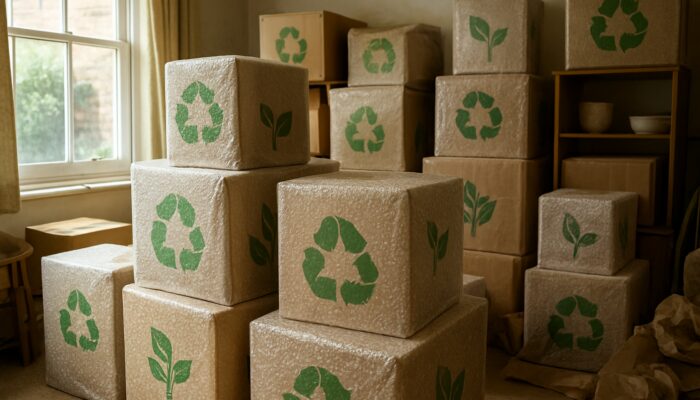
In the United Kingdom, households have access to a diverse range of sustainable packing materials that significantly contribute to reducing waste during house clearance activities. Among the most popular choices are recycled cardboard and biodegradable bubble wrap, which not only serve to minimise the environmental impact but also comply with local regulations concerning proper disposal and recycling. The increasing awareness of sustainability among British households is evident in the growing preference for recycled paper and other environmentally-friendly products during packing processes. Local businesses play a pivotal role by supplying these eco-friendly materials, thus fostering a circular economy and curtailing dependence on virgin resources.
The practical advantages of using such materials are becoming apparent, as many families in the UK experience tangible benefits. A remarkable example is a family from Bristol that transitioned entirely to reusable packing options, resulting in a dramatic decrease in their waste output during their recent house clearance. Their experience illustrates the effectiveness of utilising local sustainable materials, which not only alleviates pressure on landfill sites but also promotes a lifestyle that prioritises environmental responsibility.
How Can You Responsibly Choose Packing Supplies?
To make informed decisions about packing supplies, British consumers should prioritise products that are certified as eco-friendly. Opting for materials sourced from UK suppliers that meet stringent sustainability criteria aids in minimising environmental harm. When selecting packing materials, it is essential to focus on attributes such as reusability, biodegradability, and a low carbon footprint, in alignment with national guidelines advocating responsible consumption. This method not only aligns with environmental objectives but often leads to superior quality packing solutions.
When sourcing packing supplies, consider exploring local retailers or online marketplaces that specialise in sustainable options. Many of these suppliers demonstrate a commitment to transparency in their sourcing and manufacturing processes, providing consumers with confidence in their choices. Furthermore, selecting products with minimal packaging further reduces waste, aligning with the eco-friendly values that many British households aspire to uphold.
What Are the Advantages of Utilising Local Resources?
Utilising locally sourced materials for house clearance in the UK not only benefits the environment but also supports community economies. By choosing items like newspapers sourced from British recyclers or natural fibres, households can significantly reduce the transport emissions associated with packing supplies. This practice complements domestic sustainability initiatives, contributing to a greener economy while bolstering local businesses.
In addition, leveraging local resources cultivates a sense of community and encourages collaborative sustainability efforts. When individuals and families opt to support local suppliers, they play a vital role in nurturing a resilient local economy. For instance, a community in Yorkshire successfully adopted local packing materials for group clearances, leading to cost savings and reduced environmental impact. This initiative not only highlights the advantages of sourcing locally but also illustrates the positive ripple effect that eco-friendly practices can have on the broader community.
What Innovations Are Emerging in Eco-Friendly Packing Materials?
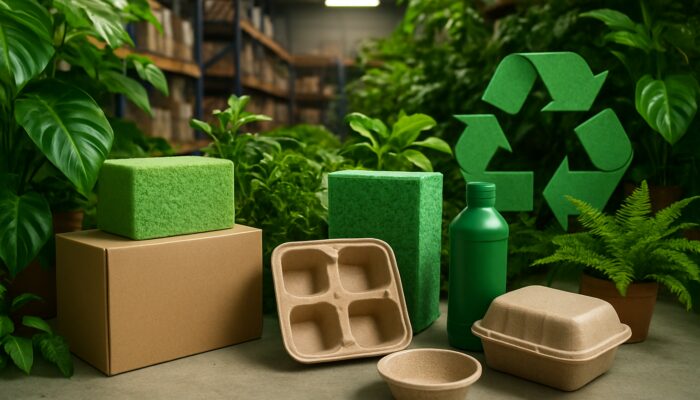
Innovative advancements in eco-friendly packing materials are on the rise in the UK, offering sustainable alternatives for households. Companies like Ecopack UK are at the forefront, providing products made from plant-based foams and recycled plastics. These developments are critical to minimising landfill waste while supporting biodiversity, aligning with government-backed green initiatives aimed at enhancing environmental sustainability.
The emergence of these innovative materials signifies a substantial shift within the packing industry, as numerous firms now prioritise the creation of products that are both functional and environmentally responsible. For example, plant-based foams are biodegradable and provide robust packing solutions without exacerbating plastic pollution. As a result, these materials are becoming increasingly favoured by eco-conscious consumers who value their dual benefits: safeguarding items during transport while ensuring minimal environmental impact.
How Does Eco-Friendly Packing Contribute to Waste Reduction?
Embracing eco-friendly packing options can lead to significant waste reduction for households across the UK. Research indicates that families implementing reusable packing strategies, as advocated by the Waste and Resources Action Programme (WRAP), can decrease their waste output by as much as 50%. This remarkable reduction is in line with national objectives for a circular economy, which aims to minimise the environmental damage caused by waste.
Beyond individual households, the impacts of eco-friendly packing resonate at the community level. When neighbourhoods collectively adopt sustainable practices, the cumulative effects can yield substantial improvements in local waste management. For example, a community in London initiated a shared packing initiative, where residents exchange packing materials for their house clearances, fostering a culture of reuse and collaboration. This initiative not only diminishes waste but also strengthens community ties, illustrating the transformative power of eco-friendly practices in promoting positive change.
Insights from Experts on Eco-Friendly Packing for House Clearance
What Are the Key Principles Shared by UK Specialists?

Experts in the UK stress the importance of prioritising minimal packaging and engaging in recycling schemes. This approach significantly mitigates contributions to landfills and adheres to British standards. To implement these principles effectively, householders are encouraged to take actionable steps, such as evaluating their packing needs and selecting materials that can be reused multiple times. By minimising excess packaging, families can more closely align their practices with national sustainability objectives.
A notable case study involves a family in Manchester that meticulously organised their belongings prior to packing for a house clearance. This simple yet effective strategy ensured minimal packaging use while maximising the potential for reusing materials. Such practices underscore the significance of thoughtful planning in achieving eco-friendly packing goals. Additionally, household waste audits conducted by local councils further reinforce this approach, providing residents with insights into their waste generation patterns and encouraging more sustainable habits.
How Can You Effectively Integrate National Guidelines?
To achieve effective outcomes in eco-friendly packing, it is essential to incorporate UK environmental policies into regular packing routines. Adhering to local waste management rules not only strengthens compliance but also enhances community efforts to minimise waste. Households can refer to resources provided by local authorities, which outline best practices for packing and disposal.
A practical approach is to adopt guidelines from organisations like WRAP, which offer clear instructions on recycling and waste management. For instance, households can participate in local recycling initiatives that advocate for the proper disposal of packing materials. Additionally, staying informed about changes to national policies can help residents adjust their packing strategies accordingly, ensuring alignment with evolving sustainability targets and regulations.
What Are the Long-Term Benefits of Eco-Friendly Packing for British Homes?
Experts indicate that implementing eco-friendly packing methods can yield significant long-term benefits for British homes, particularly concerning cost savings and increased property values. Research from various domestic studies suggests that households consistently practising sustainable methods often enjoy lower operational costs due to reduced waste disposal fees and resource conservation.
For instance, eco-conscious developments in cities like Bristol show that properties featuring sustainable attributes—including eco-friendly packing methods—tend to attract higher market values. This trend not only emphasises the financial advantages of sustainable living but also highlights the growing consumer preference for environmentally-friendly homes. By prioritising eco-friendly packing, homeowners contribute to environmental sustainability while positioning themselves favourably within the property market.
What Environmental Benefits Can Eco-Friendly Packing Provide?
What Environmental Gains Can UK Residents Anticipate?
Residents in the United Kingdom can expect considerable environmental benefits by decreasing their reliance on plastic for packing. The transition to eco-friendly materials significantly helps to lower pollution levels in local waterways, supporting national conservation goals and aiding biodiversity. This proactive stance aligns with the broader mission of nurturing a cleaner, healthier environment for future generations.
Furthermore, by adopting sustainable packing materials, households can play a pivotal role in addressing the pervasive issue of plastic waste. Local initiatives focused on reducing plastic consumption further enhance these efforts, creating a collective impact that reverberates throughout communities. For example, neighbourhoods in Scotland have initiated plastic-free campaigns encouraging residents to embrace biodegradable packing options, exemplifying the effectiveness of grassroots efforts in cultivating environmental awareness and action.
How Does Community Involvement Enhance Sustainability in the UK?
Community involvement is vital for amplifying the advantages of eco-friendly packing practices across the UK. Local initiatives, such as recycling drives and educational workshops, foster a culture of sustainability that extends beyond individual households. By participating in these activities, British communities can collectively contribute to a shared objective of reducing waste and promoting responsible consumption.
For instance, a community in Brighton established a monthly packing swap event, allowing residents to exchange reusable packing materials and share tips on sustainable practices. This not only encourages resource sharing but also strengthens community bonds as neighbours collaborate towards a common goal. Such initiatives are crucial for mainstreaming eco-friendly behaviours, creating a ripple effect that motivates others to adopt similar practices.
How Can UK Residents Measure Success in Eco-Friendly Packing?
Monitoring waste reduction success is essential for UK residents committed to eco-friendly packing. Tools such as household audits can facilitate tracking waste generation and pinpointing areas for improvement, providing concrete evidence of environmental progress. Regular assessments empower families to refine their strategies and enhance their sustainability efforts over time.
Key environmental metrics for tracking progress include:
- Reduction in the volume of waste sent to landfill
- Increased participation in recycling programmes
- Decreased plastic consumption in packing
- Higher rates of community engagement in sustainability initiatives
By concentrating on these metrics, households can quantify their impact and inspire further action, reinforcing their commitment to eco-friendly practices.
How Can Reduced Emissions Impact Climate Change?
In the United Kingdom, adopting eco-friendly packing practices plays a significant role in minimising carbon emissions. By using biodegradable materials, households can effectively assist in combating climate change and support the government’s ambitious net-zero targets by 2050. This practice not only aids in reducing greenhouse gases but also cultivates a more resilient environment for communities.
Moreover, the shift to sustainable packing options can have widespread implications for climate-related initiatives. For example, by selecting local materials that reduce transport emissions, households can further lower their overall carbon footprint. Such actions reflect an increasing understanding of the interconnectedness between individual behaviours and global environmental challenges, underscoring the importance of collective efforts in tackling climate change.
How Does Eco-Friendly Packing Enhance Biodiversity?
Eco-friendly packing practices in the UK significantly contribute to preserving biodiversity by markedly reducing harmful waste, particularly plastics that contaminate natural habitats. By minimising environmental pollution, households align their practices with national strategies focused on protecting wildlife and ecosystems.
The commitment to utilising eco-friendly materials not only fosters healthier natural spaces but also encourages species recovery initiatives throughout the country. For instance, community-led efforts aimed at cleaning up local rivers have gained traction, with residents adopting sustainable packing solutions to mitigate their environmental impact. This proactive approach nurtures a deeper connection between individuals and their local ecosystems, reinforcing the notion that sustainable choices yield tangible benefits for both wildlife and human communities.
Which Materials Are Best for Sustainable Packing in the UK?
What Common Eco-Friendly Options Are Available Locally?
In the United Kingdom, a plethora of eco-friendly packing materials are accessible to assist in waste reduction efforts. Popular options include jute bags and paper-based wraps, renowned for their durability and recyclability. These materials not only provide practical packing solutions but also align with the increasing demand for sustainable products among British consumers.
Moreover, local markets often showcase alternative packing options such as biodegradable packing peanuts and reusable fabric wraps. These items contribute to diminishing plastic waste and foster a culture of sustainability within communities. For example, numerous shops in London have begun to stock eco-friendly packing supplies, making it more convenient for residents to select sustainable materials for their house clearances.
Additionally, the shift towards eco-friendly packing materials has spurred innovation among local suppliers, resulting in an expanding array of products tailored to environmentally-conscious consumers. By supporting local businesses prioritising sustainable practices, households can further solidify their commitment to reducing waste while benefiting the local economy.
How Can You Source Packing Materials from UK Providers?
UK residents can easily source sustainable packing materials from local retailers, ensuring their choices align with ethical production standards. Many shops offer a broad selection of eco-friendly options, ranging from recycled cardboard boxes to biodegradable bubble wrap, making it convenient for households to find appropriate packing supplies.
When seeking sustainable packing materials, consumers should favour UK-based suppliers that prioritise transparency in their sourcing and manufacturing processes. Online platforms also provide access to a diverse range of eco-friendly products, often featuring detailed information about their sustainability credentials. By supporting domestic retailers, households not only contribute to the local economy but also help reduce the carbon footprint associated with transporting goods.
Furthermore, networking within the community can lead to discovering local resources, such as cooperative buying groups that negotiate bulk purchases of eco-friendly materials. This approach not only helps households save money but also nurtures a sense of community around shared sustainability goals, reinforcing the importance of collective action in promoting eco-friendly practices.
What Storage Tips Can Extend the Longevity of Packing Materials in British Homes?
Proper storage of eco-friendly packing materials is crucial for maximising their lifespan, particularly given the varied climates present in the UK. To prevent material degradation, households should adhere to several essential storage guidelines. For example, keeping materials in a cool, dry environment away from direct sunlight can help maintain their integrity over time.
Additionally, organising materials in easily accessible containers ensures they remain in good condition for future use. Using clear bins or labelled boxes allows residents to quickly identify packing supplies without sifting through clutter, facilitating efficient reuse. By implementing these best practices, households can prolong the life of their eco-friendly packing materials while reducing the need for constant replacements.
Moreover, residents should regularly inspect stored materials for signs of wear or damage, ensuring their suitability for reuse. Taking these proactive measures not only enhances the longevity of packing supplies but also reinforces the overall commitment to sustainable living within British homes.
What Are the Best Practices for Efficient House Clearance?
How Can You Plan an Efficient Packing Process?
Planning an efficient packing process is vital for ensuring a smooth house clearance while adhering to eco-friendly standards. In the United Kingdom, homeowners are encouraged to organise their items by category before packing, which helps to minimise the use of excess materials. This strategy streamlines the packing process and significantly reduces waste.
A practical approach involves creating a detailed inventory of items to be packed, allowing residents to assess which materials are necessary for each category. For instance, fragile items may require more careful packing with protective materials, while sturdier goods can be packed with less cushioning. By aligning packing strategies with the specific needs of each item, households can optimise their use of packing supplies and contribute to waste reduction.
Moreover, engaging family members in the packing process fosters collaboration and ensures everyone is aligned with the eco-friendly goals of the clearance. By discussing best practices and embracing a shared commitment to sustainability, families can create a supportive environment that reinforces the importance of responsible packing.
How Can You Identify Reusable Items in UK Settings?
In the context of eco-friendly packing, identifying reusable items within the home is a key practice for reducing overall consumption. British households can benefit from focusing on multipurpose packing solutions that align with local recycling programmes. For example, items like old blankets or towels can serve as excellent protective materials during packing, promoting reuse while minimising waste.
Additionally, assessing common household items that are no longer needed can lead to creative repurposing opportunities. Cardboard boxes from previous deliveries can be reused for packing, while sturdy containers can double as storage for packed items. By adopting a mindset of resourcefulness, households can significantly decrease their reliance on new packing materials, aligning their practices with eco-friendly principles.
Furthermore, participating in local community initiatives that promote the sharing or swapping of packing materials can enhance the reuse culture. By connecting with neighbours to exchange items that can be repurposed, households contribute to a collective effort towards sustainability, reinforcing the importance of community involvement in eco-friendly practices.
How Can You Overcome Common Challenges During House Clearances?
British homeowners frequently encounter challenges related to space constraints during house clearances, making it essential to adopt compact, eco-friendly methods. By employing efficient packing techniques, families can ensure smooth clearances while adhering to sustainable practices. For example, adopting a method of folding or nesting items can maximise space and minimise the number of packing materials required.
Moreover, homeowners should prioritise planning to tackle logistical challenges. Allocating dedicated time for packing and enlisting the help of family or friends can alleviate stress and create a more manageable process. This collaborative effort not only enhances efficiency but also cultivates a sense of community and shared responsibility towards achieving eco-friendly goals.
Additionally, maintaining flexibility during the packing process can help overcome unexpected obstacles. For example, if certain items require special handling, being open to alternative packing methods can yield innovative solutions. By retaining a positive attitude and remaining adaptable, households can navigate the challenges of house clearance while reinforcing their commitment to sustainability.
Research-Backed Benefits of Eco-Friendly Packing
What Evidence Do UK Studies Provide on Effectiveness?
Research conducted in the United Kingdom consistently demonstrates that sustainable packing practices lead to a noticeable reduction in carbon footprints. Data from national reports underscore long-term savings associated with eco-friendly packing, highlighting the financial and environmental advantages of adopting these methods. Households that utilise reusable materials typically experience smaller waste outputs and lower disposal costs.
Expert analysis of recent British findings unveils compelling evidence supporting the efficacy of eco-friendly packing strategies. For instance, studies indicate that families practising sustainable packing not only contribute to environmental preservation but also enjoy improved financial outcomes. By minimising waste and leveraging reusable materials, these households set a positive example for others to emulate, illustrating the tangible benefits of eco-friendly practices.
Moreover, the heightened awareness and potential for innovation within the eco-friendly packing sector are driving further advancements. As more households recognise the value of sustainable practices, they contribute to a larger movement advocating for environmental responsibility and resource conservation throughout the UK.
What Health Advantages Can Eco-Friendly Packing Offer UK Households?
Embracing eco-friendly packing approaches presents significant health benefits for households in the UK. By minimising exposure to harmful chemicals found in conventional packing materials, families can enhance indoor air quality and promote overall wellbeing. Many eco-friendly products prioritise non-toxic materials, creating a safer environment for residents, particularly children and pets.
Furthermore, the shift towards sustainable packing not only benefits physical health but also nurtures mental wellbeing. Engaging in eco-friendly practices can strengthen feelings of community connection and personal satisfaction, positively impacting mental health. Residents frequently report a sense of fulfillment when actively participating in sustainability efforts, reinforcing the idea that responsible packing choices lead to holistic benefits.
Additionally, adopting eco-friendly packing methods aligns with broader public health initiatives aimed at reducing pollution and safeguarding the environment. By making sustainable choices, households contribute to cleaner air and healthier ecosystems, ultimately benefitting community health as a whole.
What Economic Savings Can Be Realised in Local Contexts?
Opting for reusable materials in packing can yield substantial economic savings for households in the United Kingdom. Evidence from British economic analyses reveals that families prioritising sustainable packing practices typically experience lower overall costs over time. By minimising the need for frequent purchases of single-use materials, households can allocate funds towards more impactful investments.
Moreover, many local councils offer incentives for residents participating in sustainable practices, further enhancing the potential for economic savings. For example, rebate programmes for recycling or discounts on waste disposal fees can provide financial benefits for households committed to eco-friendly packing.
Experts recommend several cost-saving strategies for UK residents looking to maximise their economic efficiency while embracing sustainable practices:
- Utilise reusable packing materials whenever possible
- Participate in community recycling initiatives for potential savings
- Take advantage of local government incentives
- Conduct regular audits to identify unnecessary purchases
By implementing these strategies, households can not only reduce their environmental impact but also enhance their financial wellbeing.
What Is the Environmental Impact on UK Ecosystems?
Studies conducted in the United Kingdom emphasise the critical role of eco-friendly packing in minimising pollution and protecting biodiversity within local ecosystems. Research from various British environmental bodies reveals that sustainable practices effectively diminish the presence of harmful materials in natural habitats, supporting ecosystem health and resource conservation.
By prioritising eco-friendly packing materials, households contribute to broader efforts focused on preserving biodiversity and enhancing the resilience of local environments. This commitment to sustainability aligns with the goals of numerous conservation initiatives across the UK, which strive to protect wildlife and restore natural habitats.
Analysts stress that the long-term ecological benefits of eco-friendly packing extend beyond individual households, impacting entire communities and ecosystems. As more residents adopt sustainable practices, the collective effect fosters a healthier environment, paving the way for future generations to thrive.
Why Should You Choose Reusable Options for Packing?
What Makes Reusable Materials Ideal in the UK?
In the United Kingdom, reusable packing options are increasingly recognised as optimal for promoting resource conservation and supporting sustainability initiatives. These materials align seamlessly with national efforts towards circular economies and waste minimisation, encouraging households to adopt responsible practices that lessen their environmental impact.
The practical advantages of reusables extend beyond environmental considerations. For example, items such as fabric wraps or plastic storage containers can be used multiple times, reducing the necessity for frequent repurchases of single-use alternatives. This approach not only minimises waste but also contributes to long-term savings for households.
Moreover, the growing awareness of environmental issues among UK consumers has spurred demand for reusable solutions. Many local retailers now offer a diverse selection of reusable packing materials, simplifying the process for residents to make sustainable choices. By supporting these initiatives, households can align their packing practices with broader environmental goals, encouraging a culture of sustainability within their communities.
How Do Reusable Options Compare to Single-Use Alternatives in Longevity?
Durable items such as cloth covers and sturdy containers in British homes significantly outperform disposable alternatives, primarily due to their longevity. By opting for reusable packing solutions, households can reduce the frequency of replacements, thereby supporting more sustainable practices and lowering waste outputs.
The resilience of reusable materials is a key factor in their effectiveness. Products such as canvas bags and corrugated cardboard boxes are designed for repeated use, making them ideal for packing during house clearances. Their durability translates to fewer purchases over time and ultimately fosters a more sustainable lifestyle.
Additionally, the long-term advantages of using reusables extend to environmental considerations, as fewer resources are consumed in manufacturing new materials. By consciously selecting reusable options, households can play an active role in conserving natural resources and promoting ecological balance within their communities.
How Can Reusable Packing Be Integrated into Daily UK Routines?
Incorporating reusable packing options into daily routines is seamless for many British households, simplifying house clearance processes while aligning with eco-friendly practices. The convenience of reusables promotes habitual eco-friendly choices, allowing families to embrace sustainability as a core aspect of their lifestyle.
For instance, using reusable bags and containers for packing not only reduces waste but also encourages families to critically assess their consumption patterns. As households integrate reusables into their packing habits, they cultivate a culture of sustainability that can positively influence surrounding communities.
Moreover, raising awareness about the benefits of reusables can motivate others to follow suit. Simple actions, such as sharing personal experiences or participating in local initiatives centred on sustainable packing, can inspire broader adoption of eco-friendly practices. By fostering a community of conscious consumers, households can collectively contribute to a more sustainable future.
What Common Mistakes Should Be Avoided?
How Can You Avoid Overlooking Proper Disposal Methods?
In the United Kingdom, neglecting to adhere to local recycling protocols can undermine eco-friendly packing efforts, resulting in increased environmental harm. Households must remain vigilant in following disposal guidelines for packing materials, ensuring responsible disposal to minimise their ecological footprint.
Common mistakes include placing non-recyclable items in recycling bins or failing to separate materials appropriately. To avoid these pitfalls, residents should familiarise themselves with local recycling regulations and make a concerted effort to educate family members on proper disposal practices. By prioritising education and awareness, households can ensure that eco-friendly practices extend beyond packing, fostering a culture of sustainability throughout their community.
Additionally, engaging with local authorities or community groups can provide valuable information about recycling initiatives and disposal guidelines. By staying informed, families can enhance their commitment to eco-friendly practices and positively impact their local environment.
What Strategies Can Help Avoid Excessive Material Use?
British residents should carefully assess their packing needs to prevent excessive material use, focusing on precise quantities that align with sustainable practices. Overpacking not only generates unnecessary waste but also detracts from the overall goal of eco-friendly packing.
To circumvent this common mistake, households can implement strategies such as inventory assessments and meticulous planning. By categorising items and determining the appropriate packing materials required for each, residents can ensure they use only what is necessary. This thoughtful approach not only reduces waste but also promotes a more efficient packing process.
Moreover, nurturing a culture of mindfulness around consumption can help families recognise the importance of making informed choices regarding packing materials. By initiating conversations about sustainability and resource conservation, households can collectively reinforce their commitment to eco-friendly practices.
How Can You Correct Storage Errors at Home?
Improper storage techniques can lead to damage or degradation of eco-friendly packing materials, particularly under the varied climates of the UK. Therefore, regular maintenance and proper organisation are vital for preserving these materials for future use.
Common storage errors include placing packing materials in damp or humid conditions, which can compromise their integrity. To mitigate this risk, households should ensure that materials are stored in cool, dry spaces away from direct sunlight. Regularly inspecting stored items for signs of wear or damage can also help maintain their usability.
Avoiding mistakes in storage practices is essential for maximising the lifespan of eco-friendly materials. Households should prioritise proper organisation, using labelled bins or containers to keep packing supplies easily accessible and in good condition. By implementing these best practices, families can extend the life of their eco-friendly packing materials and reinforce their commitment to sustainability.
- Store materials in a cool, dry place to prevent degradation
- Regularly inspect stored items for damage
- Use labelled containers for easy access
- Keep materials away from direct sunlight
How Can You Avoid Neglecting Energy-Efficient Practices?
In the United Kingdom, overlooking energy-saving methods for eco-products can significantly increase carbon footprints. British residents should adopt efficient habits, such as optimising appliance use and reducing energy consumption during packing processes, to enhance sustainability.
Households can implement a variety of energy-saving practices, including using energy-efficient lighting during packing, minimising the use of electronic devices, and turning off appliances when not in use. These straightforward adjustments can result in substantial energy savings, aligning household routines with broader sustainability objectives.
Moreover, adopting energy-efficient packing methods is not only beneficial for the environment but also translates into cost savings over time. By being mindful of energy consumption, families can lower utility bills while contributing positively to climate change mitigation efforts.
How Can You Engage with Community Recycling Initiatives?
In Britain, failing to participate in local community recycling programmes can hinder collective efforts against waste. Individuals must actively engage in neighbourhood schemes to foster broader environmental awareness and effective resource management.
By getting involved in local initiatives, residents can strengthen community ties while contributing to sustainability goals. Participating in community recycling events, workshops, or clean-up days can provide valuable opportunities for education and connection with like-minded individuals.
Furthermore, sharing knowledge about eco-friendly packing practices within the community can inspire others to adopt similar behaviours. By collaborating with neighbours and local organisations, households can amplify their impact on waste reduction efforts, showcasing the power of community engagement in promoting eco-friendly practices.
What Strategies Can You Implement for Eco-Friendly Practices at Home?
What Initial Steps Should UK Households Take?
To effectively implement eco-friendly strategies, UK households should start with a straightforward audit of their packing needs. By evaluating the types and quantities of items requiring packing, families can gain a clear understanding of the materials necessary for their house clearance. This initial assessment lays the groundwork for sustainable practices.
Households can also consider establishing a dedicated space for eco-friendly packing materials, ensuring easy access and visibility. By creating a designated packing area, families can streamline their packing processes while fostering a culture of sustainability. This space serves as a reminder of their commitment to eco-friendly practices.
Moreover, engaging family members in discussions about sustainability can cultivate a collective responsibility towards adopting eco-friendly strategies. Encouraging open dialogue about the importance of reducing waste and utilising eco-friendly materials can inspire everyone in the household to actively engage in the packing process.
How Can You Monitor and Adjust Your Approaches?
Regularly reviewing and adjusting eco-friendly packing approaches is crucial for maintaining ongoing sustainability in British households. By tracking waste generation and evaluating the effectiveness of current strategies, families can identify areas for improvement and refine their practices.
Conducting periodic audits of packing materials and waste outputs allows households to stay informed about their environmental impact. Additionally, families should remain open to adopting new practices and materials as they become available, ensuring that their sustainability efforts remain relevant and effective.
Moreover, sharing successes and challenges within the community can provide valuable insights for others. By encouraging collaboration and knowledge exchange, households can collectively enhance their eco-friendly packing strategies while reinforcing the importance of sustainable living.
How Can You Share Your Successes Within Communities?
Encouraging local sharing of eco-friendly tips and practices can inspire wider adoption within the community. British households can take an active role in promoting sustainability by hosting workshops or informal gatherings where they share their experiences with eco-friendly packing.
These community events foster a supportive atmosphere where residents can exchange ideas and learn from one another’s successes. For instance, neighbourhood groups can organise packing supply swaps, allowing members to share resources while reinforcing a culture of sustainability.
Moreover, utilising social media platforms to raise awareness about eco-friendly practices can amplify the message and reach a broader audience. By sharing personal stories and tips, households can motivate others to embrace sustainable behaviours, creating a ripple effect that promotes environmental responsibility throughout the community.
FAQs
What Materials Are Most Suitable for Eco-Friendly Packing?
The most suitable materials for eco-friendly packing include recycled cardboard, biodegradable bubble wrap, and natural fibres like jute. These options are sustainable and readily available in the UK.
How Can I Locate Eco-Friendly Packing Supplies Close to Me?
You can locate eco-friendly packing supplies at local retailers, online shops, or community co-ops. Seek out suppliers that provide certified sustainable products for your house clearance needs.
Can Eco-Friendly Packing Truly Reduce Waste?
Absolutely, eco-friendly packing can considerably reduce waste. By using reusable materials and sustainable options, households can significantly decrease their waste output and contribute to a circular economy.
What Financial Advantages Does Eco-Friendly Packing Offer?
Implementing eco-friendly packing practices can lead to long-term financial savings by lowering the need for frequent purchases of disposable materials and reducing waste disposal expenses.
How Does Community Involvement Affect Sustainability?
Community involvement enhances sustainability efforts by fostering collaboration, sharing resources, and promoting eco-friendly practices. Neighbourhood initiatives can amplify the impact of individual actions.
Are There Health Benefits to Using Sustainable Packing Materials?
Yes, using sustainable packing materials can improve indoor air quality by reducing exposure to harmful chemicals found in conventional materials, contributing to overall household health.
What Role Do Local Councils Play in Promoting Eco-Friendly Packing?
Local councils often provide resources, guidelines, and incentives for eco-friendly practices, encouraging residents to adopt sustainable packing methods and participate in recycling initiatives.
How Can I Motivate Others to Embrace Eco-Friendly Packing?
You can motivate others by sharing your experiences and tips within your community, promoting local events focused on sustainability, and participating in social media discussions centred on eco-friendly practices.
What Common Mistakes Should Be Avoided When Packing Sustainably?
Common mistakes include using excessive materials, neglecting proper disposal methods, and failing to engage with community recycling initiatives. Awareness and planning can help mitigate these issues.
What Cost-Saving Strategies Exist for Eco-Friendly Packing?
Cost-saving strategies encompass using reusable materials, participating in community initiatives, taking advantage of local government incentives, and conducting regular audits to minimise unnecessary purchases.