Effective Spring Donation Strategies for House Clearance in Britain
Supporting Local Shelters by Donating Furniture

Evaluating household items such as sofas and tables enables British families to make a meaningful impact by supporting local shelters during the spring season. By donating to organisations like the British Red Cross, you ensure that essential goods are provided to those in need throughout various communities. This act of generosity not only assists individuals facing hardships but also creates much-needed space in your home.
Local shelters frequently experience a shortage of furniture, particularly in spring when many individuals and families are moving into new residences. By donating well-maintained items, you can significantly enhance someone else’s life while fostering a more sustainable community.
Responsible Clothing Donations for Those in Need
Carefully sorting through your wearable garments ensures that they reach suitable British charities that provide warmth and dignity to vulnerable individuals across the United Kingdom. Numerous charities, including Barnardo’s and Scope, focus specifically on clothing donations, facilitating the process for donors who wish to know where their items will be utilised.
During seasonal transitions, lightweight clothing becomes particularly valuable. By donating garments you no longer wear, you can assist those who may struggle to afford new clothes. This benevolent gesture not only aids recipients but also fosters a culture of sharing and sustainability within your community.
What Factors Should You Consider Before Donating Books?
Assessing the condition of your books is crucial to determining their suitability for donation to UK libraries or schools that support literacy initiatives. Many libraries and educational institutions welcome donations, especially when the books are in good condition and relevant to current reading lists.
Consider the genre and age-appropriateness of the books you intend to donate. Children’s books, educational materials, and popular fiction are often in high demand. By ensuring your donations are appropriate, you can help cultivate a love of reading in others and effectively support local literacy efforts.
In-Depth Insights on Spring Donation Strategies for House Clearance

Spotting Valuable Items for Reuse
Include real-world insights from British clearance experts who can advise you on identifying antiques that may benefit heritage trusts. Items such as vintage furniture or collectibles can often achieve a good price at auction or be donated to museums, contributing to the preservation of local history.
Consulting with professionals in the clearance industry can provide valuable information on which items are deemed valuable. This knowledge not only enhances your decluttering efforts but also ensures that significant items are preserved and appreciated by future generations.
Collaborating with Established UK Charities for Efficient Donations
Reaching out to organisations like Oxfam can streamline the logistics of your donations during spring clearances. These charities typically have established networks for collecting and distributing goods, making the process easier for donors. They can offer guidance on the most needed items and how to prepare them for donation.
By collaborating with established charities, you benefit from their expertise in managing donations. They can assist with collection services and provide tax relief documentation, ensuring that your contribution is impactful and beneficial for you as a donor.
Accurately Assessing Item Conditions for Donation
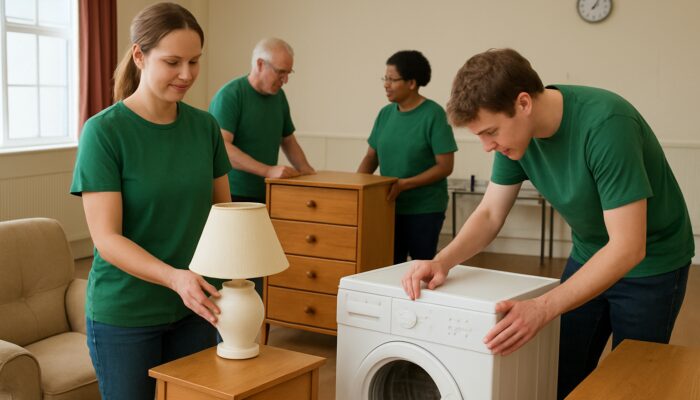
Expert analysis on evaluating household goods can maximise their usefulness for British community projects. Items should be clean, functional, and free from damage to guarantee they can be effectively used by those in need. This assessment helps minimise waste and promotes responsible giving.
Consider consulting with local charities about their specific donation requirements. Some organisations may have particular guidelines regarding the condition of items, which can help you make informed decisions about what to donate and ensure your contributions are genuinely beneficial.
Which Charities Should You Consider Supporting This Spring?
Contributing to Furniture Banks Nationwide
Engaging with British furniture reuse schemes assists families in clearing space while providing essential items to those establishing new homes. Furniture banks like the Furniture Re-use Network offer vital support to individuals and families transitioning from homelessness to stable housing.
By donating furniture, you not only help those in need but also contribute to a circular economy, reducing waste. Many furniture banks provide collection services, simplifying the process of donating larger items without the hassle of transport.
Supporting Food Bank Initiatives with Essential Kitchenware
Donating non-perishable kitchen items complements the efforts of UK food banks that assist households experiencing shortages during the spring months. Food banks often require more than just food; items such as pots, pans, and utensils are essential for families trying to create a stable home environment.
Your contributions to food bank initiatives help ensure that families have the necessary tools to prepare meals. This support can significantly enhance their daily lives, promoting health and wellbeing within communities across the UK.
Donating Garden Tools to Enhance Community Projects
Providing garden tools to community projects can significantly support environmental groups in Britain that advocate for urban greening through tool redistribution. Many community gardens and green spaces rely on donations to maintain and enhance their areas, promoting community spirit and environmental awareness.
- Encourages sustainable gardening practices.
- Boosts community involvement in green initiatives.
- Supports biodiversity through improved local habitats.
- Offers educational opportunities for local schools.
By donating tools, you not only contribute to the beautification of your community but also play a role in environmental education and awareness. This act can inspire others to engage in gardening and conservation efforts.
Participating in Spring Clothing Collection Drives
British charities organise seasonal appeals in spring to collect lightweight clothing for vulnerable individuals. Assisting organisations like Shelter in providing essentials as the weather warms ensures that those in temporary housing have access to suitable attire during transitional seasons.
Joining clothing drives can be as straightforward as sorting through your wardrobe and donating items you no longer wear. This not only declutters your space but also provides much-needed support to those facing challenges, reinforcing a sense of community and care.
Funding Wildlife Conservation Initiatives
UK organisations focused on nature protection benefit from spring donations that support habitat restoration projects. Many groups rely on public donations to fund initiatives aimed at preserving local wildlife and ecosystems, which are particularly active during the spring months.
Your contributions to these causes help ensure the continuation of crucial conservation efforts. This support enables volunteers to engage in projects that benefit biodiversity, such as bird nesting and pollinator initiatives, which are essential for maintaining healthy ecosystems.
Research-Backed Advantages of Spring Donation Strategies for House Clearance
Effectively Reducing Household Waste
Research from British environmental agencies emphasises how donations can significantly decrease landfill contributions and promote circular economy practices. By donating unwanted items, households can substantially reduce their waste footprint, contributing to a more sustainable future.
Participating in donation initiatives not only benefits the environment but also fosters a culture of reuse and recycling. This shift in perspective can lead to broader changes in community behaviour, nurturing a more environmentally conscious society.
Improving Community Welfare Outcomes
Studies indicate that donations to UK charities enhance access to essentials for disadvantaged groups during seasonal transitions. By donating items in spring, you help ensure that those in need have access to appropriate resources as they move into warmer weather.
This support can lead to better health and wellbeing outcomes for vulnerable populations. Charitable donations play a vital role in strengthening community ties and enhancing the overall quality of life for those facing difficulties.
Boosting Mental Health Through Decluttering
Evidence from UK wellbeing reports links organised clearances to reduced stress levels for homeowners. The act of decluttering not only creates physical space but also fosters a sense of mental clarity and peace, making it an ideal time to donate items no longer required.
Engaging in this process can lead to a more organised living environment, which has been shown to have a positive impact on mental health. By donating, you not only benefit yourself but also support others, creating a mutually beneficial scenario for everyone involved.
Enhancing Charity Resource Management
Recent studies from UK philanthropic organisations illustrate that spring donations from house clearances strengthen charity operations. These contributions enhance resource allocation and support vulnerable populations effectively throughout changing seasons and economic challenges.
By understanding the impact of your donations, you can feel more connected to the causes you support. This connection can inspire further involvement and encourage others to consider how they can contribute to their communities.
How Can You Organise a Successful Donation for House Clearance?
Scheduling Collection Services with Local Organisations
Coordinating with British pickup services guarantees the efficient removal of items while adhering to regional guidelines. Many charities offer scheduled collections, simplifying the process for donors to arrange pickups at their convenience.
Before scheduling, consult with local authorities regarding any specific regulations related to donations. This proactive approach can help avoid potential complications and ensure a smooth donation experience, benefiting both you and the charities involved.
Preparing Documentation for Tax Relief Benefits
Understanding HMRC regulations enables donors to claim benefits when supporting registered UK charities through spring clearances. Maintaining accurate records of your donations can help you take advantage of tax relief opportunities, amplifying the impact of your contributions.
Consider consulting with a tax professional to ensure you are maximising your potential benefits. This knowledge can motivate more individuals to donate, knowing that their generosity may also yield financial advantages.
What are the Essential Steps for Safe Item Transport?
Adhering to guidelines from clearance professionals minimises risks and ensures that donations arrive intact at British recipient organisations. Proper packing, labelling, and transport methods can prevent damage and guarantee that items are delivered safely.
Utilising sturdy boxes and protective materials for fragile items reflects your commitment to supporting the charities and individuals who will benefit from your generosity, while also preserving your donations.
Selecting the Right Charities for Your Donations
By thoughtfully selecting recipient charities throughout Britain, individuals can ensure that cleared items from their homes provide maximum benefit to various community projects. This deliberate approach aligns your donations with the specific needs of local organisations.
Researching the missions and requirements of different charities can assist you in making informed decisions. By choosing the right organisations, you can ensure that your contributions have a meaningful impact on the community and support essential services.
Local Collection Services Available Across the UK
Utilising Council-Supported Donation Schemes
Many British local authorities provide spring collection points that facilitate donations to nearby welfare organisations. These schemes offer convenient drop-off locations for residents to contribute items without the necessity for extensive travel.
Engaging with local councils can also keep you informed about upcoming collection events and initiatives. Establishing this connection simplifies your participation in community efforts and enhances support for local charities.
Engaging Volunteer Driver Networks for Donations
Community transport groups that assist with moving donated goods across UK neighbourhoods offer invaluable support. These volunteer networks often rely on donations to operate and can help streamline the process of getting items to those in need.
- Increases accessibility for individuals without transport.
- Enhances community engagement and volunteerism.
- Reduces the carbon footprint of transportation.
- Facilitates timely delivery of essential items.
By connecting with these networks, you can ensure that your donations reach their intended recipients quickly and efficiently, maximising their impact within the community.
Exploring Charity Shop Drop-Off Points for Donations
Visiting high street locations operated by British charities offers convenient ways to contribute household items directly. Charity shops often welcome donations and can provide immediate assistance to those in need within the community.
These shops not only sell donated items to raise funds for their causes but also serve as valuable resources for individuals seeking affordable goods. By donating to charity shops, you support both the organisation and local shoppers in search of budget-friendly options.
Arranging Scheduled Doorstep Collections
Many charitable organisations provide pre-arranged home pickups for larger household donations across various regions in Britain. This service alleviates the need for individuals to transport items themselves, facilitating broader participation in donation efforts.
Scheduling these collections can boost overall participation rates in recycling initiatives. By simplifying the process, charities can encourage more households to contribute, ultimately benefiting the community at large.
Coordinating with Community Centres for Effective Donations
Several neighbourhood hubs throughout the United Kingdom act as temporary storage and sorting facilities for donated goods before they are distributed to those in need. Often supported by local volunteers, these centres play a crucial role in ensuring that donations are managed efficiently.
By coordinating with community centres, you can streamline the donation process and ensure that items reach their intended recipients promptly. This collaboration fosters a sense of community and underscores the importance of supporting one another during challenging times.
Frequently Asked Questions
What types of items can I donate for house clearance?
You can donate a variety of items, including furniture, clothing, books, kitchenware, and garden tools. Ensure that items are in good condition and suitable for reuse or recycling by the charities you choose to support.
How do I find local charities that accept donations?
Searching online for local charities or consulting with community centres can help you identify organisations that accept donations. Many charities have websites detailing their needs and collection processes.
Can I claim tax relief on my donations?
Yes, you can claim tax relief on donations made to registered charities in the UK. Keep receipts and documentation to support your claims when filing your taxes.
What should I do if my items are not in good condition?
If your items are unsuitable for donation, consider recycling them or taking them to a local waste management facility. Many charities only accept items in good condition to ensure they can be reused effectively.
How can I ensure my donations are used effectively?
Research the charities you plan to donate to and understand their missions. This knowledge will help you select organisations that align with your values and ensure your donations are put to good use.
Are there specific times of year when donations are more needed?
Spring is often a period of heightened demand, especially for clothing and household items. many charities accept donations year-round, making it a good time to contribute at any point.
Can I donate large items like furniture?
Yes, many charities accept large items such as furniture. Some organisations offer collection services, making it convenient for you to donate larger items without the hassle of transport.
What are the benefits of donating instead of selling items?
Donating items can provide immediate assistance to those in need and contributes to community welfare. It can also save you time and effort compared to selling, while potentially offering tax relief benefits.
How can I get involved with local charities beyond donations?
Consider volunteering your time or skills to local charities. Many organisations welcome volunteers for various roles, providing an opportunity to engage more deeply with your community and support important causes.
What if I have questions about the donation process?
If you have questions, reach out directly to the charity you wish to support. Most organisations are happy to provide guidance and information about their donation processes and needs.