Navigating the Legal Landscape of Pet Welfare in the UK
Conducting Thorough Initial Assessments
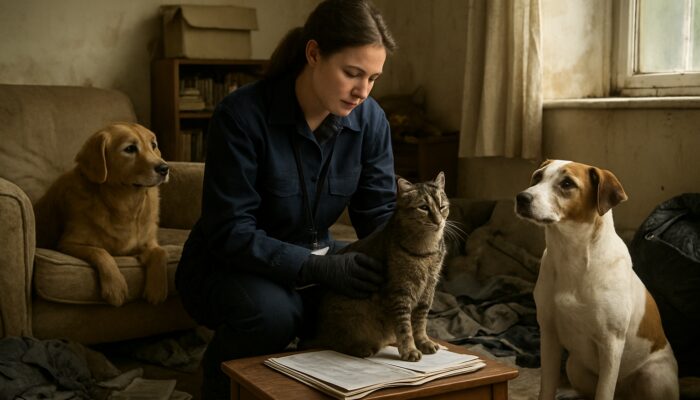
Before beginning the process of clearing a home that houses pets, it is essential to grasp the comprehensive legal framework surrounding animal welfare in the UK. The Animal Welfare Act obligates pet owners to safeguard the health and wellbeing of their animals throughout the clearance process. This necessitates conducting detailed assessments prior to initiating any clearance activities. It is also important to review local council regulations, as these can differ considerably from one region to another.
Effective planning encompasses understanding relevant laws while formulating a strategic approach to managing pets during the clearance. This involves identifying safe spaces for pets and ensuring they are shielded from harmful substances and stressful situations. Collaborating with local authorities can clarify any specific requirements pertinent to your circumstances.
Verifying Licences for Clearance Firms
When engaging a clearance company, it is vital to verify that they possess valid licences to operate in the vicinity of pets. The UK enforces stringent regulations regarding pet handling, and employing an unlicensed firm could result in severe repercussions. Always request verification of their qualifications and assess their reputation through customer reviews or recommendations.
A trustworthy clearance company should be well-versed in the necessary permits and regulations that ensure animal safety during property clearances. This not only protects your pets but also facilitates a smooth process devoid of legal complications. Being diligent in confirming these details can prevent potential issues later on.
Documenting Risks and Safety Measures
Developing a risk documentation plan is a crucial aspect of clearing a home with pets. This plan should delineate each measure taken to guarantee the safety and welfare of your animals. Documenting your actions not only provides reassurance but also serves as proof of compliance with UK regulations.
Include specifics such as the steps taken to secure pets, the types of equipment employed, and any consultations with professionals. This record can be invaluable if complications arise during or after the clearance, demonstrating that responsible measures were implemented to safeguard your pets throughout the process.
Consulting Local Authorities
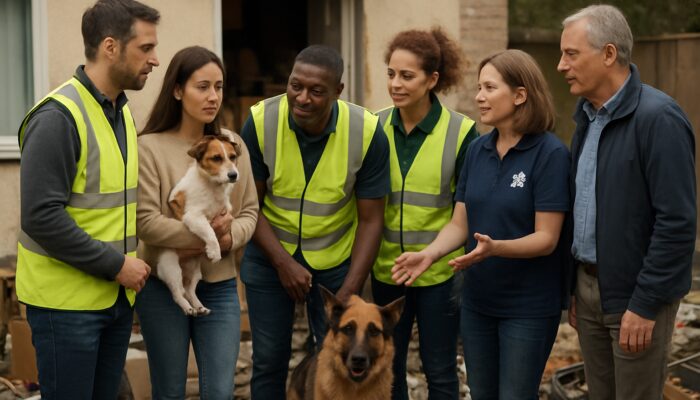
Engaging with local councils and recognised animal welfare organisations is an essential step before starting any clearance work involving pets. Each council may implement unique regulations or guidelines that must be adhered to, and consulting with them facilitates effective navigation of these requirements.
Involving animal welfare organisations can also provide additional insights into best practices for ensuring the safety of pets. They may offer resources or support that can streamline the process for both you and your animals. This proactive strategy not only ensures compliance but also cultivates a safer environment for everyone involved in the clearance.
Insights from Experts on Safely Clearing a UK Home with Pets
Consulting Veterinary Professionals
Engaging with local veterinarians early in the clearance process can significantly alleviate anxiety for pets. Vets can offer tailored advice based on the specific needs and temperaments of your animals, assisting in the creation of a plan that minimises stress. Their expertise is invaluable in understanding how pets respond to changes in their surroundings.
For instance, a veterinarian might recommend particular calming techniques or products to ease anxiety. Having a professional involved can provide reassurance that you are taking appropriate steps to protect your furry companions during what may be a tumultuous time. This preemptive intervention can make a substantial difference in your pet’s behaviour and overall wellbeing.
Monitoring Pet Behaviour
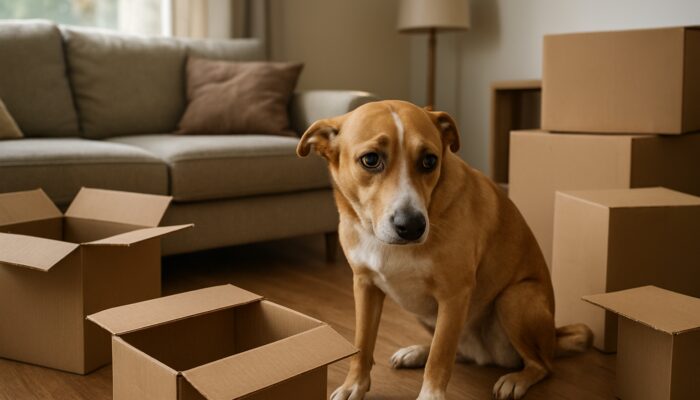
Observing your pets’ behaviour during the home clearance is vital. Real-life examples from British households illustrate how early intervention can avert distress in dogs and cats. For example, a family may notice their dog displaying signs of anxiety or aggression as boxes are being packed. Recognising these signs in a timely manner can lead to appropriate actions, such as providing a quiet space or utilising calming aids.
Implementing behaviour monitoring strategies can help identify specific triggers that may induce stress in your pets. By addressing these issues promptly, you can foster a more peaceful environment throughout the clearance process. This proactive approach can lead to a smoother transition for both pets and their owners.
Establishing Effective Safety Protocols
Creating robust safety protocols is imperative when clearing a home with pets. Using approved UK pet carriers and familiar items can help maintain a sense of calm within the home. For instance, placing your pet’s favourite blanket or toy in their carrier can provide comfort during the move.
It is also essential to ensure that the clearance team is briefed on safe pet handling practices. This includes knowing where pets will be situated during the process and how to prevent accidental escapes. Implementing these safety measures can greatly alleviate stress for both pets and owners, making the clearance a more manageable experience.
Understanding Legal Obligations
Navigating the legal aspects surrounding pet safety during home clearances in the UK is of utmost importance. Familiarising yourself with the Animal Welfare Act and its implications for your pets is crucial. Consulting with relevant authorities can clarify any specific legal requirements you must adhere to, ensuring that both pets and homeowners are safeguarded from potential issues.
Taking the time to comprehend these legal considerations not only protects your pets but also enhances the overall experience of the clearance. By adhering to the law, you can avoid complications or penalties that may arise from improper handling of animals throughout the process. This knowledge empowers you to make informed decisions that benefit all parties involved.
Strategies to Minimise Stress for Pets During Clearance
Creating Tranquil Zones
Establishing tranquil zones within your home can significantly alleviate stress for pets during clearance activities. Designate a calm area furnished with their favourite toys and bedding, allowing pets to feel secure while clearance teams operate in other rooms. This separation helps to reduce anxiety and keeps pets protected from potential hazards.
Ensure that this area is well-ventilated and free from noise and disruption. Consider playing calming music or using pheromone diffusers to enhance the atmosphere. By providing a sanctuary for your pets, you can help them cope with the disturbances of the clearance process, ensuring their wellbeing throughout.
Maintaining Routine Consistency
Keeping a consistent routine for your pets is vital during the upheaval of a home clearance. Adhering to regular feeding and walking schedules can help pets adapt better to the changes occurring around them. Predictability offers comfort, allowing them to feel more secure despite the chaos.
Incorporating familiar activities into their daily routine can also promote a sense of normalcy. For example, continuing their usual playtime or training sessions can serve as a distraction from the ongoing clearance. This consistency can significantly impact how pets respond to the situation, ultimately easing their stress levels.
Seeking Professional Guidance
Engaging professional support can be advantageous in preparing pets for short-term separation during clearance activities. Trainers and behaviourists can provide effective methods to help animals cope with changes. Techniques such as desensitisation or gradual exposure can alleviate anxiety and foster a sense of security.
Professionals can advise owners on creating positive associations with the clearance process. This could involve rewarding pets for calm behaviour or gradually introducing them to new environments. By investing in professional assistance, you can enhance your pets’ comfort and wellbeing throughout the clearance.
Proven Strategies for Safely Clearing a UK Home with Pets
Coordinating the Clearance Team
Efficient coordination is critical when clearing a home with pets. Briefing clearance crews about the locations of pets ensures they remain vigilant and can take necessary precautions to prevent accidental escapes or injuries. Clear communication among all parties involved can greatly enhance the safety of your pets.
Consider creating a visual map of the property that highlights where pets will be located during the clearance. This can serve as a quick reference for the team, ensuring they maintain awareness of the pets’ whereabouts. By prioritising coordination, you can foster a safer environment for everyone involved in the clearance.
Choosing the Right Equipment
Selecting appropriate equipment for home clearance is crucial for ensuring pet safety. Opt for sturdy barriers and non-slip mats that comply with British safety standards for homes with animals. These items can assist in keeping pets contained in designated areas and prevent slips or accidents during the clearance process.
Investing in high-quality equipment not only protects pets but also enhances the efficiency of the clearance. For example, using robust barriers can deter pets from wandering into areas where they could be at risk. Ensuring all equipment is pet-friendly contributes to a smoother and safer clearance experience.
Developing Emergency Plans
Formulating a comprehensive emergency plan is essential during home clearances involving pets. Real-world examples from UK residential clearances have demonstrated that swift response actions can save lives. For instance, designating a person to supervise pets can avert accidents and ensure their safety.
Consider creating a checklist of emergency contacts, including local veterinarians and animal shelters, in case unexpected situations arise. Being prepared for the unforeseen can significantly reduce stress and enhance the safety of your pets during the clearance. This proactive approach can make a substantial difference in ensuring a secure environment for everyone involved.
Essential Equipment for Safe Pet Handling
Selecting the Right Carrier
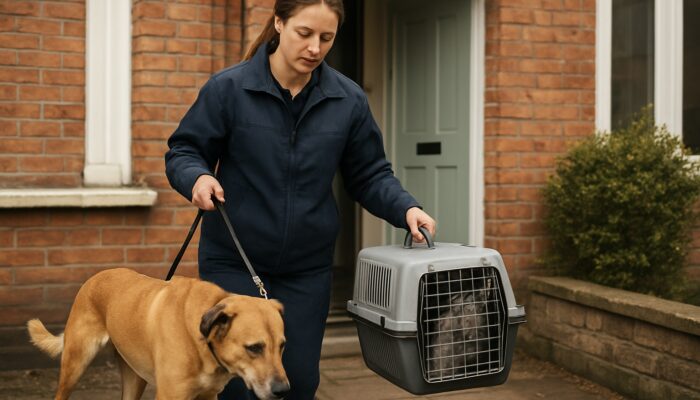
Choosing the appropriate carrier is vital for safely transporting pets during a home clearance. Opt for well-ventilated carriers that are approved for UK transport, allowing pets to maintain visual contact with their owners while moving about the property. This visibility can help alleviate anxiety, making the experience more manageable for your pets.
Ensure that the carrier is spacious enough for your pet to stand, turn around, and lie down comfortably. Familiarising your pets with the carrier prior to the clearance can also assist in easing their transition. By prioritising carrier selection, you can significantly enhance your pets’ comfort and safety throughout the process.
Utilising Restraint Tools
Employing suitable restraint tools is essential for safely guiding pets between rooms during a home clearance. Soft harnesses and leads that meet British standards are ideal for ensuring pets are secure without causing discomfort. These tools facilitate better control and can prevent pets from escaping in a chaotic environment.
When selecting restraint tools, consider your pet’s size and temperament. A well-fitted harness can provide security while allowing pets to feel comfortable. By using the right restraint tools, you can enhance safety for both pets and clearance teams, making the process smoother overall.
Implementing Calming Aids
Incorporating calming aids can effectively reduce anxiety in pets during home clearance. Pheromone diffusers have proven successful in many UK households, helping to foster a soothing environment. These products emit calming scents that can assist pets in feeling more relaxed amid the chaos of a clearance.
Consider also the use of natural remedies such as calming sprays or herbal supplements, which can contribute to alleviating stress. Consulting with a veterinarian can yield further insights into the most suitable calming aids for your pets. By utilising these aids, you can create a more tranquil atmosphere for your furry friends throughout the clearance process.
Prioritising Protective Equipment
Selecting high-quality protective equipment is crucial for managing pets safely during property clearance. Bite-resistant gloves and protective aprons that comply with current UK safety regulations can effectively shield handlers from potential scratches and bites. This equipment ensures the safety of both pets and handlers throughout the process.
When choosing protective gear, consider comfort and mobility, as handlers need to manage pets effectively while wearing it. Investing in the right equipment not only enhances safety but also boosts confidence among clearance teams. By prioritising protective equipment, you can create a secure environment for everyone involved in the clearance.
Research-Backed Advantages of Safely Clearing a UK Home with Pets
Health Benefits
Maintaining pet hygiene during a home clearance can lead to significant health benefits. Research indicates that a clean environment reduces stress hormones in British households, contributing to the overall wellbeing of both pets and owners. Implementing regular cleaning routines can help maintain a hygienic space throughout the clearance process.
This focus on cleanliness also helps prevent the spread of allergens and bacteria that could adversely affect pets’ health. Utilising pet-safe cleaning products is essential in achieving this goal, ensuring your pets remain safe from harmful chemicals. By prioritising pet hygiene, you can create a healthier environment for your furry companions during the clearance.
Accelerating Recovery
Structured approaches to home clearances often facilitate quicker adjustment periods for pets. Real-world examples demonstrate that pets who experience a calm and organised clearance tend to recover more swiftly from the stress associated with moving. For instance, a family that maintained a consistent routine during the process observed that their pets settled into their new environment much more rapidly.
Implementing strategies such as gradual exposure to new spaces and maintaining familiar routines can significantly aid in this adjustment. By prioritising a structured approach, you can help your pets acclimatise to their new surroundings more effectively, reducing overall stress during the transition.
Enhancing Owner Wellbeing
Planned pet care during a home clearance improves the overall family experience in UK properties. When pets are well-cared for and their needs are met, owners can concentrate on the clearance process without additional stress. This positive dynamic nurtures a more harmonious environment for both pets and their owners.
Taking the time to address pets’ emotional needs can strengthen the bond between pets and owners. Engaging in familiar activities and providing reassurance during the clearance can lead to a more enjoyable experience for all involved. Prioritising pet care ultimately contributes to a smoother transition for the entire family.
Reducing Allergens
Methodical pet-safe decluttering has been shown to significantly reduce respiratory issues in British homes. Peer-reviewed research from leading UK institutions underscores the importance of maintaining a clean environment for both families and pets. By adhering to a structured approach to clearance, you can promote a healthier living space that benefits everyone.
Implementing strategies such as regular cleaning and using hypoallergenic products can further enhance indoor air quality. This focus on allergen reduction not only improves the living environment for pets but also contributes to the overall health of the household. By prioritising a pet-safe approach, you can create a more comfortable home for all.
Impact of Weather Conditions on the Clearance Process
Making Indoor Adjustments
Weather conditions can substantially influence the process of clearing a home with pets. It is crucial to adjust clearance timings to avoid extreme UK weather that could disturb pets when doors are opened. For instance, hot weather may lead to overheating, while cold conditions could cause distress for pets left in drafty areas.
Scheduling clearance activities during milder weather can help mitigate these risks. ensuring pets are kept in a comfortable environment can alleviate stress. By considering weather conditions, you can create a safer and more pleasant experience for your pets throughout the clearance process.
Controlling Ventilation
Proper ventilation is essential during home clearances, especially in extreme weather conditions. Ensuring fresh airflow without drafts can help keep pets comfortable during extended sessions. This balance is vital to prevent overheating or chilling, both of which can cause distress to animals.
Utilising fans or strategically opening windows can improve ventilation while maintaining a comfortable environment. Regularly checking on pets during the clearance can also ensure they are coping well with the conditions. By prioritising ventilation control, you can foster a calmer atmosphere for your pets throughout the process.
Planning for Seasonal Variations
Seasonal factors necessitate extra monitoring of pets during clearances in British homes. For example, during the summer months, pets may require more hydration and shade, while winter might call for additional warmth and comfort. Being mindful of these seasonal changes can help you adjust your pet care strategies accordingly.
Planning for seasonal weather may involve creating comfortable spaces for pets to retreat to during clearance activities. This could entail setting up shaded areas outside in summer or providing warm blankets indoors during colder months. By being attentive to seasonal factors, you can help ensure your pets remain safe and comfortable throughout the clearance process.
Essential Post-Clearance Home Inspection Tips
Conducting Final Checks
Performing final checks after a home clearance is crucial to ensure that no pet hazards remain. Conducting a thorough walkthrough of every room guarantees that potential dangers, such as loose wires or small objects, are eliminated. This comprehensive inspection can provide peace of mind for pet owners.
Consider involving the clearance team in this final walkthrough to ensure all areas have been inspected. This collaborative effort can help identify any overlooked hazards and ensure a safe environment for your pets. By prioritising these final checks, you can create a secure space for your furry companions to return to.
Establishing Cleaning Routines
Implementing cleaning routines following a home clearance is vital for maintaining a safe environment for pets. Using pet-safe products recommended across Britain ensures that no harmful residues remain. This emphasis on cleanliness can prevent potential health issues for your pets as they acclimatise to their new surroundings.
Regular cleaning can also help eliminate allergens and bacteria that may have accumulated during the clearance process. Establishing a routine that incorporates vacuuming and sanitising can contribute to a healthier living space. By prioritising cleaning, you can enhance the wellbeing of your pets in their new home.
Restoring Comfort for Pets
Restoring comfort for pets after a home clearance is essential for their well-being. Returning pets to a familiar layout can significantly ease their transition into the new environment. Familiarity provides a sense of security, assisting pets in adjusting more rapidly to their new surroundings.
Consider reinstating their favourite spots and maintaining a consistent routine to enhance their comfort. Providing familiar toys and bedding can also create a welcoming atmosphere. By focusing on comfort restoration, you can help your pets feel at home again, facilitating a smoother adjustment period.
Supporting Pets After the Move
Allowing a Settling Period
Allowing pets time to explore their updated surroundings at their own pace is crucial after a move. Providing a gradual introduction to new spaces can help pets feel more comfortable and less overwhelmed. This settling period is vital for their emotional wellbeing as they adapt to the changes.
Encouraging exploration while ensuring that pets have access to familiar items can instil a sense of security. Monitoring their behaviour during this time to identify any signs of stress or anxiety is important. By allowing pets to acclimatise at their own pace, you can promote a more positive transition into their new home.
Monitoring Health Changes
Observing for changes in appetite or behaviour is essential after a move. If pets appear unusually withdrawn or demonstrate changes in their eating habits, consulting a UK vet may be necessary. Early intervention can address potential health issues that may arise during the transition.
Keeping a watchful eye on your pets during this period can help you identify any concerns before they escalate. Regular check-ins and maintaining a routine can also provide reassurance for pets. By prioritising health monitoring, you can ensure your furry friends remain happy and healthy in their new environment.
Rebuilding Daily Routines
Re-establishing daily habits can help pets regain confidence following a clearance. Creating a consistent routine that includes feeding, walking, and playtime can provide structure and stability during this transitional phase. This predictability can significantly reduce anxiety and foster a sense of security for your pets.
Incorporating familiar activities into their daily routine can also promote a sense of normalcy. For example, engaging in favourite games or training sessions can assist pets in adjusting more quickly. By focusing on rebuilding routines, you can create a supportive environment that aids in their emotional recovery.
Frequently Asked Questions
What is the first step when clearing a home with pets?
Start by evaluating the legal requirements and planning how to manage your pets safely during the clearance. Consult local authorities and ensure you have a clear strategy ready before commencing.
How can I alleviate my pet’s anxiety during the clearance process?
Create a quiet zone for your pets equipped with their favourite toys and bedding. Maintain their regular feeding and walking schedule to provide comfort and stability amidst the disruption.
What should I consider when hiring a clearance company?
Verify that the clearance company is licensed and has experience working with pets. Check reviews and ask for recommendations to find a reputable firm that prioritises animal safety.
How can I prepare my pets for the move?
Gradually introduce your pets to their carriers and utilise calming aids to help mitigate anxiety. Maintaining their routine and providing familiar items can also facilitate their adjustment.
What signs of stress should I watch for in my pets during a home clearance?
Indicators of stress may include excessive barking, hiding, loss of appetite, or destructive behaviour. Keeping a close eye on your pets can help you identify these signs early on.
What measures can I take to ensure my pets are safe during the clearance?
Keep pets in a designated quiet area away from the clearance activity. Brief the clearance team about your pets’ locations and ensure they are aware of any potential hazards.
Which cleaning products are safe for pets?
Use pet-safe cleaning products that are free from harsh chemicals. Look for eco-friendly options or those specifically labelled as safe for use around animals.
How long does it typically take for pets to adjust after a move?
Adjustment times vary by pet, but providing a stable routine and familiar items can help expedite the process. Be patient and allow your pets to explore their new environment at their own pace.
Is it advisable to consult a vet before the move?
Yes, consulting a vet can offer valuable insights into effectively managing your pets during the clearance and moving process. They can recommend calming aids or strategies tailored to your pets’ needs.
What should I do if my pet exhibits signs of distress after the move?
If your pet displays persistent signs of distress, consult your vet for guidance. They can help assess the situation and suggest appropriate interventions to support your pet’s wellbeing.