
Enhancing Packaging Materials for Clearance Sales in the UK Retail Sector
Choosing Robust Boxes Designed for British Climate Challenges
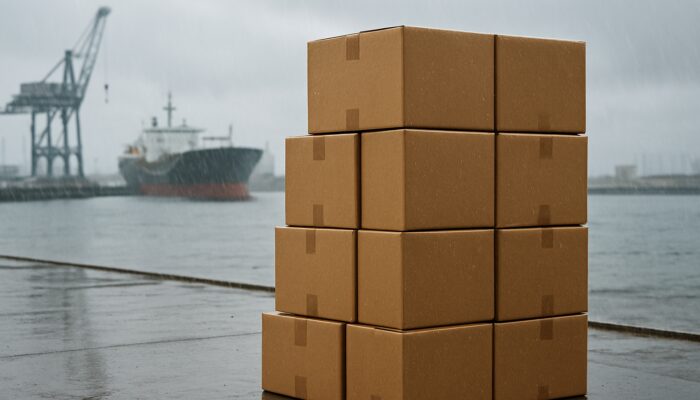
Selecting appropriate packaging materials is vital to ensure that clearance items arrive undamaged. In the UK, where the weather can be unpredictable, it is imperative to choose durable cardboard boxes. These boxes should be procured from reliable UK suppliers who are familiar with the specific challenges presented by the British climate, including humidity and fluctuating temperatures. High-quality cardboard is essential as it can resist moisture, thereby minimising the risk of damage to items during transportation.
The journey of clearance goods often entails long distances across the country. Sturdy packaging not only safeguards the items but also helps maintain their quality until they reach distribution centres or retail locations. Ensuring that packages can withstand the rigours of transport can save retailers significant costs incurred from damaged goods. By emphasising robust packaging, retailers can improve customer satisfaction and loyalty, knowing their products are well-protected.
The selection of packaging materials should take into account the weight and dimensions of the items being transported. Lightweight yet resilient boxes can help to lower overall shipping costs while still providing adequate protection. Retailers should collaborate closely with suppliers to discover the best options that offer both durability and cost-effectiveness, ensuring that clearance items are securely packaged for their journey.
Leveraging Recycled Fillers Commonly Used in UK Warehouses
Employing recycled fillers is a sustainable method for packing clearance items while being environmentally responsible. Numerous warehouses across the UK have embraced the use of recycled materials such as paper and bubble wrap, which not only cuts costs but also aligns with sustainability objectives. These fillers offer cushioning for fragile items, ensuring their protection during transport and storage.
Local sourcing of recycled fillers also contributes to a reduced carbon footprint, as it diminishes the need for extensive transportation and processing. This approach supports British retailers in their efforts to minimise waste and adopt sustainable practices. By utilising materials readily available within the local supply chain, retailers can enhance operational efficiency in packing clearance goods.
The use of recycled fillers can positively influence a retailer’s brand image. As consumers become more aware of environmental issues, showcasing a commitment to sustainability can attract a broader customer base. Retailers that highlight their use of eco-friendly packing materials can stand out in a competitive marketplace, appealing to environmentally conscious consumers who value responsible practices.
How Do UK Regulations Shape Packaging Material Choices?
UK regulations significantly influence the materials selected for packaging clearance items. Adhering to the Packaging Waste Regulations is crucial for retailers, as these laws aim to lessen the environmental impact of packaging. Retailers must ensure that their packaging is recyclable, reusable, or compostable to meet legal obligations and avoid potential penalties.
Understanding these regulations enables retailers to make informed decisions regarding their material choices. For example, selecting biodegradable options can not only ensure compliance but also resonate with consumers who favour sustainable products. Retailers should remain informed about any changes in legislation that could affect their packaging choices to ensure ongoing compliance and mitigate disruptions.
Compliance with UK regulations can bolster a retailer’s reputation. Customers increasingly seek brands that prioritise sustainability and adherence to environmental laws. By opting for materials that meet regulatory standards, retailers can foster trust with their customers, leading to enhanced loyalty and sales.
What Role Do Layering Techniques Play in Protecting Clearance Goods?

Implementing Cushion Layers for Delicate Items Sold in the UK
Layering techniques are essential for packing fragile clearance items, particularly those available in the UK. Products such as ceramics, glassware, and delicate electronics require additional protection to avoid breakage during transport. By introducing cushion layers around these items, retailers can greatly diminish the likelihood of damage while the products are en route to their final destinations.
A highly effective method involves using bubble wrap or foam padding as a protective barrier. These materials absorb shocks and vibrations that may occur during transport, especially on uneven road surfaces. Retailers should ensure that each fragile item is encased in these cushioning materials before being placed in boxes, adding an extra layer of security against impacts.
Employing proper layering techniques not only safeguards individual items but also maximises space efficiency within the packaging. By thoughtfully arranging items and utilising cushioning materials effectively, retailers can optimise the available space, facilitating the shipment of more products together. This strategy can lead to cost savings on shipping and improved inventory management.
Securing Goods with Straps Available Across the UK
Utilising adjustable straps to secure clearance items is a critical strategy for maintaining stability during transit. These straps, readily accessible from hardware stores throughout the UK, can be employed to hold stacks of boxes securely on pallets. This practice prevents movement that could result in damage, ensuring that items arrive in pristine condition.
When packing clearance goods, it is essential to select high-quality straps that can bear the weight of the transported items. Retailers should consider using straps with adjustable tension to achieve a snug fit, keeping boxes in place without causing damage through compression. Properly secured loads not only protect the items but also comply with UK transport regulations concerning load stability.
The use of straps can enhance the overall packing process efficiency. They facilitate quicker loading and unloading, minimising the time spent handling items during transport. This efficiency translates into faster delivery times, which are crucial in the competitive retail landscape. Overall, securing items with straps represents an effective method to ensure the safe transport of clearance goods throughout the UK.
Incorporating Void Fill from Local Suppliers

Incorporating void fill is a vital component in packing clearance items to prevent movement during transit. By employing materials sourced from local suppliers, retailers can fill empty spaces within boxes, ensuring that items remain stable and protected. This practice is particularly crucial for fragile goods, as any shifting can lead to damage.
Common options for void fill include recycled paper, packing peanuts, and air pillows. Each of these materials serves to cushion items and absorb shocks, preventing them from colliding with each other inside the box. Retailers should assess the specific needs of their clearance items to identify the most suitable void fill material that balances protection and cost-effectiveness.
Sourcing void fill from local suppliers supports the UK economy and diminishes transportation emissions. Retailers can foster robust relationships with local businesses, promoting community ties and encouraging sustainability. By prioritising local sourcing, retailers can improve their brand image and appeal to eco-conscious consumers who appreciate local and sustainable practices.
Utilising Cardboard Separators from British Manufacturers
Cardboard separators are invaluable tools for safeguarding clearance goods during transport. By placing robust cardboard layers between stacked items, retailers can prevent direct contact and potential abrasion. This is especially crucial for delicate items that may be susceptible to damage during lengthy transport to discount stores across the UK.
British manufacturers offer a range of cardboard separator options, enabling retailers to select the appropriate thickness and design for their specific requirements. These separators can be custom-made to fit various box sizes and shapes, ensuring a snug fit that maximises protection for the items being shipped. This tailored approach can significantly lower the risk of damage, resulting in reduced return rates and heightened customer satisfaction.
The use of cardboard separators not only protects individual items but also stabilises the overall stack of goods. This stability is essential when items are transported on pallets, as it prevents shifting that could lead to accidents or damage during loading and unloading. Retailers should invest in high-quality separators to guarantee that their clearance items reach their destination safely and in excellent condition.
Professional Insights on Advanced Packing Strategies for Clearance Items
Examining Real-World Examples from British Clearance Sales
Investigating how prominent UK retailers manage surplus inventory for clearance sales provides valuable insights into effective packing strategies. Retailers like Tesco and ASDA have developed streamlined processes that prioritise both cost efficiency and item safety. By analysing their techniques, other retailers can adopt best practices that enhance their own packing operations.
A notable example is how these retailers employ uniform packaging sizes for their clearance items. This standardisation facilitates efficient stacking and maximises space within delivery vehicles. they often implement advanced inventory management systems to track items throughout the packing and shipping process, ensuring that everything is accounted for and minimising the risk of errors.
Cost savings are also achieved through bulk purchasing agreements with packaging suppliers. By negotiating better rates for packaging materials, retailers can considerably reduce their packing costs while maintaining high standards of protection for their clearance items. This strategic approach not only improves profitability but also enhances the overall customer experience by ensuring that products arrive in pristine condition.
Providing Actionable Steps for Effective Pallet Wrapping
Pallet wrapping is a crucial aspect of securing clearance loads during transport. Retailers can utilise stretch film, a widely used choice in UK warehouses, to effectively wrap pallets and prevent movement. The first step is to ensure that the pallet is loaded evenly, with heavier items positioned at the bottom and lighter items on top to maintain balance.
Once the pallet is loaded, the next step is to begin wrapping from the bottom up. Start by securing the film around the base of the pallet, wrapping it tightly to create a solid foundation. As you work your way up, overlap the film by at least 50% to ensure that the load is fully encased. This overlapping technique enhances stability and protection against shifting during transit.
Securing the top of the pallet is vital to prevent any items from toppling off during transport. Retailers should apply additional layers of stretch film to create a secure seal at the top, ensuring that the entire load remains intact. Proper pallet wrapping not only safeguards clearance items but also improves the efficiency of loading and unloading, saving time and reducing the risk of damage.
Assessing Weight Distribution in Practice
Evaluating weight distribution is a critical consideration when packing clearance items for transport. Retailers must ensure that weight is evenly distributed across the pallet to comply with UK transport regulations and to prevent accidents during transit. A balanced load reduces the risk of tipping or swaying, which can lead to damage or injury.
To assess weight distribution, retailers can employ straightforward techniques, such as using scales to weigh individual boxes prior to loading them onto the pallet. This practice enables necessary adjustments to be made, ensuring that heavier items are placed at the bottom and lighter items are positioned on top. By taking the time to evaluate weight distribution, retailers can bolster the safety and stability of their loads.
Retailers should consider the overall dimensions of the pallet when planning weight distribution. Ensuring that the load is centred and does not extend beyond the edges of the pallet can help maintain balance during transport. This careful attention to weight distribution not only protects clearance items but also ensures compliance with transport regulations, ultimately leading to a smoother delivery process.
Why is Labelling Crucial in Clearance Packing?
Creating Clear Labels for Efficient UK Distribution Networks
Effective labelling is a fundamental component of packing clearance items, particularly within the UK distribution network. Clear labels featuring barcodes enable retailers to track clearance items throughout their journey, from the warehouse to the final retail destination. This capability is essential for efficient inventory management and helps prevent losses or misplacements.
Retailers should prioritise legibility in their label design. Utilising bold fonts and contrasting colours can improve visibility, making it easier for warehouse staff to quickly identify items. incorporating QR codes or RFID technology can further streamline the tracking process, providing real-time updates on the status of clearance items as they traverse the supply chain.
Clear labelling expedites sorting processes at regional depots. When items are easily identifiable, warehouse staff can swiftly organise and distribute them to their designated locations. This efficiency not only saves time but also mitigates the risk of errors, ensuring that clearance items reach their intended destinations without unnecessary delays.
Implementing Colour-Coding Systems Used by Local Retailers
Adopting a colour-coding system for clearance goods significantly enhances organisation and efficiency within warehouses. Many local retailers in the UK have adopted this practice to facilitate rapid identification of fragile items. By designating specific colours to different product categories, staff can easily recognise and handle items that require special care.
For instance, retailers might assign red labels for fragile items, yellow for electronics, and green for bulkier goods. This visual system enables warehouse staff to quickly assess the nature of the items they are handling, reducing the risk of mishandling or damage. colour coding can streamline the packing process, as staff can swiftly locate the appropriate materials for each category of item.
Colour coding can enhance communication among team members. When the colour system is understood by all, it fosters a more collaborative environment, allowing staff to work together more efficiently. This system not only improves the organisation of clearance items but also contributes to a safer workplace by minimising the likelihood of accidents or errors.
Avoiding Common Errors When Selecting Adhesives
Choosing the appropriate adhesives for labelling clearance items is critical to ensuring labels remain intact throughout the packing and shipping process. Weather-resistant adhesives are particularly important in the UK, where varying climatic conditions can compromise label integrity. Retailers should opt for high-quality adhesives capable of withstanding moisture and temperature fluctuations.
Common pitfalls include using low-quality adhesives that may not adhere properly to packaging materials. This can result in labels peeling off during transit, leading to confusion and potential losses. Retailers should conduct thorough testing on their adhesive selections to ensure they perform reliably under real-world conditions.
Considering the surface material of the packaging is vital when choosing adhesives. Some materials may necessitate specific types of adhesives for optimal bonding. Retailers should collaborate with suppliers to identify the best adhesive options that will guarantee labels remain secure and legible throughout the entire distribution process.
Proven Strategies for Advanced Packing Techniques for Clearance Items
Providing Expert Analysis on Volume Reduction Methods
Implementing volume reduction methods is an effective strategy for optimising packing processes for clearance items. By compressing packaging materials, retailers can maximise space in delivery vehicles, ultimately lowering transport costs. This approach not only benefits the bottom line but also contributes to more sustainable practices by reducing the overall packaging footprint.
One common method for volume reduction involves vacuum packing certain items, such as clothing or soft goods. By eliminating excess air, retailers can significantly decrease package sizes, allowing for more efficient stacking and transport. This technique is especially beneficial for clearance items, as it helps maintain product integrity while optimising space.
Another effective strategy is to utilise collapsible packaging whenever feasible. Retailers can opt for packaging that can be flattened when not in use, reducing storage requirements and simplifying inventory management. By implementing these volume reduction methods, retailers can enhance their packing efficiency and streamline their operations, ultimately leading to cost savings and improved service levels.
Highlighting Real-World Examples from Discount Chains
Discount chains in the UK have developed innovative packing techniques to securely bundle their clearance apparel for nationwide distribution. For example, retailers like Primark and TK Maxx often utilise custom-designed packaging that allows for efficient stacking and protection during transport. These retailers recognise the importance of packing in a manner that maintains the quality of their clearance items while optimising logistics.
One effective technique employed by these chains is the use of pre-packaged bundles for clearance items. By grouping similar items together and packaging them in bulk, retailers can streamline the packing process and minimise the time spent on handling individual items. This method not only reduces labour costs but also enhances inventory management by simplifying the sorting process.
Discount chains often implement stringent quality control measures during the packing process. Regular checks ensure that items are securely packed and meet the required standards for transport. These practices help to minimise the risk of damage and ensure that clearance items arrive at their destinations in outstanding condition, ultimately boosting customer satisfaction.
Optimising Tape Application for Enhanced Security
Utilising reinforced tape effectively is essential for sealing boxes containing surplus items bound for outlets across Britain. Proper tape application secures packages and prevents them from opening during transit, protecting the contents from damage or loss. Retailers should consider using high-quality, reinforced tape that can endure the demands of transport.
When applying tape, it is crucial to seal all edges and seams of the box to create a secure closure. Retailers should apply at least three strips of tape on both the top and bottom of each box to ensure comprehensive protection. This meticulous approach to tape application diminishes the likelihood of packages coming undone during handling and transit.
Retailers should provide staff with training on proper tape application techniques to ensure consistency across all packing operations. By establishing clear guidelines and best practices, retailers can enhance the security of their clearance items and improve overall packing efficiency. This attention to detail not only safeguards the products but also positively reflects on the retailer’s commitment to quality.
How Can Technology Enhance Packing Efficiency?
Integrating Software for Effective UK Inventory Tracking
Incorporating inventory tracking software can significantly improve packing efficiency for clearance items. By leveraging digital tools, retailers can plan packing layouts more effectively, minimising errors and streamlining operations. This technology facilitates real-time tracking of clearance stock, ensuring that items are accurately accounted for throughout the supply chain.
A key advantage of employing inventory tracking software is the automation of various processes. Retailers can set up alerts for low stock levels, enabling timely reordering of packaging materials and clearance items. This proactive strategy helps to avert packing and shipping delays, ensuring that clearance items reach customers swiftly.
The software can provide valuable insights into packing trends and performance metrics. Retailers can analyse data to identify areas for improvement, such as optimising box sizes or minimising excess packaging. By harnessing technology, retailers can enhance their packing efficiency and boost overall operational effectiveness.
Utilising Automated Measuring Devices in Warehouses
Automated measuring devices are increasingly popular in UK warehouses, providing precise box sizing for items from clearance events. These devices streamline the packing process by accurately measuring item dimensions, ensuring that the appropriate box sizes are used for each product. This precision decreases the risk of damage and optimises space during transport.
By employing automated measuring devices, retailers can eliminate guesswork in selecting packaging materials. This technology enables staff to quickly determine the best box size for each item, minimising excess space and reducing the need for additional void fill. retailers can achieve a more efficient packing process that conserves time and resources.
Integrating automated measuring devices can enhance overall productivity within the warehouse. Staff can concentrate on other essential tasks while technology manages the measuring process, leading to improved workflow and reduced bottlenecks. This efficiency is particularly advantageous during peak clearance sales when demand for packing and shipping escalates.
Monitoring Humidity Levels During Storage
Monitoring humidity levels during storage is crucial for safeguarding sensitive clearance goods. Many items, especially those made from wood, paper, or textiles, can be adversely affected by elevated humidity, resulting in damage or deterioration. Retailers should implement humidity monitoring systems to maintain optimal storage conditions for their clearance items.
By ensuring appropriate humidity levels, retailers can extend the lifespan of their products and minimise the risk of spoilage. This is particularly vital for clearance items that may have a shorter shelf life. Retailers should regularly check humidity levels and adjust environmental controls as necessary to create a stable storage environment.
Retailers can invest in dehumidifiers or humidifiers to maintain optimal conditions. These devices can help regulate humidity levels, ensuring that clearance items remain in excellent condition until they are ready for distribution. By prioritising humidity control, retailers can enhance the quality of their clearance goods and improve customer satisfaction.
Implementing Sustainable Practices for Long-Term Success
Sourcing Eco-Friendly Options from British Manufacturers
Prioritising biodegradable materials for packing clearance products represents a sustainable practice that supports green initiatives. By sourcing eco-friendly options from British manufacturers, retailers can lessen their environmental footprint while ensuring that their packaging meets consumer expectations. This commitment to sustainability can enhance brand reputation and attract environmentally aware shoppers.
Some key advantages of sustainable packing include:
- Minimised landfill waste
- Reduced carbon footprint
- Increased brand loyalty
- Compliance with environmental regulations
- Enhanced customer perception
- Support for local economies
Retailers should actively pursue partnerships with manufacturers that prioritise sustainable practices, ensuring a consistent supply of eco-friendly packaging materials. This collaboration can lead to innovative solutions that address both environmental and operational needs.
Adopting sustainable practices can yield long-term cost savings. By minimising waste and optimising packaging materials, retailers can decrease their overall packaging expenses while contributing to a healthier planet. This dual advantage makes sustainability a prudent choice for retailers seeking to enhance their operations and brand image.
Minimising Waste in Daily Operations
Streamlining operations to reduce waste is a critical component of sustainable packing practices. Retailers can assess their current processes to pinpoint areas where excessive packaging is used or materials are wasted. By implementing more efficient packing methods, retailers can minimise waste associated with clearance items distributed within the UK.
One effective strategy is to adopt a just-in-time inventory approach, where products are packed and shipped as required. This method reduces the need for excessive storage and can lead to decreased packaging waste overall. retailers can encourage staff to be mindful of packaging materials, fostering a culture of sustainability within the workplace.
Retailers should consider establishing recycling programmes for used packaging materials. By encouraging staff to recycle cardboard, plastic, and other materials, retailers can significantly reduce their environmental impact. This dedication to waste reduction not only benefits the planet but also enhances the retailer’s reputation as a responsible business.
Assessing Outcomes Following Implementation
Regularly reviewing the outcomes of implemented packing strategies is essential for refining future practices. Retailers should evaluate the effectiveness of their current methods for managing clearance items, focusing on aspects such as cost savings, damage rates, and customer satisfaction. This evaluation process helps identify successes and areas for improvement.
One effective approach is to gather feedback from warehouse staff and delivery personnel regarding the packing process. Their insights can provide valuable information on potential issues or inefficiencies that may not be immediately apparent. Retailers should also analyse data related to shipping and returns to gauge the effectiveness of their packing strategies.
Based on these evaluations, retailers can make informed decisions about necessary adjustments to their packing processes. This continuous improvement approach ensures that retailers remain competitive and responsive to changing market conditions. By prioritising regular assessments, retailers can enhance their packing efficiency and maintain high standards for their clearance items.
Investing in Renewable Energy Sources
Investing in renewable energy sources, such as solar panels, can significantly reduce emissions while ensuring sustainable operations for packing and shipping clearance products. By transitioning to renewable energy, retailers can decrease their reliance on fossil fuels and contribute to a greener future. This investment benefits the environment and can yield long-term cost savings.
Implementing renewable energy solutions can also enhance a retailer’s brand image. Consumers increasingly favour businesses that prioritise sustainability, and showcasing a commitment to renewable energy can attract environmentally conscious customers. Retailers should explore partnerships with local energy providers to investigate options for integrating renewable energy into their operations.
Investing in renewable energy can bolster operational resilience. As energy prices fluctuate, retailers relying on renewable sources can mitigate the impact of rising costs. This stability allows for more predictable budgeting and can enhance overall operational efficiency, making it a strategic choice for retailers focused on long-term success.
Collaborating with Eco-Certified Suppliers
Forming partnerships with eco-certified suppliers is a strategic approach to ensuring access to sustainable materials for packaging clearance products. By collaborating with environmentally responsible providers across the UK, retailers can consistently source high-quality, eco-friendly packaging options. This commitment to sustainability benefits the environment and bolsters the retailer’s reputation.
Working with eco-certified suppliers can also equip retailers with valuable insights into sustainable practices. These suppliers often possess expertise in environmentally friendly packaging solutions, enabling retailers to stay informed about the latest trends and innovations. This collaboration can foster the development of new packaging strategies that align with both operational needs and sustainability objectives.
Partnering with eco-certified suppliers can enhance transparency within the supply chain. Retailers can confidently communicate their commitment to sustainability to customers, knowing that their packaging materials are sourced responsibly. This transparency fosters trust and loyalty among consumers, ultimately contributing to the success of the retailer’s clearance operations.
Frequently Asked Questions
What are advanced packing strategies for clearance items?
Advanced packing strategies for clearance items focus on optimising packaging materials, incorporating layering techniques, and implementing efficient labelling systems to ensure items are safeguarded and delivered without damage.
How can I choose the right packaging materials for clearance items?
Selecting durable packaging materials that can withstand UK weather conditions is crucial. Opt for robust cardboard boxes and consider incorporating recycled fillers for extra protection and sustainability.
What layering techniques can protect fragile items?
Applying cushion layers around fragile items, securing them with adjustable straps, and using void fill can prevent damage during transit and ensure items arrive safely.
How does technology improve packing efficiency?
Technology enhances packing efficiency through inventory tracking software, automated measuring devices, and humidity monitoring systems, streamlining processes and reducing errors.
What are the benefits of using recycled fillers?
Utilising recycled fillers lowers costs, aligns with environmental standards, and provides effective cushioning for clearance items, ensuring they arrive in excellent condition.
Why is labelling important in clearance packing?
Clear labelling is essential for tracking items throughout the supply chain, speeding up sorting processes, and preventing losses or misplacements during transit.
How can I implement sustainable packaging practices?
Retailers can adopt sustainable practices by sourcing eco-friendly materials, minimising waste, and collaborating with eco-certified suppliers to ensure responsible packaging solutions.
What common errors should I avoid when selecting adhesives?
Avoid using low-quality adhesives that may not withstand varying UK conditions. Opt for weather-resistant adhesives to ensure labels remain secure during transit.
How can I evaluate the effectiveness of my packing strategies?
Regularly review packing outcomes by analysing damage rates, customer feedback, and shipping data to identify areas for improvement and refine future packing practices.
What role do cardboard separators play in packing?
Cardboard separators prevent direct contact between stacked items, reducing the risk of abrasion and damage during transport, ensuring clearance items remain intact.