Essential Cleaning Supplies for Effective Post-House Clearance in the UK
Top Recommended Cleaning Products Available in UK Supermarkets

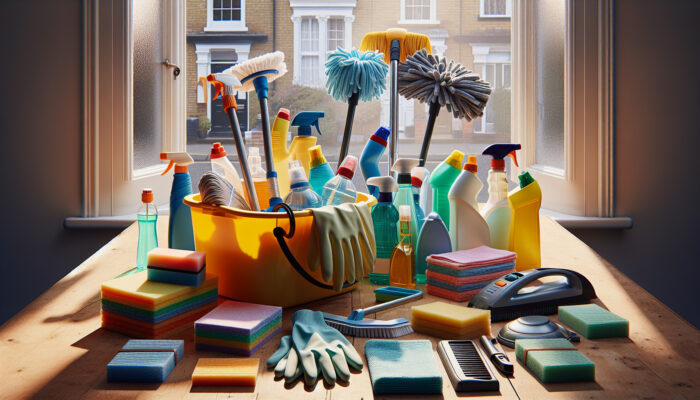
To successfully navigate the complexities of post-house clearance cleaning, it is essential to gather the appropriate cleaning supplies beforehand. Start with fundamental items such as microfibre cloths and eco-friendly detergents that you can easily find at prominent UK supermarkets like Tesco and Sainsbury’s. These products are specially formulated to work effectively on various surfaces, ensuring high hygiene standards while being sensitive to environmental concerns. Seek out cost-effective options that do not sacrifice quality, allowing you to enjoy an efficient and wallet-friendly cleaning experience.
Microfibre cloths stand out in particular, as they are designed to trap dust and dirt more effectively than standard cloths, which in turn minimises the necessity for harsh cleaning chemicals. It is advisable to opt for biodegradable detergents that are effective yet gentle on the planet. Numerous UK supermarkets provide a comprehensive selection of products tailored to different cleaning needs, ranging from kitchen surfaces to bathrooms, equipping you to tackle any challenges that may arise during your cleaning journey.
How to Create a Realistic Budget for Cleaning Materials in the UK
When planning for your post-house clearance cleaning, it is vital to establish a well-thought-out budget. Start by comparing prices at local hardware shops such as B&Q, which frequently offers competitive rates on cleaning materials. Focus on selecting multipurpose items that cater to your initial needs, as these will not only save you money but also prevent unnecessary overspending. Prioritising essential items like all-purpose cleaners and reusable cloths can significantly streamline your purchases.
Consider preparing a shopping list that reflects the specific tasks you need to complete after the clearance. This method keeps you focused and curbs impulse buying. Additionally, be on the lookout for promotional offers or discounts available in local stores or online, which can substantially lower your overall expenses. By adopting a strategic approach to your purchases, you can achieve thorough cleaning results while remaining budget-conscious.
Effective Storage Solutions for Cleaning Supplies in UK Homes
Organising your cleaning supplies is equally as important as acquiring them. In many British homes, under-sink cabinets serve as common storage locations for cleaning materials. Effectively utilising this space can enhance your cleaning process. Consider investing in space-saving organisers or baskets to keep your supplies orderly and readily accessible. This not only saves time when you need to retrieve something quickly but also promotes a clutter-free environment.
Another practical tip is to label your storage containers. This straightforward strategy ensures you can quickly identify products, especially during hectic cleaning sessions following a house clearance. Moreover, routinely checking your supplies for expired products or those that are no longer needed can help maintain your cleaning arsenal in the best possible condition. This organised approach to storage will empower you to address any cleaning challenge with confidence and efficiency.
How to Begin the Cleaning Process After House Clearance

Initial Steps to Take for a UK Property
After completing a house clearance, the first step in your cleaning journey should be to thoroughly assess the space for any leftover items. Begin by walking through each room to identify what remains and what needs immediate attention. Once you have a clear understanding of the space, it is crucial to ventilate the rooms to eliminate any dust that may have settled during the clearance process. Opening windows and doors allows fresh air to circulate, which is especially important in the often damp climate of the UK.
Address each area systematically, starting with the most cluttered spots. This methodical approach not only enhances safety but also improves efficiency by ensuring that no areas are overlooked. For instance, prioritise high-traffic zones such as hallways and kitchens, where dust and dirt tend to accumulate more rapidly. By establishing a solid foundation through thorough initial cleaning steps, you position yourself for a successful post-clearance cleaning experience.
What Tools Are Beginner-Friendly in UK Cleaning Settings?
As a novice tackling the challenges of post-house clearance cleaning, choosing the right tools can make a significant difference. Concentrate on versatile items that simplify the cleaning process, such as dustpans and brushes. These essential tools are readily available from local retailers, making them accessible and practical for first-time cleaners. The compact nature of many UK homes means you will benefit from tools that can effectively navigate tight spaces.
In addition to dustpans and brushes, consider investing in a handheld vacuum cleaner. These devices are incredibly user-friendly and can quickly address small messes that may arise during the cleaning process. Furthermore, a mop with a removable, washable head is an excellent investment, allowing you to clean various flooring types without the need for multiple products. By equipping yourself with these beginner-friendly tools, maintaining cleanliness after a house clearance will become a manageable and fulfilling task.
Common Pitfalls to Watch for During Cleaning
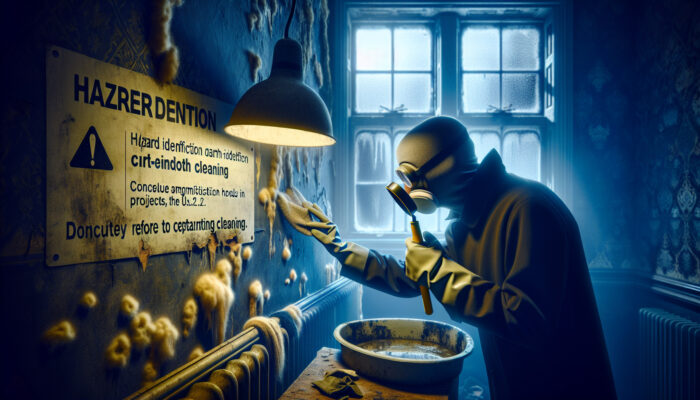
As you embark on your cleaning journey, it is crucial to remain aware of common pitfalls that could hinder your efforts. One significant mistake is rushing into deep cleaning before ensuring that the space is safe. In the UK, many homes, particularly older ones, may contain hazards such as mould, which is often prevalent in damp climates. Before delving into cleaning, take the time to identify any potential hazards, including areas that may require specialised attention.
- Ignoring ventilation during cleaning tasks.
- Overlooking hidden areas that may need cleaning attention.
- Failing to assess the condition of your cleaning supplies.
- Neglecting to prioritise safety measures, such as wearing gloves.
- Rushing through tasks without a systematic approach.
By recognising these errors and approaching your cleaning tasks thoughtfully, you can create a safer and more effective cleaning routine. Stay vigilant about your surroundings and be mindful of the unique challenges that post-clearance cleaning presents.
Expert Insights on Effective Beginner Cleaning Tips Post-House Clearance
Actionable Steps Recommended by UK Cleaning Professionals
For beginners, adhering to a structured approach to cleaning can yield optimal results. UK cleaning professionals frequently recommend starting with a clear plan that sequences your tasks logically. For example, begin by dusting surfaces before progressing to vacuuming and mopping floors. This method not only ensures you are working systematically but also prevents dirt from settling back onto already cleaned surfaces.
Experts advise taking advantage of targeted cleaning products that cater specifically to the various types of surfaces within your home. This tailored approach enables beginners to maximise the effectiveness of their cleaning efforts without the frustration that arises from ineffective methods. Additionally, using tools specifically designed for challenging tasks, such as a grout brush for bathrooms, can deliver professional-standard results, even for newcomers.
Real-World Examples of Effective Cleaning Routines
To highlight the importance of structured cleaning routines, consider a real-world example from a recent case study in London. A family that had just completed a house clearance opted for a systematic cleaning approach that involved breaking tasks down into manageable sections. They began with the kitchen, focusing on surfaces, appliances, and floors, before moving onto living areas and bedrooms.
By following expert-recommended techniques, such as utilising vinegar and baking soda for natural cleaning, they not only achieved a spotless home but also established lasting cleaning habits that would help maintain their space. Their experience underscores the benefits of starting with simple routines that can be expanded upon as confidence grows. Regularly revisiting these routines enabled them to foster a sustainable cleaning environment.
Trusted Strategies for Long-Term Maintenance of Cleanliness
Establishing long-term cleaning habits is crucial for maintaining a fresh environment after a house clearance. UK cleaning experts advocate for incorporating seasonal checks into your routine, which is essential to prevent clutter accumulation and ensure your home remains in peak condition. For instance, conducting a thorough declutter and clean at the start of each season can help you stay ahead of dust and allergens.
Additionally, consider creating a cleaning schedule that designates specific tasks for particular days. This method breaks down the workload into manageable portions, preventing feelings of overwhelm that can accompany extensive cleaning sessions. Consistency is key; by developing a rhythm and adhering to it, you cultivate a habit that promotes cleanliness and reduces the likelihood of future clutter.
Expert Recommendations for Selecting Eco-Friendly Tools and Products
When undertaking your post-house clearance cleaning, it is vital to consider the environmental impact of the tools and products you select. UK cleaning experts recommend opting for sustainable options that are effective yet gentle on the planet. Look for tools crafted from recycled materials or biodegradable products that contribute to reducing your ecological footprint.
Moreover, numerous UK brands offer eco-friendly cleaning solutions that do not compromise on effectiveness. For example, choosing plant-based detergents can provide excellent cleaning power while being safer for both your home and the environment. Engaging in this mindful selection of tools not only supports sustainability but also aligns with the growing consumer preference for environmentally friendly practices.
What Safety Measures Should You Implement During Cleaning?
Essential Precautions for UK Cleaning Environments
Prioritising safety is paramount when undertaking cleaning tasks, especially in older British homes that may present unique challenges. Start by wearing gloves when handling residues, particularly those that may contain allergens or harsh chemicals. This precaution protects your skin and prevents irritation from the cleaning products you may encounter during the process.
Additionally, consider wearing a mask if you are cleaning in areas that have remained stagnant, as this can help safeguard you from inhaling dust or mould spores that may have accumulated. Ensuring proper ventilation while cleaning is another crucial step in creating a safe environment. By prioritising these precautions, you can minimise potential health risks associated with post-house clearance cleaning.
How to Properly Handle Hazardous Waste During Cleaning
Managing hazardous waste necessitates careful attention to local regulations to ensure safe disposal practices. In the UK, many councils provide specific guidelines for disposing of waste, particularly hazardous materials like paint, chemicals, and electronic waste. Familiarise yourself with these regulations and identify the disposal methods available in your area to avoid legal or health-related risks.
- Research local council guidelines for hazardous waste disposal.
- Separate hazardous items from general waste.
- Utilise designated collection points for chemicals and electronics.
- Store hazardous materials in secure containers until disposal.
By following these steps, you can ensure that you handle hazardous waste responsibly. Taking the time to understand and comply with local regulations not only protects the environment but also safeguards your health and the wellbeing of those around you.
Identifying Potential Risks in British Properties
When cleaning older British properties, it is essential to be vigilant for potential risks that may not be immediately visible. For example, homes built prior to the 1980s may contain asbestos, which can pose serious health risks if disturbed. Always assess the condition of the property and, if you suspect the presence of hazardous materials, consult professionals to ensure safe handling and removal.
Other risks to remain aware of include signs of damp or mould, which are common in the UK due to its climate. Proactively identifying these issues early can prevent them from escalating if left unchecked. By being aware of these potential hazards, you create a safer cleaning environment and take appropriate action to protect both yourself and your home.
Research-Backed Benefits of Establishing Cleaning Routines
Real-World Examples Demonstrating Health Improvements
Regular cleaning routines have been shown to yield significant health benefits, particularly in UK households. For example, studies indicate that families who maintain consistent cleaning habits experience reduced stress levels due to improved organisation and clarity of their living spaces. A decluttered home fosters a sense of calm, which is especially beneficial in today’s fast-paced environment.
Moreover, cleaner homes are less likely to harbour allergens such as dust mites and pet dander, leading to better respiratory health. The psychological benefits of a clean environment cannot be overstated; feeling organised and in control of your surroundings can lead to improved mental wellbeing. By establishing a routine that prioritises cleanliness, you create a healthier and more supportive environment for yourself and your family.
Actionable Steps for Daily Maintenance of Cleanliness
Integrating daily maintenance tasks into your routine can significantly enhance the longevity and cleanliness of your space. To begin, consider dedicating just 15 minutes each day to tidying up. This can involve simple tasks such as wiping down surfaces or putting away items that have accumulated throughout the day. This minimal time commitment can drastically reduce the time needed for deep cleaning later.
Experts recommend creating a checklist of daily cleaning tasks that can be rotated. For instance, one day might focus on the kitchen, while another prioritises bathrooms. This structured approach not only keeps your home looking its best but also instils a sense of accomplishment as you complete each task. By establishing these daily habits, you will cultivate a cleaner living environment with minimal effort.
Why Consistency is Crucial in UK Homes
In the unpredictable climate of the UK, maintaining consistency in cleaning routines is essential for preventing deterioration in your home. Regular cleaning helps mitigate the effects of weather exposure, such as dampness and mould growth, which can be particularly troublesome in older properties. By consistently addressing these issues, you maintain a healthier living environment and protect the longevity of your home.
Establishing a regular cleaning schedule not only keeps your home looking pristine but also prevents the accumulation of dirt and grime that can lead to more significant problems down the line. For beginners, integrating small, consistent tasks into your weekly routine will help you stay on top of maintenance and ensure a clean and welcoming space.
The Role of Cleaning in Preventing Allergies in UK Homes
Regular cleaning routines are essential for reducing allergens such as dust mites and mould spores, which are prevalent in damp UK climates. Studies have shown that homes with effective cleaning practices exhibit lower levels of allergens, leading to improved respiratory health for occupants. This is especially beneficial for families with children or individuals prone to allergies.
Incorporating practices such as vacuuming with a HEPA filter and using damp cloths for cleaning surfaces can significantly decrease allergen levels in your home. Encouraging a habit of regular cleaning not only improves air quality but also fosters a healthier living environment, providing peace of mind for families concerned about allergies and respiratory issues.
Economic Advantages of Efficient Cleaning Habits in British Households
Streamlined cleaning procedures not only enhance hygiene but also offer economic advantages for UK households. Research indicates that consistent cleaning saves time and reduces costs by preventing damage to furnishings and extending the lifespan of home items. For example, regular maintenance of carpets and upholstery can avert the need for costly replacements, while a clean kitchen minimises the risk of pests that could lead to further expenses.
By establishing efficient cleaning routines, newcomers can focus on building habits that create a clean environment while also supporting their financial wellbeing. With the right strategies in place, you can create a sustainable approach to cleaning that benefits both your home and your budget.
Why Is Regular Maintenance Essential for Your Home?
The Benefits of Ongoing Cleaning in the UK
Routine upkeep is vital for preserving property value in the UK housing market. Regular maintenance plays a crucial role in preventing issues such as dampness, which can lead to structural damage over time. By implementing a consistent cleaning schedule, beginners can grasp the importance of protecting their investment while ensuring a comfortable living environment.
Furthermore, ongoing cleaning contributes to the overall aesthetic appeal of your home. A well-maintained property not only looks attractive but also creates a welcoming atmosphere for both residents and guests. By recognising the benefits of regular maintenance, you can cultivate a proactive approach to cleaning that secures the longevity and value of your home.
How to Effectively Schedule Your Cleaning Tasks
Effectively managing household chores requires a strategic scheduling approach. Developing a cleaning plan based on UK seasonal calendars can help ensure that all areas of your home receive the attention they need. For instance, allocate specific tasks for different days, such as deep cleaning the kitchen after the weekend when you may have more time available.
Additionally, consider aligning your cleaning schedule with events or lifestyle changes, such as preparing for guests or seasonal celebrations. This planning mindset allows you to maintain a fresh and functional environment without feeling overwhelmed by chores. By thoughtfully scheduling your tasks, you can ensure a clean, organised home throughout the year.
What Long-Term Effects Can You Expect from Regular Cleaning?
Establishing a routine for regular cleaning can lead to long-term improvements in your living conditions. With consistent efforts, you can anticipate enhanced air quality within your home, as regular dusting and vacuuming remove particles contributing to poor indoor air quality. This is particularly important in the UK, where damp climates can exacerbate respiratory issues.
Over time, the benefits of a well-maintained home extend beyond physical cleanliness. Families often experience reduced stress levels and improved overall wellbeing when they reside in a tidy, organised environment. By committing to regular cleaning, you nurture not only a healthier home but also a happier living experience.
The Financial Implications of Neglecting Maintenance
Neglecting regular maintenance in the UK can result in expensive repairs and a decline in property values. Homeowners who overlook basic upkeep may find themselves facing significant costs, such as damp remediation or structural repairs, which can easily surpass the cost of routine cleaning. By prioritising ongoing maintenance, you safeguard your investment and ensure that your home remains a valuable asset.
Moreover, failing to maintain cleanliness can lead to pest infestations, which can create additional financial burdens. Being proactive about cleaning helps prevent these issues from escalating, allowing you to avoid unexpected costs and preserve your home’s value over time. Recognising the financial implications of neglect can motivate beginners to adopt a more diligent cleaning routine.
Common Pitfalls to Avoid in Your Maintenance Routines
When establishing a maintenance routine, it is essential to be aware of common pitfalls that could hinder your efforts. For instance, many beginners tend to overlook minor issues, such as small leaks or stains, which can escalate into larger problems if left unresolved. Regularly inspecting your home for these issues can prevent costly repairs down the line.
- Skipping seasonal checks for mould or dampness.
- Delaying addressing minor repairs.
- Neglecting to clean gutters or drains, leading to water damage.
- Overlooking high-traffic areas that require more frequent attention.
By remaining vigilant and avoiding these mistakes, you can create a maintenance routine that is both effective and sustainable, promoting a clean and safe living environment.
Avoiding Common Mistakes in UK Homes
Recognising Seasonal Cleaning Needs
A common mistake that many beginners make is failing to account for the impact of UK weather on their cleaning routines. Seasonal changes can introduce unique challenges, such as increased dust in the summer or condensation in the winter months. Adapting your cleaning tasks to reflect these seasonal needs is crucial in maintaining a healthy home environment.
- Check for condensation in winter on windows and walls.
- Clear gutters and downspouts in autumn to prevent blockages.
- Deep clean carpets in spring to remove allergens.
- Inspect outdoor areas for debris and damage after storms.
By incorporating seasonal tasks into your cleaning schedule, you can prevent issues like mould growth or water damage, which typically arise from neglecting these aspects. Establishing a routine that considers seasonal needs will enhance the effectiveness of your cleaning efforts.
Choosing the Right Cleaning Techniques
Selecting the appropriate cleaning techniques suited to your home’s materials is crucial for achieving effective results. Every surface requires a specific approach; using improper tools can cause damage and lead to frustration. For beginners, it is vital to research the best techniques for different areas of your home, from delicate fabrics to hard flooring.
For instance, using a steam cleaner can be highly effective for tile and grout, while gentle methods should be employed for wooden surfaces to avoid scratches. Understanding which techniques to apply will help ensure you achieve the desired results without compromising your home’s integrity.
Identifying Early Warning Signs of Issues
Being proactive about identifying early warning signs can prevent larger problems later on. For example, fading carpets in typical UK settings may indicate water damage or inadequate cleaning. Regular inspections of your home’s condition can help you spot these issues early, allowing for timely intervention.
Look for other signs, such as peeling paint, which could signify underlying moisture issues, or uneven flooring that may suggest structural concerns. Addressing these early warnings not only maintains your home’s appearance but also helps protect its value and longevity.
Ensuring Proper Insulation in British Homes
Proper insulation is critical in UK homes, particularly due to varying climate conditions. Neglecting insulation can lead to increased energy bills and discomfort during colder months. It is essential to routinely check insulation in areas such as the attic and walls to ensure it remains effective.
When upgrading or maintaining insulation, consider eco-friendly materials that offer both efficiency and sustainability. By prioritising proper insulation, you can enhance your home’s energy efficiency and create a more comfortable living environment year-round.
Effectively Managing Common Pests in UK Environments
Many beginners may underestimate the importance of addressing pest issues promptly and effectively. In UK homes, common pests such as mice, ants, and cockroaches can quickly escalate into significant infestations if not managed properly. It is essential to identify and address the root causes of pest problems, such as food sources or entry points, to prevent recurrence.
Consider consulting with pest control professionals for persistent issues, and take proactive measures such as sealing gaps and maintaining cleanliness in living areas. By managing pest problems swiftly and effectively, you can maintain a healthy home environment free from unwanted guests.
Achieving a Professional Finish in Your Cleaning Efforts
Final Polishing Techniques for British Properties
To achieve a professional finish in your post-house clearance cleaning, focus on final polishing techniques that enhance the overall appearance of your home. Utilise lint-free cloths on surfaces common in British homes, such as glass and wood, to achieve a streak-free shine. This attention to detail can make a significant difference in how your space looks and feels.
Additionally, consider using a natural furniture polish to enhance the beauty of wooden surfaces. This not only provides a protective layer but also brings out the wood’s natural grain, adding warmth and character to your home. By incorporating these polishing techniques into your routine, you elevate your cleaning efforts to a professional standard.
What Tools Can Enhance the Final Look of Your Home?
Incorporating specific tools into your cleaning routine can significantly enhance the final appearance of your home. For instance, steam cleaners are popular in the UK for their ability to remove tough stains and sanitise surfaces without the use of harsh chemicals. This makes them an excellent choice for achieving a professional finish.
Moreover, consider investing in high-quality mops and brooms that are tailored for different flooring types. These tools not only improve the efficiency of your cleaning but also contribute to a polished appearance when used correctly. By selecting the right tools, you can achieve impressive results that reflect your commitment to maintaining a beautiful home.
How to Conduct a Thorough Inspection of Your Cleaning Work
To ensure a spotless finish after your cleaning efforts, it is crucial to inspect your work thoroughly. Methodically review each area, paying close attention to overlooked spots, such as behind furniture or on top of shelves. A systematic inspection allows you to confirm that all tasks have been completed to a high standard.
Consider creating a checklist of areas to inspect, which can serve as a helpful reminder during your final review. As you go through each room, take the time to address any oversights, ensuring that your cleaning process has delivered the desired results. This final inspection step is key to achieving a professional-looking finish that reflects your dedication and hard work.
Frequently Asked Questions
What Are the First Steps to Take After a House Clearance?
To initiate cleaning after a house clearance, assess the space for any remaining items and ventilate the rooms to eliminate dust. This helps establish a clean atmosphere before you commence the actual cleaning process.
Which Cleaning Supplies Are Essential for Beginners?
Beginners should focus on gathering multipurpose cleaning supplies such as microfibre cloths, eco-friendly detergents, and basic tools like dustpans and brushes to facilitate effective post-clearance cleaning.
How Can I Effectively Budget for Cleaning Materials?
Plan your cleaning budget by comparing prices at local retailers like B&Q or supermarkets. Focus on purchasing multipurpose items to avoid overspending while ensuring you have the essentials for thorough cleaning.
What Safety Measures Should I Implement During Cleaning?
Wear gloves when handling residues, ensure proper ventilation, and be cautious of potential hazards like mould in damp areas. Taking these precautions helps protect your health during the cleaning process.
How Often Should I Clean My Home After a Clearance?
Establish a consistent cleaning routine that suits your lifestyle. Aim for regular maintenance tasks weekly, with deeper cleaning sessions planned monthly or seasonally to keep your home in optimal condition.
What Are Some Common Pitfalls to Avoid in Cleaning?
Avoid rushing into deep cleaning without first assessing the space, neglecting ventilation, and ignoring minor issues that may escalate into larger problems if left unaddressed.
How Can I Maintain a Clutter-Free Environment?
Incorporate seasonal decluttering into your routine and develop a habit of putting items away after use. Regular checks for unused items help prevent clutter from accumulating in your home.
What Tools Can Enhance My Cleaning Efforts?
Invest in versatile cleaning tools like steam cleaners for deep cleaning and high-quality mops for different floor types. These tools can assist you in achieving a professional finish and enhancing the appearance of your home.
How Do Cleaning Routines Improve Health?
Regular cleaning routines help reduce allergens and improve air quality, leading to better respiratory health. A clean environment also reduces stress, contributing to overall wellbeing.
What Should I Do If I Encounter Hazardous Materials During Cleaning?
If you discover hazardous materials, such as asbestos, consult with professionals for safe removal and adhere to local regulations for disposal. Prioritise safety and compliance to protect your health.