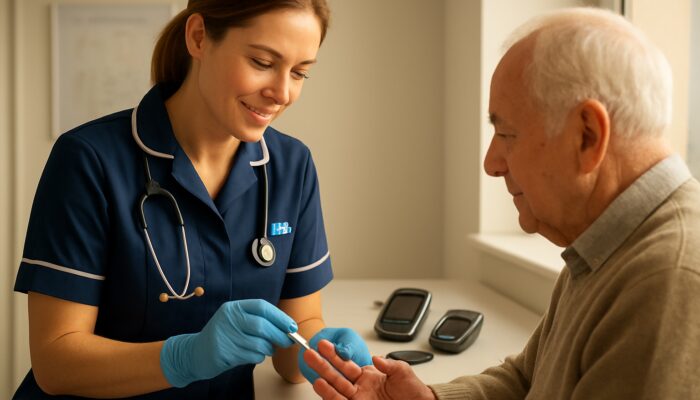
Comprehensive Guide to Diabetes Blood Testing in Norwich
What Should You Expect During Your Initial Consultation for Diabetes Testing?
Private Blood Test for Diabetes in Norwich: Residents typically start their journey towards diabetes testing with a consultation at their GP’s surgery. This initial meeting is crucial for discussing symptoms and allows the GP to review the patient’s medical history. Such discussions are vital as they enable the doctor to determine if a blood test is necessary and may lead to a referral through the NHS pathway in the UK.


The timing of the first appointment may vary based on several factors, including the severity of symptoms, patient availability, and the demand at local surgeries. GPs in Norwich strive to provide prompt care, ensuring that patients can consult their doctor swiftly, particularly when diabetes is suspected.
After a referral, patients receive clear instructions regarding the next steps, including where and when to attend for their blood test. This structured approach ensures individuals receive the necessary care without unnecessary delays, in line with NHS standards for patient management.
What Blood Sample Types Are Used for Diabetes Testing?
In Norwich clinics, blood samples for diabetes testing are predominantly collected from a vein in the arm. This method is standardised across the UK to ensure the samples are suitable for accurate analysis. The collected blood is sent to regional laboratories that specialise in measuring glucose levels and other critical markers.
The blood collection process is straightforward and typically performed by trained healthcare professionals. While patients may feel a brief discomfort during the needle insertion, the procedure is swift, with many clinics prioritising patient comfort.
Once collected, laboratories conduct a series of tests to evaluate glucose levels and other diabetes indicators. Results are generally available within a few days, allowing for timely follow-ups with healthcare providers.
How Do Local Healthcare Professionals Facilitate Diabetes Testing?
Healthcare professionals in Norwich, including nurses and doctors, play a crucial role in coordinating diabetes testing services. They work closely with the Norfolk and Norwich University Hospital to ensure that patients receive comprehensive care that meets NHS protocols. This collaboration is essential for a seamless testing process.
These professionals are not only responsible for collecting samples but also for interpreting results and discussing findings with patients. They guide individuals through the complexities of diabetes management, covering aspects such as lifestyle changes and medication options, which are vital for effective disease control.
Local providers also offer emotional support and resources, recognising that a diabetes diagnosis can be overwhelming. This holistic approach ensures that patients feel supported throughout their healthcare journey in Norwich.
What Preparations Should Patients Undertake for Blood Tests?
To ensure accurate glucose level readings, individuals in Norwich must follow specific preparation guidelines before undergoing diabetes blood tests. One primary requirement is fasting for eight to twelve hours prior to the test. This fasting period ensures that blood glucose levels are not affected by recent food intake.
Patients are encouraged to schedule their appointments in the morning to facilitate this fasting requirement. Those who find fasting challenging due to medical conditions should consult their GP for personalised advice.
During the fasting period, individuals should stay well-hydrated by drinking water, which can help ease the blood draw. Following these guidelines is essential for obtaining reliable test results that inform subsequent diabetes management strategies.
How Are Test Results Communicated to Healthcare Providers?
After the laboratory analysis of blood samples, patients in Norwich usually have a follow-up appointment with their GP to discuss the results. This meeting is critical for interpreting the findings and understanding their implications for diabetes management.
During this consultation, GPs explain the significance of the test results, including glucose levels and other relevant markers. They may also outline the next steps, which could involve lifestyle modifications, medication adjustments, or further testing as needed.
Patients are encouraged to voice any questions or concerns during this discussion. Open communication with healthcare providers is vital to ensure individuals feel informed and empowered to manage their diabetes effectively within the local healthcare framework.
What Expert Insights Are Available on Diabetes Blood Testing in Norwich?
How Are Testing Standards Upheld?
In Norwich, the NHS maintains rigorous testing standards for diabetes blood tests, ensuring patients receive high-quality care. Local practices adhere to established guidelines that govern methods for sample collection, analysis, and result interpretation. Many clinics utilise state-of-the-art technology and techniques to ensure accuracy in glucose measurements.
Real-world examples from Norwich NHS practices illustrate how these guidelines are incorporated into daily patient care. Clinics often conduct regular training sessions to keep staff informed about best practices and advancements in diabetes testing. This commitment to continuous education is crucial for upholding high care standards.
Healthcare providers actively seek patient feedback to enhance services. By listening to the experiences of individuals undergoing testing, they can refine their processes and improve the overall patient experience in Norwich.
How Are Test Results Interpreted Accurately?
Understanding diabetes test results is fundamental for ongoing management. Common readings in the UK include fasting plasma glucose and HbA1c levels, which provide insights into a patient’s blood sugar control over time. For example, an HbA1c level of 48 mmol/mol or higher typically indicates diabetes, while levels below this suggest prediabetes or normal glucose tolerance.
Expert analysis of these readings enables patients and healthcare providers to make informed decisions regarding treatment plans. Regular monitoring facilitates timely adjustments to medications or lifestyle changes, significantly impacting long-term health outcomes.
In Norwich, healthcare providers are trained to interpret these results accurately and provide tailored advice based on individual circumstances. This personalised approach ensures that patients receive the support they need to manage their diabetes effectively.
How Are Test Outcomes Linked to Local Support Services?
Integrating diabetes test results with local support services is critical for comprehensive patient care in Norwich. After receiving test results, patients are often referred to various support groups and resources available through the NHS. These services include educational workshops, nutritional counselling, and peer support groups, all of which significantly aid in diabetes management.
Patients should take proactive steps by inquiring about local resources during follow-up appointments with their GP. Many clinics have established partnerships with community organisations that offer additional support tailored to the needs of individuals living with diabetes.
Local health authorities frequently promote awareness campaigns to encourage regular testing and lifestyle modifications. This proactive approach ensures that Norwich residents have access to the necessary tools and support for effective diabetes management.
How Does the NHS Enhance Accessibility to Diabetes Testing in Norwich?

What Are the Referral Pathways for Diabetes Testing?
The NHS in Norwich has streamlined access to diabetes testing through a clear referral pathway. Patients typically start by visiting their GP, who assesses their symptoms and determines if a blood test is necessary. This initial consultation is crucial for ensuring that individuals receive timely care and appropriate testing.
Once a referral is made, patients can expect to be directed to approved facilities for testing. The NHS ensures that these facilities adhere to strict quality standards, providing reliable and accurate results. This structured approach reduces delays, enabling patients to receive the care they need without unnecessary complications.
The referral process is designed to be user-friendly, with GPs providing guidance on what to expect during testing. This transparency helps alleviate any anxiety patients may experience and encourages them to seek assistance promptly when symptoms arise.
How Is Funding Supporting Testing Services?
Public funding significantly enhances access to diabetes blood tests for residents of Norwich. Most tests are covered by the NHS, greatly reducing out-of-pocket expenses for patients. This financial support is crucial, as it encourages individuals to pursue testing without the burden of high costs.
To funding, ensuring the availability of testing services remains a top priority for the NHS in Norwich. Clinics and hospitals strive to provide patients with convenient access to testing, minimising waiting times and improving overall patient satisfaction.
Patients can access various testing locations throughout Norwich, including GP surgeries and community health centres. This broad accessibility ensures that residents can find suitable options that accommodate their schedules and needs.
What Quality Assurance Measures Are Implemented for Testing?
Quality assurance is crucial to diabetes testing in Norwich, with regular audits conducted by NHS bodies to maintain high standards across all testing centres. These audits ensure that facilities comply with established protocols and guidelines, resulting in reliable test outcomes for patients.
By monitoring performance and patient feedback, the NHS can identify areas for improvement and implement necessary changes. This commitment to quality is essential for building trust with patients and ensuring they receive accurate, timely care.
Healthcare providers in Norwich are trained to adhere to best practices in sample collection and result interpretation. This rigorous approach helps ensure that patients receive the highest level of care throughout their diabetes testing journey.
How Are Patient Education Programs Being Implemented?
The NHS in Norwich actively conducts structured educational sessions for diabetes patients, focusing on test preparation and result interpretation. These community-based workshops aim to increase understanding of blood glucose monitoring and encourage regular screening, both of which are vital for effective disease management.
During these sessions, patients learn about the importance of fasting before tests, how to interpret their results, and lifestyle changes that can positively impact their diabetes management. This knowledge empowers individuals to take charge of their health and make informed decisions.
These educational programmes foster a sense of community among participants, enabling individuals to share experiences and support one another. This peer support is invaluable for those navigating the challenges of living with diabetes in Norwich.
How Are Digital Booking Systems Improving Access?
The NHS in Norwich has embraced technology to enhance patient access to diabetes testing services. Digital booking systems are now available, allowing residents to conveniently schedule appointments from home. This innovation streamlines the appointment process and reduces waiting times, making it easier for individuals with busy schedules or limited mobility to access testing.
Patients can utilise online platforms to view available time slots and select appointments that suit their needs. This flexibility is particularly beneficial for those balancing work commitments or family responsibilities, ensuring that diabetes testing is accessible to all.
These digital systems often include reminders and follow-up notifications, helping patients stay on track with their testing schedules. This proactive approach supports better health outcomes by promoting regular monitoring and timely interventions.
How Can You Best Prepare for Your Blood Test Appointment?
What Are the Fasting Guidelines?
Most patients in Norwich are advised to fast for eight to ten hours before their blood test to achieve precise glucose readings. This fasting requirement is crucial to ensure that the results accurately reflect the patient’s baseline blood sugar levels, rather than being affected by recent food intake.
Patients should plan their appointments accordingly, ideally scheduling them for the morning to facilitate overnight fasting. Those who may find fasting difficult due to medical conditions should consult their GP for tailored advice.
It’s important to remain hydrated during the fasting period. Drinking water can help ease the blood draw process and ensure that patients are comfortable during their appointment.
What Items Should You Bring to Your Appointment?
When attending a blood test appointment in Norwich, patients should bring several key documents. These may include:
- NHS number
- List of current medications
- Identification, such as a driver’s licence or passport
- Previous test results, if available
- Details of any allergies or medical conditions
Having these documents readily available can facilitate a smoother appointment process and ensure that healthcare providers have all the necessary information to deliver optimal care.
Patients might also consider bringing along a book or something to occupy their time, especially if there may be a wait before their appointment. This preparation can help alleviate any anxiety and make the experience more comfortable.
How to Select the Right Timing for Your Appointment?
To minimise waiting times and ensure compliance with fasting, patients should aim to schedule their blood tests early in the morning at Norwich clinics. Morning appointments allow individuals to fast overnight, which is essential for accurate results.
Choosing a morning slot also helps streamline the testing process, as clinics tend to be less busy during this time. This can lead to a more efficient experience for patients, reducing the likelihood of delays.
Arriving early can provide patients with extra time to complete any necessary paperwork and mentally prepare for the test. This proactive approach helps ensure that the blood test process is as smooth and stress-free as possible.
What Are the Common Types of Diabetes Tests Offered?

What Is HbA1c Testing and Its Significance?
HbA1c testing is a vital blood test that measures average glucose levels over the previous two to three months. This test is widely available at Norwich NHS facilities and provides valuable insights into a patient’s long-term blood sugar control.
The HbA1c test is particularly important for diagnosing diabetes and monitoring ongoing management. A result of 48 mmol/mol or higher typically indicates diabetes, while lower levels suggest more effective glucose control. This information assists healthcare providers in tailoring treatment plans to individual needs.
Patients can expect to undergo regular HbA1c testing, as it is a primary indicator of diabetes management success. Consistent HbA1c assessments allow for timely adjustments to medication and lifestyle, significantly influencing long-term health outcomes.
What Is the Process for Fasting Plasma Glucose Testing?
Fasting plasma glucose testing is a standard procedure conducted in local clinics to assess baseline sugar levels in patients throughout the UK. This test requires individuals to fast for at least eight hours before blood is drawn, ensuring that results accurately reflect their true glucose levels.
In Norwich, this test is frequently used to diagnose diabetes and prediabetes. A fasting plasma glucose level of 7.0 mmol/L or higher typically indicates diabetes, while levels between 6.1 and 6.9 mmol/L suggest prediabetes.
Patients can expect to receive the results of this test within a few days, allowing for timely follow-up consultations with their healthcare providers. This quick turnaround is vital for effective diabetes management and ensures that patients receive the necessary support.
What Is the Oral Glucose Tolerance Test (OGTT)?
Patients in Norwich may undergo an Oral Glucose Tolerance Test (OGTT) at hospital outpatient departments for a comprehensive evaluation of their glucose metabolism. This extended procedure involves fasting overnight, followed by an initial blood draw to measure baseline glucose levels.
After the initial blood draw, patients consume a glucose-rich beverage, and subsequent blood samples are collected at intervals to monitor how their bodies process glucose. This test is particularly useful for diagnosing gestational diabetes and assessing insulin sensitivity.
The OGTT provides essential information about how effectively the body regulates blood sugar levels, assisting healthcare providers in making informed treatment decisions. Patients should be prepared for the time commitment involved, as the entire process can take several hours.
What Are the Research-Backed Benefits of Diabetes Blood Testing in Norwich?
Why Is Timely Detection Crucial?
Research indicates that prompt testing for diabetes in Norwich leads to improved health outcomes through timely NHS interventions. Early detection allows healthcare providers to implement management strategies sooner, significantly reducing the risk of complications associated with uncontrolled diabetes.
Studies show that individuals diagnosed early can benefit from lifestyle modifications, pharmacological treatments, and regular monitoring, all of which contribute to enhanced long-term health. The NHS in Norwich actively promotes testing at the onset of symptoms.
Community awareness campaigns further emphasise the importance of early detection by educating residents about the signs and symptoms of diabetes. This collective effort increases the likelihood of timely diagnosis and effective management.
How Does Ongoing Monitoring Contribute to Better Health?
Regular blood tests are essential for tracking treatment success among local residents. Monitoring glucose levels allows healthcare providers to evaluate the effectiveness of prescribed medications and lifestyle changes. In Norwich, patients are encouraged to undergo routine testing to ensure optimal diabetes management.
Expert guidance is available to assist patients in understanding their test results and making necessary adjustments to their treatment plans. This continuous support is vital for maintaining stable blood sugar levels and preventing complications.
Consistent monitoring instils a sense of accountability among patients, motivating them to actively engage in their health management. This engagement is critical for achieving long-term success in diabetes care.
How Does Regular Testing Prevent Complications?
Regular testing plays a significant role in preventing complications within Norwich communities. By consistently monitoring blood glucose levels, healthcare providers can identify potential issues before they develop into serious health problems.
Real-world examples illustrate how proactive testing and management can prevent complications such as neuropathy, retinopathy, and cardiovascular diseases. Patients adhering to regular testing schedules often experience fewer health issues, enhancing their overall quality of life.
Community support groups in Norwich provide valuable resources and encouragement for individuals managing diabetes. This collaborative approach promotes overall health outcomes and fosters a supportive environment for those living with diabetes.
Where Can You Access Local Testing Services?
How Are Diabetes Tests Conducted at GP Surgeries in Norwich?
Numerous GP practices in Norwich offer on-site diabetes testing, enabling residents to receive quick turnaround times through NHS networks. This accessibility ensures that individuals can have timely evaluations without extensive travel or long waiting periods.
Patients can typically arrange appointments directly with their GP, who will perform the necessary blood tests and interpret the results. This streamlined process enhances the patient experience and ensures that individuals receive appropriate care promptly.
Local GP surgeries often have established protocols for managing diabetes, allowing for comprehensive care that includes lifestyle advice and follow-up consultations. This integrated approach supports effective disease management within the community.
What Specialist Testing Options Are Available at Hospital Outpatient Clinics?
Norfolk and Norwich University Hospital provides specialised diabetes blood tests for more complex cases, ensuring that patients receive expert care tailored to their specific needs. These outpatient clinics are equipped with advanced technology and staffed by healthcare professionals with expertise in diabetes management.
Patients referred to these clinics can expect thorough evaluations and comprehensive testing options, including advanced diagnostics that may not be accessible at primary care facilities. This level of care is essential for individuals with challenging diabetes cases or those requiring specialised attention.
The hospital frequently collaborates with local GPs to ensure continuity of care, enabling seamless transitions between primary and secondary healthcare services. This partnership enhances the overall patient experience and supports effective diabetes management.
How Do Community Health Centres Provide Testing Services?
Local community health centres throughout Norwich offer accessible testing in line with NHS guidelines, ensuring residents can easily access diabetes blood tests. These centres are strategically located to serve various neighbourhoods, making it convenient for individuals to seek testing without significant travel.
Community health centres frequently provide a range of services, including diabetes education, nutritional counselling, and support groups. This comprehensive approach aids residents in effectively managing their diabetes while fostering a sense of community and support.
Patients can typically access these services without a referral, allowing for prompt testing and timely interventions. This accessibility is crucial for promoting regular monitoring and encouraging individuals to take an active role in managing their health.
What Effective Strategies Can Be Implemented for Diabetes Blood Testing in Norwich?
How to Establish a Routine for Regular Checks?
Scheduling regular diabetes checks is vital for maintaining optimal health, particularly for at-risk individuals. Healthcare providers in the UK recommend that patients with diabetes have their blood tested at least once every six months, or more frequently if their condition requires closer monitoring.
Factors influencing testing frequency may include age, duration of diabetes, and the presence of other health conditions. Patients in Norwich should consult their GP to determine an optimal schedule tailored to their individual risk factors.
By adhering to a regular testing schedule, patients can monitor their progress and make informed decisions about their management strategies. This proactive approach is essential for minimising the risk of complications and ensuring long-term health.
How to Incorporate Lifestyle Advice into Management?
Integrating lifestyle advice into diabetes management is essential for achieving optimal test results. Patients in Norwich can benefit from adopting the following key habits:
- Maintaining a balanced diet rich in whole foods
- Engaging in regular physical activity, such as walking or cycling
- Consistently monitoring blood sugar levels
- Staying hydrated and avoiding sugary drinks
These habits not only support improved test results but also contribute to overall wellbeing. Patients are encouraged to discuss lifestyle changes with their healthcare providers to develop personalised plans that align with their health goals.
Local support groups can provide motivation and accountability, helping individuals remain committed to their lifestyle modifications. This collaborative approach enhances the effectiveness of diabetes management strategies.
How to Utilise Digital Tools Provided by the NHS?
The NHS offers various digital tools that can enhance the diabetes management experience for residents in Norwich. Patients can use apps to book and review their tests, monitor their blood glucose levels, and access educational resources.
These digital tools streamline the management process, making it easier for individuals to stay organised and informed about their health. By leveraging technology, patients can receive appointment and follow-up reminders, helping them remain proactive in their care.
Many of these apps include features that allow patients to log their food intake and physical activity, offering a comprehensive view of their health. This data can be invaluable during follow-up appointments with healthcare providers.
How to Engage with Local Healthcare Providers?
Consulting local healthcare providers in Norwich is crucial for obtaining expert insights into diabetes blood testing. Patients should feel empowered to ask questions about their testing processes, results, and management strategies.
Preparing specific questions before appointments can help individuals gain a clearer understanding of their condition. Patients may inquire about the implications of their test results, recommended lifestyle changes, or available support resources.
Building a strong relationship with healthcare providers fosters open communication and ensures that patients receive personalised care tailored to their unique circumstances. This collaborative approach is vital for effective diabetes management within the NHS framework.
What Are the Aftercare and Follow-Up Procedures for Diabetes Testing?
How to Review Results with Healthcare Professionals?
After receiving test results, patients in Norwich typically meet with their GP to review the findings and discuss the next steps. This meeting is essential for understanding the implications of the results and determining the most appropriate management strategies.
During this consultation, GPs clarify the significance of the test results, including potential diagnoses and treatment options. Patients are encouraged to ask questions and express any concerns they may have, ensuring they feel informed and supported.
This collaborative approach helps individuals navigate their diabetes management journey with confidence. By closely working with their healthcare providers, patients can develop tailored plans that align with their health goals.
What Are the Recommended Ongoing Monitoring Plans?
After an initial diabetes diagnosis, patients should expect to engage in ongoing monitoring plans to ensure sustained control of their condition. Key follow-up tests recommended for patients in Norwich may include:
- Regular HbA1c testing
- Fasting plasma glucose tests
- Blood pressure monitoring
- Lipid profile assessments
These tests help healthcare providers evaluate the effectiveness of management strategies and make necessary adjustments. Regular monitoring is essential for preventing complications and promoting long-term health.
Patients should collaborate closely with their healthcare providers to establish a monitoring schedule that suits their individual needs. This proactive approach is key to successful diabetes management.
What Support Resources Are Available for Patients?
Local groups in Norwich offer education and peer support for individuals diagnosed with diabetes. These resources are invaluable for helping patients navigate the challenges of managing their condition and connecting with others who share similar experiences.
Support groups often provide educational workshops, social events, and online forums, fostering a sense of community among participants. This support network can significantly enhance the overall diabetes management experience.
Patients are encouraged to explore available resources and engage with local groups to gain insights, share experiences, and receive encouragement. This collaborative approach contributes to improved health outcomes and a stronger sense of belonging within the community.
What Are the Most Commonly Asked Questions?
What is the purpose of a blood test for diabetes?
A blood test for diabetes measures blood glucose levels to determine whether an individual has diabetes or is at risk of developing it. Common tests include fasting plasma glucose and HbA1c tests.
How long does it typically take to receive blood test results?
In Norwich, blood test results are generally available within a few days. Patients can expect to discuss their results with their GP during a follow-up appointment.
Is fasting required before a diabetes blood test?
Yes, patients are generally advised to fast for eight to twelve hours before a diabetes blood test to ensure accurate glucose level measurements.
Where can I obtain a diabetes blood test in Norwich?
Diabetes blood tests can be accessed at local GP surgeries, hospital outpatient clinics, and community health centres throughout Norwich.
What should I bring to my blood test appointment?
Patients should bring their NHS number, a list of current medications, identification, and any relevant medical history to their blood test appointment.
What are the common types of diabetes tests available?
Common types of diabetes tests include HbA1c testing, fasting plasma glucose tests, and oral glucose tolerance tests, each serving different diagnostic purposes.
How often should I have a blood test for diabetes?
Patients with diabetes are generally advised to have their blood tested at least every six months, or more frequently based on individual health needs.
What are the next steps if my blood test results indicate diabetes?
If blood test results indicate diabetes, patients will typically meet with their GP to discuss treatment options, lifestyle changes, and ongoing monitoring plans.
Are diabetes blood tests covered by the NHS?
Yes, most diabetes blood tests are covered by the NHS, significantly reducing out-of-pocket costs for residents in Norwich.
How can I manage my diabetes effectively?
Effective diabetes management involves regular monitoring of blood glucose levels, adhering to prescribed medications, and making lifestyle changes such as maintaining a balanced diet and staying active.
Visit our Facebook profile for more information!
This Article Was First Found On https://bloodtest.co.uk
The Article Diabetes Blood Test Guidance: NHS Support in Norwich found first on https://electroquench.com