Essential Strategies for Efficient House Clearance in the UK
Optimising Your Space for a Quick Clearance

High-Speed Techniques for House Clearance: Effective preparation is the foundation of a successful house clearance in the UK. Begin by evaluating the clutter in your home; take stock of the items in each room. It’s crucial to categorise these items—such as furniture, electronics, clothing, and miscellaneous items—making the process more manageable and efficient. With an average clearance time of 30-40 minutes per room, prioritising preparation helps you maximise efficiency during this task.
Next, use local waste disposal services tailored to your community’s needs. Many councils offer collection services and designated drop-off points for various types of waste, ensuring a swift turnaround. Familiarity with these local services can significantly expedite your clearance process, as you can plan around their schedules for maximum convenience.
An effective clearance toolkit can prove invaluable. Here are essential tools to have readily available:
- Sturdy refuse sacks
- Cardboard boxes for sorting
- Label maker for organisation
- Dolly or hand truck for heavy items
- Protective gloves
- Measuring tape for larger furniture
- Cleaning supplies for post-clearance tidying
These items not only prepare you for a swift clearance but also enhance safety and organisation. When properly equipped, you can approach the task with confidence, knowing you are set up for success in achieving your clearance goals.
What Tools Are Necessary for Quick Clearance?
To facilitate a rapid house clearance, possessing the right tools is essential. Durable bags and skips are key components, readily available from various UK suppliers. These tools not only assist in the swift removal of items but also ensure compliance with local regulations, helping to avoid unnecessary delays. By employing these resources, you could potentially reduce your clearance time by around 50%, particularly in urban settings where space is at a premium.
In addition to bags and skips, consider acquiring tools such as furniture sliders to ease the movement of heavier items and minimise physical strain. Investing in a high-quality set of assembly/disassembly tools is also wise, as many pieces of furniture may require this to navigate tight spaces effectively. Ultimately, using these resources enables a seamless, efficient clearance process, helping you achieve your goals.
How to Manage Waste Disposal Effectively?
Efficient waste disposal is crucial for ensuring a smooth house clearance process. Begin by sorting recyclables in accordance with UK guidelines. Most councils provide specific instructions on waste segregation, which can streamline disposal and minimise environmental impact. Utilise your local council facilities for hazardous items, such as batteries or chemicals, to ensure compliance with safety regulations.
Coordination with local waste management services is also essential. Schedule your pickups or plan trips to drop-off points in advance to reduce waiting times. By proactively managing waste disposal, you can ensure your clearance remains on track, enabling a faster turnaround in typical British households.
How Does High-Speed House Clearance Operate in the UK?

Planning Steps for Quick and Effective Results
Effective initial planning lays the groundwork for a successful high-speed house clearance. Start by mapping the rooms in your UK property and identifying areas likely to have the most clutter. This strategic approach allows you to prioritise high-clutter zones, ensuring that the most challenging spaces are tackled first. Additionally, consider scheduling your clearance for local daylight hours; working during the brightest parts of the day can significantly improve your efficiency and productivity.
With a clear plan in place, you can optimise your time and effort, resulting in faster completion. This methodical approach can be a game-changer in typical British homes, where proper planning directly correlates with the speed and success of the clearance process.
Key Phases of the Clearance Process
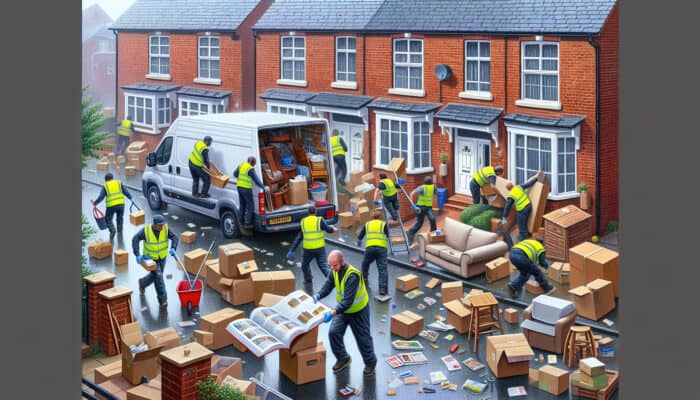
Understanding the key stages of the clearance process is vital for maintaining momentum. Begin by sorting items into designated categories: keep, donate, recycle, or dispose. This preliminary step establishes a clear pathway for the clearance itself. It’s crucial to use tools suited to UK weather conditions, especially if you’re working outdoors, as unpredictable British weather can significantly impact your schedule.
Next, remove the sorted items. Move quickly through each category, ensuring that items designated for disposal are efficiently loaded into your skip or bagged up and ready for collection. This organised sequence not only keeps the process flowing but also reduces the likelihood of second-guessing your decisions—a common pitfall in longer, more drawn-out clearances.
What Common Pitfalls Should Be Avoided During Clearance?

When undertaking a house clearance, certain pitfalls can significantly hinder progress. One of the most common mistakes is overlooking the need for local waste carrier licensing in the UK. Ensure that any service you engage complies with local regulations to avoid fines and delays. Always verify that they are fully licensed and insured, as this is crucial to maintaining smooth, complication-free operations.
Another mistake is failing to communicate effectively with your team if you’ve organised one. Clear roles and responsibilities are essential to avoid confusion and downtime. By anticipating these common errors, you can develop strategies to prevent them, resulting in a smoother, more efficient clearance process overall.
What Environmental Considerations Should Be Made During UK House Clearance?
Adhering to British environmental regulations is paramount during house clearance. This not only helps avoid penalties but also integrates eco-friendly methods that can expedite the process. Understanding how to recycle and segregate waste in accordance with local guidelines properly is vital; this knowledge can prevent delays caused by improper disposal practices.
Incorporating eco-friendly practices not only benefits the environment but can also enhance overall clearance speed. For instance, using reusable bags and containers minimises waste while streamlining your process. By being conscious of your environmental footprint, you can ensure efficient operations that align with sustainable practices in UK homes.
How Can Team Coordination Boost Clearance Speed?
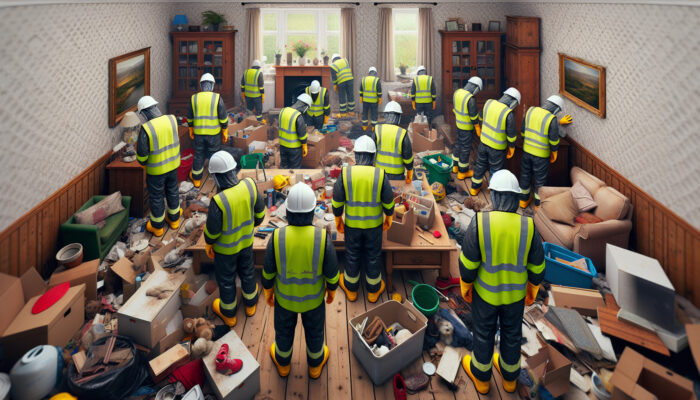
Organising a coordinated team for house clearance can greatly enhance speed and efficiency. Clear communication is fundamental; ensure that every team member understands their specific role and responsibilities. This minimises downtime, allowing the clearance to flow seamlessly without unnecessary interruptions.
Assign specific tasks based on individuals’ strengths to optimise productivity. For instance, some team members may excel at heavy lifting, while others are better suited for sorting and organisation. By fostering a collaborative environment, you create a situation where every member works toward a common goal, leading to optimal results in British settings.
Expert Insights on Techniques for High-Speed House Clearance
Advanced Strategies from UK House Clearance Specialists
Drawing on the expertise of British specialists in house clearance can provide invaluable insights to enhance speed and accuracy in the process. For instance, professionals often recommend implementing a “one-room-at-a-time” approach. This method involves clearing an entire room before moving on to the next, which can foster a sense of accomplishment and sustain momentum throughout the clearance.
Utilising local knowledge can also significantly boost efficiency. For example, understanding the best routes for waste collection or how to access nearby recycling facilities can save crucial time. Engaging professionals familiar with the nuances of local homes ensures you’re using the most effective techniques tailored to your specific circumstances, ultimately leading to a more successful clearance.
What Are the Most Effective Coordination Techniques for Teams?
Effective team coordination is essential for a successful house clearance. Start by assigning tasks to crew members based on their familiarity with UK property layouts to ensure clearance is executed seamlessly and efficiently.
The following coordination tips from industry leaders can greatly enhance your efforts:
- Set clear objectives for each phase of the clearance.
- Utilise a walkie-talkie or mobile app for instant communication.
- Conduct a quick briefing before starting to align everyone on the plan.
- Assign a lead person to oversee the process and make real-time decisions.
With a well-structured plan and designated roles, your team can function like a well-oiled machine, optimising the overall efficiency of high-speed house clearances.
How to Measure Success in House Clearance Efforts?
Success in house clearance can be quantified through real-world examples from UK case studies. One notable example is a family that cleared their three-bedroom house in just under five hours by using high-speed techniques. By tracking time savings and effectiveness, they identified which strategies worked best and refined their approach for future clearances.
Additionally, metrics such as waste volume removed or items sorted can further demonstrate success. Using specialist insights enables you to benchmark against industry standards, ensuring your clearance efforts are efficient and effective.
Research-Backed Benefits of High-Speed Techniques for House Clearance
What Evidence Do UK Studies Provide on Efficiency Gains?
British research has shown that employing high-speed techniques for house clearance can lead to significant efficiency gains. Studies indicate that homes that implement these methods can reduce clearance time by up to 30%. Practical steps, such as pre-sorting items and using local waste disposal services, contribute to these positive findings.
By applying these evidence-based strategies in local contexts, homeowners can achieve comparable time savings. This data not only demonstrates the effectiveness of high-speed techniques but also identifies actionable steps to integrate into everyday clearance practices.
What Are the Health and Safety Advantages in British Homes?
The health and safety benefits of rapid house clearances are supported by UK health guidelines, which emphasise reduced injury risk during fast-paced clearances. One of the primary advantages is the minimisation of heavy lifting, which can lead to strains or accidents. By using tools such as dollies and furniture sliders, you can significantly enhance safety and expedite the process.
Furthermore, implementing safety protocols—such as wearing gloves and proper footwear—ensures that the team remains protected throughout the clearance. By prioritising health and safety, you not only comply with regulations but also create a more secure environment for everyone involved in the process.
What Long-Term Savings Can Be Achieved Through Efficient Clearance Techniques?
Applying high-speed techniques for house clearance delivers substantial cost and time savings in UK homes. Families have reported savings on removal costs, as faster clearances often result in lower service fees from waste management companies. Moreover, streamlining the process reduces the risk of additional charges from extended clearance times, thereby enhancing overall value.
In terms of time, homeowners can reclaim hours previously spent on prolonged cleanouts, allowing them to focus on settling into their new spaces. Overall, the long-term savings from efficient clearance techniques can be significant, making them a worthwhile investment for any homeowner.
What Are the Key Challenges in High-Speed House Clearance?
Identifying Obstacles Common in UK Properties
Navigating the unique challenges of UK properties is crucial to effective house clearance. Common obstacles include narrow staircases and tight doorways, which can impede the movement of larger items. To overcome these challenges, it’s beneficial to measure furniture and plan routes in advance, ensuring that you’re fully prepared for any potential complications that may arise during the clearance process.
Additionally, consider the impact of weather conditions, particularly in the U, where rain can be unpredictable. Incorporating contingency plans for adverse weather can help maintain momentum and ensure your clearance remains on track, regardless of external factors.
How to Adapt to Space Limitations Effectively?
Space limitations in typical UK homes can pose real challenges during house clearances. Understanding how to manage confined areas is essential for maintaining speed without compromising efficiency. For instance, using smaller furniture sliders can help manoeuvre items in tight spaces, while also being mindful of your surroundings to avoid damaging the property or the items being moved.
Moreover, enlist the help of additional hands—whether from family members or friends—to assist in moving items. This collaborative effort can make a significant difference in confined areas, ensuring the process remains swift and efficient while fostering teamwork.
What Solutions Exist for Unexpected Issues During Clearance?
Unexpected issues often arise during house clearance, particularly when hidden items are discovered in cupboards or attics. To maintain momentum, it’s vital to have contingency plans in place. First, designate a specific area for any unplanned items, allowing the team to continue clearing while addressing them later.
Additionally, open dialogue among team members ensures everyone is aligned on tasks and responsibilities. By anticipating potential surprises and preparing in advance, you can effectively manage these challenges without compromising the speed of your clearance efforts.
Best Practices for Implementing High-Speed Techniques
Customising Approaches for Different Types of UK Homes
Customising clearance methods to suit various property types in Britain is crucial for achieving optimal results. For instance, flats may require different strategies than larger houses, particularly regarding access to recycling facilities or skip placement. Tailoring your approach to the property’s unique characteristics can significantly improve clearance efficiency and ensure a better outcome.
Incorporating features unique to British homes, such as built-in storage or attic spaces, can also inform your strategy. Understanding these nuances enables a more targeted approach, ensuring your clearance is both effective and respectful of the property’s layout and design.
How to Maintain Safety While Accelerating the Clearance Process?
Maintaining safety while accelerating the clearance process is paramount, particularly to ensure compliance with UK standards. Start by conducting a thorough risk assessment before beginning the clearance. Identify potential hazards, such as loose wiring or unstable furniture, and address them before commencing work to prevent accidents.
Encourage the use of personal protective equipment, such as gloves and sturdy footwear, to ensure safety throughout the process. By fostering a culture of safety and vigilance, you can effectively balance the need for speed with the need to maintain a secure work environment for everyone involved in the clearance.
Finalising and Reviewing the House Clearance Process
Finalising and reviewing the clearance process is essential for ensuring completeness in British settings. Once clearance is complete, conduct a thorough walkthrough of the property to confirm that all items have been addressed and that no clutter remains. This step not only provides peace of mind but also helps identify any areas for improvement in future clearances.
Utilise feedback from team members and participants to refine future efforts. By reviewing what worked well and what didn’t, you can adapt your techniques to achieve even greater efficiency in subsequent clearances, ensuring a more streamlined approach in the future.
Integrating Technology for Enhanced Speed and Efficiency
Integrating technology can significantly enhance high-speed techniques in house clearance within the UK. Mobile applications tailored to inventory management can streamline the sorting process, ensuring items are efficiently categorised and tracked throughout clearance. Furthermore, automated waste-disposal booking systems can minimise errors and optimise time, leading to smoother operations.
It’s vital to ensure that all technological tools meet British safety standards and that users receive adequate training in their operation. By leveraging technology effectively, you can reduce human errors, optimise clearance times, and improve overall efficiency across various property types, ultimately benefiting the entire clearance process.
What Role Does Sustainability Play in High-Speed Practices?
Promoting eco-friendly methods is integral to high-speed house clearance in the UK. Using recyclable materials and energy-efficient equipment helps reduce the environmental impact of your clearance efforts. Aligning your practices with UK sustainability regulations can also enhance your reputation as a responsible homeowner or service provider, fostering trust and credibility within your community.
Regular audits of your processes can help identify opportunities to integrate sustainability further. Balancing speed with sustainability goals not only contributes to a healthier planet but also ensures your practices are forward-thinking and responsible, appealing to environmentally conscious homeowners.
Frequently Asked Questions
What is the typical duration for a house clearance in the UK?
The average time for a house clearance in the UK is typically one to three days, depending on the property size and the volume of items to be cleared.
Are there specific regulations governing waste disposal in the UK?
Yes, the UK has strict regulations on waste disposal, including licensing requirements for waste carriers and guidelines for recycling and hazardous waste management, to ensure compliance with environmental standards.
How can I ensure my house clearance is environmentally friendly?
To ensure eco-friendly clearance, sort items for recycling and reuse, hire licensed waste disposal services, and avoid sending items to landfill whenever possible to minimise environmental impact.
What tools are essential for an effective house clearance?
Essential tools include refuse sacks, sorting boxes, furniture sliders, protective gloves, and a dolly for moving heavy items more easily and safely.
How can I expedite the house clearance process?
Accelerate the process by organising items in advance, utilising efficient waste disposal methods, and coordinating a skilled team to handle the workload effectively, thereby enhancing overall efficiency.
Can I undertake a house clearance myself, or should I hire professionals?
You can certainly perform a house clearance yourself, but hiring professionals can save time and ensure compliance with local regulations, especially for larger clearances that may be more complex.
What are the common pitfalls to avoid during a house clearance?
Common pitfalls include failing to sort items effectively, overlooking local waste-disposal regulations, and failing to clearly communicate roles among team members, all of which can hinder progress.
How do I manage hazardous waste during a clearance?
Manage hazardous waste by researching local disposal facilities that accept such materials and by following your local council’s guidelines for safe disposal, ensuring regulatory compliance.
What is the best way to handle sentimental items during a clearance?
Take your time with sentimental items, setting them aside for later consideration. This approach enables emotional processing without slowing overall clearance, ensuring a balanced approach.
How can technology assist in house clearance?
Technology can assist by providing tools for inventory management, scheduling waste pickups, and improving communication among team members, ultimately enhancing efficiency during the clearance process.