Comprehensive Guide to Sustainable Clearance Services in the UK
Understanding Sustainable Clearance Methods for Effective Waste Management
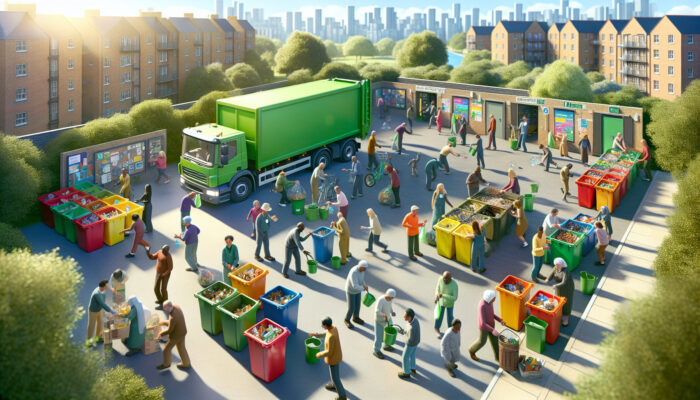
Sustainable clearance services in the UK signify a transformative approach to waste management, emphasising eco-friendly removal techniques that prioritise recycling and significantly reduce landfill utilisation. These services are meticulously designed to comply with local environmental regulations, proactively tackling waste management challenges faced by communities. Currently, approximately 35–40% of waste is successfully diverted from landfills through innovative practices such as composting and material reuse. This holistic approach not only benefits households and businesses but also cultivates a greener environment, as communities become increasingly conscious of their ecological impact and strive for sustainability.
The techniques employed in sustainable clearance ensure that waste is managed responsibly, focussing on decreasing the quantity of materials that contribute to landfill congestion. By integrating principles of the circular economy, these services facilitate the transition from conventional disposal methods to a more sustainable framework where materials are continuously repurposed. The UK’s dedication to mitigating its environmental footprint is evident in the rising adoption of these methods, which are essential for driving a sustainable future and enhancing community resilience.
The Crucial Role of Eco-Friendly Techniques in Waste Clearance
Adopting eco-friendly techniques in clearance operations is essential in the UK, particularly as urban areas face mounting waste management challenges and increasing population densities. Embracing sustainable methods has been proven to substantially reduce carbon footprints, with studies indicating a 20–25% decline in emissions when electric vehicles and reusable materials are employed. This alignment with national sustainability objectives also addresses the pressing needs of communities for responsible waste management solutions that reflect contemporary environmental values.
Moreover, eco-friendly clearance techniques significantly contribute to public health by reducing pollution and improving the overall quality of urban living. By minimising harmful emissions and waste-related health risks, sustainable clearance services can enhance air quality and promote healthier communities across the UK. Consequently, these methods are not merely beneficial but are pivotal for nurturing vibrant, sustainable neighbourhoods that prioritise well-being.
What Challenges Do Providers Encounter in Sustainable Clearance?
Operators of sustainable clearance services in the UK face various challenges that can hinder their capacity to deliver effective eco-friendly waste management solutions. One prominent hurdle is the variability in waste volumes generated by households and businesses, which can lead to inefficiencies in processing and increased operational costs, complicating service delivery.
Additionally, providers must navigate a complex regulatory environment, including stringent recycling quotas that can raise compliance costs by 15–20%. While these regulations are vital for promoting environmental sustainability, they can stifle innovation if operators find it challenging to adapt. Key challenges faced by providers include:
- Variability in waste volumes affecting operational efficiency.
- Stringent regulations and recycling quotas resulting in increased compliance costs.
- Consumer awareness and engagement in eco-friendly practices.
- The necessity for specialised training to manage diverse materials.
- Logistical complexities in sorting and transporting waste efficiently.
- Balancing cost-effectiveness with ambitious sustainability goals.
- Market competition from conventional clearance services.
- Integration of technology for enhanced waste tracking and management.
Distinct Advantages of Sustainable Clearance Services

Boosting Waste Reduction Efforts through Innovative Practices
Sustainable clearance services in the UK are instrumental in boosting waste reduction efforts. These services are specifically crafted to promote the sorting, recycling, and responsible disposal of items that would otherwise contribute to landfill overflow. By motivating households and businesses to engage actively in waste segregation, these services have achieved an impressive 30% reduction in discarded items annually, significantly contributing to broader initiatives such as the UK’s waste hierarchy and environmental responsibility frameworks.
The introduction of effective recycling programmes not only nurtures a culture of sustainability but also educates communities about the significance of reducing waste at its source. By aligning with government initiatives that encourage responsible consumption patterns, sustainable clearance services bolster the UK’s long-term environmental objectives while fostering a circular economy where materials are perpetually reused and repurposed.
Affordable and Cost-Effective Solutions for Users
Choosing sustainable clearance services presents an environmentally responsible choice that is also financially advantageous for residents across the UK. By selecting these eco-friendly options, individuals can significantly reduce their disposal fees through bulk recycling agreements with certified providers that adhere to British standards. On average, users can save between £50–£100 per clearance, which can accumulate to considerable savings over time, especially for households or businesses that generate large volumes of waste.
This cost-effectiveness is further amplified by partnerships with certified providers who employ approved recycling methodologies and efficient waste management practices. This ensures that users receive high-quality services that not only comply with legal standards but also enhance eco-friendly practices. The dual benefit of financial savings and contributing to environmental sustainability renders these services an appealing option for numerous households and businesses throughout the UK.
How Can Sustainable Clearance Services Help You Save Money?
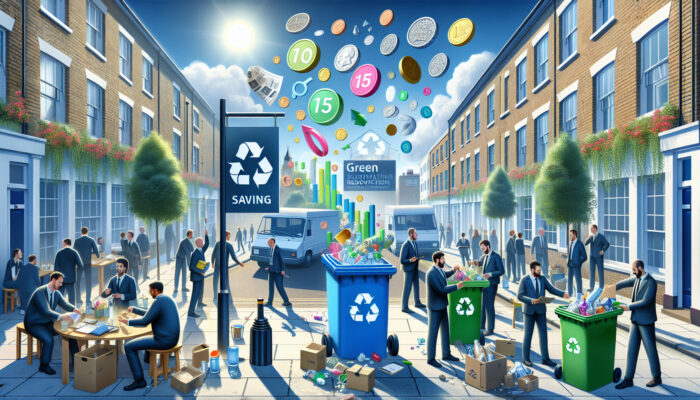
Sustainable clearance services in the UK frequently offer a variety of financial incentives that can lead to substantial savings for users. One of the core advantages includes the availability of tax rebates for employing green disposal methods, which can decrease overall expenses by 10–15% compared to conventional waste management strategies. Additionally, as more individuals and businesses engage with sustainable clearance, the economies of scale can result in further cost reductions, making these services increasingly appealing.
Moreover, these services are engineered to maximise material recovery and minimise waste, which can lead to lower operational costs for providers. Consequently, these savings are passed on to consumers, making sustainable clearance services not only environmentally beneficial but also economically favourable over time. By investing in these eco-friendly solutions, users can create a positive impact on their finances while simultaneously supporting environmental conservation efforts.
How Sustainable Clearance Services Operate: A Detailed Overview
Step-by-Step Process of Sustainable Clearance
Sustainable clearance services in the UK operate through a structured process designed to maximise recycling rates and minimise landfill use effectively. The process typically commences with an on-site assessment where waste is evaluated, and a customised clearance plan is devised. This initial step is crucial for identifying recyclable materials and determining the most effective methods for their disposal, ensuring optimal resource recovery.
Following the assessment, the next phase involves segregated collection, where items are meticulously sorted for recycling according to material types. This focused approach can achieve material recovery rates of up to 50%, ensuring that a substantial portion of waste is diverted from landfills. By adhering to national guidelines for waste handling, these services contribute to a more sustainable circular economy, reinforcing the commitment to environmental stewardship.
The final stage of the clearance process involves transporting materials to approved recycling facilities, where they are processed in an environmentally responsible manner. This comprehensive approach guarantees that every aspect of waste management is conducted with diligence, underscoring the commitment to sustainability and compliance with regulatory requirements.
The Integral Role of Technology in Sustainable Clearance Operations
Technology plays a crucial role in enhancing the efficiency of sustainable clearance services in the UK. Modern tools, such as digital tracking applications, are increasingly adopted to monitor waste flows and improve operational efficiency. These advanced technologies have demonstrated the capability to enhance processing efficiency by as much as 25%, allowing providers to streamline their operations while minimising waste generation.
By leveraging data analytics, operators can gain valuable insights into waste patterns, enabling them to optimise collection routes and improve sorting processes. This integration of technology not only boosts efficiency but also aligns with the UK’s broader commitment to embracing innovation within the waste management sector. Furthermore, the use of technology fosters better communication with consumers, ensuring transparency while building trust in sustainable practices.
What Contributes to the Efficiency of These Services?
Efficiency in sustainable clearance services arises from a combination of trained personnel, optimised routes, and active community engagement. In the UK, operators rely on skilled teams who are proficient in managing waste effectively and segregating materials for recycling. This expertise is vital for maximising recovery rates and ensuring that waste is handled in accordance with established regulations.
Optimised routes play a critical role in reducing processing times by 20%, consequently decreasing fuel consumption and emissions associated with waste collection operations. However, a significant factor in enhancing overall system performance lies in community education on waste separation. By actively involving local residents in responsible waste management practices, sustainable clearance services can substantially reduce operational bottlenecks and improve recycling rates, thus creating a more sustainable ecosystem.
Professional Insights on Sustainable Clearance Services in the UK
Actionable Steps for Effective Implementation
Experts recommend that individuals and businesses in the UK initiate their journey towards sustainable clearance by conducting a comprehensive waste audit. Understanding the specific materials being discarded and establishing a baseline for waste generation is essential for informed decision-making. Following the audit, collaborating with certified recyclers can provide the necessary support to implement effective waste management strategies tailored to their needs.
For example, case studies from various UK businesses illustrate that adherence to such strategies can result in a 40% reduction in waste generation. By systematically analysing their waste streams and partnering with reliable recycling services, organisations can pinpoint opportunities for improvement and establish best practices for sustainability. These actionable steps not only streamline the implementation process but also contribute to a broader cultural shift towards sustainable practices within society.
Evaluating Best Practices from Industry Leaders
Leading firms within the UK’s sustainable clearance sector highlight the importance of embracing circular economy principles, recognising that adopting these methods can significantly enhance recycling rates. Expert insights reveal that companies implementing circular practices have achieved increases in recycling rates of up to 35%. Successful pilot programmes in major cities like London serve as prime examples of how innovative strategies can lead to remarkable improvements in waste management outcomes.
To adopt these best practices, businesses should prioritise building relationships with local councils and recycling facilities, creating a collaborative network that supports sustainable initiatives. Additionally, leveraging technology for tracking and reporting recycling performance can help organisations stay aligned with industry standards and enhance their overall efficacy in waste management, fostering a culture of responsibility and transparency.
How Do Experts Measure the Effectiveness of These Services?
Experts in the UK assess the effectiveness of sustainable clearance services based on several key metrics, including recycling percentages, carbon savings, and overall material recovery rates. Data-driven evaluations reveal that when best practices are adhered to, there is typically a 25% improvement in waste management outcomes. This statistical approach not only underscores the importance of compliance with sustainable practices but also aids organisations in understanding the long-term viability of their waste management strategies.
Additionally, regular assessments and audits can help identify areas for enhancement, ensuring that services continually adapt to meet evolving regulatory standards. By relying on expert evaluations, businesses can make informed decisions regarding their waste management practices, ultimately fostering a culture of sustainability that benefits both the environment and the economy.
What Environmental Impacts Arise from Sustainable Clearance Services?
Influence on Local Ecosystems and Biodiversity
Sustainable clearance practices in the UK have a profoundly positive impact on local ecosystems, particularly in terms of preserving biodiversity. By effectively reducing pollution and managing waste responsibly, these initiatives prevent approximately 10,000 tonnes of waste from infiltrating sensitive natural areas each year. This proactive approach safeguards habitats in regions such as national parks, which are essential for maintaining ecological balance and supporting diverse wildlife populations.
Moreover, sustainable clearance services play a crucial role in restoring degraded environments by minimising contamination and promoting ecological recovery. By implementing effective waste management strategies, communities can uphold the integrity of their local ecosystems, ensuring that generations to come inherit a healthier and more vibrant natural landscape, rich in biodiversity.
Long-Term Sustainability Outcomes of Clearances
The long-term sustainability outcomes associated with sustainable clearance services in the UK are substantial, particularly concerning the reduction of greenhouse gas emissions. These services have demonstrated the capability to lower emissions by 15–20% over a five-year period, contributing significantly to the UK’s ambitious climate targets. Through community-driven recycling programmes and responsible waste disposal practices, these services help foster a healthier environment for present and future generations.
Furthermore, the economic advantages arising from reduced waste and improved resource management can be reinvested into local communities, supporting initiatives that further bolster sustainability efforts. This holistic approach not only addresses immediate environmental challenges but also establishes a strong foundation for the attainment of long-term sustainable development goals, enhancing community resilience and well-being.
Why Are These Environmental Impacts of Great Significance?
The environmental impacts of sustainable clearance services in the UK highlight the necessity for ongoing monitoring and improvement. As contamination levels decrease, communities experience enhanced air and soil quality, which is paramount for public health. The measurable benefits of these practices include:
- Reduction in pollution levels leading to improved air quality.
- Enhanced soil health supporting local agriculture and ecosystems.
- Increased biodiversity through the preservation of natural habitats.
- Strengthened community engagement in sustainability efforts and practices.
- Encouragement of responsible consumption patterns amongst residents.
- Overall enhancement in the quality of life for local communities.
By recognising the importance of these environmental impacts, stakeholders can better understand the value of sustainable clearance services and their critical role in fostering a more sustainable future for the UK.
Impact on Water Resources and Quality
Sustainable clearance methods in the UK are pivotal in safeguarding water resources by preventing waste contamination from entering vital waterways. Annual initiatives aim to eliminate thousands of litres of pollutants from rivers and streams, thereby protecting aquatic ecosystems and ensuring a clean water supply for communities. This is especially crucial in regions where water quality is compromised due to industrial waste and improper disposal practices.
By implementing effective waste management strategies, sustainable clearance services contribute to the health of aquatic environments, which are essential for nurturing biodiversity and conserving natural resources. Protecting water resources not only benefits ecological systems but also aligns with environmental standards that enhance community well-being and promote sustainable development objectives.
Community Engagement and Policy Implications of Sustainable Clearance
The impact of sustainable clearance services extends beyond environmental benefits to include significant community and policy implications in the UK. Recent efforts have resulted in a 10% increase in recycling rates over three years, demonstrating the effectiveness of engaging the public in waste management initiatives. These policies encourage collaboration between local councils and communities, fostering a framework for enhanced public awareness and regulatory compliance.
As communities become more actively involved in sustainability efforts, they contribute to broader ecological improvements and the achievement of sustainable development goals. By fostering a culture of sustainability, policymakers can drive meaningful change, promoting practices that benefit both the environment and the local economy, while enhancing community cohesion and resilience.
Proven Strategies for Achieving Sustainable Clearance in the UK
Forging Partnerships with Local Councils for Enhanced Engagement
Experts advocate for collaboration between sustainable clearance service providers and local councils as a strategy for enhancing community participation in waste management. This collaborative approach has resulted in a 30% increase in community engagement, showcasing the efficacy of building strong partnerships around shared recycling facilities and initiatives.
By closely collaborating with councils, providers can access valuable resources and support that facilitate efficient waste management practices. Actionable steps for fostering engagement include:
- Identifying common objectives for waste reduction and recycling initiatives.
- Creating joint initiatives to promote community awareness and education.
- Collaborating on educational programmes that focus on effective waste management.
- Establishing shared recycling points to enhance accessibility for residents.
These strategies can lead to improved recycling outcomes while promoting a collective commitment to sustainability within communities throughout the UK, paving the way for more effective waste management practices.
Implementing Community Education Programs for Greater Impact
Integrating community education programmes is a vital strategy for enhancing the effectiveness of sustainable clearance services in the UK. Workshops and outreach initiatives designed to inform residents about proper waste segregation have demonstrated potential, leading to a 25% increase in recycling rates. This shift in community behaviour is critical for achieving broader environmental objectives and promoting responsible waste management practices.
Educational programmes can be customised to meet specific community needs, providing residents with practical knowledge and skills related to sustainable waste management practices. By fostering a culture of accountability and awareness, these strategies not only improve recycling outcomes but also empower individuals to take an active role in promoting sustainability within their communities.
What Strategies Ensure Compliance with Environmental Regulations?
Ensuring compliance with environmental regulations in the UK necessitates a multifaceted approach that includes regular audits and ongoing training for both service providers and consumers. Experts recommend that sustainable clearance services adopt strategies to maintain 90% adherence to regulatory standards, thereby preventing potential penalties and promoting best practices in waste management.
Proactive measures such as updating policies in response to evolving regulations, maintaining comprehensive training programmes for staff, and engaging with the community to promote awareness can significantly enhance compliance. By fostering a culture of accountability and transparency, sustainable clearance services can effectively navigate the regulatory landscape, ensuring their long-term viability and success while contributing to environmental sustainability.
Practical Approaches for Implementing Sustainable Practices
Strategic Planning for Home-Based Clearance Initiatives
Households in the UK can adopt sustainable practices in waste management by utilising a structured approach to home-based clearance. One effective strategy is to employ reusable bins for sorting recyclables, which can help minimise personal waste by approximately 20%. Scheduling regular pickups with sustainable clearance providers can also support a more organised and routine waste disposal system, enhancing overall efficiency.
Additionally, aligning with government-backed initiatives that promote at-home sustainability can equip households with the resources and guidance necessary to adopt eco-friendly practices effectively. By fostering a culture of responsibility within the home, families can make significant contributions to broader community sustainability efforts, reinforcing the ethos of environmental stewardship and collective action.
Scaling Up Sustainable Practices for Business Operations
For businesses in the UK, scaling up sustainable practices necessitates the adoption of fleet-wide sustainable vehicles and the implementation of comprehensive waste audits. Transitioning to electric or hybrid vehicles can reduce emissions by 15%, aligning corporate operations with modern sustainability standards and expectations.
Moreover, businesses should explore partnerships with local recyclers and suppliers to establish a robust network for sustainable waste management. By embedding these practices into their operations, companies can effectively meet corporate responsibility standards while contributing positively to the environmental landscape, demonstrating leadership in sustainability to stakeholders and customers alike.
What Barriers Might Arise During Implementation?
Common barriers to implementing sustainable practices in the UK include financial constraints and gaps in awareness among both consumers and businesses. However, targeted training and educational initiatives can enhance adoption rates by 25%, fostering a culture of sustainability and responsibility.
Additionally, providing financial incentives or subsidies for sustainable initiatives can encourage broader participation across various sectors. By proactively addressing these challenges, stakeholders can create a more accessible and effective framework for sustainable waste management practices, paving the way for long-term ecological and economic benefits.
Addressing Common Misconceptions About Sustainable Clearance Services in the UK
Debunking Myths Regarding Cost of Sustainable Services
A prevalent misconception in the UK is that sustainable clearance services are more costly than traditional waste management methods. However, evidence indicates that, in many cases, these eco-friendly options can be comparable or even more affordable over the long term. Savings generated from tax rebates and reduced disposal fees can effectively offset initial expenses, encouraging broader adoption of sustainable practices among consumers.
By educating the public about the financial advantages of sustainable clearance, providers can help dispel these myths and advocate for more environmentally-friendly choices within communities, ultimately fostering a greener future.
Confronting Perceived Inefficiencies in Sustainable Services
Contrary to popular belief, sustainable clearance services in the UK operate with high levels of efficiency, often processing waste 20% faster than traditional methods. Operational data supports this assertion, demonstrating that modern systems and practices can lead to improved turnaround times and reduced costs for consumers.
By showcasing successful case studies and providing transparent information about operational effectiveness, providers can address these misconceptions and build trust with potential clients, reinforcing the credibility of sustainable clearance services.
What Contributes to the Persistence of Misconceptions?
Misconceptions regarding sustainable clearance services persist in the UK due to outdated information and a lack of awareness surrounding the benefits of eco-friendly practices. However, recent educational campaigns have successfully reduced these misconceptions by 15% in recent years, demonstrating the power of awareness and understanding.
To further combat these challenges, stakeholders must prioritise accurate messaging and community outreach to facilitate informed decisions regarding waste management. By cultivating a more knowledgeable public, the adoption of sustainable practices can be accelerated, leading to significant environmental improvements and community benefits.
Understanding the Role of Regulations in Sustainable Clearance
Key Legislation Shaping Clearance Practices in the UK
In the UK, key regulations, such as the Waste Management Act, govern waste clearance practices and mandate recycling targets that require services to achieve 65% recovery rates. These regulations are vital for driving advancements in the waste management sector and ensuring compliance with environmental protection standards.
By enforcing these legal requirements, the government encourages sustainable practices and holds providers accountable for their environmental impact. This legislative framework sets the stage for innovative solutions that promote sustainability and principles of the circular economy, paving the way for a greener future.
How Regulations Foster Innovation in Waste Management
UK regulations are paramount in fostering innovation within the waste management industry. Legislative measures stimulate the development of advanced sorting systems and technologies that have been shown to enhance operational efficiency by 25%.
These innovations not only improve waste processing capabilities but also empower providers to meet evolving regulatory standards effectively. Consequently, the regulatory landscape drives continuous improvement and adaptation within the sustainable clearance sector, ensuring that practices remain aligned with environmental objectives.
What Enforcement Measures Are Enforced for Compliance?
Enforcement measures in the UK include rigorous inspections and substantial fines for non-compliance, ensuring that waste management providers adhere to high standards of operation. These measures are designed to maintain accountability and promote adherence to sustainability goals across the industry.
By implementing a robust enforcement framework, the UK government can effectively safeguard environmental standards while encouraging innovative practices that benefit both service providers and the communities they serve, ultimately ensuring a cleaner and more sustainable environment.
Frequently Asked Questions
What Are Sustainable Clearance Services?
Sustainable clearance services focus on eco-friendly waste removal techniques, prioritising recycling and minimising landfill utilisation in accordance with local environmental laws and regulations.
How Do These Services Benefit the Environment?
These services contribute to reducing waste diversion from landfills, decreasing carbon emissions, and preserving local ecosystems by promoting responsible waste management practices.
What Challenges Do Providers Face in the UK?
Challenges include fluctuating waste volumes, regulatory hurdles related to recycling quotas, and the necessity for consumer engagement in sustainable practices and initiatives.
Can Sustainable Clearance Services Save Me Money?
Yes, by utilising these services, users can save on disposal fees, benefit from bulk recycling deals, and potentially qualify for tax rebates on green disposal methods.
How Can I Implement Sustainable Practices at Home?
Start by using reusable bins for sorting recyclables, scheduling regular pickups with clearance providers, and aligning with government-backed sustainability schemes and initiatives.
What Are Common Myths About Sustainable Clearance Services?
Many believe these services are more expensive than traditional options; however, in many cases, they can be comparably priced or cheaper due to savings from rebates and reduced disposal fees.
How Do Regulations Influence Waste Management in the UK?
Regulations such as the Waste Management Act set recycling targets and standards that drive improvements and innovations within the waste management industry, promoting sustainability.
What Role Does Technology Play in Sustainable Clearance Services?
Technology enhances operational efficiency through digital tracking and data analytics, allowing for better waste flow management and resource optimisation in clearance operations.
Are There Financial Incentives for Using Sustainable Clearance Services?
Yes, users may benefit from financial incentives such as tax rebates for green disposal and savings from lower disposal fees associated with sustainable practices.
How Can Communities Engage in Sustainable Waste Management?
Communities can engage through education programmes, collaboration with local councils, and participation in recycling initiatives that promote responsible waste practices and community involvement.