Evaluating Current Logistics Strategies in House Clearance
What insights do initial audits provide about inefficiencies?

Conducting comprehensive audits of vehicle utilisation and staff scheduling within operations across the United Kingdom is essential for pinpointing delays in waste collection and disposal routes. These audits not only ensure adherence to local council regulations but also minimise unnecessary mileage on UK roads, thus enhancing the efficiency of house clearance procedures.
The findings from these audits can drive informed decision-making, enabling companies to refine their logistics strategies. By identifying specific inefficiencies such as underused vehicles or poorly arranged staff shifts, businesses can implement focused changes that enhance their operations and elevate overall service delivery.
How can resource allocation be optimised in UK firms?
Assessing the inventory of skips, vans, and personnel in British house clearance businesses facilitates a more effective distribution of resources. Aligning this distribution with regional demand trends in cities such as London and Manchester ensures that resources are deployed where they are most needed, thereby boosting service efficiency.
Strategic resource mapping is also instrumental in uncovering potential opportunities for expansion or contraction based on variations in demand. By understanding the geographical distribution of resources, companies can proactively manage their logistics, leading to improved operational performance and enhanced customer satisfaction.
What are the primary challenges in optimising logistics for house clearance?
- Limited storage options for cleared items
- Permit requirements for waste disposal
- Inconsistent demand across different regions
- Traffic condition variability
- Compliance with health and safety regulations
- Adherence to environmental standards
Evaluating storage constraints and permit requirements in the United Kingdom supports streamlined planning that aligns with environmental standards mandated by UK authorities. Addressing these challenges requires thorough consideration to safeguard compliance while maintaining operational efficiency.
Tackling these issues necessitates the development of resilient logistics strategies that can adapt to evolving regulations and market demands. By adopting best practices, firms can effectively navigate these challenges, ensuring seamless operations in house clearance logistics.
How do regulatory changes impact operational efficiency?
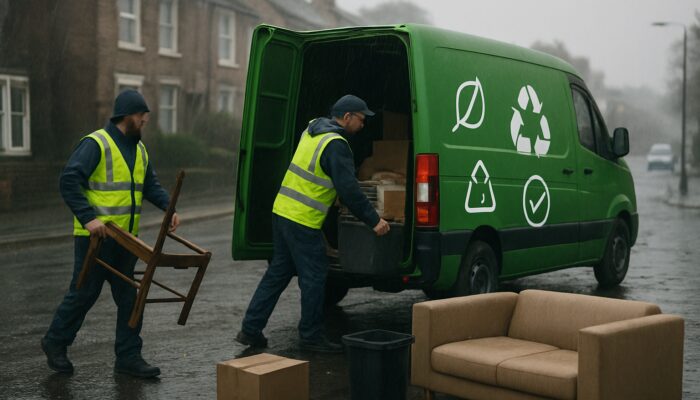
Analysing how recent modifications to UK environmental regulations influence logistics planning in house clearance firms is vital. Adjusting processes to sustain efficiency while complying with new standards set by British authorities can profoundly affect operational effectiveness and sustainability.
Staying informed about regulatory updates helps firms avoid potential penalties and ensures adherence to environmental laws. By integrating these regulations into their logistics frameworks, businesses can bolster their reputation and positively contribute to national sustainability objectives.
Effective Strategies for Optimising Logistics in House Clearance
How to choose dependable suppliers in Britain?
Collaborating with UK-based suppliers of fuel-efficient vehicles guarantees consistent service quality and facilitates timely clearances in residential areas nationwide. Such partnerships can enhance operational efficiency and lessen environmental impact, aligning with the increasing focus on sustainability.
Reliable suppliers play a crucial role in maintaining service standards, particularly in a competitive landscape. By selecting partners who share a dedication to quality and environmental stewardship, house clearance firms can strengthen their logistics strategy and cultivate a more sustainable business model.
What training initiatives enhance team performance?
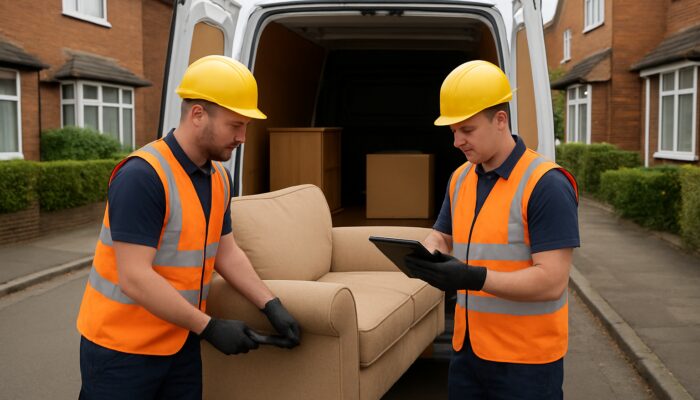
Specialised training courses on safe handling and route optimisation available to clearance operatives in the United Kingdom significantly boost overall productivity. These educational programmes provide staff with essential skills to navigate challenges while adhering to health regulations effectively.
Investing in employee training not only enhances performance but also nurtures a culture of safety and efficiency. By prioritising development, firms can ensure that their teams are well-equipped to meet the demands of house clearance logistics.
How can tracking systems be integrated into daily operations?
Implementing digital monitoring systems in British fleets delivers real-time insights on progress during house clearances. This integration minimises downtime in both urban and rural areas, enabling teams to adapt their operations dynamically based on current conditions.
Real-time tracking improves accountability and transparency, allowing firms to offer superior service to their clients. By harnessing technology, house clearance companies can refine their logistics processes and enhance overall efficiency.
What role does digital tool optimisation play in route planning?
Utilising advanced GPS technology and traffic analysis tools within the British context allows logistics coordinators to devise optimal routes for house clearance vehicles. This approach boosts efficiency and lowers operational costs nationwide, enabling firms to deliver better service to their clients.
Effective route planning not only conserves time but also contributes to reduced fuel consumption and lower emissions. By embracing digital tools, businesses can substantially enhance their logistics operations in alignment with environmental sustainability goals.
How to establish effective inventory management protocols?
Developing comprehensive and standardised procedures for sorting recyclable materials is critical for house clearance operations in the United Kingdom. Coordinating with licensed disposal sites ensures full compliance with environmental regulations while streamlining the logistics process from initial collection to final disposal.
Robust inventory management also aids in tracking material flow, allowing firms to further optimise their operations. By implementing thorough protocols, companies can enhance efficiency and contribute positively to sustainability initiatives.
In What Ways Can Technology Enhance House Clearance Efficiency?
How does route planning software contribute to efficiency?
Leveraging advanced applications designed for United Kingdom road networks can dramatically reduce fuel consumption and travel time for teams managing multiple clearance jobs in a single day. These tools facilitate precise planning, ensuring vehicles follow the most efficient paths.
The integration of route planning software also empowers firms to swiftly respond to unforeseen changes, such as traffic disruptions or last-minute job additions. By utilising technology, house clearance companies can enhance their operational efficiency and elevate service delivery.
What benefits does automating scheduling and booking tasks provide?
Digital platforms streamline customer interactions for house clearance services across Britain, alleviating administrative burdens. By automating booking and scheduling tasks, firms can dedicate more resources to physical logistics work, thereby improving overall efficiency.
This automation not only saves time but also enriches the customer experience. Clients enjoy quicker responses and smoother processes, resulting in heightened satisfaction and loyalty.
How can emissions data be monitored in real time?
Tracking tools assist British operators in meeting stringent UK environmental targets during logistics for house clearance. By adjusting routes to avoid congested areas, firms can reduce their carbon footprint and contribute to national sustainability efforts.
Real-time emissions tracking also enables companies to pinpoint areas for operational improvement. By proactively managing their environmental impact, house clearance firms can enhance their reputation and align with the increasing demand for sustainable practices.
What are the Research-Backed Advantages of Streamlining Logistics in House Clearance?
How do optimised workflows lead to cost savings?
Research involving United Kingdom clearance companies indicates that refined logistics can significantly decrease operational costs. By minimising vehicle repairs and enhancing staff utilisation during peak demand periods, firms can markedly improve their profitability.
Optimised workflows facilitate better resource management, allowing companies to allocate their assets more effectively. This emphasis on efficiency not only cuts costs but also strengthens service delivery, benefitting both the business and its clientele.
What lessons can be learned from UK case studies?
Providing actionable strategies for implementing successful methods adopted by British house clearance firms can yield valuable insights. Case studies illustrate how companies have addressed similar logistical challenges, resulting in improved efficiency and customer satisfaction.
These examples underscore the importance of tailoring successful strategies to meet specific organisational needs. By drawing lessons from the experiences of others, firms can adopt best practices that propel their logistics operations forward.
What impact does logistics optimisation have on customer satisfaction?
Data derived from UK surveys shows that faster turnaround times correlate with higher retention rates among clients seeking efficient property clearances. By streamlining logistics, firms can significantly enhance service delivery, leading to greater customer satisfaction.
Meeting client expectations is vital in a competitive market. Companies that prioritise efficiency in their logistics processes are more likely to forge lasting relationships with their customers, ultimately contributing to long-term success.
How does efficient operation reduce environmental impact?
Research conducted by UK institutions highlights that streamlined logistics in house clearance significantly diminish fuel consumption and vehicle emissions. This reduction supports national environmental goals and enhances corporate responsibility in the property management sector.
By committing to sustainability, firms can not only boost their operational efficiency but also contribute positively to environmental health. This dedication to responsible practices can enhance a company’s reputation and attract environmentally aware clients.
What Regulations Govern Logistics in UK House Clearance?
How to navigate waste disposal permits effectively?
Understanding the necessary licences mandated by UK environmental agencies is crucial for compliant transport of materials from house clearances. Non-compliance with these regulations can lead to significant penalties in England, Scotland, or Wales.
Firms must remain vigilant about the specific requirements applicable in their operational regions. By proactively managing their compliance with waste disposal permits, companies can streamline their logistics and avert costly interruptions.
How can operators analyse compliance updates efficiently?
Reviewing recent adjustments to British laws enables operators to proactively modify logistics plans for safe and legal house clearance activities nationwide. Staying updated on compliance requirements is essential for maintaining operational efficiency and steering clear of legal complications.
Firms that prioritise compliance are better equipped to navigate the complexities of house clearance logistics. By incorporating these updates into their operations, companies can bolster their reputation and ensure seamless service delivery.
What training is essential for adhering to health and safety standards?
Regular training sessions focused on UK guidelines safeguard workers engaged in heavy lifting and vehicle operations involved in streamlining logistics for house clearance. Emphasising health and safety is vital for fostering a secure working environment and enhancing team performance.
Investing in training reduces the risk of accidents and injuries, contributing to improved morale and productivity. A strong commitment to health and safety also reflects positively on a firm’s reputation, enhancing its appeal to potential clients.
How to Implement Sustainable Practices in Clearance Logistics?
What role does recycling play during collections?
Incorporating sorting protocols in United Kingdom operations diverts reusable items from landfills and supports circular economy objectives within local communities. This approach not only benefits the environment but also bolsters a company’s image as a responsible operator.
By prioritising recycling during collections, firms can enhance their logistics processes and make a positive contribution to sustainability efforts. This commitment to responsible waste management can also attract environmentally conscious clients seeking efficient house clearance services.
How do vehicle fleet upgrades reduce environmental impact?
Investing in electric or hybrid vehicles within British clearance services diminishes carbon emissions while ensuring reliable service across diverse terrains. Upgrading the vehicle fleet is a pivotal step towards bolstering sustainability in house clearance logistics.
This investment not only mitigates environmental impact but can also yield long-term cost savings through reduced fuel expenses. By prioritising sustainable vehicle choices, companies can enhance their operational efficiency and align with national environmental objectives.
What benefits arise from monitoring long-term environmental gains?
Tracking metrics over time illustrates how sustainable adjustments benefit both the business and the broader United Kingdom ecosystem. By assessing the impact of their logistics practices, firms can identify areas for improvement and celebrate achievements in sustainability.
Ongoing monitoring enables companies to proactively adapt their strategies, ensuring alignment with evolving environmental standards. This commitment to continuous enhancement can elevate a firm’s reputation and positively impact the industry as a whole.
Frequently Asked Questions
What does house clearance logistics entail?
House clearance logistics encompasses the planning and execution of removing unwanted items from properties, ensuring efficient collection, transportation, and disposal while complying with legal and environmental regulations.
How can I optimise my house clearance process?
To optimise your house clearance process, evaluate current logistics, enhance route planning, invest in technology, and ensure compliance with regulations to boost efficiency and reduce costs.
What are the key regulations affecting house clearance in the UK?
Key regulations include waste disposal permits, health and safety guidelines, and environmental compliance requirements enforced by local authorities and national agencies.
Why is recycling integral to house clearance?
Recycling is vital in house clearance as it mitigates landfill waste, promotes sustainability, and ensures compliance with environmental regulations, benefiting both businesses and the community.
What technologies can enhance house clearance efficiency?
Technologies such as route planning software, digital booking platforms, and real-time tracking tools can significantly improve efficiency in house clearance operations by optimising workflows and reducing expenses.
How do audits contribute to better house clearance logistics?
Audits uncover inefficiencies in vehicle utilisation and staff scheduling, enabling firms to identify areas for enhancement and streamline operations for improved service delivery.
What training is crucial for house clearance teams?
Training in safe handling, route optimisation, and compliance with health and safety regulations is crucial for boosting team performance and ensuring efficient house clearance operations.
How can house clearance companies lessen their carbon footprint?
Companies can minimise their carbon footprint by transitioning to fuel-efficient vehicles, optimising routes, and implementing recycling practices during collections to reduce waste and emissions.
What advantages arise from optimising logistics in house clearance?
Optimising logistics results in cost savings, improved customer satisfaction, enhanced regulatory compliance, and reduced environmental impact, benefiting both businesses and clients.
How can I ensure compliance with waste disposal regulations?
To ensure compliance, stay informed about local regulations, secure necessary permits, and implement effective waste management practices throughout the house clearance process.