Comprehensive Guide to Eco-Friendly House Clearance in the UK
Overview of Local Waste Management Regulations

In the UK, understanding local waste disposal regulations is crucial for adopting sustainable practices during house clearances. Each region—England, Scotland, Wales, and Northern Ireland—has its own specific rules designed to ensure adherence to environmental standards established by local authorities. Familiarising yourself with these regulations not only helps you avoid penalties but also aligns your clearance activities with the national sustainability goals.
Local councils typically provide detailed guidelines regarding what materials can be discarded and the appropriate procedures for recycling and handling hazardous waste. By becoming acquainted with these regulations, you can discover local initiatives that promote eco-friendly practices. This knowledge empowers you to make informed choices during the clearance process, thereby positively impacting both your community and the environment.
Keeping abreast of regulatory updates is also beneficial, as it allows you to adjust your clearance plans in response to any changes in local policies. Engaging with your local council’s waste management services can offer valuable resources and insights for sustainable house clearance.
Which Household Items Are Recyclable?
In the UK, a wide range of common household items can be diverted from landfills to recycling facilities. Items such as furniture, electronics, textiles, and selected appliances are often recyclable if taken to the appropriate facilities. Each local council may have its own specific guidelines on what can be recycled, making it essential to consult your local authority.
Recycling centres are generally equipped to handle various materials, including metals, plastics, and even organic waste. It is important to sort your items correctly before taking them to these centres, as improper disposal can lead to contamination, which increases landfill waste. By understanding what can be recycled, you significantly reduce your environmental footprint during a house clearance.
Many councils provide collection points or scheduled pickups for larger items, simplifying the recycling process without the need for transport hassles. By taking advantage of these services, you not only aid the environment but also support your community’s recycling initiatives.
Engaging Certified Clearance Services
Choosing UK-based firms that specialise in eco-friendly house clearances is vital for responsible waste management. Look for companies with the necessary accreditations, such as those certified by the Environment Agency, to ensure they comply with national sustainability standards. Such firms typically utilise verified processes for the handling and disposal of items, minimising the risk of illegal dumping.
Hiring certified services not only ensures compliance with local regulations but also supports businesses that prioritise sustainable practices. Many of these companies have established partnerships with recycling centres and charitable organisations, ensuring your unwanted items are processed responsibly. This approach diverts waste from landfills and encourages the reuse of materials.
Before selecting a service, it is prudent to research their reputation and read customer reviews. This will help you find a reliable company that aligns with your eco-friendly values and can provide a transparent overview of their disposal methods. By making informed choices, you contribute to a more sustainable future while clearing out your home.
Environmental Benefits of Sustainable Clearances
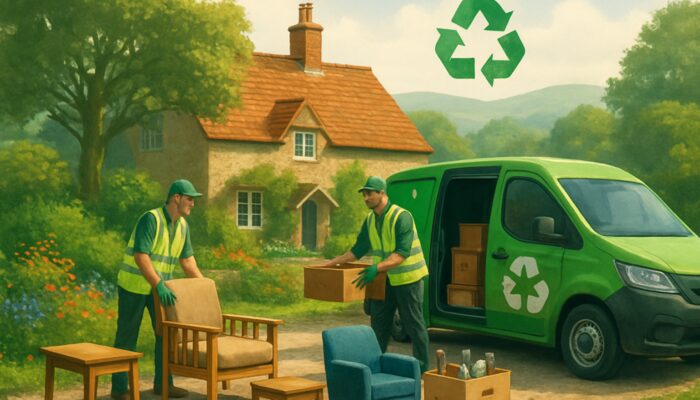
Eco-friendly house clearances in the UK offer a multitude of environmental benefits. One of the most significant advantages is the reduction of landfill waste. By recycling and reusing items, you help to decrease the volume of rubbish that ends up in landfills, subsequently reducing greenhouse gas emissions and pollution.
Sustainable clearances frequently utilise energy-efficient methods and vehicles, further lowering carbon footprints during collection and disposal processes. Many environmental agencies and organisations advocate for these practices, acknowledging their positive effects on the planet. Participating in sustainable clearances reinforces national efforts to combat climate change and promotes environmental stewardship.
Responsible waste management increases community awareness about sustainability. As more households adopt eco-friendly practices, the cumulative impact can lead to significant improvements in local ecosystems and overall public health. By engaging in sustainable house clearances, you not only benefit your home but also contribute to a broader movement for a healthier planet.
Expert Tips for Eco-Friendly House Clearance in the UK
Real-World Examples from UK Households
Effective waste sorting is a crucial aspect of eco-friendly house clearances. Numerous UK households have successfully implemented strategies such as early separation of recyclables. For example, establishing designated bins for paper, plastics, and metals can streamline the sorting process, making waste management more efficient.
Contacting local council services for bulky items is another practical step. Many councils provide collection services for larger items like furniture and appliances that can be scheduled at your convenience. This alleviates the burden of transporting heavy items and ensures their responsible disposal.
Collaborating with neighbours can also enhance the efficiency of the clearance process. By coordinating efforts, households can share resources, such as transport options for taking items to recycling centres or charity shops. This collaborative approach not only fosters community spirit but also improves the overall effectiveness of eco-friendly clearances.
Networks for Charity Donations

Building connections with UK charities that accept cleared items is an excellent way to extend the lifecycle of goods while benefiting local communities. Many charitable organisations welcome donations of furniture, clothing, and electronics, which can be refurbished or resold to support their missions. This practice not only reduces waste but also provides vital resources to those in need.
Before donating, it is essential to review the specific guidelines set by these charities. Each organisation may have different requirements regarding item condition and scheduling for drop-offs or pickups. Researching local charities can help you identify those that align with your values and have a strong community presence.
Many charities offer collection services, making it easier to donate larger items without the added hassle. By opting to donate instead of dispose, you contribute to a circular economy, where goods are reused rather than discarded, promoting a more sustainable community overall.
Expert Analysis of Transport Options
Transport choices play a crucial role in minimising carbon emissions during house clearances. Opting for low-emission vehicles, such as electric vans or hybrid cars, can significantly reduce the environmental impact of transporting items to recycling facilities or donation centres. Many eco-friendly clearance services now utilise these vehicles, aligning their operations with sustainability objectives.
When planning your clearance, consider the distance to the nearest recycling centre or charity shop. Combining multiple trips into one journey can also reduce fuel consumption. If you have a considerable number of items, hiring a service that employs eco-friendly transport can provide a practical solution, ensuring that your clearance is both efficient and environmentally responsible.
Participating in community transport initiatives, such as sharing rides or utilising local transport networks, can further decrease emissions. By making conscious decisions about how items are transported, you can contribute to a greener future while effectively managing your house clearance.
How to Prepare for Sustainable Clearance
Methods for Inventory Assessment
Creating a comprehensive inventory of belongings before a house clearance can greatly enhance the overall efficiency of the process. By cataloguing items, you can identify reusable goods and plan their removal with minimal environmental impact. This thorough assessment enables you to prioritise which items should be recycled, donated, or disposed of responsibly.
To conduct an effective inventory, consider categorising items by type, such as furniture, electronics, and clothing. This method not only streamlines the sorting process but also ensures that valuable items that could be donated or recycled are not overlooked. Having a clear understanding of your belongings aids in making informed decisions about what to keep, recycle, or discard.
Once your inventory is complete, you can develop a structured plan for the clearance process. This plan may include scheduling pickups, arranging donations, and identifying recycling centres. By preparing in advance, you can minimise waste and ensure a smoother, more sustainable clearance experience.
Storage Solutions for Reusable Items
Utilising temporary storage facilities can be a practical solution for managing items during a house clearance. Many UK storage companies offer eco-friendly options that support sustainability initiatives, allowing you to store belongings while determining the best course of action for each item. This approach provides the flexibility needed to arrange donations, repairs, or recycling without the pressure of immediate disposal.
When selecting a storage facility, consider those that prioritise energy efficiency and sustainable practices. Some companies may provide green storage options, such as facilities powered by renewable energy sources or those that utilise eco-friendly packing materials. This choice aligns with your commitment to sustainability throughout the clearance process.
Engaging with local community groups can present opportunities for sharing storage solutions. By collaborating with neighbours or friends, you can create a network that supports reuse and minimises waste. This community-oriented approach not only fosters sustainability but also strengthens local ties.
Initiatives for Community Sharing
Participating in local community sharing initiatives can significantly reduce overall waste during house clearances. Numerous UK communities have established schemes that allow residents to redistribute cleared items to others in need. These initiatives often focus on furniture, appliances, and household goods, promoting a culture of sharing and sustainability.
To become involved, research local groups or platforms that facilitate item exchanges. Websites and social media groups dedicated to freecycling or community swapping can serve as excellent resources for finding new homes for your unwanted items. By engaging in these initiatives, you contribute to a circular economy, where goods are reused rather than discarded.
Community sharing initiatives can foster a sense of belonging and support within your neighbourhood. By aiding others while clearing your home, you create a positive impact that extends beyond your immediate situation. This collective effort not only reduces waste but also builds stronger community connections.
Proven Strategies for Eco-Friendly House Clearance in the UK
Utilising Energy-Efficient Sorting Tools
Implementing energy-efficient sorting tools during house clearances can streamline processes and reduce energy consumption associated with manual handling tasks. Tools such as automated sorting machines or handheld devices can significantly enhance the efficiency of sorting recyclable materials. These technologies help ensure that items are processed correctly, reducing contamination and maximising recycling rates.
Investing in energy-efficient equipment not only benefits the environment but can also lead to long-term cost savings. By minimising energy usage during clearances, you can lower operational costs while adhering to eco-friendly practices. Many UK companies are now adopting such technologies, demonstrating their commitment to sustainability.
Training staff on effective sorting techniques can also improve efficiency. Providing guidance on how to use sorting tools properly ensures that everyone involved in the clearance process is equipped to contribute to sustainability goals. This collective effort can lead to more successful eco-friendly clearances.
Key Benefits of Waste Reduction
Partnering with certified UK recyclers is a vital strategy for ensuring that materials like metals and plastics are processed correctly. Here are some key benefits of collaborating with these specialists:
- Improved recycling rates, leading to less waste in landfills.
- Access to expert knowledge on local recycling regulations.
- Enhanced material recovery through advanced sorting technologies.
- Support for local economies by working with community-focused recyclers.
By engaging with certified recyclers, you ensure that your waste reduction efforts align with national frameworks, promoting a more sustainable future. these partnerships often provide transparency in the recycling process, allowing you to track the journey of your materials from disposal to recovery.
Collaborating with these experts can lead to innovative solutions for challenging materials. Many recyclers have developed specialised techniques for processing difficult items, further reducing waste and enhancing sustainability efforts.
Safe Handling of Hazardous Waste
Managing hazardous waste during house clearances is essential for preventing environmental harm. Items such as paints, batteries, and certain electronics require special handling and disposal methods. In the UK, designated collection points are available for these materials, ensuring they are processed safely and in compliance with local regulations.
Before starting your clearance, identify any hazardous items in your home and research the appropriate disposal methods. Many councils provide specific guidelines for hazardous waste, including scheduled collection days or drop-off locations. Adhering to these guidelines is crucial for protecting both your community and the environment.
Educating yourself and your family about hazardous waste can foster responsible practices. Understanding the risks associated with improper disposal encourages everyone to exercise caution when handling these materials. By prioritising safe disposal methods, you contribute to a healthier environment and promote sustainable house clearance practices.
Best Practices for Donations
Collaborating with established UK charities and reuse organisations is an effective approach to minimise waste sent to landfills. Donating functional furniture and appliances not only benefits those in need but also promotes circular economy principles. Many charities have specific guidelines for acceptable donations, so it’s essential to research and follow these to ensure your items are put to good use.
Before donating, consider cleaning and repairing items to enhance their value. Many charities appreciate receiving items in good condition, as they can be resold or redistributed to those who need them most. This practice extends the lifecycle of goods and reduces overall waste, aligning with sustainable house clearance goals.
Engaging with local charities can foster a sense of community. By donating to organisations that support your local area, you contribute to social initiatives while making a positive environmental impact. This dual benefit reinforces the importance of sustainable practices in house clearances.
What Are the Best Recycling Options Available?
Utilising Council Collection Services
Accessing regular UK council pickups for recyclable materials is a practical option for efficient disposal during house clearances. Many councils offer scheduled collection services for various recyclable items, ensuring timely and cost-effective disposal aligned with local environmental policies. This service is particularly beneficial for households with limited transport options.
To take advantage of these services, consult your local council’s website for information on collection schedules and accepted materials. Most councils provide detailed guidelines on what can be recycled, helping you sort your items effectively before collection. This proactive approach minimises contamination risks and maximises recycling rates.
Some councils offer special collections for bulky items, such as furniture and appliances. By utilising these services, you ensure that larger items are disposed of responsibly, reducing the burden on local landfills. Engaging with council services supports your household and contributes to broader community recycling efforts.
Visiting Specialist UK Recycling Centres
Utilising specialist UK recycling centres that are equipped for large-scale processing of clearance waste is an excellent way to enhance recovery rates. These facilities often employ advanced sorting technologies, ensuring materials are processed efficiently and effectively. By directing your items to these centres, you can significantly improve the recycling potential of your clearance efforts.
Many specialist centres accept a wide variety of materials, from metals and plastics to electronics and textiles. Before visiting, it’s advisable to check their guidelines on accepted items and any associated fees. Some centres may offer free drop-off services for certain materials, making it an economical choice for eco-friendly clearances.
Engaging with these centres can provide valuable insights into the recycling process. Many facilities offer educational resources about sustainable practices and the importance of recycling, helping you become a more informed participant in environmental efforts. By supporting these centres, you contribute to a more sustainable future for your community.
Key Benefits of Effective Material Recovery
Research-backed advantages of eco-friendly house clearance tips focus on long-term savings and reduced pollution. Here are some key benefits of effective material recovery:
- Lower disposal costs due to reduced landfill fees.
- Increased resource recovery, fostering sustainable production practices.
- Enhanced community engagement in recycling initiatives.
- Improved public health outcomes by lowering pollution levels.
By prioritising material recovery, you not only contribute to environmental sustainability but also reap economic benefits. Engaging in eco-friendly house clearances can lead to significant savings over time, making it a wise investment for both your household and the planet.
Implementing Long-Term Eco Practices
Monitoring Waste Over Time
Tracking clearance patterns in UK homes using simple logs can refine habits and consistently apply eco principles across multiple projects. By maintaining a record of what items are cleared and how they are disposed of, you can identify trends and areas for improvement. This practice encourages accountability and fosters a commitment to sustainability.
Monitoring waste can also help you evaluate the effectiveness of your recycling efforts. By analysing which items are frequently disposed of, you can adjust your purchasing habits and make more informed decisions in the future. This proactive approach not only reduces waste but also promotes a culture of sustainability within your household.
Sharing your findings with friends or neighbours can inspire collective action. By encouraging others to track their waste, you contribute to a community-wide effort to adopt eco-friendly practices. This shared commitment can lead to significant improvements in local sustainability efforts.
Educating Residents on Sustainable Practices
Sharing knowledge about sustainable methods with UK communities is vital for encouraging widespread adoption of responsible clearance techniques. Workshops, community events, and online resources can provide valuable information about eco-friendly practices, helping residents understand the importance of sustainable house clearances.
Collaborating with local organisations or environmental groups can enhance educational initiatives. These partnerships can facilitate access to expert speakers, resources, and materials that promote sustainable practices. By fostering a culture of learning, communities can empower residents to make informed choices about waste management.
Leveraging social media platforms to share tips and success stories can inspire others to adopt eco-friendly practices. Highlighting local initiatives and encouraging participation can create a ripple effect, increasing awareness and engagement in sustainability efforts. By prioritising education, communities can collectively work towards a greener future.
Strategies for Future Planning
Developing personal plans for future clearances in the UK is essential for maintaining high standards of environmental care. By incorporating new technologies and policies into your planning, you can ensure that your clearances remain efficient and eco-friendly. This forward-thinking approach helps anticipate challenges and adapt to evolving sustainability practices.
Consider establishing specific goals for future clearances, such as reducing waste by a certain percentage or increasing the number of items donated. Setting measurable objectives can provide motivation and a clear framework for your efforts. Regularly reviewing and adjusting your plans ensures you remain aligned with sustainability goals.
Staying informed about new technologies and policies in waste management can enhance your planning. Engaging with local councils, environmental groups, and recycling organisations can provide valuable insights into best practices and emerging trends. By proactively planning for sustainable clearances, you contribute to a more resilient and eco-conscious community.
Advocacy for Sustainable Policies
Collaborating with environmental groups in the UK to influence legislation on waste management is essential for ensuring that clearance practices evolve to meet stricter eco standards. Advocacy efforts can help raise awareness about the importance of sustainable practices and motivate policymakers to implement supportive regulations.
Participating in community forums and discussions can provide a platform for voicing concerns and suggesting improvements. Engaging with local representatives and attending public meetings can enhance your understanding of current policies and the potential impacts of proposed changes. This involvement is crucial for fostering a culture of sustainability within your community.
Forming or joining coalitions with like-minded individuals and organisations can amplify your advocacy efforts. By working together, you can create a unified voice that demands action on environmental issues. This collective approach can lead to meaningful change and support national sustainability goals over time.
Frequently Asked Questions
What constitutes eco-friendly house clearance?
Eco-friendly house clearance involves responsibly disposing of unwanted items while prioritising recycling, reuse, and sustainable practices. Its aim is to minimise waste sent to landfills and reduce environmental impact.
How can I locate certified clearance services in the UK?
To find certified clearance services, look for companies accredited by the Environment Agency or local councils. Online reviews and recommendations from friends can also assist in identifying trustworthy providers.
Which items are recyclable during a house clearance?
Common recyclable items include furniture, electronics, textiles, and certain appliances. Always consult local council guidelines for specific recycling rules and accepted materials.
How can I donate items instead of discarding them?
Research local charities that accept donations of usable items. Many organisations offer collection services, making it easy to donate furniture, clothing, and other goods.
What should I do with hazardous waste during a clearance?
Hazardous waste, such as paints and batteries, should be taken to designated collection points. Consult your local council for specific disposal guidelines to ensure safe handling.
Are there advantages to using low-emission transport for clearances?
Yes, employing low-emission transport reduces carbon output during collection and delivery. It aligns with eco-friendly practices and contributes to overall sustainability objectives.
How can I monitor my waste reduction efforts?
Keeping a simple log of cleared items and their disposal methods can help track waste reduction efforts. Regularly reviewing this log allows you to identify trends and areas for improvement.
What community initiatives support sustainable clearances?
Many local communities have sharing initiatives that redistribute cleared items to residents. Participating in these schemes can reduce waste and foster community connections.
How can I educate others about eco-friendly practices?
Organising workshops, sharing resources online, and collaborating with local organisations can help educate others about sustainable clearance techniques and encourage community involvement.
What long-term benefits do eco-friendly house clearances offer?
Long-term benefits include reduced landfill waste, lower pollution levels, and cost savings from efficient waste management. Sustainable clearances also promote a healthier environment for future generations.