Comprehensive Guide to Waste Licensing Requirements in the United Kingdom
Key Licensing Authorities in the UK

In the United Kingdom, local authorities impose rigorous regulations for waste management during house clearance operations. These rules are designed to safeguard the environment and public health by ensuring responsible waste disposal practices. Each local council establishes its own guidelines, catering to the specific needs of the communities they represent.
Beyond local councils, several national agencies oversee waste management standards, including the Environment Agency in England, Natural Resources Wales, and the Scottish Environment Protection Agency. These bodies offer guidance and support to local councils and waste management enterprises, striving for consistency in waste licensing throughout the UK.
Essential Legislation Governing Waste Management
A variety of legislative acts regulate waste management practices in the UK, ensuring that all operators engage in proper procedures when clearing residential properties. The Environmental Protection Act 1990 serves as a cornerstone of this framework, detailing the responsibilities of both waste producers and operators.
Additional pertinent legislation includes the Waste (England and Wales) Regulations 2011, which implement the EU Waste Framework Directive. These regulations mandate that waste be managed in a manner that protects both the environment and public health, promoting recycling and waste prevention while ensuring the safe handling of hazardous waste.
Who is Required to Obtain a Licence?
Companies involved in property clearance must evaluate their operations to ascertain whether they require permits under current UK environmental laws. Typically, businesses engaged in the collection, transportation, and disposal of waste must possess a waste carrier licence. This requirement applies to all sizes of enterprises, from small local companies to larger national firms.
To waste carrier licences, specific activities may necessitate further permissions, particularly concerning hazardous waste management. Companies should thoroughly assess their operations and consult local authorities to ensure compliance with all relevant regulations prior to initiating any clearance projects.
Professional Advice on Waste Licensing for House Clearance

Steps for Initial Assessments
To identify required permits early in the planning stages of a clearance project, companies should carry out a comprehensive initial assessment. This assessment should evaluate the type and volume of waste to be cleared, along with the intended disposal methods. Familiarity with local regulations will assist firms in determining the specific licences that must be obtained.
Documenting the assessment process is vital. Businesses should maintain detailed records of the types of waste, quantities, and disposal methods, as this information will facilitate the application for necessary permits. Engaging with local authorities early in the process can also clarify requirements and help avert potential compliance challenges later.
Essential Compliance Documentation
Accurate record-keeping is crucial for fulfilling UK regulatory requirements regarding waste disposal activities. This includes documentation of waste transfer notes, which detail the type and quantity of waste being transferred, as well as the details of the recipient. These records must be retained for at least two years to comply with regulations.
Companies should document all communications with regulatory bodies, including licence applications and correspondence related to compliance. This thorough record-keeping not only demonstrates adherence to regulations but also provides support in the event of audits or inspections by local authorities.
Methods for Risk Assessment
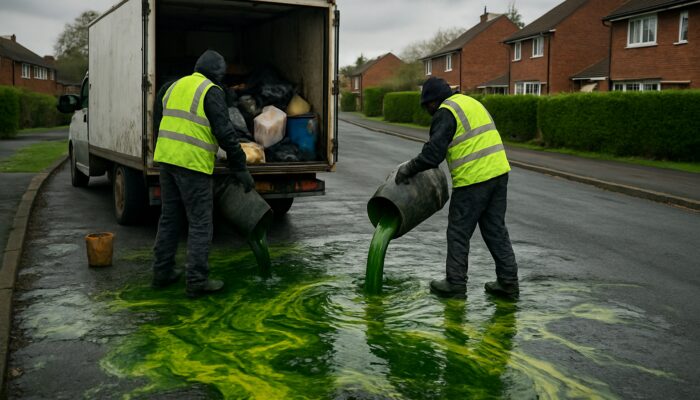
Real-life examples illustrate the potential challenges that can arise in UK house clearance operations when proper licensing is not secured. For instance, a company that neglects to obtain a waste carrier licence may incur fines and legal penalties, leading to disruptions in their operations. unlicensed operators may unintentionally mishandle hazardous waste, creating risks to public health and the environment.
To mitigate these risks, businesses should adopt effective risk assessment methods. This includes conducting regular audits of their operations, training staff on compliance matters, and staying informed about regulatory updates. By proactively addressing potential issues, companies can protect their operations and reputation within the industry.
Different Types of Licences Required for House Clearance
Waste Carrier Licences
Entities transporting waste must obtain specific authorisations from UK agencies to ensure seamless operations. A waste carrier licence is mandatory for any business that collects or transports waste, ensuring responsible and legal waste handling. This licence is issued by the relevant environmental agency based on the business’s location.
The process for applying for a waste carrier licence generally involves providing information about the types of waste managed, the methods of transport used, and the training provided to employees. Securing this licence is essential for maintaining compliance and safeguarding the environment during house clearance operations.
Site Waste Management Plans (SWMP)
Developing a comprehensive Site Waste Management Plan (SWMP) is vital for efficient clearance in the UK. Such plans detail how waste will be managed on-site, including sorting, recycling, and disposal methods. This proactive strategy ensures compliance with regulations and reduces the risk of contamination.
An effective SWMP can also yield cost savings by identifying recycling opportunities and minimising disposal fees. Local authorities often mandate these plans for larger projects, making them a significant aspect of any house clearance operation aiming to comply with legal requirements and promote sustainability.
Approvals for Hazardous Materials
Special permissions are mandatory when handling hazardous items during UK property clearances. Hazardous materials, including asbestos, batteries, and chemicals, necessitate specific handling procedures and must be disposed of in accordance with stringent regulations. Companies must secure the necessary approvals prior to commencing work with these materials.
Neglecting to obtain hazardous material approvals can lead to severe penalties and present significant risks to public safety. clearance firms must stay well-informed about the types of hazardous waste they may encounter and the legal requirements for handling and disposing of such materials.
What is the Application Process for Licences?
Guidelines for Submission
Submitting applications for waste licences involves completing forms and providing supporting evidence to relevant UK agencies for evaluation. The application process typically requires detailed information about the business, the types of waste managed, and the measures implemented to ensure regulatory compliance.
It is important to adhere to the specific guidelines provided by the relevant environmental agency to prevent delays. Incomplete applications may result in rejections or requests for additional information, extending the approval timeline and potentially affecting operations.
Timelines for Processing Applications
Various factors can influence the speed of approval in the UK. The volume of applications received by the environmental agency often impacts processing times, especially during busy periods. the accuracy and completeness of the submitted documentation significantly affect how quickly permits are granted.
Companies can help expedite the process by ensuring that all required information is included from the outset and by responding promptly to any inquiries from the agency. Understanding the typical timelines for processing applications in their local area can also assist businesses in planning their operations accordingly.
Renewal Procedures for Licences
Regular licence updates are essential for ensuring ongoing compliance with changing UK waste regulations. Most waste licences are valid for a specified period, after which renewal is necessary. The renewal process generally requires the submission of updated information and documentation to confirm continued compliance with regulatory standards.
Companies should proactively monitor the expiration dates of their licences and initiate the renewal process well ahead of time. This approach helps prevent lapses in licensing that could lead to operational interruptions and legal complications.
Criteria for Eligibility
To confirm suitability, applicants in the UK must meet specific eligibility criteria before their applications can enter the review stage by regulatory authorities. This may involve demonstrating financial stability, providing evidence of relevant experience, and conducting environmental impact assessments.
Meeting these criteria is vital for obtaining approval, as regulatory bodies assess the potential implications of granting a licence. Companies should meticulously prepare their applications to address these requirements and make a compelling case for their suitability in the waste management sector.
Appeal Processes for Denied Applications
Applicants whose permits are rejected in the UK can initiate formal appeals through independent review panels. This procedure allows businesses to submit additional documentation and arguments to potentially overturn adverse decisions within designated timeframes. Understanding the appeal process is crucial for companies facing licence denials.
To improve their chances of a successful appeal, firms should gather comprehensive evidence supporting their case, including relevant compliance documentation. Consulting with legal or industry experts during the appeal process can also provide valuable insights and enhance the likelihood of a favourable outcome.
Evidence-Based Benefits of Waste Licensing for House Clearance
Advantages for Environmental Protection
Research indicates that licensed operations significantly reduce pollution risks in UK residential areas. By adhering to waste management regulations, licensed businesses ensure responsible waste disposal, minimising the risk of environmental contamination. This commitment to sustainable practices not only safeguards local ecosystems but also promotes community health and well-being.
Licensed operators are often better equipped to implement recycling and waste reduction strategies. This leads to a more efficient use of resources and contributes to the overarching goal of achieving a circular economy, where waste is minimised and materials are reused whenever feasible.
Legal Safeguards and Benefits
Maintaining valid permits during house clearance activities provides several key advantages, including:
- Protection against legal penalties and fines.
- Enhanced reputation and credibility within the industry.
- Improved relationships with local authorities and communities.
- Access to support and resources from regulatory bodies.
These benefits highlight the significance of compliance within the waste management sector. Companies that prioritise licensing are more likely to establish trust with clients and stakeholders, ultimately leading to increased business success.
Gains in Operational Efficiency
Proper licensing frequently results in smoother workflows and fewer interruptions for UK clearance businesses. When firms comply with regulations, they can operate with greater confidence, knowing they possess the necessary permissions to carry out their activities. This reduces the risk of delays caused by inspections or legal complications.
Licensed operators generally possess a better understanding of best practices in waste management, which can lead to more efficient procedures. This operational efficiency not only benefits the company but also enhances the overall quality of service provided to clients.
What Costs Are Associated with Waste Licensing?
Fees for Applications
The costs for waste licensing vary based on the type and scope of clearance work undertaken in the UK. Application fees typically depend on the nature of the waste being managed and the specific licences required. Companies should factor these expenses into their overall operational budget.
Understanding the fee structure for different licences can help businesses plan their finances more effectively. Local authorities often provide information regarding the costs associated with various types of waste management permits, enabling firms to make informed decisions.
Ongoing Compliance Costs
Regular audits and staff training contribute to the financial obligations of licensed operators. Companies must allocate resources for ongoing compliance efforts, such as training employees on waste handling and safety protocols. businesses may need to invest in equipment and technology to meet regulatory standards.
These ongoing costs are crucial for maintaining compliance and ensuring smooth operations. Companies that focus on compliance are better positioned to avoid costly penalties and disruptions, leading to long-term financial stability.
Opportunities for Cost Savings
Strategic planning regarding licence types helps minimise unnecessary expenditures in UK projects. By thoroughly assessing the scope of their operations, companies can identify the most suitable licences to apply for, thus avoiding over-licensing and associated fees.
Businesses can explore partnerships with local recycling facilities to lower disposal costs. Actively implementing waste reduction strategies can also lead to significant savings, as reduced waste translates to lower disposal fees and enhanced operational efficiency.
Fees for Renewals and Amendments
Operators may encounter substantial expenses when renewing their waste licences or making changes to existing permits. Fees vary depending on the complexity of the application and the regulatory requirements in the UK. Companies should be prepared for these costs as part of their ongoing compliance strategy.
Understanding the renewal process and associated fees is essential for effective budgeting. Firms can avoid unexpected costs by tracking renewal dates and preparing the necessary documentation well in advance.
Penalties for Non-Compliance
Failure to comply with the stringent guidelines established by environmental authorities may result in significant penalties, including fines and potential licence revocation. Such consequences can considerably increase overall expenses for companies engaged in waste management across the UK.
To reduce the risk of incurring penalties, businesses should prioritise compliance and invest in training and resources that foster adherence to regulations. By cultivating a culture of compliance, firms can protect their financial stability and ensure long-term success in the industry.
Common Obstacles in Obtaining Licences
Errors in Documentation
Incomplete paperwork often delays approvals for waste management activities in the UK. Common documentation errors include missing signatures, incorrect information, or the failure to provide necessary supporting evidence. These oversights can lead to rejections and extend the application process, causing disruptions in operations.
To reduce these challenges, firms should implement thorough internal checks to ensure all documentation is complete and accurate prior to submission. Consulting experienced professionals can also help identify potential issues and streamline the application process.
Training Obligations
Staff must complete certified training courses to handle waste safely according to UK regulations. This training is critical not only for compliance but also for ensuring employee and public safety. Companies should consider the time and costs associated with training when planning their operations.
Regular refresher courses are also vital to keep staff informed about changes in regulations and best practices. By investing in staff training, firms can boost their operational efficiency and mitigate the risk of accidents or compliance violations.
Preparation for Inspections
Thorough site evaluations and organisation of records are essential for meeting UK inspection standards. Preparing for inspections involves ensuring that all documentation is easily accessible and that staff are familiar with compliance procedures. Companies should conduct internal audits to pinpoint any areas requiring improvement before an official inspection takes place.
Engaging with local authorities prior to inspections can provide valuable insights into specific expectations and requirements. This proactive approach can assist firms in navigating the inspection process smoothly and demonstrating their commitment to compliance.
Reliable Strategies for Waste Licensing in House Clearance
Proactive Compliance Monitoring
Real-life examples of successful monitoring techniques employed by UK clearance firms highlight the significance of proactive oversight. Companies that regularly assess their compliance status and operational practices are better positioned to identify potential issues before they escalate.
Establishing a system for tracking compliance metrics can help businesses remain informed about their performance and pinpoint areas for improvement. Frequent reviews of waste management practices can enhance operational efficiency and lower risks associated with non-compliance.
Engagement with Stakeholders
Collaborating with local authorities regarding licensing matters is essential for effective waste management operations. Companies should cultivate open lines of communication with regulatory bodies to remain updated on any changes in regulations and to seek guidance on compliance challenges.
Engaging with stakeholders can also foster positive relationships that may provide support during the licensing process. Building trust with local authorities can facilitate smoother operations and enhance a company’s reputation within the community.
Commitment to Continuous Improvement
Adjusting strategies to accommodate new UK waste policies over time is crucial for maintaining compliance. As regulations evolve, companies must stay informed about changes and adapt their practices accordingly. This dedication to continuous improvement can help firms remain competitive in the industry.
Regularly reviewing and updating operational procedures ensures that businesses align with current regulations. Consulting with industry experts and participating in training opportunities can also yield valuable insights into best practices and emerging trends in waste management.
Audits for Regulatory Compliance
Conducting regular audits to ensure adherence to UK waste licensing requirements is essential for maintaining operational integrity. These audits should encompass thorough checks of documentation, staff training records, and waste management practices.
Companies can develop checklists to guide their audit processes, ensuring that all necessary aspects are addressed. By prioritising compliance audits, firms can identify potential issues early and take corrective actions to prevent non-compliance.
Best Practices for Sustaining Compliance
Standards for Record Keeping
Accurate records support audits and demonstrate adherence to UK waste regulations. Companies should establish systematic record-keeping practices to ensure that all necessary documentation is readily accessible. This includes maintaining waste transfer notes, training records, and correspondence with regulatory bodies.
Frequent reviews of record-keeping practices can help identify any gaps or areas needing improvement. By emphasising accurate documentation, firms can enhance their compliance efforts and minimise the risk of penalties during audits or inspections.
Updates on Staff Training
Regular training sessions keep teams informed about changes in regulations. Companies should create a training schedule that incorporates both initial training for new employees and ongoing sessions for existing staff. This approach ensures that all team members are aware of the latest compliance requirements and best practices.
Encouraging staff participation in industry conferences and workshops can also provide valuable insights into emerging trends and regulatory changes. By investing in employee development, firms can cultivate a culture of compliance and operational excellence.
Tips for Audit Preparation
Routine internal reviews benefit firms by maintaining high levels of compliance. Companies should adopt a structured approach to preparing for audits, including conducting mock audits to identify potential issues. This proactive strategy helps ensure that all documentation is in order and that staff are prepared for any questions that may arise.
Collaborating with external auditors can provide an objective perspective on compliance practices. By addressing any identified weaknesses before an official audit, firms can improve their chances of a successful outcome.
Monitoring Changes in Regulations
Continuously tracking changes in UK waste regulations enables companies to implement necessary adjustments promptly. Staying abreast of new policies and requirements is vital for maintaining compliance and avoiding potential penalties.
Establishing a system for monitoring regulatory updates, such as subscribing to industry newsletters or engaging with professional associations, can help firms stay ahead of changes. By adopting a proactive approach, businesses can ensure their operations remain compliant and aligned with best practices.
Evaluations of Supplier Compliance
Conducting periodic assessments of external vendors ensures they comply with the required UK environmental and waste handling regulations. This practice not only strengthens a company’s position during official inspections but also promotes ethical business operations.
Companies should establish clear criteria for evaluating supplier compliance, including reviewing certifications and conducting site visits when necessary. By prioritising supplier assessments, businesses can mitigate risks associated with non-compliance and enhance their overall operational integrity.
Frequently Asked Questions
What constitutes a waste carrier licence?
A waste carrier licence is a legal requirement for businesses that collect or transport waste. It ensures that waste is handled responsibly and in accordance with environmental regulations.
What is the application process for a waste carrier licence?
To apply for a waste carrier licence, businesses must complete the relevant application forms and submit them to the appropriate environmental agency, providing details about their operations and waste management practices.
What penalties exist for operating without a licence?
Operating without a waste carrier licence can result in substantial fines, legal penalties, and potential revocation of the licence. Such consequences can severely impact a business’s operations and reputation.
How frequently must I renew my waste licence?
Waste licences typically require renewal every few years, depending on the type of licence and local regulations. Companies should monitor expiration dates to ensure timely renewals.
What is a Site Waste Management Plan (SWMP)?
A Site Waste Management Plan (SWMP) outlines the management of waste during a project, detailing waste sorting, recycling, and disposal methods. It is essential for compliance with UK regulations.
Are there various types of waste licences?
Yes, there are multiple types of waste licences, including waste carrier permits, hazardous waste approvals, and site waste management plans, each designed for specific waste management activities.
How can I ensure compliance with waste regulations?
To ensure compliance, businesses should maintain accurate records, conduct regular staff training, and stay informed about regulatory changes. Engaging with local authorities can also provide valuable support.
What should I do if my licence application is rejected?
If a licence application is rejected, businesses can appeal the decision through independent review panels, submitting additional documentation and arguments to support their case.
What expenses are associated with waste licensing?
Costs for waste licensing may include application fees, ongoing compliance expenses, renewal fees, and potential penalties for non-compliance. Businesses should budget for these expenses accordingly.
How can I lower waste management costs?
Businesses can reduce waste management costs by strategically planning their licensing needs, exploring recycling partnerships, and implementing waste reduction initiatives to minimise disposal fees.