Comprehensive Guide to Waste Segregation Regulations for House Clearance in the UK
Which Materials Demand Special Handling During House Clearance?

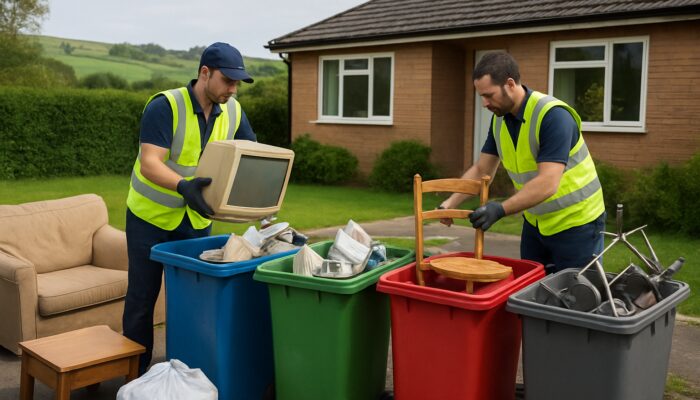
Conducting house clearance in the United Kingdom requires careful attention to waste segregation, especially for items that necessitate special handling. Items such as electrical appliances, batteries, and hazardous materials like paints or chemicals must be disposed of following stringent regulations. Non-compliance can result in significant harm to the environment as well as legal consequences.
Local councils have implemented specific guidelines to ensure these materials are managed safely. For instance, electrical items must be recycled at designated facilities capable of handling their unique components. Hazardous waste typically requires special permits for collection and transport, highlighting the necessity for awareness and strict adherence to these regulations.
Being informed about the categories of waste that require special handling not only aids in environmental protection but also ensures legal compliance. Professionals in house clearance must stay updated on local regulations to avoid improper disposal methods that could incur fines or other penalties.
Identifying Approved Collection Points Across the UK
House clearance operations can greatly benefit from knowledge of approved collection points for recyclable materials throughout the UK. These designated sites ensure compliance with local recycling regulations and support responsible waste disposal practices. Below are some notable regional collection points:
- London: Reuse and Recycling Centres (RRCs)
- Birmingham: Tyseley Energy Recovery Facility
- Manchester: Sharston Recycling Centre
- Edinburgh: Seafield Waste Water Treatment Works
- Bristol: Avonmouth Recycling Centre
- Cardiff: Bessemer Road Recycling Centre
Utilising these collection points simplifies the house clearance process while ensuring that materials are recycled appropriately. Each local authority may have its own list of approved sites, making it crucial for clearance professionals to research and become familiar with the available options in their locality.
By directing waste to these centres, businesses can showcase their commitment to responsible practices and positively impact their communities. This approach also reduces the risk of illegal dumping, which can have serious environmental repercussions.
Essential Documentation for Legal Waste Transport
Maintaining accurate records of waste transfer notes is vital for any house clearance operation in the UK. These documents serve as evidence of compliance with recycling regulations and confirm that materials are being managed and transported legally. Each transfer note should specify the type and quantity of waste, along with the name and address of the waste carrier.
It is essential to retain these records for a minimum of two years, as local authorities may request them during inspections. Inadequate documentation can lead to penalties and damage the credibility of the house clearance business.
A robust documentation process can enhance operational efficiency. It allows for improved tracking of waste streams and helps identify areas for enhancement in recycling practices. House clearance professionals should dedicate time to training their teams to ensure consistent adherence to proper record-keeping.
Key Insights into Recycling Regulations for House Clearance in the UK
Important Legislative Updates to Monitor
Recent amendments to recycling regulations in the UK have introduced new requirements that house clearance professionals must be aware of. The Environment Act 2021 has, for example, reinforced the legal framework surrounding waste management, highlighting the need for increased recycling rates and reduced landfill reliance. This legislation mandates local authorities to develop more comprehensive waste management plans that directly influence house clearance operations.
The introduction of Extended Producer Responsibility (EPR) schemes obliges manufacturers to take accountability for the entire lifecycle of their products, including disposal. This shift not only alters waste management practices but also places greater emphasis on recycling and recovery, impacting how house clearance teams operate.
Staying informed about these legislative changes is vital for compliance. House clearance professionals should routinely review updates in local regulations and participate in industry training sessions to remain knowledgeable and adaptable in their practices.
Common Challenges Faced in Daily Operations
House clearance professionals often encounter common challenges that can lead to non-compliance with recycling regulations. One prevalent error is the improper segregation of waste. Many teams may unintentionally mix recyclable materials with general waste, leading to contamination and increased disposal costs.
Another challenge arises from insufficient training regarding current regulations. Staff may lack full knowledge about the types of materials requiring special handling, resulting in potential legal infractions. Regular training sessions and updates on recycling standards can help alleviate these risks.
To circumvent these challenges, house clearance teams should establish a thorough compliance checklist outlining the necessary steps for each operation. This ensures that all team members are aligned and decreases the likelihood of errors that could have severe consequences.
Upholding Industry Standards for Professional Teams

Adhering to industry standards is crucial for house clearance teams to maintain compliance with recycling regulations. A notable example of successful compliance can be seen in companies that have achieved the ISO 14001 Environmental Management System certification. This certification reflects a commitment to minimising environmental impact and enhancing waste management practices.
Another relevant case involves a house clearance firm in London that collaborated with local authorities to create a community recycling initiative. By engaging with residents and educating them on proper disposal methods, the company not only improved its compliance but also built a positive reputation within the community.
These case studies illustrate that effective application of recycling regulations can lead to enhanced operational efficiency and improved customer satisfaction. House clearance professionals should actively seek best practices and learn from successful examples within the industry.
Building Effective Partnerships with Local Authorities
Cooperation with local authorities is essential for house clearance professionals to effectively navigate recycling regulations. Establishing strong relationships can facilitate smoother operations and ensure adherence to local waste management policies. One effective strategy is to regularly attend council meetings focused on waste management to remain informed about new initiatives and regulatory changes.
Clearance teams should maintain open lines of communication with local authorities regarding permits and reporting requirements. This proactive approach helps avoid delays and fosters trust and collaboration between both parties.
Implementing best practices for compliance, such as maintaining accurate records and following local guidelines, can further strengthen these relationships. By working collaboratively, house clearance professionals and local authorities can develop a more sustainable waste management system.
Importance of Ongoing Training for Compliance Teams
Continuous training is vital for compliance teams involved in house clearance operations in the UK. Given that recycling regulations are constantly evolving, it is essential for professionals to stay up-to-date with the latest requirements and best practices. Training sessions should encompass topics such as waste segregation, hazardous materials handling, and documentation processes to ensure teams are well-prepared.
Accredited training programmes can also provide valuable certifications that bolster a team’s credibility and demonstrate their commitment to compliance. Regularly scheduled refresher courses can reinforce knowledge and keep staff informed about any changes in legislation.
Investing in training not only benefits individual team members but also strengthens the overall operation. A knowledgeable workforce is better prepared to tackle the complexities of recycling regulations, ultimately leading to improved compliance and a lower risk of penalties.
What Are the Consequences of Non-Compliance?
Financial Penalties Enforced by Local Authorities
Local authorities in the UK possess the authority to impose significant fines on house clearance companies that breach recycling regulations. These penalties can vary greatly depending on the nature of the offence, ranging from minor fines for documentation errors to hefty financial penalties for improper waste disposal.
Often, fines are imposed for failing to provide necessary documentation, such as waste transfer notes. This highlights the importance of maintaining precise records throughout the clearance process. Non-compliance can also lead to heightened scrutiny from local authorities, resulting in further inspections and potential sanctions.
The financial consequences of these fines can be detrimental to house clearance businesses. it is essential for industry professionals to prioritise compliance and implement robust practices to avoid any breaches of regulations.
Legal Repercussions for Repeated Violations
Repeated infractions in house clearance operations can lead to serious legal consequences under current waste management frameworks in the UK. Companies that continually fail to comply with recycling regulations may face escalating penalties, including increased fines and even legal action.
In severe cases, persistent non-compliance can result in the suspension or revocation of operating licences, effectively halting business operations. This not only affects the company financially but can also tarnish its reputation within the industry and the community.
To avert these serious consequences, house clearance professionals must take compliance seriously. Implementing comprehensive training programmes and maintaining a strong focus on adherence to regulations can mitigate the risk of repeated offences and ensure long-term operational viability.
Enforcement Measures by Regulatory Bodies
Regulatory bodies in the UK actively oversee house clearance operations to ensure adherence to recycling regulations. These enforcement measures can include inspections, audits, and investigations into reported violations. Companies found to be in breach of regulations may face a spectrum of consequences, ranging from fines to more serious penalties, including criminal charges.
Proactive monitoring acts as a deterrent for non-compliance and encourages house clearance firms to uphold best practices. Engaging with local authorities and staying informed about regulatory changes can help companies minimise the risk of enforcement actions.
By cultivating a culture of compliance and transparency, house clearance teams can build trust with regulatory bodies and demonstrate their commitment to responsible waste management. This approach not only safeguards the environment but also enhances the firm’s reputation in the marketplace.
Research-Driven Advantages of Recycling Regulations for House Clearance in the UK
Environmental Benefits Supported by Research
Research consistently demonstrates that strict adherence to recycling regulations in house clearance significantly reduces landfill reliance and promotes resource recovery. Studies indicate that effective recycling practices can divert a substantial percentage of waste from landfills, fostering a more sustainable environment.
For instance, a report by the Waste and Resources Action Programme (WRAP) revealed that recycling can decrease greenhouse gas emissions by as much as 70%. This highlights the critical role of compliance with recycling regulations as a means of addressing climate change and conserving natural resources.
Communities that actively engage in recycling initiatives often experience enhancements in local environments. Cleaner streets, reduced pollution levels, and improved biodiversity are just a few of the benefits linked to effective recycling practices within house clearance contexts.
Cost Benefits for House Clearance Businesses
Adhering to recycling regulations can yield significant cost savings for house clearance businesses. By implementing efficient material reuse strategies, companies can reduce disposal costs and limit the volume of waste sent to landfills.
One practical approach is to forge partnerships with local charities or recycling organisations. This not only creates a sustainable avenue for reusable items but can also elevate the company’s reputation, attracting environmentally conscious customers.
By optimising waste management processes and investing in staff training, house clearance firms can enhance operational efficiency. This ultimately leads to reduced costs and increased profitability while promoting responsible waste practices.
Public Health Improvements Linked to Recycling Practices
Effective recycling practices in house clearance contexts have been associated with positive public health outcomes. Research indicates that communities with well-implemented recycling programmes experience lower pollution rates and improved air quality, contributing to the overall health of residents.
For example, a study conducted in urban areas demonstrated that effective waste management practices, including recycling, significantly reduced the incidence of respiratory illnesses linked to poor air quality. This underscores the importance of compliance with recycling regulations not only for environmental protection but also for safeguarding public health.
By prioritising responsible waste disposal and recycling, house clearance professionals can contribute to healthier environments. This not only benefits the community but also reinforces the importance of compliance with recycling regulations in promoting public health.
How Does Licensing Influence House Clearance Operations?
Navigating Application Processes for Necessary Permits
House clearance operators in the UK must acquire specific waste carrier licences to legally manage and recycle materials. The application process typically involves submitting comprehensive information about the company, including operational procedures and staff training protocols.
Local authorities evaluate these applications to ensure that the company meets all necessary criteria for compliance with recycling regulations. This process can vary by region, making it critical for house clearance professionals to understand the specific licensing requirements applicable in their area.
Obtaining the appropriate permits not only ensures legal compliance but also enhances the credibility of the business. Licensed companies demonstrate a commitment to responsible waste management, which can attract more customers and build trust within the community.
Understanding Renewal Obligations and Inspections
Licensed house clearance firms face ongoing responsibilities to maintain compliance throughout their operations. This includes the regular renewal of waste carrier licences, which may necessitate the submission of updated documentation and proof of continued adherence to recycling regulations.
Local authorities may conduct periodic inspections to ensure that licensed companies follow the necessary protocols. These inspections often assess waste segregation practices, documentation accuracy, and overall compliance with environmental regulations.
Staying on top of renewal obligations and preparing for inspections is crucial for house clearance operators. By maintaining high compliance standards, companies can avoid potential penalties and ensure the smooth operation of their services.
How Licensing Affects Pricing Strategies for Services
The costs associated with licensing can substantially influence the pricing structures of house clearance services in the UK. Acquiring and maintaining waste carrier licences entails fees that can contribute to the overall operational costs of a business.
Clearance companies must carefully consider how these expenses are reflected in their pricing strategies. Transparency in pricing can foster trust with customers, as they understand the rationale behind service charges related to compliance.
Companies that invest in efficient waste management practices may find that they can offset some of these costs through improved operational efficiency and reduced disposal fees. Striking this balance is essential for sustaining a profitable business while adhering to recycling regulations.
Compliance Training for House Clearance Personnel
House clearance operators must ensure that all staff engage in accredited training programmes covering waste handling protocols. This training is essential for meeting licensing standards and maintaining safe practices during regulated clearance activities.
Effective training programmes should encompass various aspects of recycling regulations, including waste segregation, hazardous materials handling, and documentation requirements. Regular training updates can help staff remain informed about evolving regulations and best practices.
Investing in compliance training not only enhances the skills of the workforce but also reinforces the company’s commitment to responsible waste management. A well-equipped team can navigate the complexities of recycling regulations more effectively, ensuring the success of house clearance operations.
Consequences of Regulatory Non-Compliance
Violations of licensing conditions can expose house clearance firms to significant penalties, including fines and potential licence revocation. Non-compliance with recycling regulations can disrupt ongoing projects and compel companies to reassess their operational practices.
Local authorities regard violations seriously, and repeated offences can lead to more severe repercussions, including legal action. This highlights the necessity of prioritising compliance and maintaining high standards in waste management practices.
To mitigate the risk of regulatory non-compliance, house clearance professionals should implement robust training programmes and establish clear procedures for documentation and waste handling. Proactive measures can help ensure adherence to recycling regulations and safeguard the long-term viability of the business.
Best Practices for Sustainable Waste Disposal
Establishing Partnerships with Certified Recycling Facilities
House clearance teams should prioritise forming partnerships with certified recycling facilities to ensure that materials are processed in accordance with relevant recycling regulations. These facilities are equipped to manage various waste streams while adhering to environmental standards, providing peace of mind for clearance operators.
Creating relationships with certified facilities can also streamline the disposal process. By collaborating with trusted partners, house clearance companies can ensure that recyclable materials are diverted from landfills and managed responsibly.
These partnerships can enhance a company’s reputation within the community. Demonstrating a commitment to sustainable disposal practices can attract environmentally conscious customers and foster loyalty among clients who value responsible waste management.
Implementing Effective Waste Tracking from Collection to Disposal
Implementing efficient tracking methods is essential for compliant house clearance operations. Accurate tracking ensures that waste is monitored from the moment of collection through to final disposal, verifying that materials are recycled appropriately. Here are some critical tracking methods:
- Utilising electronic waste tracking systems
- Maintaining thorough records of waste transfer notes
- Conducting regular audits of waste streams
- Engaging in transparent communication with recycling partners
These tracking methods not only assist in ensuring compliance with recycling regulations but also provide valuable insights into operational efficiency. By analysing waste data, companies can pinpoint areas for improvement and refine their overall recycling practices.
Educating Staff on Updated Protocols
Ongoing education is crucial for ensuring that house clearance teams remain knowledgeable about UK recycling regulations. Regular training sessions should focus on updated protocols and best practices in waste management, equipping staff to stay informed about changes in legislation.
Training programmes should include practical exercises that simulate real-world scenarios, enabling team members to apply their knowledge effectively. This hands-on approach can improve understanding and retention of vital information related to recycling regulations.
By prioritising staff training on updated protocols, house clearance companies can cultivate a culture of compliance and responsibility. A well-informed team is better equipped to navigate the complexities of recycling regulations, leading to improved operational success.
Frequently Asked Questions
What are the primary recycling regulations for house clearance in the UK?
The primary recycling regulations for house clearance in the UK encompass adherence to the Waste Management Licensing Regulations and the Environmental Protection Act, which mandate proper waste segregation, documentation, and disposal practices.
What types of materials necessitate special handling during house clearance?
Materials such as electrical appliances, batteries, hazardous waste, and chemicals require special handling during house clearance to ensure compliance with regulations and prevent environmental damage.
How can house clearance professionals avoid incurring fines for non-compliance?
House clearance professionals can avoid fines by maintaining accurate documentation, adhering to waste segregation guidelines, and regularly training staff on current recycling regulations.
What are the repercussions of repeated non-compliance with recycling regulations?
Repeated non-compliance can lead to escalating fines, legal action, and potential revocation of operating licences, negatively affecting the company’s ability to conduct business.
How can house clearance teams effectively collaborate with local authorities?
Effective collaboration entails attending council meetings, maintaining open communication regarding permits, and adhering to local waste management policies to foster trust and cooperation.
Why is ongoing training critical for compliance teams?
Ongoing training is essential as it keeps staff informed about evolving recycling regulations, ensuring they are equipped to handle compliance effectively and mitigate risks.
What documentation is necessary for legal waste transport?
Clear records of waste transfer notes are required, detailing the type and quantity of waste, as well as the name and address of the waste carrier for legal transport.
What advantages come from partnering with certified recycling facilities?
Partnering with certified recycling facilities ensures responsible processing of materials, enhances operational efficiency, and reinforces the company’s commitment to sustainable waste management practices.
How can tracking waste improve compliance in house clearance operations?
Tracking waste from collection to disposal helps verify proper recycling outcomes, ensuring compliance with regulations and providing insights for improving operational practices.
What are the primary penalties for failing to comply with recycling regulations?
Primary penalties for non-compliance include substantial fines, increased scrutiny from local authorities, and potential legal action, which can disrupt business operations and impact reputation.