The Importance of Choosing the Right House Clearance Gloves in the UK
Explore Common Glove Materials for Effective House Clearance

When undertaking house clearance in the UK, selecting the appropriate gloves is essential for ensuring both safety and comfort during the process. Durable glove materials such as latex and nitrile have become increasingly popular among users due to their protective qualities against dust and debris, which are often present during clearances. These materials not only offer resilience but also provide the necessary flexibility and tactile feedback, allowing users to handle items with care and precision. Many households across the UK utilise these gloves while navigating through a range of items, from dusty antiques to everyday clutter, facilitating a smoother clearance experience.
What Types of Gloves Are Best Suited for Specific UK Clearance Tasks?
Choosing the right gloves for various house clearance tasks can significantly influence both performance and safety. For example, certain gloves designed with enhanced grip are crucial when handling fragile antiques, which are frequently encountered in British homes. Gloves featuring textured surfaces are particularly effective in preventing slips, especially in damp areas such as cellars or attics, which are common in the UK. While lightweight gloves promote ease of movement for sorting through loose items, heavier-duty gloves are indispensable for managing more substantial, bulkier items. The availability of these options in local stores means that individuals can easily find gloves tailored to their specific clearance needs.
Key UK Regulations Regarding Glove Use During Clearances
- Compliance with Health and Safety Executive (HSE) standards
- Adherence to Personal Protective Equipment (PPE) regulations
- Guidelines for handling hazardous materials
- Recommendations for the maintenance and disposal of gloves
Understanding the regulations surrounding glove use is vital for a safe and effective house clearance in the UK. The Health and Safety Executive (HSE) provides comprehensive guidelines and standards for Personal Protective Equipment (PPE), making it clear that gloves must be suitable for the tasks being performed. This includes necessary protective measures when dealing with potentially hazardous materials, ensuring that users minimise risks related to contamination or injury. Additionally, following best practices for the maintenance and responsible disposal of used gloves is crucial, contributing to overall safety and environmental sustainability.
Essential Features to Consider When Choosing Quality Gloves

Understanding Sizes and Fits for UK Users
One of the most important features to consider when selecting gloves for house clearance is the size and fit. Gloves that offer adjustable fits are particularly beneficial as they cater to the diverse range of hand sizes found within the UK population. An ergonomic design that conforms to the natural shape of the hand enhances dexterity, allowing individuals to perform tasks with reduced hand fatigue during lengthy clearance sessions. For example, gloves featuring elasticated cuffs and adjustable wrist straps can effectively prevent debris from entering while providing a snug fit. Such thoughtful designs not only improve comfort but also enhance overall efficiency during clearances.
Evaluating Durability for Repeated Use in the UK
Durability is a crucial attribute of any glove intended for repeated use in the context of UK house clearances. High-quality gloves should be resistant to wear and tear caused by typical British weather conditions, such as rain or humidity, which often arise during outdoor tasks. For instance, gloves constructed with reinforced seams and abrasion-resistant materials are designed to ensure longevity, withstanding the rigours of navigating through various environments, from damp basements to cluttered attics. Additionally, gloves specifically designed for UK climates should maintain their shape and protective qualities even after multiple washes, making them a cost-effective option for regular use.
How to Ensure Gloves Provide Adequate Protection During Clearances
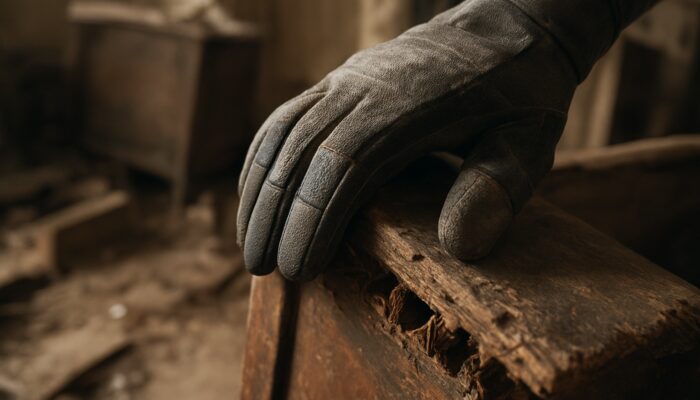
Adequate protection is a critical consideration when selecting gloves for house clearance tasks. Users should look for gloves with layered designs that offer comprehensive hand safety, particularly when dealing with old furniture or items that may have sharp edges. For instance, gloves with puncture-resistant liners provide an extra level of security against potential injuries from jagged objects. Furthermore, it is vital to assess the glove’s ability to guard against specific hazards, such as chemicals or allergens that may be present in older homes. By selecting gloves that address these common risks, users can mitigate injuries and ensure a safer clearance experience.
Comfort and Breathability: Key Features for Extended Use
Comfort is paramount for prolonged use of gloves during house clearance, especially given the varying temperatures experienced in the UK. Ergonomically designed gloves that incorporate breathable fabrics help manage moisture and temperature fluctuations, significantly reducing discomfort and hand fatigue. For example, gloves made from materials that wick moisture away from the skin keep hands dry, particularly during warmer summer months. Additionally, padded designs can offer extra cushioning, making it easier to handle heavy or awkward items without straining the hands. Such considerations ensure that users can work effectively for extended periods without compromising their comfort.
Enhanced Grip and Dexterity for Efficient Handling
Quality gloves should feature enhanced grip and dexterity options to improve handling during house clearance tasks. Gloves equipped with textured palms made from flexible materials provide a secure grip on various surfaces commonly encountered in UK homes. For instance, roughened or rubberised surfaces can significantly minimise the risk of dropping fragile items, such as glassware or porcelain, which are often part of estate clearances. Furthermore, the incorporation of finger articulation in glove design promotes natural movement, empowering users to perform precise tasks without the restriction of bulky materials. This balance of grip and dexterity is essential for maintaining safety and efficiency throughout the clearance process.
How Do You Select the Right Gloves for House Clearance?
Actionable Steps for Effective Glove Selection in the UK
Selecting the right gloves for house clearance in the UK requires careful consideration of various factors tailored to the specific tasks at hand. Begin by evaluating the types of materials you will encounter—whether dusty antiques or sharp-edged furniture—to determine the necessary level of protection. Next, assess the fit of the gloves; choosing a pair that allows for flexibility without compromising safety is crucial. For instance, many individuals find gloves with adjustable wristbands beneficial for maintaining a secure fit while working. Additionally, consulting local suppliers for recommendations on gloves that have been tried and tested in real-world clearance scenarios can provide invaluable insights.
Expert Recommendations for Durability Specific to the UK
When selecting gloves intended for durability within the UK, it is essential to consider the unique challenges posed by the local climate. Experts advise choosing gloves made from materials designed to withstand moisture and temperature changes—characteristics vital for handling items in older, more humid homes. For instance, gloves crafted with waterproof coatings or treated fabrics ensure protection even in damp environments, significantly reducing the risk of degradation over time. Furthermore, consulting user reviews and material specifications can help identify gloves that offer both protection and longevity, leading to informed purchasing decisions.
Expert Tips for Maintaining Gloves for Long-Term Use in the UK
Maintaining gloves for long-term use is essential for ensuring their effectiveness during repeated house clearance tasks. Experts suggest that users regularly wash gloves with appropriate detergents suited to the materials to keep them sanitary and functional. Additionally, it is important to inspect gloves frequently for signs of wear and tear, addressing any issues before they compromise safety. For example, if the seams begin to fray or the grip shows signs of deterioration, it may be time to replace them. Lastly, adopting sustainable practices by properly disposing of worn gloves in line with local recycling guidelines contributes to environmental efforts while ensuring personal safety.
Expert Insights on the Best Gloves for Handling Items
What Benefits Do Gloves Provide During Clearances?
How Do Gloves Enhance Safety During Clearances?
Gloves are essential for enhancing safety during house clearances, significantly reducing the risk of cuts and injuries from sharp edges present on various household items. By providing a protective barrier, gloves minimise direct contact with potentially hazardous materials, such as broken glass or metal fragments. This critical aspect becomes especially important in the bustling environments typical of busy UK homes, where items are often packed into tight spaces. Consequently, wearing gloves not only protects the hands but also allows users to focus on the task without the distraction of potential injuries.
What Comfort Features Make Gloves User-Friendly?
Comfort features are vital in making gloves user-friendly, especially during extensive clearance operations. Many gloves today come with padded designs that alleviate strain on the hands, a common issue during prolonged sorting and lifting sessions. Additionally, the use of breathable materials ensures that hands do not overheat or sweat, which can lead to discomfort and decreased grip. For instance, many British users prefer gloves with moisture-wicking properties, ensuring a comfortable experience even in warmer conditions. This focus on comfort not only boosts productivity but also enhances overall user satisfaction during clearances.
Why Do Gloves Improve Efficiency in Handling Items?
- Prevents slips and drops when handling items
- Enhances grip on various surfaces
- Allows for better dexterity in delicate tasks
- Reduces the time spent managing injuries
Gloves play a significant role in boosting efficiency during house clearance tasks, particularly when dealing with cluttered spaces such as UK attics or garages. Their protective features prevent slips and drops, which can cause damage or injury, ultimately saving both time and resources. Moreover, the improved grip provided by quality gloves enables individuals to handle items with greater precision, making the sorting process quicker and more effective. By reducing the risk of injuries and enhancing dexterity, gloves contribute to a more streamlined clearance experience, allowing for increased focus on the task at hand.
How Do Gloves Aid in Maintaining Hygiene and Preventing Contamination?
Gloves offer essential protection against bacteria and allergens during house clearances, playing a crucial role in maintaining hygiene. In the UK, where dust and contaminants can accumulate in older homes, using gloves acts as a barrier, preventing exposure to harmful particles that could lead to health issues. Many gloves now feature antimicrobial properties, further safeguarding users from potential infections when handling dusty or contaminated items. The correct use of gloves thus enhances overall safety and cleanliness, making them an indispensable tool in any thorough clearance operation.
Trusted Strategies for Effective Glove Use in Clearance
Techniques for Effective Glove Application in UK Settings
Proper techniques for wearing gloves are essential for ensuring effective use, particularly in the often damp conditions encountered in the UK. Wearing gloves correctly involves ensuring they fit snugly without being excessively tight, allowing for both comfort and mobility. It is also important to secure the cuffs over the sleeves to prevent slippage, especially when navigating slippery surfaces. For example, when working in outdoor environments, a firm grip on the wrists can enhance control and prevent accidents, ensuring that tasks are executed safely and efficiently.
How to Pair Gloves with Other UK Safety Gear?
Integrating gloves with other safety gear can significantly enhance protection during house clearances. Experts recommend pairing gloves with masks or goggles to provide full protection against dust and debris, particularly in older homes where allergens may be prevalent. Having a comprehensive safety kit ensures that users are well-prepared for potential hazards they may encounter. For instance, wearing gloves alongside goggles not only safeguards the hands but also protects the eyes from flying particles, thereby enhancing overall safety during the clearance process.
Strategies for Responsibly Disposing of Used Gloves
Responsibly disposing of used gloves is integral to maintaining environmental integrity during house clearances. Following UK recycling guidelines, individuals should aim to dispose of gloves in a manner that minimises environmental impact. Many local councils provide specific disposal facilities for hazardous waste, including used gloves, ensuring that they do not contribute to landfill. Additionally, opting for biodegradable or recyclable gloves can further align with eco-friendly practices, promoting sustainability within the community while ensuring compliance with local regulations.
Why Are Gloves Indispensable in UK House Clearances?
What Role Do Gloves Play in Preventing Allergies?
Gloves serve as a vital barrier against allergens, particularly dust mites, which are common in UK residences. By providing a protective layer, gloves help prevent direct contact with these irritants, safeguarding individuals from allergic reactions that can occur during clearances. For example, when sorting through old clothing or bedding, wearing gloves can mitigate exposure to dust, significantly reducing the likelihood of respiratory issues or skin irritations. This preventative measure is essential for ensuring the health and comfort of those involved in house clearances, particularly in environments where allergens are prevalent.
How Do Gloves Support Hygiene in Shared UK Spaces?
Gloves play a crucial role in maintaining hygiene, particularly in shared spaces such as family homes or communal areas. By minimising germ transfer when handling multiple items, gloves ensure that users can maintain a clean environment during the clearance process. This is particularly important in large households where items may have been touched by numerous individuals. By adopting glove use, individuals can effectively manage cleanliness standards, protecting both themselves and others from potential health risks associated with contamination during clearances.
Why Are Gloves Essential for Preserving Item Value?
Preserving the value of delicate antiques and collectibles is a significant concern during house clearances, and gloves are essential in this aspect. By acting as a barrier against the natural oils and dirt from hands, gloves help maintain the integrity of items, ensuring they retain their market value. For instance, handling porcelain figurines or vintage books without gloves can lead to discolouration or damage over time. Therefore, using high-quality gloves during handling is crucial for those looking to maintain the worth of their items in the UK market.
How Do Gloves Protect Against Hazardous Materials in UK House Clearances?
During house clearances in the UK, gloves are indispensable for safeguarding against hazardous materials commonly found in older properties. These may include chemicals, mould, and other substances that pose health risks. Choosing the right gloves, such as those featuring chemical-resistant properties, can protect handlers from exposure to these dangers. For example, when clearing out a garage, where harmful substances may be stored, wearing appropriate gloves is essential to ensuring safety and minimising potential health hazards. This proactive measure ensures that users can conduct clearances with confidence, knowing they are protected against unexpected risks.
Maintenance and Care of Gloves for Optimal Use
Proper Storage Methods for UK Climate Conditions
Proper storage of gloves is crucial for extending their lifespan, particularly in the often damp climate of the UK. Storing gloves in dry, cool environments prevents mould build-up and degradation of materials, ensuring they remain in optimal condition for use. For instance, placing gloves in a breathable fabric bag rather than a sealed plastic container helps maintain airflow, reducing the risk of moisture-related issues. Additionally, keeping gloves away from direct sunlight can prevent fading and weakening of the materials, which is essential for ensuring longevity.
How to Effectively Clean Gloves After Use in Clearances
Cleaning gloves after use is essential for maintaining hygiene and prolonging their usability during repeated clearances. Regular washing with UK-recommended detergents helps remove dirt and contaminants, ensuring that gloves remain sanitary for future use. For instance, after handling dusty or potentially hazardous items, it is advisable to wash gloves thoroughly, ensuring all areas are cleansed effectively. Furthermore, following manufacturer instructions regarding cleaning methods—whether machine or hand-wash—can prevent damage and maintain the functional integrity of the gloves.
Signs Indicating Gloves Need Replacement in UK Scenarios
Recognising when gloves need replacement is vital for ensuring safety during house clearances. Signs of wear, such as visible tears, frayed seams, or diminished grip, indicate that gloves may no longer provide adequate protection. For instance, if gloves begin to feel excessively thin or lose their elasticity, this could compromise safety, especially when dealing with sharp or heavy items. Regularly inspecting gloves for these indicators is critical for maintaining optimal safety standards, ensuring that users always have reliable protection during their clearance tasks.
Top Recommendations for House Clearance Gloves in the UK
Popular Glove Brands Available in UK Stores
Several leading glove brands are accessible within UK stores, offering reliable options tailored for house clearances. Brands such as Showa, Ansell, and Hestra are well-regarded for providing quality gloves designed for various clearance tasks. Each brand features gloves with unique attributes, catering to different user needs, such as enhanced grip, chemical resistance, or durability. These options ensure that individuals can find suitable gloves, whether they are tackling outdoor clearances or sorting through delicate household items.
Features of Top-Rated Gloves for Various House Clearance Tasks
Top-rated gloves available in the UK market boast excellent grip and flexibility, essential for handling the diverse items found in homes. Many of these gloves feature reinforced fingertips and textured surfaces, significantly enhancing users’ ability to manage fragile objects without fear of slippage. Moreover, the incorporation of breathable materials ensures comfort during extended periods of use, enabling individuals to work efficiently without experiencing fatigue. These standout attributes make them ideal for handling a wide array of items during house clearances, thereby contributing to overall task efficiency.
How to Compare Glove Options in the UK Market Effectively
Comparing glove options in the UK market involves evaluating several factors to ensure value for money. Users should consider price points alongside quality, assessing features such as material durability, level of protection, and user reviews. Additionally, seeking recommendations from local retailers can provide insights into which gloves have proven effective in real-world scenarios. By establishing a balanced approach to comparing gloves, individuals can make informed decisions that align with their specific clearance needs while ensuring both safety and comfort.
FAQs on House Clearance Gloves
What Types of Gloves Are Best for House Clearance?
For house clearance, gloves made from durable materials like nitrile or latex are ideal as they provide excellent grip and protection against dust and debris.
How Do I Know What Size Gloves to Buy?
To determine the correct glove size, measure your hand around the widest part and refer to the manufacturer’s sizing chart for the most accurate fit.
Are There Gloves Specifically Designed for Handling Antiques?
Yes, gloves designed for handling antiques often feature soft, non-abrasive materials and enhanced grip to prevent damage during handling.
Can I Wash My Gloves After Use?
Yes, many gloves can be washed; however, it is essential to follow the manufacturer’s care instructions to avoid damaging them.
How Often Should Gloves Be Replaced?
Gloves should be replaced when they show signs of wear, such as tears, loss of grip, or compromised protective qualities, to ensure safety during use.
What Are the Benefits of Using Gloves in House Clearance?
Using gloves during house clearance enhances safety by reducing the risk of cuts and injuries while providing protection against allergens and contaminants.
Are There Biodegradable Glove Options Available?
Yes, some brands offer biodegradable gloves that provide an eco-friendly alternative while still ensuring user protection and comfort.
How Should I Store My Gloves to Maintain Their Condition?
Store gloves in a cool, dry place away from direct sunlight to prevent degradation and maintain their condition over time.
Can Gloves Prevent Allergic Reactions During Clearances?
Yes, gloves can act as a barrier against allergens like dust mites, helping to reduce the risk of allergic reactions during clearances.
What Are the Best Gloves for Outdoor Clearance Tasks?
For outdoor clearance tasks, gloves made from waterproof and abrasion-resistant materials are recommended to protect against the elements and rough surfaces.