Key Cleaning Supplies for Budget-Friendly Cleaning in the UK
What fundamental items are essential for effective cleaning?
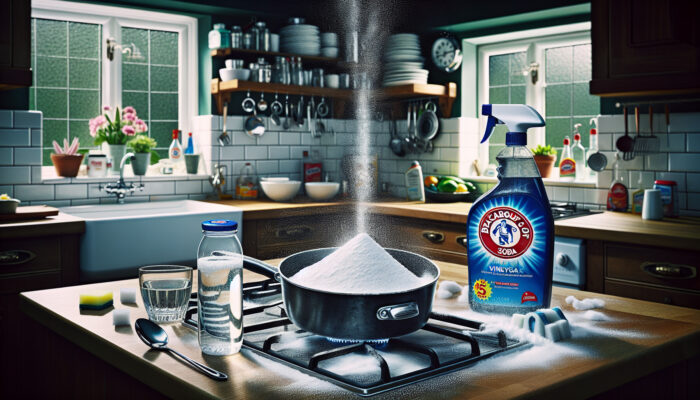
Budget Cleaning Tips Post-House Clearance: To ensure effective cleaning after a house clearance, every UK household should be equipped with a few essential, affordable items. These products are readily available at local retailers such as Tesco, Sainsbury’s, or Wilko, often priced below £5. For example, bicarbonate of soda is an incredible asset for tackling tough grease and unpleasant odours. Its versatility means it can be used for a variety of tasks, from scrubbing surfaces to deodorising carpets. Vinegar is another essential item; its natural acidity makes it an effective cleaner that cuts through grime on glass and tile surfaces.
In addition, microfibre cloths, available for a few pounds, are indispensable for dusting and wiping surfaces while preventing scratches. A basic broom or a dustpan-and-brush set, both readily available at budget-friendly stores, will help maintain cleanliness and order. For more challenging jobs, consider investing in a sponge mop, as it effectively handles both wet and dry messes. The combination of these essential cleaning tools helps keep your home immaculate without overspending, enabling efficient, effective cleaning.
How can I find eco-friendly cleaning products on a budget?
Finding eco-friendly cleaning products does not have to be expensive, especially in the UK, where there are many options. Charity shops and local second-hand stores serve as excellent starting points. Many of these establishments offer cleaning supplies that remain in good condition but at a fraction of the typical retail price. Additionally, platforms such as Freecycle and local Facebook groups often have listings for reusable items, providing a sustainable way to acquire necessary supplies without excessive spending.
Additionally, consider thrift stores for reusable containers and utensils. The unpredictable British weather can sometimes require moisture-absorbing products due to damp conditions; therefore, seek out items that serve dual purposes, such as vinegar, which can also help reduce humidity. By utilising these budget-conscious options, you not only save money but also reduce waste, ensuring your home remains clean and eco-friendly.
Affordable Tools for Efficient Post-Clearance Cleaning
When it comes to effective post-clearance cleaning, having the right tools can significantly impact your results. Fortunately, you can equip yourself with essential cleaning tools for under £10 from high-street retailers across the UK. A robust scrub brush costs around £3 and is ideal for removing stubborn stains from various surfaces. Similarly, a set of sponges, typically costing around £2, can be invaluable for a range of cleaning tasks.
Investing in a quality dustpan and brush set, often available for less than £5, ensures you can easily collect dust and debris, helping maintain a clean environment. An old store-bought rag, frequently found at discount stores, can be ideal for drying surfaces without leaving unsightly streaks. The Fura small vacuum cleaner, which is often on sale for about £10, is ideal for keeping your home clutter-free, particularly after major clearances. By employing these affordable tools, you can create a fresher atmosphere in your home without exceeding your budget.
How Should You Prepare for Cleaning After House Clearance?

Steps to evaluate your home’s condition following clearance
Evaluating your home’s condition after a house clearance is essential for identifying what cleaning tasks require immediate attention. Begin by paying particular attention to all rooms, focusing on common issues such as mould, which is frequently found in older UK properties. Look for signs of moisture on walls, ceilings, and corners; this initial assessment will help you determine whether special treatments are necessary before commencing general cleaning.
Following this, inspect the state of carpets and floors. If lingering odours or visible stains are present, they must be addressed as part of the inspection process. It’s also prudent to operate windows and doors to ensure they function correctly and are free of dust and grime that may have accumulated during the clearance. By identifying these concerns early, you can strategically plan your cleaning approach and focus on unnecessary expenditures, selecting the appropriate tools and products to streamline the process and ensure every aspect of your home is restored to its optimal condition.
What key safety measures should be taken before starting cleaning?
Before starting your cleaning tasks, it’s crucial to consider safety measures to protect you from potential hazards. One of the first steps is to wear protective gear, which is essential when confronting dust, mould, or chemical cleaners. Budget-friendly brands in the UK offer affordable gloves, masks, and goggles that effectively shield you from irritants.
Additionally, ensure your cleaning area is well ventilated. Open windows whenever possible to facilitate fresh air circulation, particularly when using stronger cleaning agents. Be particularly mindful of slipping risks, especially on surfaces exposed to water or other liquids; wearing rubber gloves can provide improved grip during cleaning tasks. Another important safety considerat sharp objects or i that may havethey left behind during the clearance, as these could pose injury risks. By taking these precautions, you can create a safer environment, not only for yourself but also for any family members or pets present while you clean.
How should you prioritise rooms based on their usage?
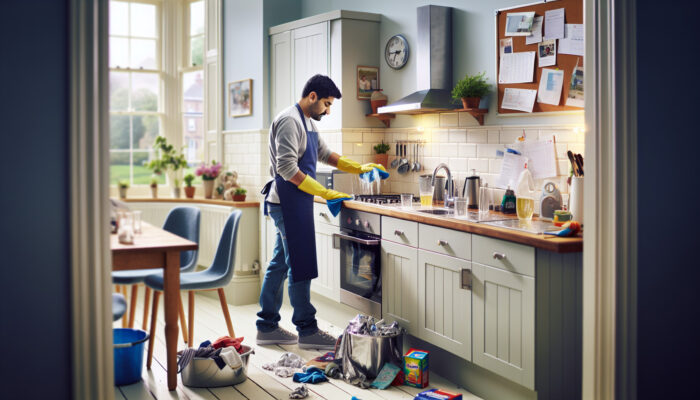
When undertaking cleaning after a house clearance, prioritising your efforts by room usage is vital. In most UK homes, the kitchen is the focal point of family activities, making it a high-traffic area that requires immediate attention. Start by clearing any remaining debris from the clearance area, then focus on wiping down surfaces, cleaning appliances, and sanitising sinks to ensure a hygienic environment.
Next, focus on bathrooms, as these spaces are notorious for harbouring mould and bacteria, particularly due to the damp UK climate. Conducting a thorough cleaning of the bathroom, including scrubbing tiles and disinfecting surfaces, will help ensure a safe, hygienic environment. While living rooms and bedrooms are also significant, they can often wait until immediate cleaning needs are met. Regular dusting, vacuuming, and managing clutter in these areas will help sustain cleanliness over time. By following this prioritisation approach, you can effectively allocate your time and resources, ensuring that the most frequently used spaces in your home are clean and inviting.
Expert Insights for Effective Budget Cleaning After House Clearance
What professional advice is available for tackling stubborn stains?
Dealing with stubborn stains, particularly in UK households and coffee spills, can be a daunting task. Professional cleaners often recommend prompt action when a stain occurs; the quicker you treat it, the better your chances of successful removal. For tea stains, a bicarbonate of soda and water mixture can be applied directly to the affected area. Allow it to sit for a few minutes before blotting with a clean, damp cloth. This method is both economical and effective, utilising items typically found in many households.
For more challenging stains, consider using whitening toothpaste, which effectively breaks down the tannins in tea. Mix equal parts of water and vinegar, and gently apply it with a soft cloth. It is crucial to avoid scrubbing, as this may drive the dirt into the fabric or surface. In cases where stains have set, consider using a blend of laundry detergent and warm water for fabrics, and always use a solution for hard surfaces, always ensuring to test in an inconspicuous area first. These expert insights empower you to tackle stains confidently without resorting to costly commercial products.
What strategies can improve space organisation?
Efficiently organising your space after a house clearance is vital for maintaining a clutter-free home. UK cleaning experts recommend utilising recycled materials for storage, offering a budget-friendly and environmentally conscious approach. For instance, old cardboard boxes can be repurposed into storage solutions for seldom-used items. At the same time, glass jars can serve as effective organisers for small items such as screws or craft materials.
Furthermore, consider implementing a ‘one in, one out’ rule to counteract clutter accumulation. This means that for every new item you bring into your home, you should remove an existing one. Designating areas for specific items can also help maintain organisation. For example, create a dedicated shelf for kitchen cleaning supplies or a box for seasonal decorations in the loft. By adhering to these strategies, you can optimise your living space effectively, simplifying the maintenance of cleanliness and order over time.
What long-term maintenance techniques should be adopted?
Long-term maintenance is essential to keep your home clean and comfortable, especially given the UK’s varied climate. A budget-friendly technique recommended by professionals is to establish a regular cleaning schedule that allows you to tackle different areas of the house periodically. For example, dedicating one day a week to thorough cleaning in a designated room can make the task feel less overwhelming.
Incorporating simple daily habits, such as keeping surfaces clear of clutter and performing a quick tidy-up each evening, can significantly enhance your home’s cleanliness. Use natural air fresheners, like simmering herbs or citrus peels, to maintain a fresh scent in your living spaces without the expense of commercial air sprays. Additionally, consider us to help control and prevent moisture damage from spreading throughout the home. By embracing these low-cost habits, you can develop a sustainable maintenance plan that keeps your home looking and feeling clean for the long term.
What Eco-Friendly Cleaning Options Are Available in the UK?
How can reusable materials be integrated into cleaning routines?
Integrating reusable materials into your cleaning routine not only helps reduce waste but also proves to be cost-effective over time. One of the simplest changes you can make is to invest in microfibre cloths, which are available at most UK supermarkets. These cloths effectively trap dirt and dust without the need for chemical cleaners, making them an eco-friendly alternative.
Additionally, consider repurposing old t-shirts or towels as cleaning rags. These items can be cut up and utilised for various cleaning tasks, from dusting to scrubbing surfaces. For mopping, you can create your own washable mop heads using old fabric, significantly reducing your dependence on disposable options. By implementing these reusable materials, you not only save money but also contribute to a more sustainable cleaning routine, which is increasingly important in today’s environmentally conscious society.
What are the benefits of using natural cleaners in British homes?
Utilising natural cleaners in British homes offers numerous advantages, especially in environments where harsh chemicals can pose risks to both health and the environment. Many cleaning products available in stores contain harsh chemicals that can exacerbate allergies or respiratory issues, particularly in the damp UK climate. By opting for natural solutions such as vinegar, baking soda, and essential oils, you can avoid potential health hazards while still achieving effective cleaning results.
Natural cleaners also offer additional benefits, such as being biodegradable and non-toxic, meaning they won’t harm the environment when they wash down the drain. Furthermore, creating your own cleaning solutions at home can be incredibly cost-effective. Simple recipes for all-purpose cleaners can be made using ingredients typically found in your pantry, allowing you to customise fragrances and cleaning power to your preference. These benefits make natural cleaners an appealing choice for maintaining a healthy and clean living space in the UK.
Where can affordable green products be sourced?
Discovering affordable green cleaning products in the UK is more accessible than ever, thanks to a variety of sources. Local recycling centres often stock eco-friendly cleaning supplies at discounted rates. Here are some key benefits of sourcing green products:
- Cost savings from reusable and bulk options.
- Reduction of harmful chemicals in your home.
- Support for local businesses and charities.
- Minimising environmental impact through sustainable practices.
- Access to unique, homemade cleaning solutions.
In addition, several online platforms, such as Ethical Superstore and Eco Warrior, provide a range of eco-friendly cleaning products. These options allow you to compare prices and read reviews before making a purchase. By sourcing affordable green products, you can maintain a clean home while contributing positively to the planet.
Research-Backed Benefits of Budget Cleaning Tips After House Clearance
What evidence-based methods are effective for dust removal?
Dust removal is a vital aspect of maintaining cleanliness and health in UK homes. Research indicates that using damp cloths for dusting is significantly more effective than dry cloths, which tend to spread dust particles into the air. This method reduces allergen levels, making it particularly beneficial for households with individuals with respiratory conditions.
Incorporating regular dusting into your cleaning routine can substantially improve indoor air quality. Using damp microfiber reduces dust and slows particle dispersion, improving dust capture and reducing the likelihood of particles becoming airborne. Furthermore, studies suggest that vacuuming carpets with HEPA filters can significantly reduce allergen levels. By adopting these evidence-based methods, you can cultivate a healthier living environment while keeping your cleaning budget-friendly.
How does regular upkeep save money in the long run?
Investing time in regular upkeep can prevent costly repairs. The Data shows that homes with a consistent cleaning schedule experience fewer wear-and-tear issues. For example, regularly vacuuming can extend the lifespan of carpets, which can represent a significant investment. Similarly, clearing drains of debris can avert blockages that might lead to expensive plumbing repairs.
Incorporating affordable cleaning habits into your daily routine can also help identify issues before they escalate. For instance, routinely checking for mould or damp spots in bathrooms and kitchens can save you considerable expenses in the future. By establishing a routine that includes these straightforward preventive measures, you can maintain your home in better condition, ultimately leading to long-term financial savings.
What is the impact of cleanliness on home value and well-being?
Cleanliness and well-maintained property not only attract potential buyers but also promote a healthier living environment. Research indicates that homes with regular upkeep command higher market values, as move-in-ready properties command a premium.
Moreover, residing in a clean environment has been linked to improved stress levels. The act of cleaning can be therapeutic, contributing to a sense of accomplishment and control. By employing budget strategies that enhance both the cleanliness of your home and the quality of life for its occupants, you create a positive feedback loop that benefits well-being, property value and your personal well-being.
What eco-friendly methods can be used for budget cleaning?
Recent research indicates that eco-friendly cleaning methods are not only effective but also economical. Many households in the UK are now turning to natural ingredients for cleaning, such as vinegar and bicarbonate of soda, to minimise their environmental footprint while saving money. These ingredients are often less expensive than commercial cleaners and can be employed in various ways around the home.
For instance, vinegar can serve as a descaler for kettles and a window cleaner, while bicarbonate of soda effectively tackles stains and odours. This versatility enhances value while promoting greener living. Additionally, studies show that adopting eco-friendly practices yields long-term financial benefits by reducing reliance on costly commercial products. By integrating these methods into your cleaning routine, you maintain a clean home while being considerate of the planet.
How can community support assist in ongoing maintenance?
Local community resources in the UK provide valuable support for ongoing maintenance and budget cleaning tips. Many community centres and libraries host workshops on home care and cleaning, providing residents with free access to knowledge and techniques to help them maintain their properties. Additionally, online community groups frequently share tips and advice, enhancing resident engagement in sustainable cleaning practices.
Studies indicate that being part of a support network can encourage consistent cleaning habits and maintenance practices among households. These resources not only empower individuals to take charge of their home upkeep but also foster a sense of camaraderie within communities. By tapping into these local networks, you can enhance your cleaning efforts and connect with like-minded individuals who share the goal of maintaining clean, healthy living spaces.
Why Is It Important to Prioritise Certain Areas in Your Home?
What makes kitchens a key focus in UK properties?
Kitchens often serve as the heart of British homes, making them a top priority for cleaning. These areas are where food is prepared, and spills are frequent, leading to the build-up of grease and bacteria. To uphold hygiene standards, focus on quick sanitising methods that integrate seamlessly into a budget-friendly cleaning routine.
Begin by decluttering surfaces to create a clear workspace. Utilise affordable cleaning solutions, such as vinegar-based sprays, to disinfect countertops and sinks. Regularly clean appliances, including the oven and fridge, to prevent build-up that can become increasingly difficult to remove over time. Establishing a straightforward cleaning schedule for kitchens guarantees that this high-traffic area remains safe and inviting for family gatherings, underscoring the importance of prioritising it in your cleaning efforts.
How do bathrooms contribute to overall cleanliness?
Bathrooms represent another critical area requiring attention, particularly in the damp UK climate, where mould can flourish if not managed appropriately. Cleaning these spaces not only ensures hygiene but also helps prevent health complications from mould or bacteria. Budget-friendly solutions like baking soda and vinegar can effectively combat mildew, making them ideal for routine bathroom cleaning.
Pay particular attention to high-contact surfaces, such as taps and toilet handles, as these can harbour germs. Regularly scrubbing tiles and grout helps prevent mould build-up and maintains a fresh appearance. Establishing a consistent cleaning routine for bathrooms can significantly enhance your home’s safety and cleanliness.
What overlooked spaces require attention?
In the hustle and bustle of daily life, certain areas often go unnoticed during cleaning routines. Spaces such as under-stairs storage, common in UK terraced houses, can quickly become cluttered and require regular attention to prevent more extensive cleaning issues later. These areas may accumulate dust and debris, creating a chaotic environment and making them essential to include in your cleaning plan.
Start by organising these spaces and utilising budget-friendly storage solutions, such as baskets or boxes, to store items. Regularly checking and tidying these overlooked areas prevents them from becoming overwhelming. By prioritising these spaces, you ensure a cohesive, clean environment throughout your home, ensuring no area is neglected.
Why is it important to focus on living rooms in British homes?
Living rooms function as central hubs for family gatherings in British homes, making them a key area to prioritise for cleanliness. Dust and allergens tend to accumulate more rapidly in these spaces due to increased foot traffic. Regular cleaning practices, such as vacuuming carpets and upholstery, are essential for maintaining a fresh and welcoming environment.
Emphasise wiping down surfaces to remove dust that can negatively affect air quality. Budget-friendly solutions, like fabric fresheners, can also keep upholstery smelling pleasant without relying on expensive commercial products. By prioritising the living room, you create a comfortable space for family and friends to congregate, ensuring it remains a welcoming haven within your home.
What is the significance of targeting bedrooms for hygiene?
Bedrooms can become breeding grounds for dust mites and allergens, especially in UK properties where bedding is not regularly cleaned. Concentrating on these areas is crucial for ensuring restful sleep and overall health. One of the most effective budget strategies is to establish a weekly bedding change routine, which significantly reduces allergen accumulation.
Regularly airing rooms is another simple yet effective way to maintain hygiene—open windows to let in fresh air, which helps lower moisture levels and prevent mould growth. Additionally, using hypoallergenic bedding can help create a healthier sleep environment. By adopting these low-cost strategies, you can ensure your bedroom remains a clean, healthy space for rest.
How to Maintain Cleanliness on a Budget
What daily routines can help sustain a clean home?
Maintaining cleanliness in your home need not require a substantial time commitment or a significant budget. Incorporating simple daily habits can keep your space clean. For example, using nemethoder to clean windows is a usend-true trick that many UK households endorse, as it leaves glass sparkling without the expense of commercial cleaners.
Establishing a quick tidy-up routine at the end of each day can help prevent mess from accumulating. Consider the following bullet list of effective daily habits:
- Wipe down kitchen counters after each use.
- Immediately return items to their designated places.
- Perform a quick vacuum of high-traffic areas every few days.
- Dedicate five minutes to dusting key surfaces.
These small but impactful habits contribute to an overall sense of cleanliness without requiring a significant time investment. By embedding these practices into your daily routines, you create an environment that feels fresh and inviting at all times.
How should cleaning routines adjust for UK weather?
UK weather can significantly affect cleaning routines; therefore, it is advisable to adjust your cleaning schedule accordingly. For instance, during autumn, leaves can clutter gardens and pathways, necessitating regular raking to maintain cleanliness. In winter, wet, muddy shoes can track dirt into your home, making it essential to install indoor matting to reduce mess.
As spring approaches, a thorough spring clean can be an excellent opportunity to declutter and refresh your living spaces. Use this time to sort through items and donate or discard anything no longer needed. During summer, regular outdoor cleaning—such as wiping down garden furniture or cleaning patios—becomes more vital. By adapting your cleaning routines to the seasons, you can protect your home year-round while staying budget-conscious.
How can you monitor and adjust your cleaning approach?
Monitoring and adjusting your cleaning approach is essential to maintaining a clean home. One budget-friendly method to track your progress is to create a simple checklist or calendar that outlines your cleaning tasks. This visual representation can help you stay organised and make it easier to identify what requires attention.
Regularly assessing your finding products is also crucial. If you find that certain items are underperforming, consider replacing them with budget-friendly options. Adjusting your approach based on your household’s needs can yield better results. For instance, if you notice that specific areas require more frequent attention, reconsider your routine to ensure those spaces are prioritised. By continuously monitoring and refining your cleaning strategy, you can achieve and maintain a clean home without overspending.
Common Mistakes to Avoid in Post-Clearance Cleaning
What are the consequences of overusing products during post-clearance cleaning?
One common mistake many homeowners make during post-clearance cleaning is overusing cleaning products, which can damage surfaces and lead to unnecessary expenses. Using excessive amounts of cheaper cleaners can lead to residue build-up that dulls the surface and may require additional cleaning supplies to remove. It’s crucial to follow product recommendations and utilise the appropriate amount for effective results.
Instead of pouring large quantities of cleaner, use smaller amounts and increase as needed. This approach not only saves money but also reduces waste and prevents surface damage. By practising moderation, you can achieve a sparkling clean home without overspending on cleaning products.
How can neglecting ventilation affect older properties?
Proper ventilation is critical to maintaining a healthy home, particularly in older UK properties that may have inadequate airflow. Failing to ensure proper ventilation during cleaning can worsen issues such as mould and dampness, which are common in these homes. To avoid these pitfalls, open windows while cleaning to allow fresh air to circulate.
Consider using fans to improve ventilation, especially after using chemical cleaners that may leave lingering fumes. In addition to promoting a healthier environment, proper ventilation prevents moisture build-up, which can lead to structural problems over time. By prioritising airflow, you can maintain a clean and healthy living space in your home.
What are the risks of skipping routine checks for cleaning efficiency?
Neglecting routine checks on your cleaning practices can lead to inefficiencies and may result in more extensive cleaning tasks later on. It’s vital to allocate time to evaluate and identify the effectiveness of cleaning methods and to identify what requires additional focus. For example, if you notice that certain surfaces require more frequent cleaning, consider increasing the cleaning frequency for those areas.
Establishing a maintenance schedule helps you address tasks before they escalate, reducing the need for extensive cleaning sessions that could strain your budget. By making regular checks a part of your routine, you ensure a consistently clean home without the stress and expense of emergency cleaning.
What damage can abrasive tools do to delicate surfaces?
Using abrasive tools on delicate surfaces is a common mistake in British homes, particularly those with period features or antique furnishings. Abrasive materials can scratch or damage wood, glass, and other sensitive materials, leading to costly repairs or replacements. Instead, opt for soft, non-abrasive alternatives, such as microfibre cloths, which clean effectively without causing harm.
When deep cleaning is necessary, consider testing products on a small, inconspicuous area first. This precaution helps to maintain the integrity and value of your surfaces while achieving excellent cleaning results. By being mindful of the tools you use, you can preserve your home’s beauty and avoid unnecessary repair costs.
Why is it important to follow the manufacturer’s instructions?
Disregarding manufacturer instructions on cleaning products can lead to ineffective results and potential health risks, particularly in damp UK climates, where improper use can exacerbate mould and mildew issues. Take the time to read labels carefully and follow application and safety guidelines.
Performing patch tests before applying new products to larger areas is also critical. This practice helps ensure that the cleaning solution won’t cause damage or unwanted reactions with existing materials. By following these instructions, you can achieve optimal cleaning results while ensuring the safety of your family and home.
FAQs
What are the best budget-friendly cleaning supplies? Effective budget cleaning supplies include bicarbonate of soda, vinegar, and water, all commonly found in many UK households.
How can I effectively clean my kitchen on a budget?
To clean your kitchen economically, focus on using vinegar and bicarbonate of soda for disinfecting. Regularly wipe down surfaces and appliances, using a damp cloth to remove dust efficiently.
What should I do if I find mould in my bathroom?
For mould in your bathroom, mix vinegar and water for effective cleaning. Regularly ventilate the space to reduce moisture and prevent mould from returning.
How often should I clean my living room?
It’s advisable to vacuum and dust your living room weekly. Regularly checking for clutter and maintaining surfaces will help ensure the space remains clean and inviting.
What are some budget-friendly tips for cleaning carpets?
To clean carpets economically, use a water-and-vinegar solution for spot cleaning stains. Regular vacuuming and employing baking soda as a deodoriser can also help maintain freshness.
How can I effectively tackle stubborn stains?
For stubborn stains, act promptly! Create a paste of bicarbonate of soda and water, apply it to the stain, let it sit, and then blot with a damp cloth for effective removal.
What eco-friendly cleaning options are available?
Eco-friendly cleaning options include using vinegar, baking soda, and lemon juice. These natural ingredients are effective and safe for both your home and the environment.
How do I maintain cleanliness in high-traffic areas?
To maintain cleanliness in high-traffic areas, implement a quick daily clean-up routine and utilise door mats to minimise dirt entering the space. Regular vacuuming will also assist.
What are the benefits of using natural cleaners?
Natural cleaners are safer for your health and the environment, often more affordable than commercial products, and effective in tackling a variety of cleaning tasks without harsh chemicals.
How can I create a cleaning schedule that works for me?
Create a cleaning schedule by listing tasks for each week and assigning specific days to each area. This structure helps keep you organised and ensures that no space is overlooked.