
Comprehensive Guide to Eco-Friendly Packing Materials in the UK
What Eco-Packing Materials Are Available from British Retailers?
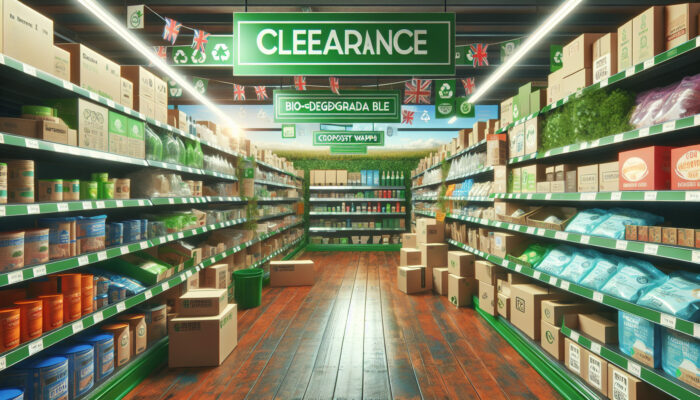
Eco Packing Materials for Clearance Items: A wide selection of eco packing materials is readily available in British retail outlets, specifically designed to meet growing consumer demand for sustainable packing solutions, particularly during clearance sales. These materials not only help minimise waste but also align with rising consumer expectations that businesses operate responsibly and ethically. Retailers can select from a diverse range of options that include:
- Recycled cardboard packaging
- Biodegradable bubble wrap
- Starch-based packing peanuts
- Pulp moulded containers
- Compostable mailers
- Paper tape
- reusable cloth bags
- Glassine paper wraps
These materials can be easily sourced from local suppliers, which significantly supports UK manufacturing and reduces the carbon footprint linked to transportation. By incorporating these eco-friendly options, retailers not only demonstrate their commitment to sustainability but also enhance the shopping experience for customers during clearance events, reinforcing a positive brand image.
How Do Eco-Packing Materials Benefit UK Businesses?
The adoption of eco-packaging materials offers significant advantages for enterprises operating in the UK. One of the most significant benefits is the reduction of environmental impact, achieved through robust local recycling initiatives. Many businesses in the UK are becoming increasingly conscious of their carbon footprints and the need to comply with regulations such as the Packaging Waste Directive. By selecting eco-friendly materials, companies can ensure compliance while simultaneously enhancing their brand reputation among consumers who prioritise environmental concerns.
In addition, utilising eco-friendly packing options enhances customer loyalty. Today’s UK consumers are placing greater emphasis on sustainability in their purchasing decisions, which means businesses that adopt eco-friendly practices often gain a competitive edge. Engaging in sustainable practices not only aligns with corporate social responsibility goals but also results in tangible financial benefits. By reducing waste and adopting sustainable methods, companies can lower operational costs and improve profit margins, particularly during clearance sales, where profitability is vital.
Where Are Eco Packing Materials Commonly Used in UK Clearance Sales?
In the context of UK clearance sales, eco-friendly packaging materials are widely used in retail, providing essential protection for a diverse range of products. For instance, electronic devices and clothing are often packaged in biodegradable materials that not only protect the products but also support national efforts to reduce landfill waste. The use of recycled and biodegradable materials fosters a more sustainable logistics chain, which is critical during high-volume clearance events, ensuring that products reach consumers safely and responsibly.
Retailers often utilise protective solutions, such as starch-based foams, for fragile goods, ensuring delicate items are secured while meeting health and safety guidelines during transit. Clothing can be packaged in compostable mailers, which not only preserve garment quality but also resonate with eco-conscious consumers who value environmentally responsible practices. This dual approach of protecting products while promoting environmental responsibility is essential in shaping a positive shopping experience during clearance events across the UK.
How Do Eco-Packing Materials Improve Clearance Items?
What Is the Process for Selecting Eco Options for UK Packaging?
Selecting eco-friendly options for UK packaging requires a thorough evaluation process to ensure compliance with British standards and effectively protect clearance items. Businesses should consider several actionable steps throughout this selection process. Initially, it is crucial to identify the specific requirements of the items being packaged, including dimensions, fragility, and shipping conditions. This foundational understanding will guide the selection of the most suitable materials.
Next, companies should conduct comprehensive research on available eco materials, focusing on local suppliers to ensure sustainable sourcing practices. Materials that are recycled, biodegradable, or derived from renewable resources should be prioritised. It is essential to verify that these materials meet regulatory standards and provide the necessary protection against physical and environmental stressors, safeguarding both the products and the environment.
Finally, testing various eco materials in real-world scenarios is imperative. Conducting pilot projects allows businesses to assess the performance and durability of eco-packing options. This practical approach not only supports informed decision-making but also fosters a culture of sustainability within the organisation, setting a standard for future operations and instilling a commitment to eco-friendly practices across all levels of the business.
What Is the Impact of Eco-Packing Materials on Product Safety During Clearance Events?
The use of eco materials in the UK market significantly influences product safety during clearance events. Eco-friendly packaging, such as starch-based foams and recycled cardboard, provides reliable protection for fragile items. These materials are designed to comply with stringent health and safety guidelines, ensuring products remain secure during nationwide transit, which is particularly important during busy sales periods.
For example, electronics are particularly vulnerable during shipping, and integrating biodegradable packaging can significantly reduce breakage rates. The cushioning properties of these materials not only protect the items’ integrity but also minimise the risk of returns due to damage. This aspect is crucial for retailers aiming to maintain customer satisfaction, especially during clearance periods when the sales volume is typically high, and customer expectations are elevated.
Moreover, perceptions of safety extend to consumers’ mindsets. Eco-conscious shoppers are increasingly aware of the materials used in packaging and often associate responsible packaging with product quality. By utilising eco materials, retailers not only enhance the physical safety of their products but also cultivate trust and loyalty among their customers, reinforcing their commitment to sustainability and ethical business practices.
Why Do Eco Choices Matter for UK Consumers?
Eco choices resonate strongly with environmentally conscious shoppers in the UK. Modern consumers increasingly value sustainability, and the use of durable, recyclable materials significantly influences their purchasing decisions. Eco-friendly packaging not only protects products but also communicates a brand’s values, effectively fostering customer loyalty, particularly during sales periods when consumer engagement is critical.
The durability of eco materials should not be underestimated. Many consumers are now aware that materials such as recycled cardboard and biodegradable films offer protection comparable to traditional options. This assurance empowers them to make informed purchasing decisions, knowing that their choices benefit the environment. Retailers who prioritise eco packing can leverage this trend to attract a growing base of eco-conscious customers, enhancing their market presence.
Furthermore, during clearance sales, the perception of value extends beyond price alone. Consumers are increasingly willing to pay a premium for products that align with their values, particularly those that support sustainability. By offering eco-packed clearance items, retailers can enhance their market positioning, demonstrating that eco-friendly practices are not only beneficial for the planet but also advantageous for business growth and profitability.
What Is the Cost-Effectiveness of Eco-Packing Materials in UK Clearance Sales?
Investing in eco-friendly packing materials can lead to substantial cost savings for businesses during clearance sales. Although the initial investment may appear higher than that of traditional packaging solutions, the long-term benefits often significantly outweigh these costs. By utilising recyclable and biodegradable options, businesses can reduce expenses associated with waste disposal and material procurement, creating a more sustainable operational model.
For example, many eco-friendly materials are designed for reuse, allowing retailers to minimise their packing costs over time. Additionally, as more businesses shift towards sustainable practices, the demand for eco materials is likely to drive prices down, making them more accessible to a broader range of retailers. This can create a competitive pricing advantage for businesses that adopt eco-friendly packing materials early, attracting price-sensitive consumers during clearance events while reinforcing their commitment to sustainability.
Moreover, sustainability initiatives often enhance brand image and foster customer loyalty. As consumers increasingly support businesses that prioritise environmental responsibility, retailers can gain a significant market advantage. The positive reputation built through eco-friendly practices not only influences sales during clearance but also cultivates long-lasting customer relationships, ultimately driving repeat business and contributing to overall profitability.
What Sustainability Certifications Are Important for Eco-Packing in the UK Market?
Sustainability certifications play a crucial role in enhancing the appeal of eco-friendly packing materials in the UK market. Certifications such as those from the Forest Stewardship Council (FSC) are vital in assuring consumers that materials used meet stringent environmental standards. By sourcing materials with these certifications, businesses can effectively demonstrate their commitment to sustainability, strengthen their brand reputation among eco-conscious consumers, and reinforce their market position.
These certifications serve multiple essential purposes. First, they provide transparency across the supply chain, assuring customers that materials are responsibly sourced and have minimal environmental impact. Secondly, they assist retailers in complying with local packaging and waste management regulations. In a marketplace increasingly driven by environmental concerns, holding relevant certifications can distinguish brands from competitors and enhance consumer trust.
Moreover, businesses that incorporate certified eco packing materials often find that it bolsters their marketing strategies. Eco-conscious consumers actively seek out brands that align with their values, making sustainability certifications a valuable asset in attracting and retaining customers. By prioritising eco-friendly materials with recognised certifications, retailers not only contribute to environmental sustainability but also build trust and credibility within the marketplace, fostering a loyal customer base.
Expert Insights on Eco-Packing Materials for Clearance Items
How Have Recent Trends Influenced UK Packing Practices?
Recent trends in the UK packaging industry have propelled eco-friendly solutions to the forefront of retail practices. Experts highlight advancements in biodegradable options tailored specifically to meet the needs of clearance items, driven by both consumer demand and regulatory pressures. Retailers are increasingly adopting materials that not only reduce waste but also enhance efficiency in logistics and packing processes, aligning with broader sustainability goals.
Innovations such as compostable packaging films and reusable containers are transforming how products are packed and shipped. Retailers are embracing lighter packaging solutions that minimise material use while maintaining product protection. These innovations lead to significant reductions in overall waste, aligning with national objectives to reduce landfill contributions and promote a more sustainable future.
The following bullet list outlines key innovations driving efficiency and waste reduction in retail:
- Biodegradable packing peanuts made from corn starch
- Compostable mailers that break down naturally
- Reusable packaging solutions designed for multiple uses
- Smart packaging technologies that reduce material waste
As these trends continue to evolve, businesses that embrace them not only position themselves favourably in the market but also contribute positively to environmental sustainability efforts. This shift reflects a broader cultural change in the UK, where sustainability is increasingly seen as integral to business success and a key driver of consumer loyalty.
What Are the Challenges and Solutions for Implementing Eco-Packing in the UK?
While the transition to eco-friendly packaging materials is promising, there are UK-specific challenges businesses must navigate. One significant obstacle is the availability of sustainable materials, which can vary based on geographic location and supplier capabilities. To overcome these challenges, experts recommend forming strategic partnerships with local suppliers that provide reliable access to eco-friendly packaging options. This approach not only ensures a steady supply but also supports local economies and promotes sustainability.
Developing relationships with suppliers who prioritise sustainability can help businesses maintain a consistent supply of eco materials, ensuring they can meet their packing needs during peak clearance periods. Additionally, exploring collaborative initiatives within the industry can drive innovation and efficiency. By leveraging shared resources, businesses can collectively address supply chain challenges, making eco-packing more accessible to all, thus fostering a more sustainable retail environment.
Another effective solution is to invest in employee training and education. Ensuring that staff are well-versed in the benefits and applications of eco-friendly materials can facilitate smoother integration into existing processes. This knowledge empowers employees to make informed decisions during peak clearance events, ultimately enhancing operational efficiency and sustainability across the board.
What Are the Future Prospects for Eco Innovations in British Retail?
The future of eco innovations in British retail appears promising, with experts predicting increased adoption of sustainable packing materials for clearance items. As consumer awareness of environmental issues grows, businesses will need to evolve their practices to meet these changing expectations. This evolution entails not only adopting eco-friendly materials but also rethinking logistics and supply chain strategies to integrate sustainability into everyday operations and corporate culture fully.
Experts suggest that businesses should focus on developing a robust sustainability strategy that aligns with their overall mission. This includes setting clear goals to reduce waste and adopting eco-friendly packaging materials that support these objectives. Retailers can also leverage technology to streamline their packing processes, enabling them to use materials more efficiently and reduce overall waste, thus contributing to a greener future.
Moreover, as regulations on packaging and waste management become increasingly stringent, businesses that proactively adopt sustainable practices will be well-positioned to thrive. Those who effectively communicate their sustainability efforts will attract a new wave of eco-conscious consumers, contributing to long-term success and brand loyalty in an increasingly competitive marketplace where consumers demand greater accountability and responsibility from brands.
What Do Experts Say About the Cost-Effectiveness of Eco-Packing Materials in UK Clearance Sales?
Experts widely agree that eco-friendly packing materials can be cost-effective for UK retailers, especially during clearance sales. While the initial investment may be higher, the long-term savings from waste reduction, lower disposal costs, and improved brand image can significantly outweigh these initial expenses. Over time, businesses that adopt sustainable practices often see lower waste disposal fees as less material is sent to landfills, leading to overall cost savings.
Many eco materials are designed for durability, enabling repeated use and further enhancing cost-effectiveness. For example, reusable packaging solutions can significantly reduce reliance on single-use alternatives, leading to long-term savings. As more retailers shift toward sustainable practices, the market for eco-friendly packaging materials is expected to grow, potentially lowering costs through increased competition and innovation in the sector.
Moreover, integrating eco-friendly practices into a brand’s marketing strategy can enhance customer loyalty and attract new clientele. In an ever-competitive retail environment, showcasing commitment to sustainability not only differentiates a brand but also resonates with a growing demographic of eco-conscious consumers. This positive perception can drive higher sales and customer retention, reinforcing the case that investing in eco-friendly packaging materials is a sound business decision that benefits both the brand and the planet.
What Are Sustainable Sourcing Strategies for Packing Materials in the UK?
Sustainable sourcing strategies are essential for businesses looking to implement eco-packaging materials in UK cooperation scenarios. Experts recommend that companies prioritise partnerships with local suppliers who can provide responsibly sourced materials. This approach not only supports the local economy but also significantly reduces the carbon footprint associated with transportation, aligning with broader sustainability objectives.
To develop sustainable sourcing strategies, businesses can conduct thorough research on suppliers, seeking those with strong sustainability credentials and certifications. Establishing long-term relationships with these suppliers can ensure consistent access to eco materials, ease of availability and cost challenges, and foster a collaborative approach to sustainability within the retail sector.
Additionally, businesses should explore innovative sourcing options, such as collaborative purchasing groups, to help small retailers pool resources and negotiate better terms with suppliers. This collective approach not only enhances purchasing power but also fosters a sense of community within the retail sector, promoting shared goals of sustainability and environmental responsibility that benefit all members of the supply chain.
Training staff on sustainable sourcing practices is equally important. Employees should be educated on the benefits of eco materials and the processes involved in sourcing them responsibly. This knowledge can empower teams to make informed decisions and advocate for sustainable practices within the organisation, ultimately leading to a more cohesive approach to eco-packing in retail and enhancing the overall effectiveness of sustainability initiatives.
What Are the Key Eco Innovations in the UK?
What Research-Backed Benefits Do Eco-Packing Materials Offer for Clearance Items?
What Evidence Supports Their Effectiveness in the UK?
Recent studies from UK institutions highlight the effectiveness of eco-packing materials in reducing carbon footprints during clearance sales. These findings showcase that businesses adopting eco-friendly practices can significantly lower their environmental impact. Evidence indicates that consumers are increasingly favouring retailers that use sustainable packaging, leading to higher sales and customer loyalty, both of which are paramount in a competitive retail landscape.
Research has shown that eco materials often require less energy to produce and transport, resulting in lower overall emissions. Retailers can apply these findings by evaluating their supply chains and integrating eco-friendly materials where feasible. Conducting regular audits of packaging practices can help identify areas for improvement and support the transition towards more sustainable operations, fostering a culture of responsibility and environmental stewardship within the organisation.
Overall, the evidence suggests that adopting eco-friendly packaging materials not only benefits the environment but also delivers tangible advantages to retailers, reinforcing the notion that sustainability is a vital component of modern business strategy that can drive profitability and consumer engagement.
What Are the Cost Savings Associated with Eco Choices?
Switching to sustainable packing options can yield significant cost savings for UK retailers over time. Research indicates that companies that implement eco-friendly practices experience lower disposal fees and lower material costs, particularly as the market for eco materials expands and becomes more competitive. Many sustainable packaging solutions are designed for durability and reuse, allowing businesses to minimise expenses associated with single-use packaging and further enhance their financial viability.
Additionally, integrating eco-friendly packaging materials improves operational efficiency. By adopting lighter materials that require less energy to transport, businesses can further reduce logistics and distribution costs. Furthermore, as consumers increasingly seek sustainable options, retailers that embrace eco-friendly packaging can achieve better sales performance, enhancing their overall profitability and market share.
Ultimately, the financial benefits of adopting eco choices become increasingly evident as businesses transition towards more sustainable practices. The long-term savings, combined with enhanced revenue potential, establish a strong business case for integrating eco-packaging materials into clearance sales, ensuring that environmental responsibility aligns with economic success.
What Environmental Outcomes Have Been Observed from UK Case Studies?
Numerous case studies from UK businesses demonstrate the positive environmental outcomes of eco-friendly packaging materials. These real-world examples demonstrate how companies have successfully integrated sustainable practices into their operations, resulting in lower emissions and reduced waste, thereby contributing to environmental conservation.
For instance, a leading UK retailer implemented a comprehensive eco-packing strategy during clearance sales, replacing traditional materials with biodegradable alternatives. This initiative not only reduced landfill waste but also enhanced the brand’s image, attracting a new customer base committed to sustainability. The findings from this case underscore the potential for businesses to achieve substantial environmental benefits through eco-friendly packaging choices while simultaneously bolstering their market presence.
Moreover, businesses that have integrated eco-friendly packing materials often report increased employee engagement and satisfaction. Employees take pride in working for organisations that prioritise sustainability, fostering a culture of responsibility and community involvement. This positive workplace environment can lead to improved retention and productivity, further demonstrating the multifaceted advantages of adopting eco-friendly practices that benefit both the organisation and the environment.
Why Choose Eco for UK Clearance Operations?
How Do Eco Choices Align with British Environmental Policies?
The adoption of eco materials aligns seamlessly with British environmental policies, such as the Waste and Resources Action Programme (WRAP), which promotes sustainable waste management and resource efficiency. By utilising eco-friendly packing materials, businesses enhance compliance with these regulations and positively impact the environment during clearance operations, contributing to national and global sustainability efforts.
Incorporating eco-friendly materials into packaging strategies supports governmental efforts to reduce landfill waste and promote recycling. This alignment not only benefits the environment but also reflects positively on businesses, as consumers increasingly seek brands that demonstrate environmental responsibility and ethical practices in their operations.
Retailers can leverage their commitment to sustainability as a powerful marketing tool, showcasing compliance with local policies and appealing to eco-conscious consumers. By integrating eco-packing practices, businesses actively contribute to national goals of reducing waste and promoting a circular economy, ultimately benefiting both the environment and their brand image in an increasingly eco-aware marketplace.
What Are the Potential Drawbacks and How Can They Be Mitigated?
Despite the clear advantages of adopting eco-packaging, UK retailers face potential drawbacks. One common concern is the higher upfront costs of sourcing sustainable options. However, businesses can mitigate this by entering into bulk purchasing agreements with suppliers to reduce costs over time, ensuring the transition to eco-packing remains financially viable.
Additionally, retailers should conduct thorough cost-benefit analyses to identify the long-term benefits of eco-packaging and materials. By demonstrating how these materials lower waste disposal fees and enhance brand reputation, businesses can justify the initial investment to stakeholders and leadership teams, fostering support for sustainable initiatives.
Training staff to understand the benefits of eco-friendly packing materials is also essential in overcoming potential resistance to change. When employees are educated about the environmental impact of their choices and the long-term advantages of sustainability, they are more likely to embrace eco-friendly practices. By addressing these concerns head-on, retailers can facilitate a smoother transition to sustainable operations, contributing to a more eco-conscious culture within the organisation.
What Are the Long-Term Advantages for UK Retailers Focusing on Eco Packing Materials?
Focusing on eco-friendly packing materials during clearance operations offers enduring advantages for UK retailers. One significant benefit is enhanced market positioning. As sustainability becomes an integral part of consumer decision-making, businesses that prioritise eco-friendly practices stand to benefit from increased customer loyalty and trust, which are crucial for long-term success in a competitive marketplace.
Additionally, adopting eco-friendly packing materials fosters repeat business during clearance events. Consumers are more likely to return to brands that demonstrate a commitment to sustainability, positively impacting overall sales performance. This creates a sustainable cycle in which brands that prioritise eco-friendly practices not only attract new customers but also retain existing ones, thereby enhancing their long-term profitability and market share.
Furthermore, as environmental regulations continue to evolve, businesses that have proactively adopted eco-friendly packaging materials will be better positioned to meet future compliance requirements. This forward-thinking approach not only strengthens their competitive edge but also ensures that they remain aligned with consumer expectations in a rapidly changing market where sustainability is becoming a key differentiator for success and growth.
Implementing Eco-Packing Strategies in the UK
What Are the Steps to Adopt Eco Materials for Clearance?
Adopting eco materials for clearance in UK retail involves several strategic steps. First, businesses should conduct a thorough assessment of their current packaging needs to identify opportunities to introduce sustainable options. This foundational understanding will enable the effective integration of eco materials into existing practices and processes.
Next, retailers should engage with local suppliers to source eco-friendly packing materials. Establishing relationships with suppliers who prioritise sustainability can help ensure a consistent supply of eco-friendly options, making it easier to transition away from traditional materials with higher environmental impact.
Key strategies tailored to British retail environments include:
- Conducting material audits to identify current packaging gaps
- Engaging in supplier partnerships for sustainable sourcing
- Testing eco materials in real-world scenarios to assess performance
- Training staff on best practices for eco packing to ensure smooth implementation
Additionally, businesses should consider incorporating customer feedback into their eco-friendly packaging strategy. Engaging with consumers during clearance sales can provide valuable insights into their preferences and expectations regarding sustainable practices, allowing retailers to tailor their offerings accordingly and enhance customer satisfaction.
What Training and Resources Are Available Locally?
In the UK, a variety of training programmes and resources are available to help retailers effectively implement eco-friendly packing materials during clearance operations. Local organisations and industry associations often offer workshops, webinars, and training sessions focused on sustainability best practices, helping businesses stay informed about the latest trends and innovations in eco-packing.
Moreover, businesses can leverage online resources, including guides and toolkits, that outline the benefits and applications of eco materials. These resources serve as valuable reference points for staff, ensuring that everyone involved in the packing process understands the importance of eco-friendly practices and their role in promoting sustainability.
Training programmes should be tailored to specific roles within the organisation, enabling staff to apply their knowledge effectively in their day-to-day operations. Empowering employees with the information they need fosters a culture of sustainability and encourages proactive participation in eco-packing initiatives, ultimately enhancing the overall effectiveness of sustainability efforts across the business.
How to Measure Success in British Contexts?
Measuring the success of eco-packaging materials in UK clearance sales requires tracking key metrics that reflect the overall impact of sustainability efforts. Businesses should establish benchmarks for waste reduction and evaluate the volume of materials saved by adopting eco-friendly options. This data is crucial for understanding the effectiveness of their sustainability initiatives and identifying areas for further improvement.
Additionally, monitoring customer feedback and engagement during clearance events can provide insights into the effectiveness of eco-packing strategies. Retailers can assess whether sustainable packaging positively influences purchase decisions and customer loyalty, both vital to long-term success.
Finally, businesses should evaluate cost savings associated with eco packing, comparing disposal fees and material costs before and after the transition. By analysing these metrics, retailers can demonstrate the tangible benefits of eco-friendly practices, reinforcing their commitment to sustainability while enhancing their business performance and profitability.
Frequently Asked Questions (FAQs)
What Are Eco-Packing Materials?
Eco packing materials are sustainable alternatives to traditional packaging, designed to minimise environmental impact by using recycled, biodegradable, or compostable materials that reduce waste, and support healthier living.
Why Should UK Retailers Use Eco-Packing Materials?
UK retailers should use eco-friendly packing materials to reduce waste, comply with environmental regulations, enhance brand reputation, and appeal to increasingly eco-conscious consumers who prioritise sustainability in their purchasing decisions.
What Types of Sustainable Packaging Are Commonly Used in the UK?
Common types of sustainable packaging in the UK include recycled cardboard, biodegradable bubble wrap, compostable mailers, and reusable cloth bags, among other innovative options that align with eco-friendly practices.
How Do Eco-Packing Materials Affect Product Safety?
Eco-friendly packing materials can effectively protect products during transit, maintain item integrity, and reduce breakage rates, thereby ensuring customer satisfaction and trust, which are critical during clearance sales.
Are Eco-Packing Materials Cost-Effective?
While initial costs may be higher, eco-friendly packing materials often yield long-term savings through reduced waste disposal fees and improved brand image, making them a financially sound investment for retailers.
What Certifications Should Retailers Look for in Eco Materials?
Retailers should seek certifications, such as those from the Forest Stewardship Council (FSC) or the Composting Association, to ensure materials meet recognised sustainability standards and support environmental efforts.
How Can Retailers Measure the Success of Eco-Packing Strategies?
Retailers can measure success by tracking metrics such as waste reduction, customer feedback, and cost savings from eco-friendly packaging materials, providing a comprehensive view of their sustainability impact.
What Challenges Do UK Retailers Face When Adopting Eco-Packing Materials?
Challenges include higher initial costs, material availability, and staff training on sustainable practices, which can be mitigated through strategic planning, partnerships, and investment in employee education.
How Can Businesses Effectively Source Eco-Packing Materials?
Businesses can effectively source eco-friendly packing materials by engaging with local suppliers, establishing long-term partnerships, and exploring collaborative purchasing options to enhance sustainability and reduce costs.
What Role Does Consumer Demand Play in the Adoption of Eco-Packing Materials?
Consumer demand significantly influences the adoption of eco-friendly packing materials, as more shoppers prioritise sustainability in their purchasing decisions, encouraging retailers to embrace eco-friendly practices that align with market trends.