
Essential Preparations for Your Blood Test in Basingstoke
Understand Local NHS Procedures for Testing
Private Blood Test for High Cholesterol in Basingstoke: Residents are advised to contact their GP surgery ahead of time to confirm any fasting requirements necessary for the blood test for high cholesterol. Fasting is vital as it significantly influences the accuracy of the test results. it is imperative to bring identification to your clinic appointment to ensure a smooth process in accordance with UK health guidelines. Consulting with your healthcare provider about any specific instructions or preparations is also recommended.
Familiarising yourself with local NHS procedures can alleviate any anxiety regarding the testing process. The NHS in Basingstoke is committed to providing clear instructions on what to expect, helping residents feel adequately prepared. By following these guidelines, patients can improve the accuracy of their health assessments, which are crucial for effectively managing cholesterol levels.
Taking an active role in your health can lead to better outcomes. Engaging with your GP and adhering to their advice not only aids in obtaining precise results but also fosters a collaborative relationship with healthcare providers. This partnership is essential for ongoing health management and support.
Optimising Your Diet Before the Test
Adjusting your diet prior to your blood test for high cholesterol in Basingstoke can greatly improve the accuracy of your results. Here are some advantages of avoiding certain foods before your test:
- Minimises interference with lipid levels.
- Provides a clearer snapshot of baseline cholesterol.
- Reduces the likelihood of misleading readings.
- Enhances overall health management strategies.
It is advisable to avoid high-fat foods, sugary items, and alcohol for at least 24 hours before the test, as these can temporarily elevate cholesterol levels and lead to inaccurate results. Instead, focus on a balanced diet rich in fruits, vegetables, and whole grains in the days leading up to your appointment.
Staying hydrated is equally crucial. Drinking plenty of water can facilitate the blood draw process and help ensure the collected sample is of high quality. By implementing these simple dietary changes, residents of Basingstoke can help guarantee the accuracy of their cholesterol tests, leading to better health management.
Effective Appointment Scheduling Tips
When arranging your blood test appointment for high cholesterol in Basingstoke, it is important to secure your slot efficiently. Patients should book their appointments through the NHS app or over the phone, allowing them to choose a time that best fits their schedules. Calling during less busy periods can result in shorter wait times and a more pleasant booking experience.
Being mindful of peak hours, such as early mornings and late afternoons, can help avoid longer waits. It is also beneficial to check availability at various local clinics, as some may offer extended hours or weekend appointments. This flexibility allows residents to seamlessly incorporate health checks into their busy lives.
Setting reminders for your appointment is wise to ensure you do not forget, especially if you have a hectic lifestyle. Taking these steps can enhance your experience when testing for high cholesterol, ultimately contributing to improved health outcomes.
What Can You Expect During Cholesterol Testing in UK Clinics?
Blood Sample Collection Procedures
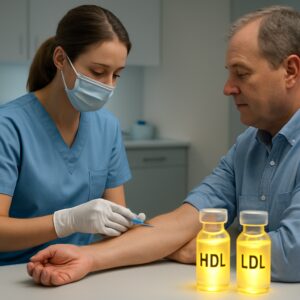
In Basingstoke, trained phlebotomists are responsible for collecting blood samples for cholesterol testing. They utilise sterile techniques that comply with strict NHS hygiene regulations, ensuring patient safety throughout the procedure. Typically, this involves using a fine needle to draw blood from a vein in the arm, which is then placed in specially prepared containers for analysis.
The expertise of the phlebotomists plays a crucial role in minimising discomfort during the blood draw. Patients often feel reassured by the professionalism of the staff, contributing to a more positive testing experience. The collection process is generally swift, lasting only a few minutes, allowing patients to resume their normal activities shortly after.
After the blood draw, samples are meticulously labelled and transported to laboratories for analysis. This step is essential, as maintaining sample integrity during transit is critical for accurate results. Adhering to NHS protocols throughout this process demonstrates the commitment to patient care and safety in Basingstoke.
Laboratory Analysis Techniques
Once blood samples are collected, they are sent to accredited laboratories across the UK for analysis. These facilities employ advanced technology and methodologies to measure cholesterol levels accurately. The analysis typically involves separating blood components and conducting specific tests to quantify cholesterol levels, including LDL, HDL, and total cholesterol.
Results are usually processed within a few days, enabling residents of Basingstoke to receive timely feedback regarding their cholesterol status. The laboratories maintain strict quality control measures, ensuring consistent and reliable results. This dedication to accuracy is vital for effective health management and treatment planning.
Patients can often access their results via the NHS app or directly from their GP. Understanding these results is crucial, as it empowers individuals to make informed decisions about their health. The clarity and timely delivery of laboratory analysis significantly enhance the efficiency of cholesterol testing in Basingstoke.
Interpreting Your Results
After laboratory analysis, doctors evaluate cholesterol figures against established UK reference ranges. This assessment is vital in determining whether levels indicate high cholesterol, which may require further action. Familiarity with these reference ranges aids patients in understanding the implications of their results, empowering them to take charge of their health.
For example, total cholesterol levels above 5.0 mmol/L are generally considered high, while LDL (bad cholesterol) levels exceeding 3.0 mmol/L may pose additional risks. Conversely, HDL (good cholesterol) levels below 1.0 mmol/L can also signal potential health issues. These benchmarks guide healthcare professionals in recommending lifestyle changes or medical interventions.
Open communication between patients and doctors is vital during this phase. GPs in Basingstoke often take the time to thoroughly explain results and discuss potential next steps and treatment options. This collaborative approach ensures patients feel supported and informed, leading to better health outcomes and compliance with recommended interventions.
Preparing Effectively for Your Test
Before undergoing a blood test for high cholesterol in Basingstoke, NHS staff provide clear guidance regarding pre-test preparation. Typically, individuals are advised to fast overnight, refraining from food and drink except for water. This fasting period is crucial, as it helps ensure accurate blood lipid profiles, which are essential for appropriate diagnosis.
During fasting, patients may be instructed to avoid certain foods that could distort results. For instance, high-fat meals can temporarily raise cholesterol levels, leading to inaccurate readings. Being aware of these guidelines enables individuals to prepare thoroughly, ensuring that their test results accurately reflect their true cholesterol status.
It is also beneficial for patients to keep a record of any medications they are taking, as some may influence cholesterol levels. Sharing this information with healthcare providers can enhance the interpretation of results and the development of tailored health strategies. By following pre-test preparation guidelines, residents of Basingstoke can improve cholesterol management.
Maintaining Quality Control Standards
Accredited laboratories across the UK implement rigorous quality control protocols when analysing cholesterol samples from patients in Basingstoke. These measures ensure that the testing process maintains high standards of accuracy and reliability in the results provided to clinics. Regular calibration of equipment and participation in proficiency testing programmes are standard practices that support these standards.
Laboratories also adhere to strict NHS guidelines, which include routine audits and inspections. This oversight guarantees that all procedures are conducted meticulously, minimising the risk of errors in the analysis. For patients, this means that the results they receive are trustworthy and can be relied upon to make informed health decisions.
Ongoing training for laboratory staff is essential for upholding high-quality standards. Technicians remain updated on the latest advancements in testing methodologies, ensuring that Basingstoke residents benefit from best practices in cholesterol testing. This commitment to quality reinforces the importance of accurate cholesterol management within the community.
Professional Perspectives on Blood Tests for High Cholesterol in Basingstoke
Evaluation Techniques Employed by Healthcare Providers
Interpreting initial blood test results for high cholesterol in Basingstoke requires expertise and an understanding of UK-specific thresholds. Healthcare professionals typically assess total cholesterol, LDL, HDL, and triglycerides to provide a comprehensive overview of an individual’s lipid profile. Each of these components plays a unique role in cardiovascular health, making their analysis critical for effective management.
Doctors often consider a patient’s overall health, medical history, and lifestyle factors when interpreting results. For instance, elevated LDL levels may prompt recommendations for dietary adjustments, increased physical activity, or even medication. This personalised approach ensures that each patient receives the most appropriate care based on their specific circumstances.
Healthcare providers in Basingstoke also emphasise the importance of ongoing monitoring. This continuous assessment allows for timely interventions and adjustments to treatment plans, ultimately leading to improved health outcomes. By employing professional evaluation techniques, patients gain a clearer understanding of their cholesterol levels and the necessary steps to maintain optimal health.
Avoiding Common Testing Errors
Improper preparation for a high-cholesterol blood test in Basingstoke can result in inaccurate results, potentially affecting health management. One common mistake is neglecting to fast adequately before the test. Many patients underestimate the impact of recent meals, which can temporarily elevate cholesterol levels and yield misleading readings.
Another frequent issue arises when individuals fail to inform their healthcare provider about medications or supplements they are taking. Certain drugs can influence cholesterol levels, and neglecting to disclose this information might lead to misinterpretation of results. For example, some over-the-counter supplements can alter lipid profiles, complicating the assessment.
Real-life examples from Basingstoke highlight the significance of proper preparation. Patients who adhered to fasting guidelines and communicated openly with their doctors typically received more accurate assessments, resulting in effective health interventions. By avoiding these common pitfalls, individuals can ensure that their cholesterol testing experience is as beneficial as possible.
Personalised Guidance for Basingstoke Residents
For adults in Basingstoke managing their high cholesterol blood test results, expert advice is invaluable. A key recommendation is to maintain a heart-healthy diet abundant in fruits, vegetables, whole grains, and lean proteins. This dietary strategy can help lower LDL levels while increasing HDL levels, thereby contributing to overall cardiovascular health.
To dietary modifications, incorporating regular physical activity is essential. Engaging in at least 150 minutes of moderate exercise each week can significantly improve cholesterol levels and overall wellbeing. Activities such as walking, cycling, or swimming are excellent options that can easily fit into busy lifestyles.
Staying informed about personal health is crucial. Patients should actively engage with their healthcare providers, asking questions and seeking clarification regarding their cholesterol levels and management strategies. This proactive approach fosters a deeper understanding of one’s health and encourages adherence to recommended lifestyle changes.
Identifying Risks Associated with High Cholesterol
Cardiovascular Health Risks
Elevated cholesterol levels pose significant cardiovascular risks, particularly for UK populations. High cholesterol can lead to atherosclerosis, a condition characterised by the accumulation of fatty deposits in the arteries, which narrows them and restricts blood flow. This condition dramatically increases the risk of heart attacks and strokes, making regular cholesterol monitoring essential for residents in Basingstoke.
Understanding the relationship between cholesterol and heart health can motivate individuals to take proactive measures. Routine testing enables early detection of high cholesterol, allowing timely interventions that can prevent severe health complications. Healthcare providers in Basingstoke often recommend lifestyle changes or medications to effectively manage cholesterol levels.
Awareness of cardiovascular risks associated with high cholesterol can also inspire community initiatives promoting heart health. Local health campaigns frequently encourage residents to participate in screenings and educational programmes, fostering a culture of health awareness that benefits the entire community.
Long-Term Health Implications
If left unchecked, high cholesterol can lead to long-term health consequences, including an increased risk of stroke, heart disease, and other serious conditions. According to British health statistics, individuals with high cholesterol levels are more likely to experience cardiovascular events, underscoring the importance of regular monitoring and management.
In Basingstoke, healthcare providers stress the significance of early detection and intervention. By identifying high cholesterol levels through routine blood tests, patients can implement lifestyle changes or pursue medical treatments that mitigate long-term health risks. This proactive approach is vital for maintaining overall wellbeing and reducing the likelihood of serious complications.
The long-term effects of high cholesterol extend beyond physical health. Individuals may also experience psychological impacts due to health concerns, making it essential to address both physical and mental wellbeing in cholesterol management strategies. Support from healthcare providers and local resources can assist individuals in navigating these challenges effectively.
Why is Early Detection Crucial?
Monitoring cholesterol levels via blood tests for high cholesterol in Basingstoke is vital for early detection and timely interventions. High cholesterol often presents no symptoms, meaning individuals may remain unaware of their condition until serious complications arise. Regular testing facilitates proactive management, significantly reducing the risk of adverse health outcomes.
Early detection enables healthcare providers to implement personalised health strategies tailored to individual needs. For instance, patients identified with elevated cholesterol can receive guidance on dietary changes, exercise regimens, and medication options to manage their levels effectively. This customised approach enhances the likelihood of successful outcomes.
Encouraging early detection fosters a culture of health awareness within the community. By promoting regular testing, Basingstoke individuals can collectively strive for improved cardiovascular health, ultimately enhancing quality of life and decreasing healthcare costs associated with treating advanced conditions.
Impact on Arterial Health
High cholesterol levels can significantly impact arterial health, leading to atherosclerosis, which narrows arteries and increases the likelihood of blockages. This condition can severely affect circulation, resulting in complications such as heart attacks and strokes. In Basingstoke, raising awareness about these risks is essential for promoting regular cholesterol checks among residents.
The gradual buildup of cholesterol in the arteries can often go unnoticed for years, making regular monitoring vital. Healthcare providers frequently recommend routine blood tests to assess cholesterol levels and identify potential risks early. Early intervention can help prevent the progression of arterial disease and diminish the likelihood of serious health events.
Understanding the implications of high cholesterol on arterial health can motivate individuals to adopt healthier lifestyles. By prioritising heart-healthy habits, such as balanced diets and regular exercise, Basingstoke residents can significantly lower their risk of developing arterial complications. This proactive approach is essential for maintaining overall cardiovascular health in the community.
Evidence-Based Advantages of Blood Testing for High Cholesterol in Basingstoke
Insights from UK Research
Research indicates that routine testing for high cholesterol enhances health outcomes for patients in Basingstoke. Studies suggest that individuals who undergo regular cholesterol checks are more likely to identify issues early, allowing for timely interventions. This proactive strategy aligns with NHS frameworks aimed at promoting better health management and disease prevention.
Specifically, evidence suggests that patients receiving early diagnosis and treatment for high cholesterol experience fewer cardiovascular events. By detecting elevated levels through blood tests, healthcare providers can recommend lifestyle changes or medications that substantially reduce health risks. This evidence underscores the importance of regular screenings for effective cholesterol management.
Local health initiatives often leverage this research to encourage residents to participate in cholesterol testing programmes. Community awareness campaigns highlight the benefits of early detection, fostering a culture of health consciousness that supports better outcomes for all in Basingstoke.
Key Preventative Strategies
Routine blood tests for high cholesterol in Basingstoke offer several key advantages that align with national guidelines. These benefits include:
- Early detection of cholesterol concerns.
- Opportunities for lifestyle modifications.
- Reduction of cardiovascular disease risk.
- Empowered decision-making regarding health management.
By participating in regular cholesterol screenings, individuals can take charge of their health and make informed choices. Early detection enables timely interventions that can prevent the progression of high cholesterol and its associated risks. Understanding personal cholesterol levels empowers residents to discuss tailored management strategies with their healthcare providers.
Promoting routine screenings within the community cultivates a culture of health awareness. Basingstoke residents who prioritise their health can inspire others to do the same, creating a ripple effect that benefits the entire population. This collective effort can lead to improved cardiovascular health outcomes across the community.
Patient Success Stories
Real-life cases from UK clinics illustrate how blood tests for high cholesterol in Basingstoke effectively support lifestyle changes. Many patients report significant health improvements after receiving their cholesterol test results. For instance, individuals informed of elevated cholesterol levels often make immediate dietary adjustments, incorporating more fruits, vegetables, and whole grains into their meals.
One notable success story features a Basingstoke resident who, upon receiving high cholesterol results, committed to a regular exercise routine. By engaging in physical activity multiple times a week, this individual not only improved their cholesterol levels but also enhanced their overall wellbeing. Such transformations demonstrate the positive impact of awareness and proactive health management.
Support from healthcare providers plays a crucial role in these success stories. Patients who engage in open discussions with their doctors about their cholesterol results are more likely to adhere to recommended lifestyle changes. This collaborative approach fosters a sense of accountability and encourages individuals to take charge of their health journey.
Local Resources for Cholesterol Testing
NHS Clinic Locations
Basingstoke is home to several NHS GP practices and hospitals that offer blood tests for high cholesterol, often at no cost or a minimal fee for eligible residents. These facilities are equipped to perform cholesterol testing and are staffed by trained healthcare professionals who can assist patients throughout the process.
Patients can easily locate their nearest NHS clinic by visiting the NHS website or contacting local health services. Many clinics also offer online booking, making it convenient for residents to schedule appointments that fit their lifestyles. This accessibility ensures that cholesterol testing is within reach for a significant portion of the population in Basingstoke.
NHS clinics frequently engage in community outreach programmes to raise awareness about the importance of cholesterol testing. These initiatives encourage residents to take proactive steps to manage their health, ultimately contributing to improved cardiovascular outcomes in the community.
Private Testing Options
To NHS services, Basingstoke features several private testing facilities that provide prompt appointments for the blood test for high cholesterol. These independent labs often offer more flexible scheduling, allowing patients to receive results faster than through traditional NHS channels. This can be especially beneficial for individuals seeking immediate feedback on their cholesterol status.
Private facilities typically provide a variety of testing services, including comprehensive lipid profiles that assess various cholesterol components. Patients can expect a streamlined experience, with many labs offering online results within days. This convenience appeals to those who prioritise quick access to health information.
When selecting a private testing facility, it is important to consider factors such as location, cost, and reputation. Reading reviews and seeking recommendations from friends or healthcare providers can help individuals make informed decisions about where to undergo testing for high cholesterol in Basingstoke.
Choosing the Optimal Testing Provider
Selecting the right provider for your high-cholesterol blood test in Basingstoke involves comparing wait times, services, and patient experiences. Begin by researching local NHS clinics and private facilities to understand the options available. Consider factors such as appointment availability, location, and the types of tests offered.
Reading reviews from other patients can provide valuable insights into the quality of care delivered by different facilities. Look for feedback regarding staff professionalism, efficiency of the testing process, and clarity of communication concerning results. This information can guide you in selecting a provider that suits your needs.
Do not hesitate to ask your GP for recommendations. Healthcare professionals often have insights into which local facilities provide the best cholesterol testing services. By taking the time to choose the right provider, Basingstoke residents can ensure a more positive testing experience and improved health outcomes.
Pharmacy-Based Testing Services
Several pharmacies throughout Basingstoke now offer cholesterol testing, enabling residents to book quick appointments without a GP referral. These tests are generally available at a reasonable cost and provide results within days, making them a convenient option for those seeking local testing facilities.
Pharmacy-based testing typically involves a simple finger-prick test, which can be less intimidating for patients than traditional blood draws. Many pharmacies also provide consultations with trained staff who can explain the results and offer guidance on subsequent steps. This personalised service enhances the overall testing experience.
Pharmacies frequently expand their services by providing health education resources to help patients understand the implications of their cholesterol levels. This community-focused approach fosters a culture of health awareness and encourages residents to take proactive measures towards effective cholesterol management.
Proven Strategies for Blood Testing for High Cholesterol in Basingstoke
Determining the Frequency of Monitoring
Establishing the appropriate frequency for follow-up tests based on initial blood test results for high cholesterol in Basingstoke is vital for ongoing care. Healthcare providers typically recommend regular monitoring, especially for individuals with elevated cholesterol levels or those at increased risk for cardiovascular diseases.
For patients with normal cholesterol levels, testing every four to six years may suffice. Those with high cholesterol or additional risk factors might require more frequent testing, such as every one to two years. This tailored approach ensures that changes in cholesterol levels are detected early, allowing for timely interventions.
Lifestyle changes or new medications may necessitate more frequent monitoring. For instance, individuals who have recently adopted a heart-healthy diet or started a new cholesterol-lowering medication should have their levels checked to assess the effectiveness of these changes. Regular monitoring is essential for maintaining optimal health and preventing complications.
Incorporating Healthy Lifestyle Modifications
Incorporating healthy lifestyle changes after a blood test indicating high cholesterol in Basingstoke is essential for maintaining optimal cholesterol levels. Patients are encouraged to adopt a balanced diet rich in fruits, vegetables, whole grains, and lean proteins. This dietary approach aids in lowering LDL cholesterol while increasing HDL cholesterol, thereby supporting overall cardiovascular health.
Regular physical activity is also imperative for managing cholesterol levels. Engaging in aerobic exercises, such as walking, cycling, or swimming, for at least 150 minutes per week can significantly enhance lipid profiles. Basingstoke residents have access to local parks and recreational facilities that promote active lifestyles.
Managing stress and avoiding smoking are crucial components of a heart-healthy lifestyle. Techniques such as mindfulness, yoga, or regular relaxation practices can help reduce stress levels, while quitting smoking can lead to substantial improvements in cardiovascular health. By incorporating these lifestyle changes, individuals can effectively manage their cholesterol levels and enhance their overall wellbeing.
Medication Management Following Testing
For patients in Basingstoke, understanding how to manage prescriptions following the blood test for high cholesterol is vital. Healthcare providers often prescribe statins or other cholesterol-lowering medications based on individual test results and risk factors. It is crucial for patients to adhere to their prescribed medication regimen to achieve optimal cholesterol management.
Real-life examples illustrate the effectiveness of medication management in controlling cholesterol levels. Many patients who diligently follow their prescribed treatment plans report significant improvements in their lipid profiles. Regular follow-up appointments with healthcare providers facilitate ongoing assessment and medication adjustments as needed.
Patients should maintain open communication with their doctors regarding any side effects or concerns related to their medications. This collaborative approach ensures individuals receive the most effective treatment while minimising potential risks. By prioritising medication management, Basingstoke residents can take significant steps towards maintaining healthy cholesterol levels.
Aftercare and Follow-Up Procedures
Discussing Results with Your GP
After receiving the results of a blood test for high cholesterol in Basingstoke, it is vital for patients to discuss them with their GPs. This conversation allows for a comprehensive understanding of the results and their implications for overall health. Healthcare providers typically explain the significance of cholesterol levels and what they mean for individual health management.
During this consultation, GPs often outline personalised health strategies based on the results. This may include recommendations for lifestyle changes, dietary modifications, or, if necessary, the initiation of medication. Engaging in this dialogue fosters a collaborative approach to health management, empowering patients to take control of their wellbeing.
Patients should feel encouraged to ask questions during their appointments. Clarifying any uncertainties regarding their results or treatment plans can enhance understanding and adherence to recommended strategies. This proactive engagement is crucial for achieving positive health outcomes in Basingstoke.
Accessing Support Resources
Accessing local support groups in Basingstoke focused on cholesterol management can be invaluable for individuals navigating their health journeys. These groups often provide a platform for sharing experiences, tips, and resources related to managing cholesterol levels. Connecting with others facing similar challenges fosters a sense of community and support.
Local health organisations may also offer workshops or educational sessions on cholesterol management, equipping residents with valuable information and tools. These resources can empower individuals to make informed decisions about their health and encourage adherence to lifestyle changes and treatment plans.
Online resources and forums can supplement local support, allowing individuals to access information and connect with others beyond their immediate community. By leveraging these support resources, Basingstoke residents can enhance their understanding of cholesterol management and foster a culture of health awareness.
Potential Follow-Up Tests
Following the blood test for high cholesterol in Basingstoke, healthcare providers may recommend additional assessments based on initial results. For individuals with elevated cholesterol levels, repeat tests might be scheduled within a few months to monitor progress and evaluate the effectiveness of any lifestyle changes or treatments implemented.
Follow-up tests may include evaluations of other cardiovascular risk factors, such as blood pressure and blood glucose levels. This comprehensive approach allows healthcare providers to develop a holistic understanding of an individual’s health and tailor management strategies accordingly.
Patients should remain proactive about scheduling follow-up appointments and tests as recommended by their healthcare providers. Regular monitoring is essential for maintaining optimal health and preventing complications associated with high cholesterol.
Frequently Asked Questions
What does a blood test for high cholesterol entail?
A blood test for high cholesterol measures the levels of various types of cholesterol and triglycerides in your blood. This assessment helps evaluate your risk of heart disease and other cardiovascular conditions.
How often should I have my cholesterol tested?
Adults should check their cholesterol levels every four to six years. Those with risk factors may require more frequent testing, as advised by their healthcare provider.
Is fasting required before a cholesterol test?
Yes, fasting for at least 9-12 hours before a cholesterol test is typically recommended to ensure accurate results, particularly for measuring LDL and triglycerides.
What are the acceptable cholesterol levels?
In the UK, total cholesterol levels should ideally be below 5.0 mmol/L, LDL below 3.0 mmol/L, and HDL above 1.0 mmol/L. These values may vary based on individual health factors.
What should I do if my cholesterol levels are elevated?
If your cholesterol levels are high, consult your GP for advice. They may recommend lifestyle changes, such as diet and exercise, or prescribe medication to help manage your levels.
Can high cholesterol be reversed?
Yes, high cholesterol can often be managed or reversed through lifestyle changes, including a healthy diet, regular exercise, and, if necessary, medication prescribed by your healthcare provider.
What foods should I avoid to manage high cholesterol?
To manage high cholesterol, it is advisable to avoid foods high in saturated fats, trans fats, and cholesterol, such as fatty cuts of meat, full-fat dairy products, fried foods, and processed snacks.
Is high cholesterol hereditary?
Yes, high cholesterol can be hereditary, known as familial hypercholesterolaemia. If you have a family history of high cholesterol or heart disease, regular testing is essential.
What are the symptoms of high cholesterol?
High cholesterol typically presents no symptoms. Regular blood tests are crucial for detection, as elevated levels can lead to serious health issues over time.
Where can I be tested for high cholesterol in Basingstoke?
You can get tested for high cholesterol at local NHS clinics, private testing facilities, or pharmacies offering cholesterol testing services in Basingstoke.
Visit our Facebook profile today!
This Article Was First Found On https://bloodtest.co.uk
The Article Blood Test for Cholesterol Levels in Basingstoke found first on https://electroquench.com