Essential Steps for Effectively Clearing Your Shed
Collect All Necessary Tools and Supplies
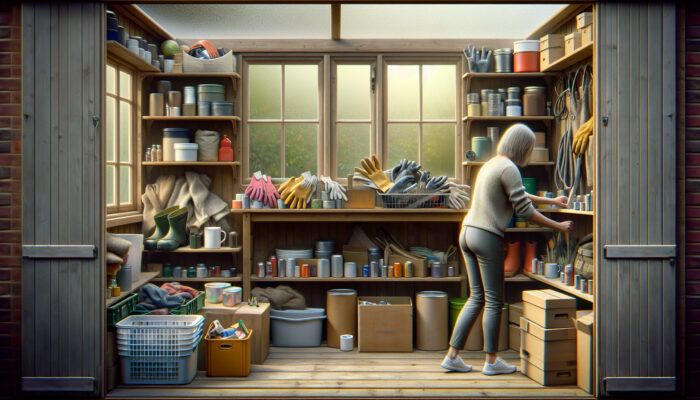
To begin the process of clearing a UK shed with care, it is crucial to conduct a thorough evaluation of the items within your shed and gather the appropriate materials. This careful preparation prevents damage to both the belongings being sorted and the shed itself. Equipping yourself with the right tools and storage solutions will significantly enhance your organisational efforts. In the UK, it is advisable to consider weatherproof storage options for outdoor equipment, as persistent damp can lead to considerable deterioration of your items. Here’s a comprehensive list of essential materials to prepare for the clearing project:
- Heavy-duty gloves
- Protective eyewear
- Dust masks
- Trash bags
- Recycling bins
- Labels and markers
- Brooms and brushes
- Storage bins or boxes
Equipped with these essential tools, you can tackle the task methodically, ensuring that you handle each item with care while maintaining a safe working environment. Being prepared not only enhances efficiency but also contributes to a more enjoyable experience during the clearing process.
What Items Should Be Prioritised for Sorting?
When clearing your shed, it is vital to prioritise the removal of hazardous materials and perishables to maintain safety and efficiency throughout the process. In typical UK sheds, common clutter often comprises gardening tools, chemicals, and seasonal decorations. Begin by identifying any items that may pose a risk, such as old paint cans, pesticides, or expired gardening supplies. These should be the first to be sorted and disposed of responsibly. It’s also advisable to label everything you remove, as this facilitates easier access to the items you choose to keep. By tackling hazardous materials first, you effectively mitigate potential dangers and streamline the remainder of the clearing operation.
How to Identify Structural Issues in Your Shed?
Before commencing the clearing process, it is essential to inspect your shed’s roof and walls for any signs of wear and tear caused by the harsh British climate. Look for damp patches, rust, or cracks that may signal potential structural concerns. Addressing these issues early not only ensures safety while clearing but also prolongs the lifespan of your shed. Consider applying protective coatings or executing necessary repairs to prevent further damage, thereby safeguarding your shed against the elements. This proactive approach will result in an outdoor storage space that remains usable and secure for years to come.
What Safety Precautions Should Be Taken During Clearing?

Engaging in shed clearing requires a heightened awareness of safety precautions to prevent injuries. Always wear protective gear, including robust gloves, safety goggles, and sturdy boots, to shield yourself from potential hazards such as sharp tools, falling debris, or harmful chemicals. Given the UK’s damp conditions, it is also crucial to remain vigilant about checking for mould growth as you work. Adhering to guidelines set by the Health and Safety Executive ensures that you maintain safe practices throughout the clearing process. These precautions are vital for sustaining a secure and efficient working environment while managing the often-overlooked threats that could arise in your shed.
How to Effectively Plan Your Shed Layout and Storage?
Once you have assessed the contents of your shed, it is time to devise a new layout that optimises the available space. Consider the typical sizes of UK gardens and how best to utilise the area within your shed. Create a sketch that includes dedicated sections for various tools, equipment, and seasonal items. This strategic organisation enhances accessibility and guarantees that everything has a designated place, leading to a more orderly environment. Focus on maintaining this organisation during and after the clearing process, as a well-structured shed will prevent clutter from accumulating in the future.
How Can You Clear Your Shed Safely?
What Steps Should Be Included in Your Clearing Plan?

A clear and concise plan is essential for clearing a UK shed with care. Outline the steps necessary to remove items in a systematic manner, emphasising careful handling to avoid injuries or breakages. Begin by gradually emptying the shed, prioritising the removal of seasonal items first, as they may have specific storage needs. Proceed to clear gardening tools and equipment, ensuring that you adopt a methodical approach. An organised strategy not only simplifies the process but also enhances safety throughout the clearing operation. By following these structured steps, you can ensure a smoother and more effective clearing experience.
What Are the Best Practices for Waste Disposal?
Responsible waste disposal plays a crucial role in maintaining a clean environment and adhering to local regulations in the UK. Identify local recycling options available for materials such as wood, metal, and plastic, as each council may have specific guidelines for disposal. Sorting materials responsibly is essential to ensure compliance with environmental regulations. You may also discover community initiatives that facilitate the recycling and repurposing of shed items. By following these disposal practices, you contribute to a cleaner environment while enhancing the efficiency of your shed clearing process.
How to Organise Remaining Items Effectively?
Once you have cleared the shed of unnecessary clutter, it is time to organise the remaining items logically for easy access. Utilising shelves and hooks, which are commonplace in UK sheds, can significantly maximise the available space. Arrange tools and belongings by categories, such as gardening equipment, DIY supplies, and seasonal decorations, ensuring that frequently used items are easily accessible. This thoughtful organisation not only boosts your productivity but also reduces the likelihood of future clutter. Remember that a well-organised shed will make subsequent clearing tasks much simpler and more efficient.
What Measures Can Ensure Personal Safety During Clearing?
The importance of personal safety during the shed-clearing process cannot be overstated. Always don appropriate protective equipment, such as gloves, safety goggles, and robust boots, to shield yourself from the hazards that often linger in old sheds. In the UK, it is common to encounter sharp tools, hazardous chemicals, or even pests, making protective gear essential. Additionally, utilise proper lifting techniques to avoid back strains while handling heavy items. Establishing a safe working environment should be your top priority, ensuring that you can complete the clearing process effectively and without injury.
Why Is a Final Check Necessary After Clearing?
Following the clearing and organising process, it is crucial to perform a thorough final inspection of the shed. Look for any overlooked hazards, ensuring that all items are secured properly and that the shed is in good condition. Apply weatherproofing measures, such as sealing gaps and applying protective coatings, to safeguard the shed against the unpredictable British rain and wind. This final check is essential for ensuring long-term safety, preventing future damage, and maintaining an organised space that allows for quick access to your tools and supplies.
Gain Expert Insights on Clearing a UK Shed with Care
Why Is It Important to Focus on Delicate Handling?
Managing fragile items during the shed-clearing process requires a dedicated focus on delicate handling. In the UK, this is especially pertinent for items like vintage gardening tools or antique decorations that may be sensitive to humidity and temperature fluctuations. By employing careful techniques when sorting and transporting fragile items, you significantly minimise the risk of damage.
- Utilise cushioned storage boxes for fragile items
- Wrap delicate tools in cloth or bubble wrap
- Lift items gently rather than dragging them
- Store heavy items at the bottom of stacks
Real-world examples of common pitfalls include rushing through the clearing process, which can lead to breakages, or failing to store items correctly, resulting in deterioration. By prioritising delicate handling, you preserve your valuable belongings and set the stage for a successful clearing experience.
How to Decide If You Need Professional Help?
In some situations, evaluating whether to enlist professional help for larger UK sheds can be a prudent decision. When the sheer volume of items or the presence of hazardous materials overwhelms the average homeowner, specialists can provide the expertise necessary to ensure thorough and safe clearing. Factors to consider include the size of the shed, the types of items stored, and your own comfort level with handling certain materials. While hiring professionals may entail higher upfront costs, the advantages of ensuring a safe and effective clearing process can outweigh the initial investment.
How to Adapt Your Clearing Routine to Seasonal Changes?
Understanding how to adjust your clearing routines based on seasonal changes is crucial for maintaining the integrity of your shed. In the UK, the weather can greatly affect what needs to be cleared. For instance, preparing for autumn may require you to deal with fallen leaves and garden tools that require winter storage, while winter damp can necessitate checking for mould and moisture control. By aligning your clearing schedule with seasonal patterns, you can keep your shed in optimal condition throughout the year, ensuring it remains a functional and safe storage space for your outdoor equipment.
Discover the Research-Backed Benefits of Clearing a UK Shed with Care
How Does Clearing Enhance Your Available Space?
Research indicates that improved organisation within your shed can significantly reduce stress and enhance overall productivity. In the UK context, sheds often serve as multifunctional spaces for hobbies, gardening, and storage. By decluttering and optimising the layout, you create a more functional environment that promotes creativity and efficiency. Actionable steps for optimising the layout include utilising vertical space with shelves, categorising tools by use, and ensuring that frequently accessed items are easily reachable. This well-structured organisation leads to a more enjoyable experience when working in or accessing your shed.
How to Improve the Longevity of Your Shed?
Investigating maintenance practices that prevent decay in British climates reveals the significant benefits of regular clearing and care. Over time, neglect can lead to extensive damage from weather exposure, such as rot or rust. Emphasising care routines, such as regular inspections and timely repairs, can dramatically extend your shed’s lifespan. Techniques like applying weatherproof coatings, checking for leaks, and ensuring proper ventilation can all contribute to maintaining the integrity of your shed, making it a lasting asset in your garden.
How Does Clearing Your Shed Boost Overall Property Value?
A well-maintained shed can add considerable appeal to UK homes, acting as an attractive feature for potential buyers. Studies suggest that a tidy, organised shed enhances the overall perception of a property, indicating that care has been taken with the home as a whole. Efficient clearing methods play a pivotal role in achieving this result, as they foster a welcoming environment that reflects positively on the property’s upkeep. By investing time and effort into clearing and organising your shed, you ultimately contribute to your home’s marketability and overall value.
What Tools Are Essential for Clearing Your Shed?
How to Select Basic Equipment Wisely?
Choosing durable tools is paramount when it comes to clearing a UK shed with care. Basic equipment, such as heavy-duty gloves and tarpaulins, should be selected with the UK’s unpredictable weather in mind. These tools not only facilitate careful handling but also protect you from potential hazards. Investing in quality tools enhances your efficiency during the clearing process and ensures they can withstand the rigours of the British climate, leading to safer and more effective work in your shed.
Why Is It Important to Invest in Quality Items?
Investing in quality items for shed clearing pays dividends in the long run. Sturdy tools designed for repeated use in British gardens can significantly enhance safety and efficiency. High-quality gloves, for instance, provide better grip and protection against cuts, while durable brooms can handle the rigours of outdoor debris. Choosing well-constructed items also reduces the frequency of replacement, saving money over time and ensuring that your tools remain effective and reliable for future tasks in your garden.
How to Maintain Your Tools After Use?
Proper maintenance of your tools after clearing is essential for extending their lifespan. In the UK, where weather conditions can be variable, storing equipment correctly can greatly influence their performance in future tasks. Clean your tools after use, ensuring that soil, debris, and moisture are removed. Store them in a dry, sheltered location to prevent rust and damage. Regular maintenance not only prolongs the longevity of your tools but also ensures they remain in excellent working condition when you next need them.
What Are the Key Hand Tools for Everyday Gardening?
When clearing your shed, it’s important to consider the essential hand tools that facilitate effective gardening tasks. In the UK, tools like spades, rakes, and pruning shears are specifically designed with the local soil types and gardening conditions in mind. Ergonomic features in these tools can help prevent injuries, especially when working in diverse weather conditions. Investing in high-quality hand tools tailored to your gardening tasks ensures that you can efficiently prepare soil, remove weeds, and maintain your outdoor space, making your gardening experience both enjoyable and productive.
How to Utilise Power Tools for Enhanced Efficiency?
For larger tasks, power tools can significantly enhance efficiency in the garden. Lawn mowers and hedge trimmers, for instance, are invaluable for maintaining the aesthetic appeal of your outdoor space. In the UK, it is also important to consider energy efficiency and compliance with noise regulations, as these factors contribute to maintaining neighbourly harmony. Selecting power tools that are well-suited to your specific tasks ensures that you can complete your gardening duties effectively while respecting the local environment and community.
How to Maintain Your Shed After Clearing?
What Routine Schedule Should You Establish?
Establishing a routine maintenance schedule is vital for keeping your shed tidy and functional. Incorporating UK-specific advice on seasonal maintenance, such as inspections for mould or dampness, can significantly enhance the longevity of your shed. Regularly checking the condition of tools and ensuring they are clean and dry will help prevent rust and decay. Additionally, set aside time each month to reassess the organisation of your shed, addressing any clutter before it accumulates. This proactive approach ensures that your shed remains a well-maintained and efficient storage space throughout the year.
What Common Problems May Arise in Your Shed?
Common problems that may arise in UK sheds include pest infestations, dampness, and clutter. Addressing these issues early is essential for maintaining a safe and functional space. For instance, implementing preventative measures such as sealing gaps and using traps can help detect and resolve pest problems before they escalate. Additionally, regularly checking for signs of damp, such as mould or rot, allows for prompt intervention. By staying vigilant and proactive in your maintenance efforts, you can effectively mitigate these issues and ensure your shed remains a safe haven for your tools and equipment.
How to Enhance Security Measures for Your Shed?
Implementing strong security measures is crucial for protecting your shed and its contents from theft or weather damage. In a UK context, consider the installation of robust locks and barriers, which can deter potential intruders. Additionally, incorporating motion-sensor lights can enhance security further, providing additional visibility during night hours. Regularly reviewing your security measures and upgrading them as necessary will ensure that your shed remains a secure and reliable storage space for your tools and equipment, giving you peace of mind.
How to Inspect for Structural Damage Regularly?
Conducting regular inspections for structural damage is vital in the UK’s variable weather conditions. Be vigilant for signs of rotting wood, loose fittings, or rusted fixtures during these assessments. Addressing issues promptly ensures the longevity of your shed and prevents minor concerns from escalating into significant problems. Use high-quality materials suitable for British conditions, such as treated timber, to reinforce your shed’s structural integrity. By staying on top of maintenance and repairs, you safeguard your investment and ensure that your shed continues to serve its purpose effectively.
Frequently Asked Questions
What Is the Best Way to Clear a Shed?
The best approach to clearing a shed involves assessing its contents, prioritising hazardous items for removal, and systematically organising what remains. Always use appropriate protective gear and tools while ensuring a methodical approach to enhance safety and efficiency during the process.
How Often Should I Clear My Shed?
You should aim to clear your shed at least once a year, ideally at the start of each season. This allows you to assess the condition of tools, remove unnecessary clutter, and prepare for seasonal gardening tasks, ensuring everything is in order.
What Tools Do I Need for Clearing My Shed?
Essential tools for this task include heavy-duty gloves, dust masks, brooms, trash bags, and storage bins. These items aid in the clearing process while ensuring protection during handling and disposal, making your job easier and safer.
How Can I Safely Dispose of Hazardous Materials?
To safely dispose of hazardous materials, identify local recycling options and adhere to your council’s waste disposal guidelines. Many councils offer specific days or centres for the drop-off of hazardous waste, ensuring proper disposal.
What Should I Do If I Find Pests in My Shed?
If you find pests in your shed, take immediate action to identify the type of pest and implement control measures. This may include traps, sealing entry points, and maintaining cleanliness to deter future infestations and keep your shed pest-free.
How Can I Protect My Shed from Dampness?
To protect your shed from dampness, ensure proper ventilation and apply weatherproof coatings to wooden surfaces. Regular inspections for leaks and damp spots allow you to address issues before they escalate, preserving your shed’s integrity.
Should I Hire a Professional for Shed Clearing?
Hiring a professional for shed clearing may be beneficial if you encounter hazardous materials or face a large volume of contents. Professionals can ensure a thorough and safe clearing process, providing you with peace of mind and expertise.
What Maintenance Should I Perform on My Tools?
Regular maintenance on your tools includes cleaning, drying, and storing them in a sheltered area. Apply protective coatings as needed and inspect for damage to ensure they remain in good condition and ready for future gardening tasks.
How Can I Keep My Shed Organised?
Keeping your shed organised involves categorising items, using storage solutions like hooks and shelves, and regularly reassessing the layout. Establishing a routine for tidying up is key to preventing clutter from accumulating and maintaining an efficient space.
What Security Measures Should I Implement for My Shed?
To enhance security, install robust locks, use motion-sensor lights, and regularly check the shed for signs of tampering. Creating a routine for security assessments can help protect your belongings effectively, ensuring a safe storage environment.