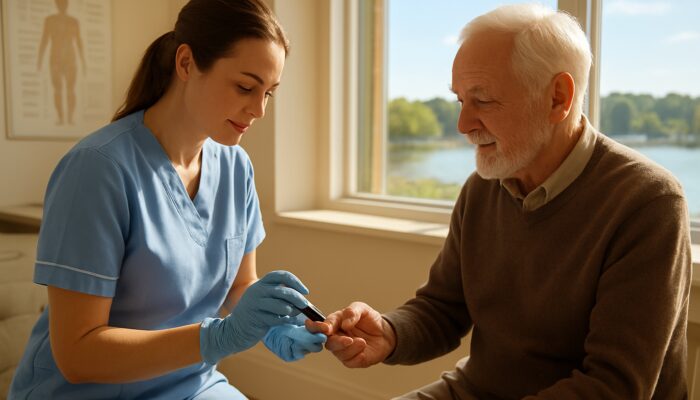
Comprehensive Overview of Diabetes Blood Testing Services in Ipswich
Explore the NHS Diabetes Screening Services Available in Your Local Area
Private Blood Test for Diabetes in Ipswich: Residents of Ipswich can easily access NHS blood tests for diabetes at various GP practices throughout Suffolk. These facilities provide fasting plasma glucose tests, which are essential for the early identification of type 2 diabetes. This process adheres to strict British healthcare standards, ensuring timely diagnoses and the establishment of appropriate management plans for patients.
The NHS advocates for regular screenings, particularly for individuals at increased risk due to factors such as age, family history, or unhealthy lifestyle habits. Clinics in Ipswich are well-equipped to conduct these tests efficiently, empowering patients to prioritise their health. The collaboration among local healthcare services guarantees that results are swiftly communicated to both patients and their GPs.
By taking advantage of these services, Ipswich residents gain access to crucial health checks and receive ongoing support and education regarding diabetes management. This proactive approach is vital in preventing complications and nurturing a healthier community overall.
What Are the Common Symptoms That May Indicate the Need for Testing?
Frequent urination, excessive thirst, and ongoing fatigue are typical symptoms that often lead residents in Ipswich to pursue blood tests for diabetes. These indications may suggest elevated blood sugar levels, prompting individuals to consult their healthcare providers. Early recognition of these symptoms is critical for timely intervention and effective management of the condition.
In UK primary care settings, HbA1c levels are routinely monitored to confirm diabetes diagnoses and evaluate long-term glucose control. This test offers insights into average blood sugar levels over the previous two to three months, providing a comprehensive overview of a patient’s health. Consistent monitoring is essential for effectively adjusting treatment plans.
Patients showing symptoms should not hesitate to reach out to their GP for a blood test. Early diagnosis can facilitate improved management strategies, significantly lowering the risk of complications related to diabetes. Increasing awareness of these symptoms is crucial for promoting a proactive health approach within the Ipswich community.
How Local Pharmacies Facilitate Diabetes Testing
Community pharmacies across Ipswich play a pivotal role in providing accessible diabetes blood tests. These services complement the NHS framework, offering patients easy access to necessary checks without the need for a GP appointment. Results from these tests are promptly communicated to GPs, enhancing integrated care within the UK healthcare system.
Pharmacies frequently provide additional services such as health consultations and lifestyle guidance, further enriching the support available to patients. This partnership between pharmacies and GPs ensures that individuals receive comprehensive care tailored to their unique needs.
The convenience of pharmacy-based testing encourages more residents to take charge of their health. By making blood tests readily accessible, local pharmacies significantly contribute to the early detection and management of diabetes in Ipswich, ultimately improving health outcomes for the community.
Professional Perspectives on the Importance of Diabetes Blood Testing in Ipswich
Case Studies from Ipswich Clinics Demonstrating Effective Management
Healthcare professionals in Ipswich have compiled numerous case studies that illustrate successful diabetes management through blood tests. For example, a local clinic reported a patient who, after experiencing fatigue and increased thirst, underwent testing that confirmed type 2 diabetes. This early diagnosis enabled prompt intervention and necessary lifestyle modifications.
In another instance, a patient’s HbA1c levels were consistently monitored, allowing their healthcare team to effectively adjust treatment strategies. Regular follow-up appointments at Suffolk hospitals ensured that the patient received personalised care, highlighting the importance of ongoing monitoring in diabetes management.
These real-life examples emphasise the vital role of blood tests in identifying and managing diabetes. By adhering to NHS guidelines, healthcare providers in Ipswich can offer patients the support necessary to manage their condition effectively, fostering a health-conscious community.
What Steps Should You Take When Arranging a Diabetes Test?
Patients in Ipswich should take the initiative to organise a blood test for diabetes. The first step is to contact their local GP surgery, where staff can provide information on available testing options. It is essential to ensure that the appointment complies with NHS protocols to guarantee accurate results.
When scheduling a test, patients should inquire about any necessary preparations, such as fasting. Understanding these requirements is crucial for ensuring that the test results are both reliable and informative. Patients should also ask about the anticipated timeline for receiving results and potential follow-up appointments.
Being well-prepared for the appointment can significantly enhance the testing experience. Patients are encouraged to jot down any questions or concerns they wish to discuss with their GP, maximising the value of their visit and ensuring comprehensive care tailored to their specific needs.
How to Effectively Understand Your Test Results
Interpreting HbA1c results from diabetes tests in Ipswich is essential for effective management. Healthcare professionals indicate that a result below 48 mmol/mol typically signifies normal glucose levels, whereas higher readings suggest varying degrees of diabetes. Understanding these results empowers patients to make informed decisions regarding their health.
Lifestyle changes often play a significant role in managing diabetes. Experts recommend incorporating regular physical activity and a balanced diet, aligned with UK dietary guidelines, as crucial strategies for controlling blood sugar levels. This comprehensive approach not only enhances health outcomes but also improves overall wellbeing.
Patients should discuss their results with healthcare providers to establish personalised management plans. This collaborative effort ensures that patients receive guidance on necessary lifestyle adjustments and medication changes, promoting effective diabetes control and minimising the risk of complications.
What Types of Diabetes Blood Tests Are Offered in Ipswich?
Understanding Fasting Plasma Glucose Tests
Fasting plasma glucose tests are a standard procedure available at Ipswich clinics for diagnosing diabetes. This test requires patients to fast overnight before a blood sample is taken to ensure accurate measurement of glucose levels. The results are critical in determining whether a patient has diabetes or is at risk.
The fasting plasma glucose test is a straightforward procedure, typically completed during a brief clinic visit. Healthcare professionals thoroughly explain the process and its significance, helping patients understand what to expect. This transparency fosters comfort and confidence throughout the testing process.
Early detection through fasting plasma glucose tests allows Ipswich residents to access necessary interventions swiftly. Identifying diabetes at an initial stage enables patients to engage in educational programmes and implement lifestyle changes that align with NHS guidelines, ultimately reducing the risk of complications.
The Benefits of Early Detection for Suffolk Residents
Regular diabetes testing is vital for Suffolk residents, as it promotes early detection and intervention. Timely identification of diabetes allows healthcare providers to implement management strategies that can prevent complications such as cardiovascular diseases and neuropathy.
Residents of Ipswich can take advantage of NHS educational programmes designed to inform patients about diabetes management. These initiatives empower individuals to take control of their health by providing the knowledge and resources necessary for informed decision-making.
Early detection leads to a more personalised approach to care. By recognising each patient’s unique circumstances, healthcare professionals can tailor interventions that suit their lifestyle and needs, ultimately enhancing health outcomes for the Ipswich community.
How to Effectively Monitor HbA1c Levels
Ongoing monitoring of HbA1c levels in Ipswich is crucial for tracking long-term glucose control. Regular tests provide healthcare providers with valuable data that inform treatment adjustments and management plans. This proactive approach ensures that patients remain on track with their diabetes care.
Patients should be encouraged to schedule regular follow-ups to discuss their HbA1c results with their healthcare providers. Understanding these results helps patients appreciate the importance of maintaining healthy lifestyle choices, such as a balanced diet and regular exercise, to manage their condition effectively.
Effective monitoring not only aids in diabetes control but also boosts patient confidence in managing their health. By engaging in ongoing discussions about their results, patients can gain a deeper understanding of their condition and the necessary steps to maintain optimal health.
Why Regular Testing is Essential for Better Health Outcomes
Consistent blood tests for diabetes significantly improve health outcomes by enabling timely adjustments to treatment plans. Regular testing allows healthcare providers to monitor fluctuations in blood sugar levels, ensuring that patients receive the most effective interventions tailored to their individual needs.
In the United Kingdom, early detection through regular testing can prevent severe complications associated with diabetes. By quickly identifying issues, healthcare teams can implement strategies that help patients manage their condition more effectively, thus reducing the risk of long-term health problems.
Regular testing fosters a sense of accountability among patients. Recognising the importance of their test results motivates individuals to adopt healthier lifestyles, ultimately contributing to enhanced overall health and wellbeing within the Ipswich community.
Exploring Oral Glucose Tolerance Tests in Ipswich
Oral glucose tolerance tests (OGTT) are another essential diagnostic tool offered at Ipswich clinics. This test requires patients to fast overnight and then consume a glucose drink. Timed blood samples are subsequently collected to evaluate how the body processes sugar, yielding critical insights into diabetes diagnosis.
The OGTT is particularly beneficial for identifying insulin resistance and gestational diabetes. Healthcare professionals in Ipswich thoroughly explain the procedure, ensuring that patients feel informed and at ease throughout the testing process.
By utilising OGTT, healthcare providers gain a comprehensive understanding of a patient’s glucose metabolism. This information is crucial for developing personalised management plans that align with NHS guidelines, ultimately enhancing diabetes care for residents in Ipswich.
The Evidence-Based Advantages of Diabetes Blood Testing in Ipswich
Preparing for Your Diabetes Testing in Ipswich
Dietary Recommendations Before Your Appointment
Preparing for a diabetes blood test in Ipswich involves adhering to specific dietary guidelines from healthcare professionals. Patients are typically advised to fast for at least eight hours prior to the test to ensure accurate results. This fasting period is essential for effectively measuring blood glucose levels.
In the days leading up to the appointment, individuals should focus on maintaining a balanced diet. Consuming whole grains, lean proteins, and plenty of fruits and vegetables can help stabilise blood sugar levels. It is advisable to avoid sugary foods and excessive carbohydrates to create optimal testing conditions.
Patients should confirm fasting requirements with their GP, as individual circumstances may differ. By following these dietary recommendations, Ipswich residents can enhance the accuracy of their blood test results, leading to more effective diabetes management.
Key Topics to Discuss with Your GP Prior to Testing
When preparing for a diabetes blood test appointment, patients should consider discussing several important topics with their GP. It is essential to mention any symptoms experienced, such as increased thirst or fatigue, as these can provide valuable context for the test results.
Addressing family history of diabetes can assist healthcare providers in more accurately assessing risk factors. Patients should also inquire about the specific tests being conducted and what the results may indicate for their health. This proactive approach maximises the value of the appointment.
Preparing a list of questions or concerns can help patients feel more confident during their visit. Engaging in open dialogue with healthcare providers ensures that individuals receive comprehensive care tailored to their unique needs.
Strategies for Managing Anxiety Related to the Testing Process
Managing anxiety surrounding blood tests for diabetes is vital for residents of Ipswich. Local support groups provide valuable resources and tips to help individuals cope with pre-test nerves. Understanding the testing process and its significance can alleviate some of the apprehension patients may experience.
Practising relaxation techniques, such as deep breathing or mindfulness, can also be beneficial prior to the appointment. These methods help calm the mind and body, making the testing experience more comfortable.
Patients are encouraged to seek support from friends or family members during this time. Sharing concerns with loved ones can offer reassurance, making the testing process less daunting and fostering a sense of community among those managing diabetes.
Essential Items to Bring to Your Testing Appointment
When attending a diabetes blood test appointment in Ipswich, patients should ensure they have several essential items. Firstly, carrying their NHS number is crucial for streamlining the process and ensuring accurate record-keeping.
A photo ID can help verify identity, while a list of current medications is important for healthcare providers to understand any potential interactions or considerations. Having these items readily available can significantly enhance the efficiency of the appointment.
Being well-prepared not only facilitates a smoother experience but also allows patients to concentrate on their health and discussions with their healthcare provider. This preparation is key to ensuring that the blood test process is as straightforward as possible.
The Importance of Arriving on Time at the Clinic
Arriving early at testing centres in Ipswich is crucial for a stress-free experience. Patients should aim to arrive at least 15 minutes before their scheduled appointment to allow time for paperwork and settling in. This additional time can help reduce anxiety and ensure a smooth start to the testing process.
Being punctual demonstrates respect for the clinic’s schedule and enables healthcare professionals to manage their time effectively. Arriving early gives patients a moment to relax and mentally prepare for the blood test, contributing to a more positive experience.
Early arrivals can help avoid potential delays caused by unforeseen circumstances, ensuring that patients receive their tests promptly. This proactive approach is crucial for maintaining adherence to NHS scheduled appointments in the region.
Strategies for Effective Diabetes Blood Testing in Ipswich
Success Stories from NHS Practices
Suffolk clinics have highlighted successful strategies where patients utilise blood tests to maintain stabilised blood glucose levels. For instance, a local NHS practice initiated a programme that encouraged regular testing and follow-up consultations. This initiative resulted in improved patient outcomes and increased awareness of diabetes management.
Another example involved a patient who engaged in a community health initiative focused on lifestyle modifications. Regular blood tests enabled healthcare providers to monitor progress and adapt treatment plans based on the patient’s evolving needs, leading to better control of their diabetes.
These real-life success stories emphasise the effectiveness of integrated care models within the NHS framework. By prioritising regular blood testing and follow-up support, Ipswich clinics empower patients to take charge of their health and achieve better outcomes.
Tracking Results Over Time for Optimal Care
Monitoring diabetes test outcomes is essential for Ipswich patients striving to optimise their care. Keeping track of results over time allows individuals to identify patterns and trends in their blood sugar levels, providing valuable insights for discussions with healthcare providers.
Patients are encouraged to maintain a log of their HbA1c results and any lifestyle changes made. This documentation can facilitate meaningful conversations during appointments, allowing healthcare professionals to effectively tailor management plans.
By actively engaging in their health management, patients cultivate a sense of ownership over their diabetes care. This proactive approach not only enhances understanding but also promotes better adherence to treatment plans, ultimately leading to improved health outcomes.
Expert Recommendations for Merging Lifestyle Changes with Diabetes Management
Integrating lifestyle changes into diabetes management is essential for residents in Ipswich. Healthcare specialists often advise patients to combine insights from their blood tests with personalised exercise routines and dietary adjustments. This holistic approach enhances overall wellbeing and supports effective diabetes control.
For example, incorporating regular physical activity, such as walking or cycling, can significantly improve blood sugar levels. Specialists recommend discovering enjoyable activities to encourage consistency, making it easier to maintain an active lifestyle.
Dietary modifications that align with UK nutritional guidelines can further support diabetes management. By focusing on whole foods, balanced meals, and portion control, patients can effectively manage their blood glucose levels while enjoying a varied diet.
Collaborating with Local Pharmacies for Enhanced Diabetes Support
Ipswich residents are encouraged to utilise pharmacy-based blood testing facilities for diabetes monitoring. These services provide quick, accessible results, allowing patients to stay informed about their health without the need for lengthy GP appointments. This convenience is particularly beneficial for those with busy schedules.
Local pharmacies frequently offer additional support, such as health consultations and lifestyle advice. This collaborative approach integrates seamlessly with ongoing NHS care plans, ensuring that patients receive comprehensive assistance in managing their diabetes.
By partnering with pharmacies, patients can bolster their diabetes management efforts. The accessibility of these services promotes regular testing and fosters a proactive attitude towards health, ultimately contributing to better outcomes for the Ipswich community.
Available Testing Facilities in Ipswich
Hospital-Based Services in Your Region
Ipswich Hospital offers comprehensive diabetes blood testing services integrated with NHS trusts throughout the United Kingdom. This facility is equipped with modern technology and staffed by experienced healthcare professionals, ensuring that patients receive high-quality care.
The hospital provides a range of testing services, including fasting plasma glucose tests and HbA1c monitoring. Patients can expect a supportive environment where their needs are prioritised, facilitating effective diabetes management and follow-up care.
The hospital collaborates with local GP practices to ensure continuity of care. This integration facilitates timely communication of test results and enables healthcare providers to develop personalised management plans for patients in Ipswich.
Community Clinics Offering Accessible Testing
Numerous GP practices in Suffolk provide accessible diabetes testing, ensuring Ipswich residents can receive prompt blood tests. These community clinics are strategically located to serve local patients, offering a convenient alternative to hospital services.
At these clinics, healthcare professionals are dedicated to delivering quality care and support for diabetes management. Patients can anticipate a welcoming environment where their concerns are addressed, and their health needs are prioritised.
Community clinics frequently collaborate with local pharmacies to enhance the overall testing experience. This partnership enables seamless integration of services, ensuring patients receive comprehensive support throughout their diabetes management journey.
Mobile Testing Units for Greater Convenience
Mobile testing units play a crucial role in delivering diabetes screening directly to Ipswich locations. These units are part of broader NHS outreach efforts aimed at increasing access to essential health services for residents in the area.
The convenience of mobile testing allows individuals who may encounter barriers to accessing traditional healthcare facilities to receive necessary blood tests. This initiative encourages early detection and management of diabetes, contributing to better health outcomes for the community.
By providing testing services directly to residents, the NHS demonstrates its commitment to proactive healthcare. Mobile units not only enhance accessibility but also cultivate a sense of community engagement in health promotion efforts throughout Ipswich.
Frequently Asked Questions Regarding Diabetes Testing
What does a blood test for diabetes involve?
A blood test for diabetes measures blood glucose levels to diagnose diabetes or prediabetes. Common tests include fasting plasma glucose and HbA1c tests, which provide insights into blood sugar control over time.
How often should I undergo testing for diabetes?
The frequency of diabetes testing depends on individual risk factors. Generally, adults should be tested every three years, but those at higher risk may require more regular evaluations as advised by their GP.
What are the common symptoms associated with diabetes?
Typical diabetes symptoms comprise increased thirst, frequent urination, fatigue, blurred vision, and slow-healing wounds. If you experience these symptoms, consult your GP for a blood test.
Where can I obtain a diabetes blood test in Ipswich?
Diabetes blood tests are offered at local GP surgeries, Ipswich Hospital, and community pharmacies. Mobile testing units may also be available for added convenience.
What should I do if my test results indicate elevated levels?
If your test results show high glucose levels, consult your GP for further evaluation. They will provide guidance on lifestyle changes, medication, and follow-up testing to manage your condition effectively.
Is it permissible to eat before a diabetes blood test?
For fasting blood tests, it is essential to refrain from eating or drinking anything except water for at least eight hours prior to your appointment. Confirm with your GP for specific instructions based on the type of test.
What is an HbA1c test?
An <a href=”https://bloodtest.co.uk/what-is-a-hba1c-test-key-insights-into-blood-sugar-monitoring/”>HbA1c test</a> measures your average blood sugar levels over the past two to three months. It is instrumental in assessing long-term glucose control and serves as a key indicator for diabetes management.
Are there any risks associated with diabetes blood tests?
Blood tests for diabetes are generally safe, with minimal risks involved. Some individuals may experience slight discomfort or bruising at the injection site, but serious complications are rare.
How can I manage my diabetes following testing?
Managing diabetes involves regular monitoring of blood sugar levels, adhering to prescribed medications, maintaining a balanced diet, and participating in consistent physical activity. Consult your healthcare provider for personalised strategies.
What resources are available for diabetes education in Ipswich?
Ipswich offers various resources for diabetes education, including NHS programmes, local support groups, and community health initiatives. These resources aim to empower individuals with the knowledge necessary for effective diabetes management.
Follow us on Facebook for the latest updates!

This Article Was First Found On https://bloodtest.co.uk
The Article Diabetes Blood Test: Your Essential Guide in Ipswich found first on https://electroquench.com