Comprehensive Guide to Eco-Friendly House Clearance Costs
What Are the Key Elements of Eco-Friendly Practices in House Clearance?

Eco-friendly house clearance in the UK centres on methodologies that substantially reduce environmental harm while effectively managing financial implications. These methodologies emphasise the importance of recycling and reusing materials, alongside the utilisation of local waste management services. Homeowners are encouraged to divert waste from landfills by selecting options that uphold sustainability. This not only significantly diminishes environmental footprints but also offers homeowners substantial financial benefits. For instance, instead of merely discarding furniture, individuals might opt to donate items to local charities or sell them via online platforms. Such actions not only promote community goodwill but also demonstrate a commitment to eco-conscious living.
In the context of eco-friendly house clearance, the role of recycling is paramount. Materials like metals, paper, and plastics are often recyclable, which reduces the amount of waste directed to landfills. This practice can lead to decreased costs associated with waste disposal. Furthermore, working with local waste management services that prioritise eco-friendly practices ensures that materials are handled responsibly. By adhering to these principles, homeowners not only contribute to a healthier planet but also engage in financially prudent practices that yield beneficial outcomes over time.
What Factors Influence Eco-Friendly House Clearance Costs?
Numerous factors can impact the costs connected with eco-friendly house clearance in the UK. Understanding these elements is crucial for homeowners aiming to budget effectively. Here are the primary factors that can influence eco-friendly house clearance expenses:
- The type of materials being cleared
- The total volume of waste generated
- Local recycling rates and available facilities
- Choice of service provider
- Distance to disposal or recycling centres
- Regulatory compliance costs
- Availability of grants or financial incentives
- Utilisation of reusable items
Each of these factors can significantly affect overall costs, often in unpredictable manners. For instance, selecting a broader range of recyclable materials may result in lower disposal fees due to the diminished volume of non-recyclable waste. Conversely, opting for a high-end waste management firm could elevate costs without necessarily enhancing environmental benefits. Homeowners should diligently research local rates and the services offered, as variations in these factors can lead to considerable fluctuations in pricing.
What Common Challenges Do Homeowners Face in Eco-Friendly House Clearance?
While pursuing eco-friendly house clearance, homeowners in the UK frequently encounter distinct challenges. One significant hurdle is the volume regulations established by local councils, which govern the amount of waste that can be disposed of or recycled at any given time. These regulations can obstruct the clearance process and inflate costs, particularly if homeowners inadvertently exceed the limits due to a lack of awareness.
Another challenge is the availability of resources. Not all areas provide accessible recycling centres or services that specialise in eco-friendly practices. This can lead to increased transportation expenses if homeowners must travel further to find appropriate disposal options. Additionally, fluctuating prices for recycled materials can affect the financial viability of using eco-friendly services, resulting in unpredictability regarding costs. To navigate these challenges, homeowners must remain informed about local regulations and resources while also exploring the potential for collaboration with neighbours or community groups, allowing them to share resources and costs effectively.
What Strategies Can Homeowners Use to Minimise Eco-Friendly House Clearance Costs?

Reducing the expenses related to eco-friendly house clearance is entirely achievable with the right strategies in place. Homeowners can adopt a multifaceted approach to realise significant savings while adhering to sustainable practices. One effective strategy is prioritising the reuse of items. Before considering disposal, individuals should explore options for repurposing or donating items that are no longer needed. Charitable organisations often welcome furniture and household goods, providing a dual benefit of decluttering and addressing local needs.
Choosing budget-friendly local services is another critical step. Many smaller companies offer eco-friendly disposal options at competitive rates, and these local businesses often possess a better understanding of community needs and available resources. Homeowners should seek multiple quotes to ensure they obtain the best value for their investment. Additionally, accessing recycling grants or subsidies can significantly mitigate costs. Various local councils and organisations provide financial support to households that engage in eco-friendly disposal practices, enabling homeowners to save while championing sustainability.
How Can Eco-Friendly House Clearance Result in Cost Savings?
What Are the Initial Investment Requirements for Eco-Friendly House Clearance?
The initial expenses related to eco-friendly house clearance may appear daunting at first glance, yet they often lead to substantial savings over the long term. Homeowners must factor in costs such as the donation of reusable items, hiring certified disposal services, and potentially investing in sorting tools or containers. However, the financial advantages of these practices can outweigh the upfront investment. For example, while employing a certified disposal service might incur higher initial fees, these services typically guarantee that materials are processed in an environmentally responsible manner, often resulting in lower future disposal costs.
Moreover, many local councils in the UK have initiated schemes that reward eco-friendly practices. By participating in these programmes, homeowners can often recoup their initial investments through rebates or reduced waste disposal fees. Conducting thorough research to uncover potential financial incentives can significantly alter the financial landscape of house clearance, making it more accessible and affordable.
Why Are Financial Rebates Offered for Eco-Friendly House Clearance?
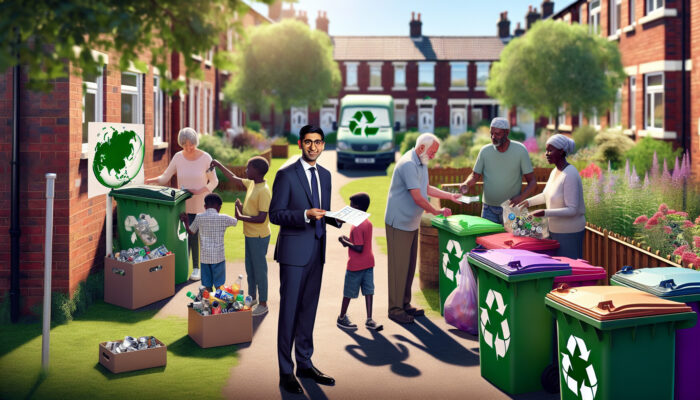
Financial incentives for engaging in eco-friendly house clearance are widespread in the UK for several reasons. The government and local councils recognise the necessity of reducing landfill waste and promoting sustainable practices among residents. As part of their environmental strategies, many councils offer rebates or subsidies to households that utilise eco-friendly disposal methods. These incentives are designed to encourage community participation in sustainability initiatives while alleviating some of the financial burdens associated with responsible waste management.
To access these rebates, homeowners should first consult their local council regarding available programmes. Many councils provide straightforward guidelines for residents to follow. A proactive approach, such as attending community meetings or workshops, can also unveil additional incentive opportunities. Furthermore, maintaining proper documentation of all expenses related to eco-friendly clearance can ensure that homeowners are well-prepared to apply for any financial incentives.
How Can Homeowners Measure the Return on Investment?
Assessing the return on investment (ROI) for eco-friendly house clearance is crucial for understanding long-term savings. Homeowners can track their expenses through simple methods, such as maintaining a detailed record of all costs associated with the clearance process. This should encompass initial investments for services, transportation costs, and any fees related to recycling or disposal. By closely monitoring these figures, individuals can begin to evaluate the financial outcomes of their eco-friendly initiatives.
To accurately measure ROI, homeowners should also consider the reduction in waste disposal fees over time. Engaging in eco-friendly practices frequently leads to decreased landfill charges, which can translate into significant savings. Furthermore, by donating or selling reusable items, homeowners may recover a portion of their initial investment, thereby further enhancing their financial standing. Over time, the cumulative effect of these savings can render eco-friendly house clearance not only environmentally responsible but also financially beneficial.
What Expert Insights Can Help Reduce Eco-Friendly Costs for House Clearance?
What Expert Advice Is Available for Cost Reduction?
Expert analysis indicates that several strategies are accessible to homeowners seeking to reduce eco-friendly house clearance costs in the UK. Industry professionals recommend initiating the process with a thorough assessment of items slated for clearance. This includes categorising items into those that can be reused, recycled, or disposed of. Experts suggest that even minor efforts, such as cleaning and repairing items prior to donation or sale, can significantly enhance their value.
Additionally, collaborating with local waste management professionals who specialise in eco-friendly practices can yield valuable insights into effective disposal methods. For example, specialists often emphasise the importance of timing, as booking clearance services during off-peak seasons can result in reduced costs. By leveraging the advice of industry experts, homeowners can implement these strategies effectively, ensuring that their house clearance process is both cost-efficient and environmentally sound.
What Are the Key Strategies Recommended by Professionals?
Based on expert recommendations, several actionable steps can be undertaken to manage eco-friendly costs during house clearance efficiently. First, thorough planning is essential. Homeowners should outline their clearance process, detailing what items will be cleared, the disposal methods, and potential service providers. This level of organisation allows individuals to anticipate costs better and manage their budgets effectively.
Second, professionals stress the importance of utilising local resources. Many UK towns have community recycling groups or donation centres that can facilitate eco-friendly clearance at little or no cost. Additionally, collaborating with neighbours to share resources or organise joint clearance efforts can lead to shared costs and a reduced burden on individual homeowners. By implementing these strategies, individuals can significantly minimise their eco-friendly clearance costs while maintaining a strong commitment to sustainable practices.
What Regulatory Considerations Should Homeowners Be Aware Of?
Understanding the regulatory landscape in the UK is vital for managing eco-friendly house clearance costs effectively. Numerous regulations govern waste management and recycling, and non-compliance can result in hefty fines. For instance, the Waste and Emissions Trading Act mandates specific protocols for the disposal and recycling of various materials.
Experts advise homeowners to familiarise themselves with local regulations regarding waste disposal to avoid misunderstandings or penalties. Many local councils provide resources and guidelines that outline acceptable practices and materials. Compliance with these regulations not only enhances the cost-effectiveness of house clearance but also supports the overarching goal of promoting environmental sustainability. By staying informed, homeowners can navigate the complexities of waste management regulations efficiently.
What Research-Backed Benefits Are Associated with Eco-Friendly House Clearance Costs?
How Do Studies Illustrate Environmental Gains from Eco-Friendly Practices?
Research consistently highlights the environmental advantages of eco-friendly house clearance in the UK. Studies demonstrate that adopting sustainable practices, such as recycling and reusing materials, significantly reduces carbon emissions and conserves natural resources. For instance, the UK government’s commitment to achieving net-zero emissions by 2050 relies heavily on initiatives that minimise waste and promote recycling.
Additionally, studies indicate that by diverting waste from landfills, households can relieve pressure on local waste management systems while simultaneously reducing the environmental impact of waste disposal. These environmental benefits extend to financial advantages, as households can often lower their waste disposal fees through sustainable practices. The connection between eco-friendly clearance and cost savings becomes increasingly evident when considering the broader implications for both the environment and household finances.
What Economic Advantages Are Associated with Eco-Friendly House Clearance?
The economic benefits of implementing eco-friendly practices in house clearance are notable and well-documented. Households that engage in sustainable disposal methods frequently experience reduced waste fees, as numerous local councils incentivise recycling initiatives. This reduction can result in substantial savings over time, particularly for families managing larger volumes of waste.
Moreover, households that prioritise reuse can recover funds through the sale or donation of items. By selling unwanted furniture or second-hand goods, homeowners can generate additional income, offsetting overall clearance costs. Other economic advantages include lower transportation costs when utilising local services or resources for waste management. By embracing eco-friendly practices, homeowners not only contribute positively to the environment but also unlock a range of financial benefits that enhance their overall economic standing.
- Reduced waste disposal fees
- Potential income from sales of reusable items
- Access to financial incentives and grants
- Lower transportation costs
- Long-term savings through responsible disposal
- Community support and resources
- Enhanced property value through sustainable practices
- Strengthened local economy through community engagement
What Longevity of Benefits Can Be Expected from Eco-Friendly House Clearance?
Long-term research underscores the sustained value of eco-friendly costs in house clearance. Evidence suggests that households that consistently engage in sustainable practices experience enduring benefits, both financially and environmentally. By committing to recycling and reuse, homeowners not only enhance their immediate surroundings but also contribute to the long-term health of their communities and environment.
Furthermore, properties that adopt eco-friendly clearance practices often see an increase in value, as many buyers today prioritise sustainability. This heightened demand for eco-conscious homes reflects a societal shift towards environmentally responsible living. Ultimately, the longevity of these benefits showcases the profound impact that eco-friendly house clearance can have, fostering a culture of sustainability that extends beyond individual households.
What Are the Key Factors Affecting Eco-Friendly House Clearance Costs?
How Do Variations in Service Options Impact Costs?
The availability and selection of diverse eco-friendly service options in the UK can significantly affect house clearance costs. Homeowners have various choices, ranging from local charities and community groups that offer free or low-cost services to professional waste management firms that may charge premium rates for their expertise. The variation in service offerings can lead to substantial differences in overall costs.
When assessing service options, it is crucial for homeowners to consider not only the fees associated with the service but also the value it provides. For instance, while a charitable organisation may offer lower costs, they might lack the capacity to handle larger volumes of waste. Conversely, professional services may ensure environmentally responsible disposal but at a higher price. Homeowners should carefully weigh these factors to choose the most economical option that aligns with their eco-friendly values.
Why Is Timing Important in Planning Eco-Friendly House Clearance?
Timing can significantly influence eco-friendly house clearance expenses in the UK. Understanding seasonal trends can help homeowners optimise their costs. For example, demand for clearance services often peaks during spring and summer, leading to higher prices due to increased workload for providers. By planning clearance activities during off-peak months, homeowners can often secure lower rates and more flexible scheduling.
Additionally, being aware of local events or community initiatives can present opportunities for cost savings. Many local councils conduct recycling drives or community clean-up days, which can offer residents free disposal options. By aligning their house clearance efforts with these events, homeowners can not only save money but also engage with their communities positively.
How Do Material-Specific Cost Impacts Affect Eco-Friendly House Clearance?
Different materials can significantly influence the eco-friendly costs of house clearance in the UK. Each type of material has its own disposal and recycling requirements, which can impact overall expenses. For example, hazardous materials such as chemicals or electronic waste often necessitate specialist disposal services that can be costly, while common recyclables like paper or cardboard may incur lower fees.
To maximise savings, homeowners should sort their materials prior to clearance. By separating recyclable items from general waste, individuals can reduce the volume of non-recyclable materials, thereby lowering disposal costs. Additionally, understanding local recycling regulations can provide insights into which materials can be recycled at no cost, further enhancing savings. By adopting a strategic approach to material sorting and disposal, homeowners can effectively manage eco-friendly clearance costs.
How to Effectively Implement Eco-Friendly Practices in House Clearance?
What Is the Step-by-Step Planning Guide for Eco-Friendly House Clearance?
Implementing eco-friendly strategies in house clearance necessitates careful planning and organisation. A practical step-by-step guide can assist homeowners in navigating this process effectively. The first step involves conducting a comprehensive assessment of items to be cleared, categorising them into reusable, recyclable, and disposable groups. This initial sorting provides a clearer understanding of the volume of waste and the types of services needed.
Next, homeowners should research local resources, including recycling centres, donation facilities, and waste management services that specialise in eco-friendly practices. Gathering quotes and comprehending the specific requirements of each service can enable informed decision-making. Once the plan is established, homeowners should schedule the clearance, ensuring they are prepared with any necessary supplies or tools for the process. By adhering to this structured approach, individuals can streamline their eco-friendly house clearance efforts while minimising costs.
What Tools and Resources Are Needed for Eco-Friendly House Clearance?
The successful implementation of eco-friendly house clearance in the UK requires specific tools and resources. Essential items include sturdy boxes or containers for sorting materials and labels to clearly mark different categories, such as recyclables, donations, and waste. Additionally, having access to a reliable vehicle can facilitate the transportation of items to suitable disposal or donation locations.
Local resources can also play a pivotal role in an efficient clearance process. Many communities offer access to shared tools or equipment for waste management, which can eliminate the need for individual purchases. Homeowners should investigate local partnerships or initiatives that promote eco-friendly practices, as these can provide valuable support without incurring additional expenses. By leveraging these tools and resources, individuals can effectively manage the costs associated with eco-friendly house clearance.
How to Monitor and Adjust Approaches for Eco-Friendly House Clearance?
Ongoing monitoring of eco-friendly costs during house clearance is essential for ensuring continued efficiency and savings. Homeowners should regularly review their expenses and evaluate the effectiveness of the strategies implemented. This can be accomplished by maintaining a detailed log of all costs associated with the clearance process, including service fees, transportation costs, and any financial incentives received.
If certain strategies are not yielding the desired savings, it is important to adjust approaches accordingly. This may involve seeking alternative service providers or exploring additional recycling options. Engaging with local community groups can also provide insights into successful practices that others have adopted. By remaining flexible and responsive to changing circumstances, homeowners can optimise their eco-friendly house clearance efforts and sustain ongoing financial benefits.
What Sustainable Waste Management Techniques Can Be Employed?
Sustainable waste management techniques are vital for effective eco-friendly house clearance in the UK. Homeowners can adopt several practical methods to minimise environmental impact while efficiently managing costs. Proper sorting of recyclables is essential; separating materials such as paper, plastics, and metals not only facilitates recycling but also reduces disposal fees. Many councils offer free recycling facilities for these items, making it economically advantageous to engage in meticulous sorting.
Composting organic materials is another sustainable technique that can significantly reduce waste. By creating a compost bin for food scraps and garden waste, homeowners can divert a substantial volume of waste from landfills. Additionally, utilising local donation centres is an effective way to promote reuse while clearing out unwanted items. Many charities will gladly accept furniture, clothing, and household goods, and some may even provide free collection services. By implementing these sustainable waste management techniques, homeowners can effectively balance eco-friendly practices with cost efficiency.
How Does Community Involvement and Education Enhance Eco-Friendly House Clearance?
Community involvement plays a pivotal role in the successful implementation of eco-friendly house clearance in the UK. Organising awareness workshops or educational events can foster a culture of sustainability within local communities. These initiatives can empower residents to adopt eco-friendly practices, promoting participation and collaboration in waste reduction efforts.
Collaborating with local groups to organise recycling drives or community clean-up days can also enhance community engagement while addressing waste management challenges. By pooling resources and sharing knowledge, homeowners can collectively minimise costs and maximise the environmental benefits of their clearance efforts. Education is key; providing information on proper disposal methods and local resources can transform individual actions into a collective movement towards sustainability. By promoting community involvement and education, homeowners can contribute to long-lasting eco-friendly practices that extend beyond their own households.
Frequently Asked Questions About Eco-Friendly House Clearance
What Are the Costs Associated with Eco-Friendly House Clearance?
Costs can vary widely depending on factors such as the volume of waste, materials involved, and the choices made regarding service providers. Homeowners should budget for initial service costs, recycling fees, and potential income from reusable items to gain a comprehensive understanding of expenses.
How Can I Locate Local Eco-Friendly House Clearance Services?
Homeowners can begin by searching through online directories, consulting local council websites, or seeking recommendations from friends and neighbours. Many community groups also offer affordable clearance options, thus broadening the available choices.
Are There Financial Incentives for Eco-Friendly House Clearance?
Yes, numerous local councils in the UK offer financial incentives or rebates for residents who engage in eco-friendly disposal practices. Homeowners should inquire with their local council for specific programmes that may be available.
How Can I Reduce Waste During My House Clearance?
To minimise waste, homeowners should concentrate on reusing items, recycling materials, and donating usable goods to local charities. Sorting through belongings prior to clearance can also substantially reduce waste generation.
What Are the Environmental Benefits of Eco-Friendly House Clearance?
Eco-friendly house clearance aids in diminishing landfill waste, conserving natural resources, and lowering carbon emissions. By prioritising recycling and reuse, households can significantly impact their local environment positively.
How Can I Determine If My Materials Are Recyclable?
Homeowners should consult local recycling guidelines provided by their council or waste management services. Many councils offer resources that detail which materials are accepted for recycling, ensuring compliance and efficiency.
Can I Donate Unwanted Items Instead of Disposing of Them?
Absolutely! Numerous charities and community organisations accept donations of unwanted items, helping to reduce waste while supporting those in need within the community.
Is It More Cost-Effective to Hire a Professional Service or Handle Clearance Myself?
This decision depends on the volume of waste and the complexity of the clearance process. While hiring professionals can save time and ensure proper handling, DIY clearance may be more economical for smaller volumes of waste.
What Should I Do If I Encounter Hazardous Waste During Clearance?
Hazardous waste necessitates special handling and disposal. Homeowners should contact local waste management services for guidance on the safe disposal methods required for these materials.
How Can I Educate My Community About Eco-Friendly Practices?
Organising workshops, sharing information through community boards, and collaborating with local organisations can effectively raise awareness about eco-friendly practices and their benefits, fostering a culture of sustainability.