
Key Principles for Disassembling Furniture in the UK
Recognising Common Types of Furniture

Understanding standard British household furniture is essential for effectively disassembling items during clearances. Frequently encountered pieces, such as wardrobes, sofas, and dining tables, often require tailored methods to ensure safe and efficient management. Familiarity with these furniture types facilitates better planning and execution of disassembly tasks, thereby streamlining the clearance process.
In the UK, furniture styles range from traditional to modern, each presenting distinct challenges. For instance, a Victorian wardrobe may feature intricate joinery, whereas a contemporary flat-pack unit might necessitate different tools and techniques. Being aware of these variations aids in selecting the appropriate tools and methods for disassembly, ensuring compliance with local waste management regulations.
Recognising different furniture types helps anticipate potential challenges during the disassembly process. For example, older wooden furniture may require careful handling to prevent damage, while metal items might necessitate specialised tools for effective dismantling. This awareness ultimately contributes to a more organised and efficient clearance operation.
Choosing the Right Tools for Disassembly
Selecting the most suitable tools for furniture disassembly is crucial for streamlining operations during clearances. In the UK, commonly used tools include screwdrivers, Allen wrenches, and pry bars, each designed to address specific types of furniture. Choosing tools that correspond to typical British furniture designs enhances efficiency and minimises the risk of damage.
For example, a high-quality screwdriver set featuring various head types can accommodate different screws found in UK furniture, from flat-head to Phillips. An adjustable wrench, meanwhile, can be invaluable for handling furniture that includes bolts and nuts. Investing in a versatile toolkit tailored to local furniture styles ensures that clearance professionals can effectively manage a wide range of items.
Using the right tools not only improves the disassembly process but also enhances safety. Tools that are well-suited to the task reduce the likelihood of accidents or injuries. Ensuring that equipment is appropriate for the specific type of furniture being dismantled is vital for maintaining a safe working environment during clearances.
What Essential Preparation Steps Should Be Taken?
Preparation plays a pivotal role in successful furniture disassembly within British homes. Before commencing the disassembly process, it is vital to assess the condition of the items involved. This includes checking for any damage, loose fittings, or missing parts that could complicate the task. By understanding the state of the furniture, professionals can select the most suitable tools and techniques for disassembly.
Key preparation checks include:
- Inspecting for structural integrity
- Identifying any hazardous materials
- Gathering necessary tools and equipment
- Clearing the workspace of obstacles
Each of these steps contributes to a more efficient and safer disassembly process. For example, identifying hazardous materials such as old adhesives or paints enables proper handling and disposal, complying with UK environmental regulations.
Having a clear plan for the disassembly process can significantly reduce the time spent on each task. By understanding what to expect and preparing accordingly, clearance professionals can work more efficiently, ensuring that the project remains on schedule and within budget.
Professional Insights on Tools for Furniture Disassembly in Clearances
Assessing the Durability of Tools
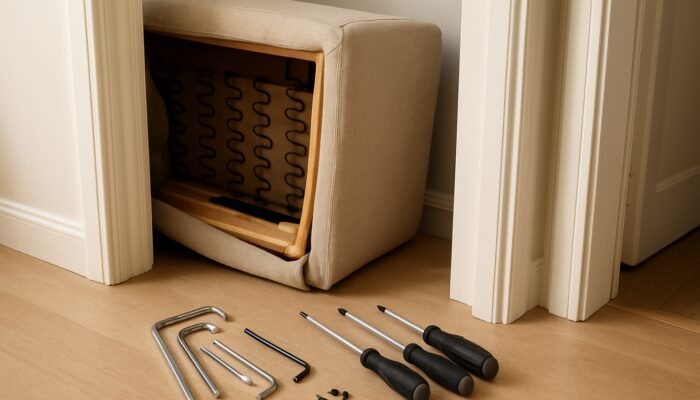
When selecting tools for furniture disassembly in the UK, durability is a key consideration. Tools experience rigorous use, and opting for robust options ensures they can withstand the demands of frequent disassembly tasks. High-quality materials, such as hardened steel, are essential for tools that must endure the rigours of daily use.
The UK market features various brands that offer tools designed for durability. Tools with rubberised grips provide comfort while enhancing their lifespan by reducing wear during extended use. choosing tools that come with warranties can offer peace of mind, ensuring replacements are available if necessary.
Evaluating durability also involves considering the environments in which tools will be used. For instance, tools employed in damp or humid conditions may require additional corrosion resistance. Understanding these factors allows clearance professionals to make informed choices, ensuring that their tools remain reliable over time.
Providing Real-World Examples of Tool Applications
Practical examples from British clearance scenarios can illustrate the effective use of disassembly tools. For instance, during a recent clearance of a Victorian home in London, a combination of screwdrivers and pry bars was employed to dismantle ornate furniture without damaging the intricate woodwork. This experience underscores the importance of selecting the right tools for specific furniture styles.
Another instance involves flat-pack furniture from well-known retailers like IKEA. Utilising an Allen wrench specifically designed for these products can significantly accelerate the disassembly process, allowing clearance teams to manage multiple items efficiently within a short timeframe. Such real-world applications highlight how tailored tools can enhance productivity and minimise the risk of damage.
Adapting tools for various furniture styles is essential. In a recent clearance project in Manchester, a clearance team used a reciprocating saw to safely dismantle a large wooden dining table. This technique not only expedited the process but also ensured that the remaining components were easier to manage and recycle, showcasing the versatility of disassembly tools in practical scenarios.
Evaluating Performance Metrics for Improvement

Analysing performance metrics is crucial for optimising workflows during clearance projects in the UK. Efficiency factors such as time taken for disassembly, tool effectiveness, and worker productivity can significantly influence the overall success of a clearance operation. By evaluating these metrics, professionals can identify areas for improvement and streamline their processes.
For instance, tracking the average time spent disassembling specific furniture types can help teams develop more efficient strategies. If a particular item consistently takes longer to dismantle, it may indicate the need for specialised tools or additional training for personnel. Continuous assessment allows clearance teams to refine their methods and enhance overall efficiency.
Performance metrics can extend beyond individual tasks to encompass entire projects. By analysing the time and resources allocated to various clearance tasks, professionals can make informed decisions about future projects. This data-driven approach ensures that teams remain competitive and capable of meeting client expectations in a rapidly evolving market.
Best Practices for Tool Maintenance
Proper maintenance of furniture disassembly tools is vital for ensuring their longevity and performance. Regular care routines, including lubrication and thorough inspections, help maintain tool functionality, particularly in the variable climate conditions across the United Kingdom. For instance, tools used in damp environments may require more frequent checks for rust and corrosion.
Establishing a consistent maintenance schedule can prevent minor issues from escalating into significant problems. For example, regularly oiling moving parts can ensure that tools operate smoothly, reducing the risk of accidents during disassembly. inspecting tools for wear and tear allows professionals to replace or repair items before they fail during critical tasks.
Storage solutions also play a crucial role in tool maintenance. Tools should be stored in a dry, secure location to prevent damage from environmental factors. Using toolboxes or racks can help keep items organised and easily accessible, streamlining the disassembly process during clearances. By adhering to these best practices, professionals can maximise the lifespan of their tools and maintain high standards of safety and efficiency.
Assessing Cost-Effectiveness of Tool Investments
Investing in high-quality disassembly tools can yield significant long-term savings for clearance companies operating in the UK. Although initial costs may be higher, durable equipment reduces the frequency of replacements, ultimately enhancing overall project efficiency. This cost-effectiveness is particularly relevant in a competitive market where time translates to money.
For example, a clearance company that invests in robust tools may find they complete projects more swiftly, reducing labour costs associated with extended job durations. reliable tools minimise downtime caused by equipment failure, allowing teams to maintain productivity levels across various property types.
High-quality tools often come with warranties, providing additional financial protection. This assurance can offset the initial investment, making it a strategic choice for businesses looking to optimise their operations. By prioritising quality over cost, clearance professionals can ensure they are equipped to handle a wide range of tasks effectively and efficiently.
How Can You Select Appropriate Tools for Clearances?
Comparing Material Strengths for Optimal Selection
When selecting tools for furniture disassembly in the UK, comparing material strengths is crucial. Steel and alloy options each have their own advantages and disadvantages, influencing their suitability for specific tasks. Steel tools are known for their durability and strength, making them ideal for heavy-duty disassembly tasks.
Conversely, alloy tools often offer a lighter weight, beneficial for prolonged use. For example, using alloy tools can reduce user fatigue during extensive clearance projects, enhancing overall productivity. Evaluating the specific requirements of the furniture being disassembled will help determine which material is most appropriate for each task.
Considering the types of fasteners commonly found in UK furniture can guide material selection. Steel tools may be more effective for dealing with stubborn screws and bolts, while alloy tools might suffice for lighter, less demanding tasks. Understanding these differences allows clearance professionals to make informed decisions that enhance the efficiency and safety of their operations.
Prioritising Ergonomic Designs for Worker Safety
Focusing on ergonomic designs in furniture disassembly tools is essential for reducing strain and enhancing user safety during extended sessions in UK homes. Tools featuring comfortable grips and balanced weights can significantly improve the overall disassembly experience, making it easier for professionals to complete tasks without discomfort.
For instance, tools with padded handles can reduce hand fatigue, allowing workers to maintain focus and efficiency throughout the clearance process. tools designed with optimal weight distribution can minimise the risk of repetitive strain injuries, ensuring that teams can perform at their best without compromising their health.
Investing in ergonomic tools can lead to improved productivity. When workers are comfortable and less fatigued, they can complete tasks more efficiently, ultimately benefiting the overall clearance operation. By considering ergonomic designs, professionals can create a safer and more effective working environment during disassembly tasks.
What Budget-Friendly Options Are Available Locally?
Exploring affordable choices available through British suppliers can facilitate cost-effective planning for furniture disassembly without compromising quality standards. Many local hardware stores offer a range of tools that cater to various budgets, ensuring that clearance professionals can find suitable options to meet their needs.
For instance, discount tool retailers often stock essential items such as screwdrivers and wrenches at competitive prices. many suppliers provide bulk purchasing options, which can further reduce costs for clearance companies looking to equip their teams efficiently. Sourcing from local suppliers not only supports the community but also provides valuable insights into the best tools for specific tasks.
Online platforms like eBay and Amazon offer a vast selection of tools, often at discounted prices. By comparing prices and reading customer reviews, clearance professionals can identify budget-friendly options that meet their requirements. This approach allows teams to balance quality and cost, ensuring they are well-equipped for successful disassembly projects.
Research-Backed Advantages of Furniture Disassembly Tools for Clearances
Enhancing Efficiency in Clearance Operations
Integrating researched methods into furniture disassembly processes can significantly boost efficiency in British properties. Implementing systematic approaches, such as pre-planning and categorising furniture types, allows teams to streamline their workflows. For example, preparing a checklist of tasks ensures that all necessary steps are followed, reducing time spent on each project.
Training staff on best practices for using disassembly tools can lead to improved performance. Educating team members on the most effective techniques enables clearance companies to optimise their operations and minimise errors during disassembly tasks. This focus on continuous improvement ultimately contributes to higher efficiency levels across projects.
Utilising technology, such as mobile apps for inventory management, can aid in tracking items during clearances. By digitising the process, teams can quickly assess what has been disassembled and what remains, leading to better organisation and faster project completion. These research-backed strategies can transform clearance operations, making them more efficient and effective.
Minimising Waste Generation
Targeted disassembly techniques have proven effective in reducing landfill contributions from UK clearances. By concentrating on precise component separation, clearance teams can ensure that reusable or recyclable materials are diverted from waste streams. This approach aligns with current UK environmental regulations and promotes sustainable practices within the industry.
For example, disassembling furniture into its constituent parts allows for the recovery of valuable materials such as wood, metal, and upholstery. These materials can then be recycled or repurposed, lessening the overall environmental impact of clearance operations. Implementing such practices not only benefits the environment but also enhances the reputation of clearance companies committed to sustainability.
Educating staff on the importance of waste reduction can foster a culture of environmental responsibility within clearance teams. Encouraging workers to think critically about how they disassemble and dispose of furniture can lead to innovative solutions that further minimise waste. By prioritising targeted disassembly methods, professionals can contribute to a greener future while optimising their operations.
Improving Safety Protocols During Clearances
Evidence indicates that using specialised tools designed for typical British furniture during clearances can enhance safety protocols. Tools specifically engineered for disassembly tasks reduce the likelihood of accidents and injuries, creating a safer working environment for clearance professionals. For instance, using tools with safety features, such as locking mechanisms, can prevent accidental injuries during use.
Training staff on proper tool usage is another crucial aspect of enhancing safety. Educating team members on how to handle tools correctly helps minimise risks associated with disassembly tasks. This training should include information on recognising potential hazards and implementing safety measures to mitigate them.
Establishing safety protocols, such as wearing appropriate personal protective equipment (PPE), can significantly reduce the risk of injury during clearance operations. Ensuring that all team members are equipped with gloves, goggles, and other safety gear fosters a culture of safety prioritising workers’ well-being. By focusing on these aspects, clearance professionals can enhance safety and efficiency in their operations.
What Safety Measures Should Be Implemented?
Utilising Protective Gear
The use of protective gear is essential when handling disassembly tasks in clearance environments, in line with UK safety guidelines. Items such as gloves and goggles are crucial for safeguarding workers against potential injuries. Gloves protect hands from sharp edges, while goggles shield eyes from debris that may be dislodged during disassembly.
To gloves and goggles, other protective equipment, such as hard hats and knee pads, may be necessary depending on the specific tasks being performed. For instance, working with large pieces of furniture may require additional head protection to prevent injuries from falling objects. Ensuring that all team members are equipped with the appropriate PPE is vital for maintaining safety standards during clearance operations.
Regular training on the importance of wearing protective gear can reinforce a culture of safety within clearance teams. By emphasising the need for PPE, companies can reduce the likelihood of accidents and ensure that workers remain vigilant during disassembly tasks. Prioritising safety measures not only protects personnel but also enhances overall efficiency during clearance operations.
Ensuring Secure Work Areas
Establishing stable work zones is crucial for preventing accidents in domestic British settings during furniture disassembly tasks. A well-organised workspace allows clearance teams to move freely and safely, minimising the risk of trips and falls. Clear pathways should be maintained, ensuring that tools and materials are stored appropriately to avoid clutter.
Securing work areas involves assessing the surrounding environment for potential hazards. For instance, ensuring that floors are dry and free from obstacles can significantly reduce the risk of accidents. Implementing safety barriers or warning signs can further enhance safety, particularly in residential settings where the public may be present.
Encouraging team members to participate in securing work areas fosters a sense of responsibility and awareness. By promoting ownership of their environment, companies can create a culture of safety prioritising the well-being of all personnel. This proactive approach ultimately contributes to smoother and safer clearance operations.
Conducting Regular Tool Inspections
Routine inspections of tools are essential for maintaining reliability and supporting secure operations throughout clearance activities. Regular checks allow professionals to identify any wear or damage that could compromise tool performance. For instance, inspecting the sharpness of blades or the integrity of handles can prevent accidents during disassembly tasks.
Establishing a maintenance schedule ensures that tools are consistently checked and cared for. This may include cleaning tools after use, lubricating moving parts, and promptly replacing any worn components. By prioritising tool maintenance, clearance companies can enhance safety and efficiency during operations.
Involving team members in the inspection process fosters a culture of accountability. Encouraging workers to take responsibility for their tools not only improves safety but also enhances overall performance. By regularly checking tool conditions, clearance professionals can ensure that their equipment remains reliable and ready for use.
Careful Handling of Hazardous Materials
Proper identification and careful disposal of potentially harmful materials are critical for compliance with current British environmental regulations. During disassembly, clearance teams may encounter items such as old paints, adhesives, or electronic components that require special handling. Understanding the regulations surrounding these materials is essential for ensuring safe clearance operations.
For instance, hazardous waste must be disposed of in accordance with local guidelines, often involving taking items to designated disposal sites. Providing training for team members on recognising and handling hazardous materials ensures that clearance operations remain compliant with legal requirements. This knowledge not only protects workers but also safeguards the environment.
Implementing clear protocols for handling hazardous materials can streamline the process. By establishing guidelines for identifying, storing, and disposing of these items, clearance teams can minimise risks and enhance overall safety during disassembly tasks. Prioritising proper handling of hazardous materials is essential for maintaining a safe and compliant clearance operation.
Proven Strategies for Tools Used in Furniture Disassembly
Providing Real-World Examples from UK Projects
Expert analysis of proven approaches that optimise outcomes in British clearance contexts can offer valuable insights for professionals. For example, during a recent clearance project in Birmingham, a team employed a systematic approach to disassemble large furniture pieces efficiently. By assigning specific roles to team members, they maximised productivity and reduced the time spent on each task.
An effective strategy also involved using colour-coded labels for different furniture components. This method allowed the team to quickly identify and sort items for recycling or donation, streamlining the disassembly process. Such real-world examples demonstrate how implementing organised systems can lead to improved efficiency and outcomes during clearance operations.
Incorporating feedback from team members can enhance strategies for disassembly. By encouraging workers to share their experiences and suggestions, clearance companies can pinpoint areas for improvement and refine their processes. This collaborative approach fosters a culture of continuous improvement, ultimately leading to better results in future projects.
Streamlining Multi-Step Processes for Improved Workflow
Coordinating sequences improves workflow when managing furniture in typical UK residential clearances. Breaking down the disassembly process into manageable steps allows teams to focus on specific tasks, reducing the likelihood of errors. For instance, starting with large items and gradually moving to smaller components can create a more organised workflow.
Establishing a clear sequence of tasks also enhances communication among team members. Knowing who is responsible for each step allows workers to collaborate more effectively, ensuring that the disassembly process runs smoothly. This coordination is particularly important in larger clearance projects where multiple teams may be involved.
Using checklists to track progress can help maintain accountability and ensure that all tasks are completed. A clear visual representation of what has been accomplished enables teams to stay focused and motivated throughout the clearance process. Streamlining multi-step processes ultimately leads to more efficient and successful disassembly operations.
Adapting to Different Furniture Styles
Flexible methods are essential for catering to the diverse items encountered in British properties during clearances. Each furniture style presents unique challenges, and having a range of disassembly techniques allows teams to adapt to various situations. For instance, traditional wooden furniture may require more careful handling compared to modern flat-pack items.
Incorporating a variety of tools and techniques into the disassembly process enables clearance teams to respond effectively to different furniture types. For example, using a combination of screwdrivers, pry bars, and saws can ensure that each item is dismantled safely and efficiently. This adaptability is crucial for maintaining productivity and minimising the risk of damage.
Training staff on how to approach different furniture styles can enhance overall performance. By equipping team members with the skills to handle various items, clearance companies can ensure they are well-prepared for any situation. Adapting to varied furniture styles ultimately leads to more successful clearance operations and satisfied clients.
Where to Source Tools Locally in the UK
Exploring Specialist Retailers for Quality Tools
Visiting dedicated stores provides access to quality items tailored for UK clearance needs. Specialist retailers often offer a curated selection of tools specifically designed for disassembly tasks, ensuring that clearance professionals can find the right equipment for their projects. These stores may also provide expert advice on the best tools for specific furniture types.
To physical stores, many specialist retailers have online platforms that facilitate easy browsing and purchasing. This accessibility enables clearance teams to compare prices and read reviews before making decisions. By sourcing tools from reputable retailers, professionals can ensure they are investing in high-quality equipment that meets their needs.
Attending local trade shows or industry events can also provide opportunities to discover new tools and techniques. These events often feature demonstrations and workshops, allowing clearance professionals to learn about the latest innovations in disassembly tools. By exploring specialist retailers and engaging with the community, clearance teams can enhance their operations and stay informed about industry trends.
Which Online Platforms Are Reliable for Tool Purchases?
Reviewing trusted websites ensures the delivery of suitable tools for British users engaged in disassembly work. E-commerce platforms like Screwfix and Toolstation offer a wide selection of tools at competitive prices, catering specifically to the needs of professionals in the UK. These platforms often provide detailed product descriptions and customer reviews to assist in decision-making.
Larger online retailers such as Amazon and eBay feature a vast range of tools, often including user feedback and ratings. This information can help clearance professionals identify reliable options that meet their requirements. By leveraging these platforms, teams can easily source high-quality disassembly tools without compromising on quality.
Many online retailers offer fast shipping options, ensuring that teams can receive their tools promptly. This efficiency is crucial for clearance operations that may have tight deadlines. By utilising reliable online platforms, clearance professionals can streamline their tool procurement process and enhance their overall efficiency.
Checking Local Regulations for Compliance
Verifying compliance with standards supports the legal use of tools during clearances in the UK. Each region may have specific regulations governing the use of certain tools, particularly those that may pose safety risks. Understanding these regulations is essential for ensuring that clearance operations remain compliant and safe.
For example, certain power tools may require specific safety certifications, and using unapproved equipment could lead to legal repercussions. Clearance professionals should familiarise themselves with local guidelines and ensure that all tools used during disassembly meet the necessary standards. This diligence protects workers and enhances the reputation of clearance companies.
Keeping abreast of changes in regulations is also vital for maintaining compliance. Regularly reviewing local laws and industry standards can help teams stay informed about any updates that may affect their operations. By prioritising compliance, clearance professionals can ensure that their disassembly processes are both safe and legally sound.
Final Considerations for Effective Tool Use
Ensuring Proper Equipment Maintenance
Regular care extends the lifespan of tools for ongoing British clearance applications. Proper maintenance routines, including cleaning and lubrication, are essential for ensuring that disassembly tools remain functional and reliable. By investing time in equipment care, clearance professionals can prevent costly replacements and enhance overall efficiency.
Establishing a maintenance schedule helps ensure that tools are consistently checked and serviced. This may involve inspecting tools for wear and tear, replacing damaged components, and cleaning after each use. By prioritising proper maintenance, clearance teams can maximise the lifespan of their equipment while maintaining high safety standards.
Involving team members in the maintenance process fosters a sense of ownership and responsibility. Encouraging workers to care for their tools not only improves safety but also enhances overall performance. By maintaining equipment properly, clearance professionals can ensure they are well-equipped for successful disassembly operations.
Investing in Team Training
Developing skills among staff enhances performance in UK-based disassembly tasks. Comprehensive training programmes focusing on tool usage, safety protocols, and effective disassembly techniques can significantly improve team efficiency. By investing in employee development, clearance companies can ensure that their workforce is well-prepared for the challenges of disassembly work.
Training should encompass both theoretical knowledge and practical experience. Providing hands-on training sessions allows team members to familiarise themselves with tools and techniques in a controlled environment. This experiential learning fosters increased confidence and competence when tackling real-world disassembly tasks.
Ongoing training and development opportunities can help keep staff informed about industry trends and innovations. Encouraging team members to attend workshops or seminars fosters a culture of continuous improvement within clearance teams. By prioritising training, companies can enhance their operations and ensure successful disassembly projects.
Reviewing Project Outcomes for Future Improvements
Assessing results refines future strategies for furniture clearances. Conducting post-project reviews allows clearance teams to evaluate their performance and identify areas for improvement. By reflecting on what worked well and what could be enhanced, professionals can develop more effective strategies for future disassembly tasks.
Key metrics to consider during reviews include time spent on disassembly, tool effectiveness, and overall team performance. By analysing these factors, clearance companies can pinpoint specific areas that may require adjustments, whether it’s investing in new tools or refining training programmes. This data-driven approach ensures that teams remain competitive and capable of meeting client expectations.
Involving team members in the review process fosters a sense of accountability and collaboration. Encouraging workers to share their experiences and insights can lead to valuable discussions that drive continuous improvement. By regularly reviewing outcomes, clearance professionals can enhance their operations and achieve better results in future projects.
Complying with Safety Standards
Adhering to strict health and safety guidelines minimises risks to personnel and the public during disassembly and removal processes. In the UK, compliance with safety regulations is essential for ensuring that clearance operations are conducted safely and responsibly. This includes adhering to guidelines for tool usage, personal protective equipment, and securing work areas.
Establishing clear safety protocols is crucial for maintaining a safe working environment. This may involve conducting risk assessments before each project, ensuring that all team members are aware of potential hazards, and implementing measures to mitigate risks. By prioritising safety, clearance professionals can create a culture of accountability that promotes the well-being of workers and clients alike.
Regular training on health and safety practices can also reinforce the importance of compliance within clearance teams. By keeping safety at the forefront of operations, companies can minimise the likelihood of accidents and ensure smooth, secure, and efficient furniture clearance operations at all times. Adhering to safety standards is not just a legal requirement; it is a fundamental aspect of successful clearance practices.
Frequently Asked Questions
What tools are essential for furniture disassembly?
Essential tools for furniture disassembly include screwdrivers, Allen wrenches, pry bars, and adjustable wrenches. Each tool serves a unique purpose, making them vital for efficiently dismantling various types of furniture.
How can I ensure my tools last longer?
To extend the lifespan of your tools, regularly clean and lubricate them, inspect for wear, and store them in a dry, secure location. Proper maintenance is key to ensuring reliable performance over time.
What safety gear should I wear during disassembly?
During disassembly, it’s important to wear gloves, goggles, and other protective gear like hard hats or knee pads, depending on the task. This gear helps prevent injuries and ensures compliance with safety regulations.
How do I handle hazardous materials?
Identify hazardous materials and follow local environmental regulations for their disposal. Proper training on handling these materials is essential to ensure safety and compliance during clearance operations.
What are the benefits of using ergonomic tools?
Ergonomic tools reduce strain during extended use, enhancing comfort and safety. They can prevent repetitive strain injuries, allowing workers to maintain productivity while minimising discomfort.
Where can I find budget-friendly tools in the UK?
Budget-friendly tools can be found at local hardware stores, discount retailers, and online platforms like Screwfix and Toolstation. Comparing prices and reading reviews can help you find quality options.
How often should I inspect my tools?
Tools should be inspected regularly, ideally after each use. Routine checks for wear, damage, and cleanliness help ensure reliability and safety during disassembly tasks.
What should I do if a tool breaks during use?
If a tool breaks during use, stop working immediately and assess the situation. Replace the broken tool with a spare if available, and report the incident to ensure safety and prevent further issues.
Can I recycle furniture components?
Yes, many furniture components can be recycled, such as wood, metal, and upholstery. Properly separating these materials during disassembly helps reduce waste and promotes environmental sustainability.
What training should my team receive?
Your team should receive training on tool usage, safety protocols, and effective disassembly techniques. Continuous education fosters skill development and ensures that workers are prepared for various clearance tasks.