Comprehensive Legal Framework for House Cleaning in the UK
What Are the Essential Regulations Governing House Cleaning in the UK?
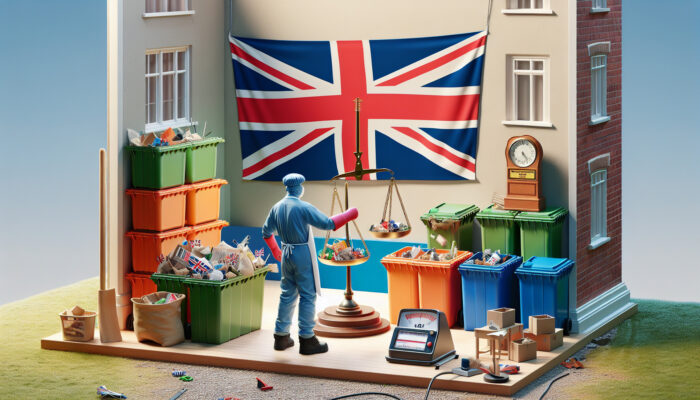
In the UK, the field of house cleaning is subject to an array of regulations designed to promote safety and environmental protection. The Waste (England and Wales) Regulations 2011 mandate the responsible management of waste, stipulating specific protocols for the disposal of household refuse, particularly concerning hazardous materials. Non-compliance with these regulations can lead to substantial fines imposed by local authorities. Additionally, the Environmental Protection Act 1990 delineates the obligations of cleaning businesses in waste management, emphasising the need for reduction, reuse, and recycling wherever feasible. Adhering to these regulations not only safeguards the environment but also ensures that cleaning practices are legally sound and ethically responsible.
Another pivotal piece of legislation is the Control of Substances Hazardous to Health (COSHH) Regulations 2002, which mandates that businesses assess and manage risks linked to hazardous substances, including various cleaning chemicals. Furthermore, the Health and Safety at Work Act 1974 imposes a duty on employers to safeguard the health and safety of employees and any individuals impacted by their operations. This underscores the necessity for rigorous training and risk assessment in cleaning routines to prevent accidents and injuries from occurring.
Essential Steps to Conducting a Thorough Initial Assessment
Undertaking an initial assessment is crucial when embarking on post-house clearance cleaning. This procedure involves a meticulous examination of the property, aimed at identifying potential hazards and formulating effective cleaning strategies. Documenting findings accurately is vital, as this documentation serves as the foundation for subsequent actions and compliance with health and safety regulations.
A thorough assessment should specifically target hazards that may exist in older UK homes, such as:
- Asbestos in insulation materials
- old wiring that may present electrical risks
- Lead paint in properties constructed prior to 1978
- Mould and damp issues
- Chemical residues from cleaning products
- Structural weaknesses or debris
- Potential biohazards, particularly in properties once occupied by vulnerable individuals
By meticulously identifying these prevalent hazards, cleaning professionals can devise a targeted cleaning plan that complies with legal standards while ensuring the safety of both workers and future occupants.
Preparing and Maintaining Essential Documentation
Maintaining comprehensive documentation is a fundamental aspect of post-clearance house cleaning, particularly in the UK where health and safety regulations demand accountability. Accurate records not only protect cleaning businesses and property owners in the event of legal disputes but also demonstrate compliance with statutory requirements.
Documentation should encompass a detailed log of cleaning activities, including dates, types of services rendered, materials utilised, and any incidents or hazards encountered during operations. It is also prudent to retain records of any training sessions attended by cleaning staff, along with any certifications obtained. Such documentation can prove invaluable during inspections or audits conducted by local authorities.
Moreover, ensuring that all waste disposal is meticulously recorded—showing how waste was segregated, stored, and disposed of—can safeguard against potential fines associated with improper waste management. A structured approach to documentation not only bolsters compliance but also fosters trust with clients by showcasing professionalism and reliability in service delivery.
Understanding the Importance of Insurance for Cleaning Businesses
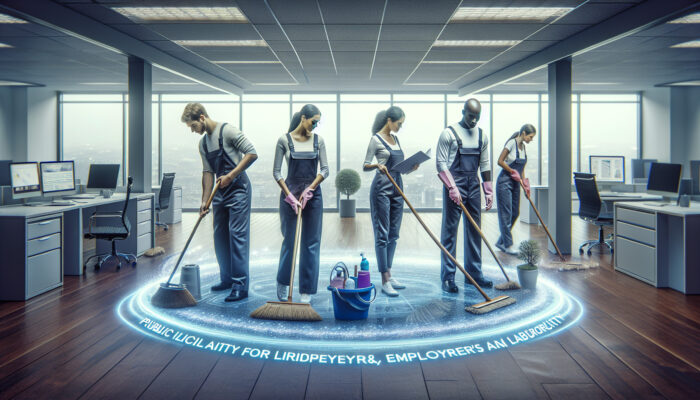
For cleaning enterprises in the UK, obtaining suitable insurance is not merely a recommended practice; it is a legal necessity. Public liability insurance is crucial as it covers claims made by third parties for injuries or property damage that occur during cleaning operations. This insurance protects businesses from potentially costly legal disputes that could harm their reputation.
Additionally, employers’ liability insurance is mandatory for businesses with employees, as it covers claims made by staff who may suffer injuries or illnesses while performing their duties. This compliance with legal stipulations insulates businesses from the financial repercussions of injuries sustained during cleaning activities.
Furthermore, cleaning businesses should contemplate obtaining professional indemnity insurance, which safeguards against claims arising from negligence or failure to deliver promised services. This form of insurance provides a safety net that not only ensures legal compliance but also promotes long-term business sustainability.
Critical Legal Considerations for Cleaning Operations
How Can Hazardous Materials Be Handled Safely?
The handling of hazardous materials during post-house cleaning is regulated by stringent UK laws aimed at preventing environmental contamination and protecting the health of workers and residents. The Hazardous Waste (England and Wales) Regulations 2005 specify detailed procedures for identifying, classifying, and disposing of hazardous waste. Cleaning professionals must be trained to recognise hazardous materials, including chemicals, asbestos, and biological waste, ensuring proper handling practices are followed.
The initial step in safely managing hazardous materials involves performing a detailed assessment of the property to identify any potential hazards. Once identified, these materials must be segregated from non-hazardous waste to avert cross-contamination. Certified waste carriers are mandated for the transportation of hazardous materials to ensure safe disposal at licensed facilities.
Utilising appropriate personal protective equipment (PPE) is vital when dealing with hazardous substances. This may encompass gloves, masks, and protective eyewear to minimise exposure. Furthermore, maintaining clear communication about the presence of hazardous materials is essential to ensure that all personnel are aware of potential risks. Adhering to these guidelines not only meets legal obligations but also cultivates a culture of safety within the cleaning operation.
What Permits Are Commonly Required for Cleaning Operations?
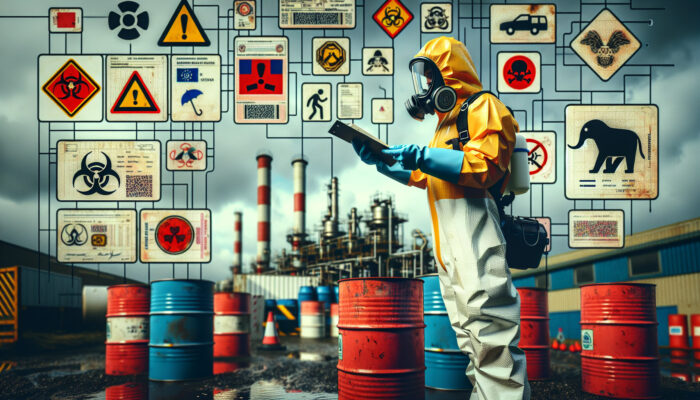
In the UK, professional cleaning services may necessitate specific permits to operate legally, especially when undertaking large-scale clean-ups or dealing with hazardous materials. The type of permits required often hinges on the scope of the work and the materials involved.
A frequently encountered requirement is a waste carrier’s licence, which is essential for businesses that transport waste. This licence ensures that waste is handled in accordance with environmental regulations and helps prevent illegal dumping. Additionally, if a cleaning operation involves the use of certain chemicals or solvents, businesses may need to register under the Control of Substances Hazardous to Health (COSHH) regulations.
Local councils may also impose specific permits for commercial cleaning activities, particularly if work occurs in public areas or involves significant modifications to the property. It is imperative for cleaning businesses to consult with their local authority to ensure they possess all necessary permits before commencing work. This proactive approach not only guarantees legal compliance but also fosters positive relationships with local regulatory bodies.
Why Is Collaboration with Local Authorities Crucial?
Collaborating with local authorities is a vital aspect of executing legal post-clearance cleaning operations in the UK. When planning extensive clean-ups, particularly in urban settings, notifying local environmental agencies can help ensure adherence to both national and local standards.
Engagement with local authorities enables cleaning businesses to grasp any specific regulations or requirements pertinent to their activities. For instance, if cleaning operations disrupt public access or involve street cleaning, prior arrangements and permits may be necessary. Establishing communication with local councils not only aids in adhering to legal standards but can also assist in securing support or resources that enhance cleaning efforts.
Moreover, local authorities frequently provide guidance on best practices for waste disposal and recycling, which can be beneficial for cleaning businesses striving to minimise their environmental impact. By working collaboratively, cleaning companies and local authorities can foster a sense of community responsibility, ensuring that cleaning activities positively contribute to the neighbourhood.
What Steps Ensure Compliance with UK Cleaning Standards?
How Can Compliance with UK Standards Be Achieved in Cleaning?
Achieving compliance with UK standards in legal cleaning necessitates a structured approach that aligns with the guidelines established by the British Standards Institution (BSI). The BSI delineates various standards that cleaning services must adhere to, ensuring that cleanliness and hygiene are maintained throughout the cleaning process.
The initial step is to become acquainted with relevant BSI standards, which may include BS EN 13549 for cleaning services or ISO 9001 for quality management systems. Implementing these standards necessitates that businesses develop and document cleaning protocols that define specific procedures, including methods for handling hazardous materials, waste disposal practices, and staff training programmes.
Regular training and assessment of cleaning staff are imperative for maintaining compliance. Employees should be educated on the importance of adhering to established protocols and should have access to essential resources, such as safety data sheets for cleaning chemicals. Conducting regular audits and inspections of cleaning practices can help pinpoint areas for improvement and ensure continuous adherence to legal standards.
Additionally, establishing a reporting system for incidents and near misses allows cleaning businesses to proactively address potential issues, fostering a culture of accountability and continuous improvement. By implementing these steps, cleaning companies can not only fulfil legal requirements but also enhance the quality and safety of their services.
Identifying and Mitigating Potential Legal Pitfalls
Navigating the complexities of post-clearance cleaning in the UK necessitates vigilance in identifying potential legal pitfalls that may arise during operations. Common issues include improper waste segregation, non-compliance with health and safety regulations, and inadequately trained staff.
One significant concern is the incorrect disposal of hazardous waste, which can lead to severe legal ramifications, including fines or prosecution. Cleaning professionals must ensure they are well-versed in local waste management laws and that all waste is accurately classified and disposed of. Implementing a robust waste management strategy, complete with clear guidelines for sorting and storing different types of waste, is essential.
Another common pitfall is neglecting proper training for cleaning staff. Without sufficient training in health and safety protocols, employees may inadvertently expose themselves to risks, resulting in accidents or injuries. Investing in comprehensive training programmes, including regular refreshers, not only mitigates risks but also underscores a commitment to compliance.
To address these legal pitfalls, cleaning businesses should conduct regular risk assessments, implement rigorously enforced policies, and maintain open communication with regulatory bodies. By fostering an environment of compliance and safety, businesses can significantly reduce the likelihood of legal issues arising during post-clearance cleaning.
Utilising Tools for Tracking Legal Compliance
Tracking legal adherence in post-house clearance cleaning is essential for ensuring compliance with UK regulations. Numerous tools and resources are available to assist cleaning businesses in monitoring their practices and maintaining necessary documentation.
One effective tool is specialised software designed for cleaning management, which allows businesses to log cleaning activities, track waste disposal, and manage staff training records. These platforms often feature auditing capabilities that aid in identifying areas for improvement in adherence to legal standards.
Additionally, leveraging mobile applications for incident reporting and conducting inspections can streamline the compliance tracking process. Staff can easily document any issues or hazards encountered during cleaning, enabling management to review and address these concerns promptly.
Establishing a compliance checklist can also be beneficial. This checklist should encompass all legal requirements pertinent to cleaning operations, including documentation of waste disposal, training records, and safety assessments. Regularly reviewing and updating this checklist ensures that cleaning businesses remain compliant and are well-prepared for potential audits.
By integrating these tools into daily operations, cleaning companies can enhance their capacity to demonstrate compliance and ensure a systematic approach to maintaining high standards in their services.
Why Professional Training and Certifications Are Essential
Professional training and certifications play a pivotal role in ensuring that cleaning staff in the UK adhere to legal standards and best practices in their operations. Training equips employees with essential skills while fostering a culture of safety and compliance within the cleaning industry.
Certification programmes, such as those provided by the British Institute of Cleaning Science (BICSc), offer in-depth knowledge of cleaning techniques, health and safety regulations, and environmental considerations. By encouraging staff to obtain these certifications, cleaning businesses can ensure that their teams are well-informed about the legal obligations they must uphold while performing their duties.
Moreover, ongoing training is critical for keeping staff updated on changes in legislation and best practices. Regular training sessions can address topics such as hazardous waste handling, the use of cleaning chemicals, and emergency procedures. This proactive approach to training reinforces a commitment to compliance and enhances the overall quality of cleaning services provided.
Additionally, having a workforce that is trained and certified can serve as a significant selling point for cleaning businesses. Clients are more likely to trust companies that prioritise staff training and legal compliance, which can lead to increased customer satisfaction and loyalty. By investing in professional development, cleaning businesses can enhance their reputation and ensure long-term success in a competitive market.
Expert Insights and Legal Cleaning Tips for Post-House Clearance
What Are Some Successful UK Case Studies in Legal Cleaning?
Successful real-world examples from UK property clean-ups demonstrate how cleaning professionals can navigate legal hurdles while delivering thorough results. One notable case involved a cleaning company contracted to clear a derelict property in Manchester. The property had languished vacant for several years, accumulating significant waste and presenting numerous hazards, including asbestos and mould.
Prior to initiating work, the cleaning team executed a comprehensive risk assessment, pinpointing potential dangers and ensuring compliance with health and safety regulations. They collaborated with licensed waste carriers to guarantee that hazardous materials were disposed of correctly and in accordance with local laws.
Throughout the cleaning process, the team meticulously documented their activities, maintaining records of waste disposal, cleaning methods, and staff training sessions. This meticulous attention to detail ensured compliance and provided the property owner with peace of mind, knowing that all legal requirements had been met.
By adhering to a structured approach and prioritising compliance, the cleaning company successfully transformed the property into a safe and habitable space, underscoring the importance of legal adherence in achieving positive outcomes in post-clearance cleaning.
What Are Best Practices for Engaging Professional Cleaners?
Engaging certified cleaning professionals is paramount for ensuring legal compliance and efficiency in post-house clearance cleaning. Hiring qualified staff with relevant certifications, such as those from the British Institute of Cleaning Science (BICSc), can significantly enhance the quality of cleaning services provided while ensuring adherence to UK regulations.
When selecting professional cleaners, property owners should seek companies with a proven track record of compliance and safety. Evaluating certifications, insurance coverage, and client testimonials can provide valuable insights into a company’s commitment to legal standards.
Moreover, involving professionals who are knowledgeable about local laws and regulations can prevent potential legal issues from arising during the cleaning process. These experts can offer guidance on waste management practices, safe handling of hazardous materials, and necessary permits required for the job.
Establishing open communication with cleaning professionals is also essential. Property owners should discuss their expectations, specific requirements, and any concerns regarding compliance with their cleaning service. This collaborative approach ensures that all parties are aligned, minimising the risk of misunderstandings and enhancing the overall efficiency of the cleaning operation.
By prioritising professional engagement and best practices, property owners can achieve thorough and legally compliant post-clearance cleaning, ultimately safeguarding their investments and ensuring a safe environment.
What Are the Long-Term Benefits of Expert Guidance in Cleaning?
Consulting UK specialists in post-house clearance cleaning provides numerous long-term advantages that extend beyond immediate compliance. Engaging experts can help property owners avoid pitfalls associated with legal standards while implementing effective cleaning strategies tailored to their specific needs.
A significant benefit of expert guidance is the ability to proactively identify and address potential issues. Cleaning specialists possess in-depth knowledge of the latest regulations and best practices, enabling them to offer advice on waste management, safety protocols, and effective cleaning methods. This foresight can avert costly fines or legal disputes that may arise from non-compliance.
Furthermore, collaborating with professionals can result in improved operational efficiency. Experts can streamline cleaning processes, ensuring that tasks are executed swiftly and effectively without compromising safety. This efficiency is particularly advantageous in situations where time is of the essence, such as preparing a property for new occupants.
Additionally, ongoing collaboration with cleaning specialists fosters a culture of compliance and accountability. Regular consultations can keep property owners informed about changes in legislation and best practices, ensuring that their cleaning operations remain aligned with evolving standards. This commitment to legal adherence not only protects property investments but also builds trust with tenants and neighbours, contributing to a positive community reputation.
What Are the Advantages of Following Legal Cleaning Practices?
How Do These Practices Safeguard Property Owners?
Adhering to legal cleaning practices offers substantial protection for property owners in the UK, primarily by reducing liability and preserving the value of their homes. By ensuring that cleaning activities comply with relevant regulations, property owners can mitigate risks associated with accidents, environmental damage, and health hazards.
One of the primary benefits of following legal cleaning practices is the reduction of liability. When cleaning is conducted in accordance with established guidelines, property owners are less likely to face legal claims arising from accidents or injuries occurring on their premises. This proactive approach not only safeguards the owner’s financial interests but also fosters a safe environment for tenants and visitors.
Moreover, maintaining compliance with cleaning regulations aids in preserving property value. Regular and thorough cleaning that adheres to legal standards prevents issues such as mould, pest infestations, and structural damage, which can devalue a property over time. By investing in proper cleaning practices, property owners demonstrate a commitment to maintaining their investments, ultimately enhancing their marketability.
Furthermore, following legal tips promotes positive relationships with neighbours and the community. Compliance with local regulations ensures responsible waste management and contributes to overall community cleanliness, which can elevate property values and improve the quality of life in the area.
How Do Legal Practices Enhance Safety in UK Homes?
Implementing legal cleaning practices is crucial for enhancing safety in UK homes, particularly following a house clearance. Adhering to established regulations significantly reduces health risks for occupants by ensuring that properties are free from hazards and contaminants.
One of the primary ways legal cleaning enhances safety is through the proper handling and disposal of hazardous materials. By following guidelines for identifying and managing substances like asbestos, lead, and chemical residues, cleaning professionals can prevent exposure that could lead to severe health issues. Ensuring that these materials are addressed appropriately protects not only current occupants but also future residents of the property.
In addition, legal cleaning practices incorporate thorough inspections and assessments, which are vital for identifying potential issues such as mould, dampness, and structural weaknesses. Addressing these concerns promptly and effectively helps maintain a safe living environment. This attention to detail can substantially reduce the risk of accidents and health complications linked to poor living conditions.
Moreover, by prioritising safe cleaning methods and utilising approved products, cleaning professionals contribute to a healthier indoor environment. This commitment to safety underscores the significance of legal cleaning practices, which ultimately protect the well-being of all who enter the home.
How Do Proper Methods Result in Cost Savings?
Adhering to legal cleaning practices not only ensures compliance but also yields significant cost savings for property owners in the UK. By implementing efficient and legally compliant cleaning techniques, property owners can avoid penalties, reduce waste disposal costs, and prolong the life of their properties.
One of the most substantial financial benefits of following legal methods is the avoidance of fines and legal penalties. Non-compliance with waste disposal regulations or health and safety standards can lead to hefty fines from local authorities. By ensuring that all cleaning practices align with legal requirements, property owners can mitigate the risk of incurring these expenses.
Additionally, employing eco-friendly cleaning methods can lead to reduced waste disposal costs. Many local councils offer incentives for recycling and responsible waste management, which can lower overall disposal fees. By incorporating recycling programmes and sustainable practices into cleaning operations, property owners can capitalise on these savings while also demonstrating a commitment to environmental stewardship.
Furthermore, regular cleaning that adheres to legal standards helps maintain the property’s condition, thereby reducing the need for costly repairs or renovations in the future. By investing in proper cleaning techniques, property owners can protect their investments and ensure that their properties remain in excellent condition, ultimately saving money in the long term.
How Do Legal Practices Support Community Standards in the UK?
Following legal cleaning guidelines is vital for upholding community standards in the UK. By adhering to established regulations, property owners and cleaning professionals contribute to responsible waste management, enhanced public health, and maintained property values within the neighbourhood.
One of the primary ways legal cleaning practices support community standards is by fostering a culture of responsibility regarding waste disposal. When cleaning companies follow proper waste management protocols, they help ensure that litter and hazardous materials do not end up in public spaces. This commitment to cleanliness promotes a healthier environment and encourages others in the community to adopt similar practices.
Moreover, maintaining properties in compliance with legal standards contributes to overall neighbourhood aesthetics. Properties that are well-maintained and free of clutter and hazardous materials enhance the visual appeal of the area, positively impacting property values for all residents. A clean and safe environment fosters pride among community members and encourages further investment in local properties.
Additionally, following legal cleaning guidelines helps prevent disputes between neighbours regarding property upkeep and waste management. Clear compliance with regulations reduces the likelihood of conflicts arising from unsightly or hazardous conditions, promoting harmonious relationships among residents. By contributing to the community’s collective well-being, property owners reinforce the importance of cleanliness and compliance in creating a pleasant living environment for all.
Proven Strategies for Legal Cleaning Tips in Post-House Clearance
What Are Key Techniques for Ensuring Thorough Sanitisation?
Ensuring thorough sanitisation during post-house clearance cleaning is essential for maintaining a safe and hygienic environment. Employing UK-approved disinfectants and adhering to established cleaning protocols enhances the effectiveness of cleaning efforts while ensuring compliance with legal standards.
One of the key techniques for thorough sanitisation involves the utilisation of appropriate disinfectants that are certified for effectiveness against a broad spectrum of pathogens. Cleaning professionals should select products that comply with British Standards guidelines, ensuring they meet necessary safety and efficacy criteria. It is imperative to read and follow the manufacturer’s instructions for dilution and contact time to maximise the disinfectant’s effectiveness.
Another vital technique is adopting a methodical approach to cleaning. This includes systematically working from top to bottom, ensuring that dust and contaminants are removed in a manner that prevents the recontamination of already cleaned areas. Utilising microfibre cloths and suitable cleaning tools can enhance the efficiency of the sanitisation process, as these materials are designed to effectively trap dirt and bacteria.
Regularly changing cleaning solutions and tools is crucial to prevent cross-contamination. Cleaning professionals should adhere to a strict schedule for replacing mops, cloths, and solutions, particularly when addressing multiple areas within a property. This practice not only guarantees thorough sanitisation but also aligns with legal requirements to maintain a safe environment.
Incorporating these techniques into standard cleaning practices promotes compliance with health and safety regulations, ultimately resulting in a cleaner and healthier living space for future occupants.
How Can Eco-Friendly Approaches Be Integrated into Cleaning Operations?
Integrating eco-friendly approaches into post-house clearance cleaning can align cleaning operations with environmental policies while maintaining compliance with legal standards in the UK. Emphasising sustainable practices not only benefits the environment but also enhances the reputation of cleaning businesses among eco-conscious clients.
One effective strategy for integrating eco-friendly practices is to utilise biodegradable cleaning products. These products minimise environmental impact while effectively sanitising surfaces, ensuring that harmful chemicals do not infiltrate the local ecosystem. Additionally, sourcing cleaning supplies from local manufacturers can further reduce carbon footprints associated with transportation.
Implementing recycling programmes during cleaning operations is another vital eco-friendly approach. Cleaning professionals should evaluate the waste generated during house clearance and establish clear protocols for separating recyclables from general waste. Collaborating with local recycling facilities guarantees that waste is disposed of responsibly and in accordance with local regulations.
Moreover, adopting water-saving techniques, such as employing high-efficiency cleaning equipment or implementing dry cleaning methods where suitable, can contribute to sustainability efforts. Minimising water usage not only conserves this precious resource but also aligns cleaning practices with broader environmental goals.
By prioritising eco-friendly approaches, cleaning businesses can uphold their legal obligations while promoting a culture of sustainability. This commitment resonates with clients and demonstrates a proactive approach to balancing cleanliness with environmental responsibility.
What Are Effective Strategies for Monitoring Progress?
Monitoring progress effectively is a critical aspect of ensuring compliance with UK best practices in post-house clearance cleaning. Implementing systems to track cleaning activities and evaluate performance can enhance operational efficiency while maintaining adherence to legal requirements.
One effective method for monitoring progress is to establish key performance indicators (KPIs) relevant to cleaning operations. These KPIs may include metrics such as the completion of scheduled cleaning tasks, waste disposal rates, and adherence to safety protocols. Regularly reviewing these indicators can help identify areas for enhancement and ensure that cleaning operations remain on track.
Utilising digital tools and software designed for cleaning management can streamline the monitoring process. These platforms often provide features for scheduling tasks, logging activities, and generating reports, allowing cleaning managers to assess performance in real time. This data-driven approach enhances accountability and ensures that cleaning teams are meeting established standards.
Additionally, conducting regular audits and inspections of cleaning practices can provide valuable insights into areas that may require attention. These audits should assess compliance with legal requirements, quality of cleaning, and adherence to safety protocols. By promptly addressing any identified issues, cleaning businesses can maintain high standards and prevent potential legal pitfalls.
Implementing these monitoring strategies not only enhances compliance but also fosters a culture of continuous improvement within cleaning operations. By remaining diligent in tracking progress, cleaning professionals can ensure that their practices align with both legal requirements and client expectations.
Why Is Legal Cleaning Essential Post-Clearance?
What Legal Consequences Can Arise from Neglecting Cleaning Obligations?
Neglecting post-clearance cleaning obligations in the UK can lead to serious legal consequences for property owners and cleaning businesses. Failing to comply with health and safety regulations, waste disposal laws, and other relevant guidelines can result in fines, legal actions, and even criminal charges.
One of the primary legal repercussions of neglect is the risk of incurring substantial fines from local authorities. Non-compliance with waste management regulations can lead to significant financial penalties that can accumulate, particularly for businesses operating on a larger scale. These fines not only impact financial stability but also harm a company’s reputation and credibility.
In addition to financial penalties, neglecting cleaning responsibilities can expose property owners to liability claims. If a tenant or visitor is injured due to unsafe conditions resulting from inadequate cleaning, property owners may find themselves facing lawsuits or claims for compensation. This can lead to costly legal battles and further complications, especially if negligence is proven.
Moreover, failing to address health and safety concerns can result in enforcement actions from regulatory bodies. This may include mandatory compliance orders requiring immediate remediation of identified issues. In severe cases, continued neglect may lead to criminal charges against property owners or cleaning businesses, underscoring the importance of diligence in adhering to legal obligations.
Ultimately, prioritising legal cleaning practices not only ensures compliance but also mitigates the risk of severe legal consequences, safeguarding both property owners and cleaning professionals.
How to Foster a Culture of Compliance in Cleaning Operations?
Cultivating a culture of compliance within cleaning operations is essential for ensuring adherence to UK regulations and fostering a safe working environment. Establishing clear policies, providing comprehensive training, and promoting accountability are vital components of this culture.
To build a strong compliance culture, cleaning businesses must first develop robust policies that outline legal obligations, safety protocols, and best practices. These policies should be easily accessible to all employees and regularly reviewed to ensure they remain current with any changes in legislation.
Training is a critical aspect of fostering compliance. Staff should receive thorough onboarding that covers legal requirements, safe working practices, and the importance of adhering to established protocols. Ongoing training sessions and refreshers can reinforce the significance of compliance and ensure that all team members remain informed about their responsibilities.
Promoting accountability within the organisation is another crucial element in building a culture of compliance. Establishing clear lines of responsibility and ensuring that team members understand their roles in maintaining compliance fosters a sense of ownership and commitment to safety. Regular performance reviews can help identify areas for improvement and reinforce the importance of legal adherence.
By prioritising these strategies, cleaning businesses can create an environment where compliance is valued and integrated into everyday operations. This proactive approach not only enhances safety and legal adherence but also contributes to the overall success and reputation of the cleaning business.
How Do Community Standards Influence Cleaning Operations?
Community standards play a significant role in shaping the legal obligations of cleaning operations in the UK. Local norms and expectations regarding cleanliness and waste management can influence what is deemed acceptable practice and impact how cleaning businesses operate.
Adhering to community standards is essential for maintaining positive relationships with neighbours and local authorities. When cleaning practices align with community expectations, it reduces the likelihood of disputes and complaints arising from unsightly or hazardous conditions. This compliance fosters goodwill and encourages a collaborative spirit among residents, contributing to the overall quality of life in the neighbourhood.
Moreover, understanding community standards can guide cleaning businesses in tailoring their services to meet local needs. For example, if a community prioritises eco-friendly practices, cleaning companies can adapt their approaches to focus on sustainable cleaning solutions, which can enhance their appeal and attract more clients.
Additionally, local authorities often establish specific regulations regarding waste management and cleaning practices. By being aware of and adhering to these community standards, cleaning professionals can avoid legal penalties and ensure their operations are viewed positively by residents and local officials alike.
By recognising the importance of community standards in shaping cleaning practices, businesses can align their operations with local values and expectations. This not only reinforces compliance but also contributes to a harmonious living environment for all.
Advanced Strategies for Efficient Cleaning Practices
How to Optimise Time During Cleaning Operations?
Optimising time during post-house clearance cleaning is essential for enhancing efficiency while adhering to legal standards in the UK. A strategic approach to cleaning tasks can streamline processes and ensure that operations are completed promptly without compromising quality.
One effective strategy for optimising time is to develop a detailed cleaning schedule that outlines specific tasks and timelines. This schedule should prioritise tasks based on factors such as the size of the property, the level of cleaning required, and any potential hazards that need to be addressed. By breaking down the cleaning process into manageable segments, cleaning teams can work systematically and avoid wasted time.
Additionally, employing the right cleaning tools and equipment can significantly enhance efficiency. Investing in high-quality, ergonomic cleaning tools can reduce physical strain and allow staff to work more effectively. For instance, using vacuum cleaners with powerful suction capabilities can expedite the process of removing dust and debris from carpets and floors.
Training staff to work collaboratively and communicate effectively is also crucial in streamlining processes. Establishing clear roles and responsibilities within the cleaning team ensures that everyone understands their tasks and can coordinate their efforts. Regular team briefings can help align expectations and address any potential issues before they arise.
By implementing these strategies, cleaning professionals can optimise their time during clean-ups, ensuring that tasks are completed efficiently while maintaining compliance with legal requirements.
How to Customise Cleaning Approaches for Different Properties?
Customising cleaning approaches for different types of properties is critical for enhancing effectiveness while ensuring compliance with UK regulations. Each property presents unique challenges and requirements, necessitating tailored strategies that address specific needs and conditions.
When assessing a property, cleaning professionals should consider its age, construction style, and previous usage. For instance, period properties may feature ornate mouldings and delicate fixtures that require gentle cleaning methods to avoid damage. By selecting appropriate tools and techniques, cleaning teams can preserve the integrity of these unique features while achieving thorough cleaning.
For properties that have been vacant for an extended period, additional attention may be necessary to address issues such as mould, pest infestations, or structural damage. Conducting a comprehensive risk assessment before commencing cleaning allows teams to identify specific hazards and develop targeted strategies to effectively mitigate risks.
Furthermore, the intended future use of the property can inform cleaning approaches. For example, if a property is to be rented out, ensuring that it meets health and safety standards for tenants is paramount. This may involve deeper cleaning, pest control, and maintenance checks to ensure compliance with housing regulations.
By customising cleaning strategies to suit the specific characteristics of each property, cleaning professionals can achieve optimal results while adhering to legal obligations. This tailored approach reinforces the importance of understanding the unique needs of each space, ultimately enhancing the quality of cleaning services provided.
How Can Technology Be Incorporated for Better Cleaning Results?
Incorporating technology into post-house clearance cleaning operations can significantly enhance efficiency and effectiveness while ensuring compliance with UK regulations. Modern tools and technologies streamline processes, improve accuracy, and facilitate better communication within cleaning teams.
One of the most impactful technological advancements in cleaning is the use of software designed for cleaning management. These platforms enable businesses to schedule tasks, track cleaning activities, and manage documentation electronically. Features such as automated reminders and reporting tools enhance accountability and ensure that cleaning teams remain on track with their obligations.
Additionally, utilising mobile apps for real-time communication can further streamline operations. Staff can report issues or hazards encountered during cleaning directly to management, facilitating prompt responses and ensuring that safety concerns are addressed immediately. This immediate feedback loop not only enhances safety but also reinforces a culture of compliance.
Furthermore, incorporating advanced cleaning equipment, such as robotic vacuums and high-efficiency machines, can improve cleaning outcomes while reducing labour costs. These tools are designed to clean more effectively and efficiently than traditional methods, allowing cleaning teams to concentrate on more complex tasks while ensuring compliance with health and safety standards.
By embracing technology, cleaning businesses can enhance their operational efficiency, ensuring that their practices align with legal requirements while delivering quality service to clients.
Final Checks and Ongoing Maintenance for Cleaning Compliance
What Steps Ensure All Areas Meet Legal Standards?
Conducting final checks to ensure that all areas of a property meet legal standards is a crucial step in post-clearance cleaning. This process involves a thorough inspection of the property to confirm that cleaning has been completed to the required specifications and that all regulatory obligations have been fulfilled.
Before concluding the cleaning process, it is essential to review the property against relevant health and safety regulations, waste management laws, and cleaning standards established by the British Standards Institution (BSI). This comprehensive review should include checking for any remaining hazards, such as mould, asbestos, or other contaminants, and ensuring that all cleaning methods employed were compliant with legal requirements.
In addition to inspecting for cleanliness, property owners should verify that all necessary documentation is complete. This includes records of waste disposal, cleaning activities, and compliance with health and safety protocols. Maintaining accurate documentation ensures adherence to legal standards and provides a clear record should any questions arise in the future.
Finally, performing a final walkthrough of the property can help identify any areas that may require additional attention. Involving all cleaning staff in this process promotes accountability and reinforces the importance of meeting legal standards throughout the cleaning process.
How to Establish Routine Upkeep Schedules?
Establishing routine upkeep schedules is essential for maintaining a legally compliant and safe living space following post-clearance cleaning. Regular maintenance not only preserves the cleanliness of the property but also helps prevent issues from arising that could lead to legal concerns.
One effective strategy for setting up an upkeep schedule is to create a comprehensive maintenance calendar that outlines specific tasks and timelines. This calendar should encompass daily, weekly, monthly, and annual cleaning and maintenance activities to ensure that all areas of the property receive regular attention.
Regular inspections should also be integrated into the maintenance schedule. These inspections help identify potential hazards, such as leaks, mould, or structural issues, before they escalate into more significant problems. By addressing these concerns proactively, property owners can maintain compliance with health and safety regulations and ensure a safe living environment.
Moreover, involving cleaning professionals in the maintenance process can enhance the effectiveness of upkeep efforts. These experts can provide valuable insights regarding best practices for ongoing cleaning and maintenance, ensuring that routines align with legal obligations.
By prioritising routine upkeep, property owners can sustain the cleanliness and safety of their homes, ultimately protecting their investments and promoting a healthy living environment.
Why Is Documentation Important for Long-Term Compliance?
Maintaining thorough documentation during post-clearance cleaning is critical for ensuring long-term compliance with UK regulations. Proper record-keeping not only supports adherence to legal standards but also provides a robust framework for managing future inspections and audits.
Essential documentation should include comprehensive records of all cleaning activities, waste disposal methods, and any hazardous materials addressed during the cleaning process. This information is vital for demonstrating compliance with health and safety regulations, waste management laws, and cleaning standards established by the British Standards Institution (BSI).
Additionally, documentation serves as a historical record of the property’s condition and cleaning history, which can be invaluable for property owners in the event of disputes or legal claims. Keeping detailed logs of inspections, staff training sessions, and certifications obtained further reinforces accountability and transparency in cleaning operations.
A structured approach to documentation can be achieved by implementing logging systems or utilising software designed for cleaning management. These tools allow businesses to easily store and access records, ensuring that all necessary information is readily available when needed.
Ultimately, prioritising documentation not only ensures long-term compliance with legal standards but also enhances the overall efficiency and professionalism of cleaning operations. By maintaining accurate records, cleaning businesses and property owners can safeguard their interests and uphold a commitment to quality and accountability in their services.
Frequently Asked Questions
What Are the Legal Requirements for Cleaning Businesses Operating in the UK?
Cleaning businesses in the UK must comply with health and safety regulations, waste disposal laws, and obtain necessary permits. This includes having public liability and employers’ liability insurance to protect against legal claims.
What Common Hazards Should Be Monitored During Post-House Clearance Cleaning?
Common hazards include asbestos, old wiring, mould, lead paint, and structural weaknesses. Identifying these hazards is crucial for ensuring safety and compliance during cleaning.
In What Ways Can Proper Documentation Benefit Cleaning Businesses?
Proper documentation provides a clear record of compliance with legal standards and can protect businesses during audits or legal disputes. It enhances accountability and promotes transparency in operations.
What Role Does Training Play in Legal Compliance for Cleaning Staff?
Training ensures that cleaning staff are knowledgeable about legal obligations, health and safety protocols, and effective cleaning techniques. Ongoing training fosters a culture of compliance and safety.
What Are the Consequences of Neglecting Post-Clearance Cleaning Duties?
Neglecting cleaning obligations can lead to fines, legal claims, and enforcement actions from regulatory bodies. It also poses health risks for occupants and can diminish property value.
How Can Technology Improve Compliance in Cleaning Operations?
Technology can streamline operations through cleaning management software, enhance communication among staff, and improve tracking of compliance. It facilitates efficient monitoring and documentation of cleaning processes.
What Eco-Friendly Cleaning Practices Can Be Implemented?
Eco-friendly practices include using biodegradable cleaning products, implementing recycling programmes, and adopting water-saving techniques. These methods align cleaning operations with environmental policies.
Why Is Collaboration with Local Authorities Important for Effective Cleaning Operations?
Collaborating with local authorities ensures compliance with local regulations and helps secure necessary permits. It fosters positive relationships and can provide valuable guidance on best practices.
What Key Performance Indicators Should Be Monitored by Cleaning Businesses?
Key performance indicators may include task completion rates, adherence to safety protocols, waste disposal efficiency, and customer satisfaction levels. Monitoring these metrics can enhance compliance and operational efficiency.
How Does Routine Maintenance Support Legal Compliance in Cleaning?
Routine maintenance helps identify potential hazards and ensures compliance with health and safety regulations. It protects property value and promotes a safe living environment for occupants.