
Mastering the Essentials of Prioritising Items During House Clearances in the UK
How to Identify Valuable Items During UK House Clearances

Evaluating household items for resale value is a crucial aspect of house clearances in the UK. Homeowners should thoroughly inspect the condition of their belongings and assess market demand. British auction platforms and local charity organisations can provide valuable insights into which items may command a higher price. Investigating recent sales of comparable items can clarify their potential worth.
When pinpointing valuable possessions, it is essential to weigh both emotional and financial significance. Some items might not have substantial resale value but could carry immense sentimental weight. Striking a balance between these factors can enhance decision-making during the clearance process. Consulting with local valuers or appraisers can also assist in accurately determining the value of antiques and collectibles.
How to Sort Sentimental Items During House Clearances
Sorting through family heirlooms and cherished possessions is often one of the most emotionally taxing elements of a house clearance. Balancing emotional ties with practical constraints in typical British homes can be challenging. It is vital to involve family members in these conversations to ensure that everyone’s sentiments are acknowledged.
Developing a system for categorising sentimental items can facilitate the sorting process. For example, items can be classified as “keep,” “donate,” or “recycle.” This method not only aids in decision-making but also clarifies what holds genuine significance for the family. Documenting the narratives behind specific items can preserve their legacy even if the physical object is ultimately discarded.
How Can Documentation Enhance Item Prioritisation in UK Clearances?
Keeping detailed records of item origins can significantly streamline decision-making during house clearances. Documentation provides insight into the history and value of possessions, which is particularly beneficial for items with potential resale value. This process also supports compliance with local regulations, especially when dealing with inherited estates.
Effective documentation may encompass photographs, appraisals, and any pertinent certificates. This information not only aids in prioritising items but also serves as a reference for future decisions. having organised records can simplify interactions with professionals involved in the process, such as estate agents or solicitors, ensuring a more efficient clearance operation.
How to Assess the Practicality of Retaining Items During UK Clearances

Evaluating the functionality and overall condition of everyday household items is vital when prioritising possessions during a house clearance. Homeowners should consider whether an item remains operational, how frequently it is used, and if it fits into their future living arrangements. This evaluation can guide choices regarding whether to keep, sell, donate, or recycle items.
In the context of UK clearances, it is also crucial to contemplate the space available in the new living environment. Many individuals downsize during clearances, making it essential to assess which items can realistically be accommodated. By concentrating on practicality, homeowners can simplify their clearance process and lessen the emotional strain associated with parting with belongings.
Expert Perspectives on Prioritising Items During House Clearances in the UK
What Real-World Examples from UK Estate Agents Can Help in Categorising Furniture and Appliances for Clearance?
Estate agents frequently offer valuable advice when categorising furniture and appliances during clearances. For instance, they may recommend focusing on items that are in excellent condition and possess a strong resale market, such as high-quality sofas or well-maintained kitchen appliances. Assessing wear and tear is essential, particularly in damp British climates, where moisture can compromise furniture integrity.
To maximise reuse opportunities, homeowners should consider the age and brand of their items. Well-known brands typically retain value better, while older pieces may need a more thorough evaluation. Collaborating with estate agents can provide actionable strategies for assessing these items, ensuring that homeowners make informed decisions about what to retain, sell, or donate.
How to Ensure Electrical Goods Meet Safety Standards
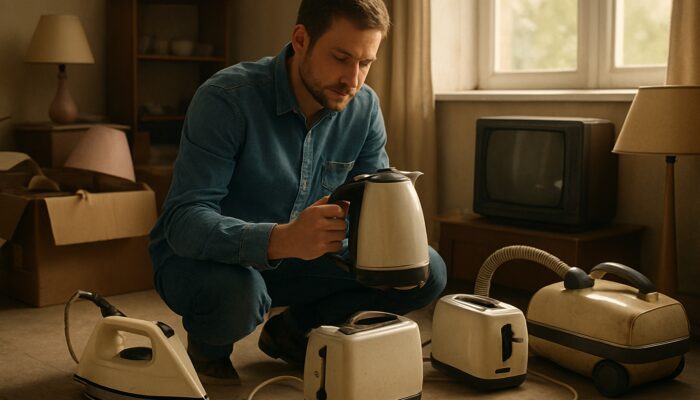
Confirming that electrical goods comply with UK safety regulations is a critical component of house clearances. Homeowners should verify adherence to UK plug and wiring standards before redistributing items through local networks. This includes ensuring that appliances are fully operational and have not been subject to safety recalls.
Beyond safety checks, homeowners should also evaluate the energy efficiency of their electrical items. Older appliances tend to consume more energy, making them less appealing for resale. By prioritising safety and efficiency, homeowners can make responsible choices that protect both their interests and the wellbeing of future users.
What Expert Insights Are Available for Handling Probate Items in UK Clearances?
Managing probate items during UK clearances necessitates a clear understanding of legal timelines and valuation methods. When addressing estates, identifying items subject to probate versus those that can be sold or donated immediately is essential. Consulting a solicitor familiar with British inheritance laws can streamline this process and ensure compliance with legal obligations.
Valuation methods for probate items can vary, often requiring appraisals by certified valuers. This step is crucial for accurately assessing the worth of items for tax purposes. By addressing these legal considerations early, homeowners can avoid complications and facilitate a smoother clearance experience.
How to Evaluate Sentimental Value in Family Heirlooms
Differentiating emotionally significant items from everyday clutter is essential during house clearances. Family heirlooms frequently carry deep sentimental value, making it vital to approach these decisions with care. Applying psychological insights specific to British family dynamics can assist in recognising which items genuinely deserve preservation.
Involving family members in discussions regarding heirlooms can help elucidate their significance. By sharing stories and memories linked to specific items, families can collectively decide what to retain. This collaborative approach not only eases decision-making but also strengthens family connections during what can be a trying time.
How to Consider the Environmental Impact of Discarded Household Items
Evaluating the environmental consequences of discarded household goods is increasingly important during UK clearances. Homeowners should prioritise recyclable materials and adhere to current sustainability regulations to minimise landfill contributions. This may involve separating recyclable items from general waste and identifying local recycling facilities.
Exploring options for donating usable items can also diminish waste and positively impact local communities. Numerous charities in the UK accept furniture and household goods, providing a sustainable alternative to disposal. By considering the environmental implications, homeowners can contribute meaningfully to their communities while managing their clearances responsibly.
How Does Prioritising Items During UK House Clearances Influence Sentimental Value?
How to Balance Emotional Attachment with Practicality
Determining which keepsakes to retain often necessitates consultation with family members to reach a consensus on what to keep versus what to donate. Emotional attachment can complicate these discussions, making it crucial to approach the topic with sensitivity. Open conversations can facilitate families in navigating their feelings and arriving at a collective decision.
Finding equilibrium between practicality and sentimentality is vital throughout this process. Families should evaluate the space available in their new living arrangements and realistically consider how often certain items will be used. This strategy can assist in making challenging decisions while still honouring the memories associated with treasured possessions.
How to Recognise Regional Variations in Item Value
Grasping the differences in antique values across England, Scotland, and Wales can significantly influence prioritisation during clearances. Certain regions may assign higher value to specific styles or periods of furniture, affecting resale potential. Homeowners should investigate local markets to gain a better understanding of these variations.
Engaging with local valuers can yield insights into which items are currently sought after within specific regions. This knowledge can inform decisions about what to keep or sell. By recognising these regional distinctions, homeowners can optimise the value of their possessions during the clearance process.
What Are the Best Storage Solutions for Retained Items?
Exploring British self-storage options provides secure temporary accommodations for selected possessions post-clearance. Numerous companies across the UK offer flexible storage solutions that cater to diverse needs, from small lockers to larger units. This flexibility enables homeowners to retain items without cluttering their new living spaces.
When choosing a storage solution, it is important to consider factors such as accessibility, security, and climate control. Items like furniture and electronics may require specific conditions to prevent damage. By selecting the appropriate storage option, homeowners can ensure that their cherished possessions remain safe and in excellent condition until they are ready to retrieve them.
Proven Strategies for Prioritising Items During House Clearances in the UK
How to Create Priority Categories for Efficient Sorting
Dividing belongings into groups such as keep, sell, and dispose is an effective method for efficient sorting during house clearances. This strategy enables homeowners to tackle the process in an organised manner, alleviating feelings of overwhelm. By establishing clear categories, individuals can streamline their decision-making and focus on one group at a time.
Creating subcategories within these groups can also be beneficial. For instance, items designated for keeping can be further divided into “frequently used” and “sentimental.” This additional layer of organisation simplifies the identification of what is essential and what can be relinquished. By implementing this method, homeowners can navigate the clearance process with increased confidence.
What Are the Key Benefits of Consulting Local Valuers During the Clearance Process?
Consulting local valuers during house clearances presents numerous advantages, such as:
- Accurate assessment of antiques and collectibles
- Expertise in local market dynamics
- Time efficiency in sorting valuable items
- Cost savings by preventing undervaluation
By leveraging the expertise of local valuers, homeowners can make informed choices about what to retain or sell. This knowledge can significantly enhance the clearance process and ensure that valuable items are not overlooked.
How to Manage Hazardous Materials Responsibly
Identifying and disposing of hazardous materials, such as old paints and chemicals, requires adherence to strict British environmental regulations during house clearances. Homeowners should familiarise themselves with local guidelines regarding the disposal of these items to avoid penalties. Many local authorities provide specific instructions for handling hazardous waste.
Proper management of these materials not only ensures compliance but also safeguards the environment. Homeowners should consider using designated drop-off points or professional services that specialise in hazardous waste disposal. This responsible approach contributes to the safety of communities and minimises the environmental impact of house clearances.
What Are the Legal Considerations When Prioritising Items During UK House Clearances?
How to Navigate Data Protection for Personal Documents
Shredding sensitive documents is essential for compliance with United Kingdom privacy laws when clearing residential properties. Homeowners should remain vigilant about personal data contained in items such as bank statements, tax returns, and medical records. Proper disposal of these documents is critical to safeguarding individual privacy and preventing identity theft.
Many local councils offer shredding services or community events to assist residents in safely disposing of personal documents. By taking these precautions, homeowners can ensure adherence to data protection regulations while effectively managing their clearances.
How to Understand Ownership Disputes in Shared Properties
Resolving claims in shared households necessitates reference to British property laws and may require legal counsel from local solicitors. Ownership disputes can complicate house clearances, particularly in cases involving divorce or inheritance. Addressing these issues early in the process is vital to avoiding delays.
Consulting legal professionals can clarify ownership rights and responsibilities. This guidance is essential for navigating complex situations and ensuring that all parties are treated fairly. By comprehending the legal landscape, homeowners can approach their clearances with increased confidence.
How to Dispose of Items with Restricted Status
Handling items with restricted status, such as firearms or certain medications, requires strict adherence to specific United Kingdom regulations. Homeowners must be aware of the laws governing the disposal of these items to avert legal issues. Consulting with local authorities or legal experts can provide clarity on the correct procedures.
It is crucial to approach the disposal of restricted items with caution. Many local police stations and pharmacies offer safe disposal options for firearms and medications. By following the appropriate protocols, homeowners can ensure compliance and contribute to community safety during their clearances.
Implementing Effective Techniques for Prioritisation
How to Logically Schedule Clearance Phases
Breaking tasks into manageable stages can significantly reduce the overwhelm homeowners may feel when managing UK property clearances. Establishing a logical schedule allows individuals to concentrate on one aspect at a time, which makes the process more feasible. For instance, starting with larger items before progressing to smaller belongings can foster a sense of accomplishment.
Setting specific deadlines for each phase can further enhance efficiency. This strategy motivates homeowners to remain focused and prevents procrastination. By logically scheduling clearance phases, individuals can approach the process with assurance and clarity.
Why Partnering with Reputable Local Services is Essential
Choosing licensed British clearance firms guarantees ethical handling and accurate tracking of item destinations. Homeowners should conduct thorough research to identify reputable services that comply with local regulations. This partnership can alleviate the stress associated with clearances, allowing individuals to concentrate on other facets of the process.
Reputable clearance firms frequently provide additional services, such as recycling or donation options. This can enhance the sustainability of the clearance process. By selecting the right partner, homeowners can ensure that their items are managed responsibly and efficiently.
What Are the Key Benefits of Tracking Progress with Digital Tools?
Monitoring progress with digital tools offers several advantages for homeowners during clearances, including:
- Improved accuracy in item categorisation
- Heightened accountability among stakeholders
- Simplified reporting and documentation
- Streamlined communication with clearance services
These benefits contribute to a more organised and efficient clearance process. By utilising technology, homeowners can maintain oversight and ensure that nothing is overlooked throughout their clearances.
How to Establish Clear Criteria for Item Categorisation
Homeowners across the United Kingdom can optimise their clearance efforts by setting explicit guidelines for evaluating each item’s necessity, sentimental value, and overall condition. This approach facilitates quicker prioritisation decisions while minimising emotional stress. By having defined criteria, individuals can approach the process with a sense of purpose and direction.
Creating a checklist that outlines these criteria can prove advantageous. This checklist can include factors such as frequency of use, sentimental attachment, and condition. By adhering to these guidelines, homeowners can make informed decisions that reflect their true priorities, ultimately leading to a more efficient clearance process.
How to Conduct Regular Review Sessions with Stakeholders
Arranging periodic meetings with family members or partners allows for reassessment of priorities based on new information or changing circumstances. This collaborative approach fosters open communication and ensures that everyone’s voice is acknowledged throughout the clearance process. Regular reviews help families stay aligned and adapt to any evolving needs.
Involving stakeholders in these discussions can also strengthen relationships and foster a sense of teamwork. By revisiting decisions and priorities, families can more effectively navigate the emotional challenges of clearances. This ongoing dialogue can help maintain momentum and ensure that the process remains on track.
FAQs
What should I do first when prioritising items during a house clearance?
The first step is to assess the overall situation and devise a plan for sorting items into categories such as keep, sell, donate, or dispose. This initial assessment sets the foundation for the entire clearance process.
How can I ascertain the value of antiques during a clearance?
Engaging with local valuers or researching recent sales online can assist in determining the value of antiques. Understanding market trends and seeking professional appraisals are effective strategies.
What options exist for sentimental items that I cannot keep?
Consider documenting sentimental items through photographs or written accounts. This allows you to preserve the memories associated with them while parting with the physical object.
Are there specific regulations for the disposal of hazardous materials in the UK?
Yes, UK regulations dictate the proper disposal of hazardous materials, such as chemicals and paints. Local councils often provide guidelines and designated drop-off points for safe disposal.
How can I involve family members in the clearance process?
Engage family members by discussing sentimental items and collaboratively establishing categories. This cooperative approach helps ensure that everyone’s feelings are taken into account.
What advantages does a professional clearance service provide?
Professional clearance services can save time, ensure adherence to regulations, and offer expertise in handling various items. They also alleviate stress by overseeing the logistics of the clearance.
How can I guarantee the safety of electrical goods during clearance?
Verify that electrical goods comply with UK safety standards by inspecting plugs and wiring. Ensure that items are operational and have not been recalled for safety concerns.
What should I do if I encounter ownership disputes during a clearance?
Seek legal advice from a solicitor knowledgeable in British property laws. Understanding your rights and responsibilities can facilitate efficient dispute resolution.
How can I track progress during the clearance process?
Utilising digital tools, such as spreadsheets or applications, can aid in tracking progress. These tools enhance accuracy and accountability, making the process more manageable.
What environmentally friendly options are available for disposing of unwanted items?
Consider donating usable items to local charities or recycling centres. Many organisations accept furniture and household goods, promoting sustainability during clearances.