Efficiently Sorting Household Items for Clearances
Evaluating Daily Waste Streams

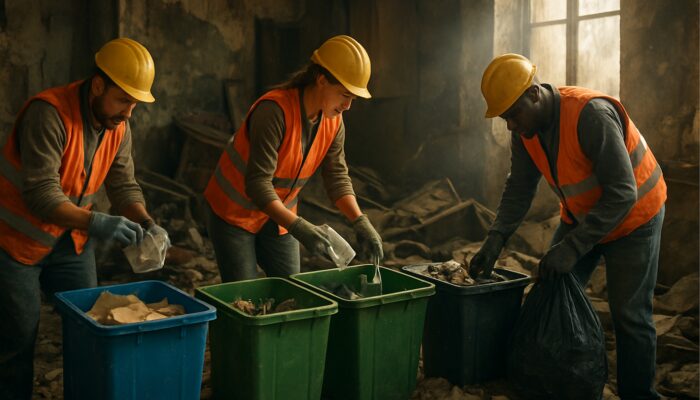
Sorting household items forms the foundation of a successful house clearance. Start by dividing belongings from each room into three distinct categories: general waste, recycling, and reusable items. This approach aligns with local authority regulations, ensuring a clear delineation that simplifies the entire clearance process. By adopting this method, you not only make the task more manageable but also encourage responsible waste disposal practices.
The advantages of sorting household items are numerous. Firstly, it significantly decreases the amount of waste that is sent to landfill, which is crucial for environmental preservation. Secondly, it simplifies the recycling process, allowing for a greater volume of materials to be appropriately handled. Lastly, it can reduce costs by lowering disposal fees and potentially generating revenue from items that can be resold.
Evaluating daily waste streams establishes a systematic approach that can be sustained throughout the clearance process. This not only enhances organisation but also fosters a habit of conscientious waste management over time.
Implementing Clear Labels on Storage Containers
Utilising durable labels on bins is vital for differentiating between various types of waste. This practice prevents cross-contamination, which can complicate recycling efforts and potentially result in penalties from local authorities. Clear labelling also assists anyone involved in the clearance, ensuring that everyone knows where each item should be placed.
When creating labels, consider employing colour-coded systems or easily recognisable symbols. For instance, green could signify recycling, while black indicates general waste. Such visual cues can accelerate the sorting process and minimise the chance of errors.
It is also essential to adhere to local disposal regulations. Different councils may have specific requirements regarding how waste should be sorted and labelled. Familiarising yourself with these guidelines not only ensures compliance but also promotes best practices in waste management within your community.
Establishing a Sorting Schedule
Creating a dedicated timetable for sorting can significantly improve the efficiency of a house clearance. Assign specific days for sorting various categories of items, such as household waste, recyclable materials, and reusable goods. This strategy prevents overflow and maintains a sense of organisation throughout the clearance process.
With a structured schedule, you can allocate focused time for each category, ensuring that nothing is overlooked. This approach also allows for breaks between sorting sessions, reducing the risk of fatigue and maintaining motivation.
Timing your sorting sessions around collection days can streamline the disposal process. For example, preparing items for recycling the day prior to a scheduled collection ensures everything is ready and compliant with local regulations, minimising any last-minute rush.
Proper Management of Electrical Waste

Which Electrical Items Require Special Attention?
Common electrical items encompass appliances such as fridges, televisions, and microwaves. These items necessitate specialised handling due to the safety standards established by the Environment Agency. Before commencing any house clearance, it is imperative to identify these items, as they cannot simply be discarded with general waste.
Numerous electrical appliances contain hazardous materials that can pose environmental risks if not disposed of properly. For instance, fridges contain refrigerants that must be managed appropriately to avoid harmful emissions. Understanding which items fall into this category is essential for responsible waste management.
By accurately identifying electrical waste prior to the clearance, you can arrange for the appropriate collection services. This proactive approach not only guarantees compliance with regulations but also safeguards the environment against potential hazards linked to improper disposal.
Safely Storing Electrical Items
It is crucial to keep electrical goods in a secure, dry area until collection. Moisture can damage these items and create hazards, particularly with appliances that contain sensitive electronic components. Designate a specific storage space that is sheltered from water sources and direct sunlight to extend the lifespan of these items until they are collected.
Ensure that the storage area is secure and devoid of potential hazards. For example, refrain from stacking heavy items on top of electrical goods, as this can lead to damage. Instead, arrange items in a manner that allows for easy access for collection services while ensuring safety.
Proper storage not only protects the items but also facilitates a smoother collection process. When the time comes for removal, having everything organised in a designated area can save time and minimise the risk of accidents during the clearance.
Coordinating Certified Collection Services

Contacting approved services for the removal of electrical waste is a crucial step in ensuring compliance with national recycling targets. Many local authorities have partnerships with certified recyclers who specialise in handling electrical items. Research these services in your vicinity and arrange for a collection that aligns with your clearance timetable.
Utilising certified collection services guarantees that all items are processed in adherence to environmental regulations. This not only protects the environment but also provides peace of mind, knowing that your waste is being managed responsibly.
Before collection, verify if there are any specific requirements or preparations needed for the items being collected. This may include detaching certain components or ensuring that the items are disconnected from power sources. By following these guidelines, you contribute to a more efficient recycling process.
Preparing Electrical Items for Recycling
Properly preparing electrical items for recycling involves several crucial steps. First, it is vital to erase all personal data from devices, particularly those that store information, such as computers and smartphones. This step is essential for compliance with data protection laws and prevents potential identity theft.
Next, detach any non-electrical components, such as batteries or casings, which may need separate processing. Sorting components by material type can also facilitate efficient processing at recycling facilities. For instance, metals, plastics, and glass often have distinct recycling pathways, and proper separation can enhance recycling rates.
Ensure that all items are clean and free from hazardous substances. This not only smooths the recycling process but also protects workers handling these materials. By preparing items correctly, you contribute to a more sustainable waste management system.
What Are the Regulations Surrounding Hazardous Waste?
Identifying Hazardous Materials
Recognising hazardous materials is crucial during house clearances. Items such as paints, solvents, and certain batteries are subject to strict regulations enforced by local councils. Understanding which materials are considered hazardous helps ensure compliance with regulations and promotes safe disposal practices.
Local councils typically provide guidelines on how hazardous materials should be stored, labelled, and disposed of. Acquainting yourself with these rules can prevent potential fines and promote safe practices. For instance, many councils mandate that hazardous waste be stored in specific containers that are clearly marked.
By learning to identify dangerous materials, you can take proactive steps to manage them properly. This not only protects the environment but also ensures the safety of everyone involved in the clearance process.
Seeking Expert Guidance
Consulting professionals for advice on hazardous waste is a sensible decision. Experts can offer valuable insights into proper packaging methods that comply with UK safety legislation. Engaging with certified waste disposal services can also provide additional support in navigating complex regulations.
Many local authorities offer resources for residents, including helplines and informational websites. These tools can help clarify any uncertainties regarding hazardous waste disposal, ensuring that you are well-informed before proceeding with your clearance.
Professional guidance not only aids in compliance but also helps prevent potential mishaps during the clearance. By ensuring that hazardous materials are handled correctly, you contribute to a safer environment for all involved.
Documenting Disposal Records
Maintaining comprehensive records of hazardous items transferred to authorised carriers is essential for legal protection. These records serve as proof of compliance with waste management regulations, safeguarding you against potential liabilities. Keeping accurate documentation can also assist in tracking the disposal process and ensuring that all hazardous materials are accounted for.
In your documentation, include details such as the types of materials, quantities, and the date of disposal. This information can prove invaluable should any questions arise regarding the handling of hazardous waste.
The advantages of thorough documentation extend beyond legal protection. It also fosters transparency and accountability in waste management practices, nurturing a culture of responsible disposal within your community.
Expert Strategies for Sorting Waste During House Clearances
Evaluating Clearance Strategies
Expert evaluation of property layouts can significantly enhance waste flow during a house clearance. By comprehending the layout, you can pinpoint the most efficient routes for transporting items to designated sorting areas. This minimises handling times and reduces the risk of damaging reusable materials.
Consider developing a detailed plan that outlines the contents of each room and the best approach for sorting. This can help you prioritise which areas to address first, particularly if certain rooms contain larger or more hazardous items.
Assessing clearance strategies allows you to anticipate potential challenges, such as tight spaces or heavy items. By preparing for these obstacles in advance, you can ensure a more seamless process and alleviate stress during the clearance.
Selecting Appropriate Equipment
Choosing the right tools for sorting waste is vital for an efficient house clearance. Consider investing in equipment that facilitates separation without causing damage to reusable materials. For example, sturdy boxes and bins can help maintain organisation while preventing breakage.
Utilising tools such as trolleys or dollies can ease the movement of heavier items, minimising the risk of injury. This is particularly important when handling large appliances or furniture that may be cumbersome to transport.
Ensure that any equipment used adheres to safety standards. This not only protects you but also contributes to a safer working environment for everyone involved in the clearance process.
Implementing Compliance Checks
Incorporating compliance checks into your house clearance process can avert potential issues later on. Real-world examples from recent clearances underscore the importance of adhering to current standards. For instance, failing to comply with local waste management regulations can lead to fines or additional expenses.
Conducting regular checks throughout the clearance guarantees that all items are sorted correctly and disposed of in accordance with local laws. This proactive approach can save time and resources, facilitating a smoother overall process.
Compliance checks promote a culture of responsibility and accountability within your team. By prioritising adherence to regulations, you contribute to a more sustainable waste management system that benefits the entire community.
Understanding Local Council Collection Processes
Scheduling Collection Appointments
Arranging collection appointments in advance through council portals is essential for synchronising with scheduled pickups. This proactive measure helps avoid delays and ensures that your waste is picked up promptly. Each local authority has its own system for booking collections, so familiarising yourself with these procedures is crucial.
When scheduling collection slots, verify any specific requirements your council may have. This could include information about the types of waste accepted or guidelines for preparing items for collection.
Timely bookings offer numerous advantages. They help you remain organised, prevent last-minute scrambles, and ensure that your waste is collected efficiently. By planning ahead, you contribute to a more streamlined clearance process.
Preparing Items for Collection
Wrapping and securing bundles according to specified sizes is vital for meeting collection criteria. Many local councils provide guidelines on how items should be prepared for pickup, including weight limits and packaging requirements. Ensuring that your items are properly prepared can prevent collection delays or complications.
Consider employing strong, durable materials for wrapping items to guarantee they remain intact during transport. This is especially important for fragile items or those that may be hazardous.
By adhering to the council’s guidelines, you not only facilitate a smoother collection process but also contribute to responsible waste management practices. Properly prepared items are more likely to be accepted and processed efficiently.
Addressing Missed Collections
If issues occur during the collection process, it is essential to contact services promptly to reschedule without incurring extra charges. Many councils offer dedicated contact points for residents to report missed collections, ensuring that concerns are addressed swiftly.
When following up, ensure you have all relevant information readily available, such as your address, collection date, and details about the missed items. This helps the service provider resolve your issue more efficiently.
Timely communication not only aids in resolving the issue but also reinforces a culture of accountability within the waste management system. By taking the initiative to follow up, you contribute to a more responsive and effective collection process.
Research-Backed Advantages of Sorting Waste During House Clearances
Lowering Overall Costs
Research shows that effectively sorting waste can lead to substantial reductions in landfill fees through increased recycling rates achieved during typical clearances. By categorising items appropriately, you can divert more materials from general waste streams, thereby decreasing disposal expenses.
The financial benefits extend beyond landfill fees. By identifying reusable items, you may be able to sell or donate goods, generating extra income or contributing to local charities. This not only supports your budget but also fosters community welfare.
Reducing overall costs through effective waste sorting can motivate more individuals to adopt responsible disposal practices. As awareness increases, communities can collectively work towards minimising waste and enhancing recycling efforts.
Enhancing Environmental Sustainability
Data indicates that accurately diverting materials from general waste streams can lead to a decrease in emissions. When items are recycled rather than sent to landfill, the environmental impact is significantly mitigated. This is particularly crucial in the UK, where waste management regulations aim to minimise carbon footprints.
By effectively sorting waste, households can contribute to a broader movement towards sustainability. Every small action, such as recycling plastics or donating furniture, accumulates to create a more substantial impact on environmental health.
A positive environmental impact can bolster community pride and engagement. When residents witness the tangible benefits of responsible waste management, they are more likely to participate in local initiatives and support sustainability endeavours.
Increasing Property Value
Studies confirm that organised clearances result in quicker sales by leaving spaces tidy and compliant. A well-sorted house not only appears more attractive to potential buyers but also showcases responsible ownership. This can be particularly beneficial in competitive property markets across the UK.
By dedicating time to sorting waste during a clearance, homeowners can enhance the overall presentation of their property. This includes decluttering spaces, which can make rooms feel larger and more inviting.
A clean and organised property can signal to buyers that the home has been well cared for. This perception can lead to higher offers and faster sales, ultimately boosting property value.
Ensuring Compliance with Regulations
Effective waste sorting during house clearances assists in adhering to stringent waste management laws. Research indicates that compliance minimises the risk of penalties and promotes safer disposal practices throughout the process. Understanding local laws regarding waste management is essential for responsible homeowners.
By ensuring compliance, you safeguard yourself from potential fines and legal complications. This proactive stance not only protects your interests but also contributes to a more sustainable waste management system in your community.
Compliance fosters a culture of accountability and responsibility. When individuals prioritise adherence to regulations, it encourages others to do the same, leading to a collective effort towards improved waste management practices.
Which Materials Are Sent to Landfill Sites?
Recognising Non-Recyclable Items
Identifying non-recyclable items is vital for effective waste management. Certain plastics, for example, cannot be processed locally and must follow designated disposal routes. Understanding which materials fall into this category enables you to make informed decisions during the sorting process.
Common non-recyclables include items such as polystyrene, specific types of plastic bags, and contaminated materials. By being aware of these items, you can prevent them from entering recycling streams and ensure they are disposed of appropriately.
This knowledge not only supports local recycling initiatives but also contributes to a more sustainable waste management system. By minimising the quantity of non-recyclable materials sent to landfill, you help reduce environmental impact and advocate for responsible disposal practices.
Reducing Landfill Contributions
Implementing strategies to divert as much waste as possible through alternative channels is essential for minimising landfill use. Consider donating reusable items to local charities or selling them online. This not only diminishes contributions to landfill but also supports community initiatives.
Explore local recycling options for materials that may not be accepted through your council’s standard collection. Numerous areas have specialised recycling centres that can accommodate specific items, such as electronics or hazardous waste.
By actively seeking alternative disposal methods, you contribute to a more sustainable waste management system. Every item diverted from landfill makes a difference, fostering a healthier environment for future generations.
Monitoring Landfill Volume Limits
Keeping track of the amounts sent to landfill is essential for adhering to permitted thresholds for domestic projects. Many councils impose limits on how much waste can be disposed of, and exceeding these limits can lead to fines or additional charges.
By maintaining detailed records of your waste disposal, you can ensure compliance with local regulations. This includes noting the types and quantities of materials sent to landfill, allowing for better planning in future clearances.
Monitoring volume limits not only protects you from penalties but also encourages responsible waste management practices. By being conscious of your waste output, you contribute to a culture of sustainability within your community.
Final Steps for Disposal and Documentation
Completing Waste Transfer Notes
Accurately filling out transfer notes is vital for documenting all movements of waste from the property. These documents serve as proof of compliance with waste management regulations and protect you from potential liabilities. Ensure that all necessary information, such as the type of waste and quantities, is recorded.
Transfer notes should be completed at the time of disposal, providing a clear account of what has been removed from the property. This documentation can be invaluable should any questions arise in the future regarding waste handling.
By diligently completing transfer notes, you contribute to a more transparent waste management process. This practice fosters accountability and encourages others to adopt best practices in waste disposal.
Verifying Final Waste Destinations
Confirming that collected items reach appropriate facilities is crucial for responsible waste management. Follow-up checks can help ensure that your waste is being processed properly and in compliance with local regulations. Many councils provide tracking systems for waste disposal, allowing you to verify the final destinations of your items.
When engaging with collection services, request confirmation of where your waste will be taken. This not only provides peace of mind but also reinforces a culture of accountability within the waste management system.
By verifying final destinations, you contribute to a more sustainable waste management process. Ensuring that waste is handled responsibly helps protect the environment and promotes community well-being.
Reviewing the Entire Clearance Process
Evaluating outcomes after a house clearance is essential for refining methods for future projects. Take the time to assess what worked well and what could be improved. This reflection not only enhances your efficiency but also contributes to better overall waste management practices.
Consider collecting feedback from everyone involved in the clearance process. Their insights can offer valuable perspectives on areas for improvement, helping you develop a more streamlined approach in the future.
By continually reviewing your methods, you foster a culture of learning and responsibility. This commitment to improvement not only benefits you but also contributes to a more sustainable waste management system within your community.
Frequently Asked Questions
1. How should I manage hazardous waste during house clearances?
Hazardous waste must be handled with care. Identify such materials, consult local guidelines, and arrange for certified collection services to ensure safe disposal.
2. How can I determine which materials are recyclable?
Recyclable materials typically include paper, cardboard, glass, metals, and certain plastics. Check your local council’s guidelines for specific recyclables in your area.
3. What are the advantages of sorting waste during clearances?
Sorting waste reduces landfill costs, improves recycling rates, increases property value, and ensures compliance with local regulations, thereby promoting a sustainable environment.
4. What steps should I take to prepare electrical items for recycling?
Remove personal data, detach non-electrical parts, and clean the items. Ensure they are stored safely until collection by certified recyclers.
5. What action should I take if my council misses a collection?
Contact your local council promptly to report the missed collection. Provide necessary details to reschedule without incurring extra charges.
6. How can I reduce landfill waste?
Donate reusable items, recycle materials through local facilities, and choose responsible disposal methods to divert waste from landfill.
7. What are the risks of improper waste disposal?
Improper disposal can lead to fines, legal issues, and environmental harm. Adhering to regulations is vital for responsible waste management.
8. How do I document waste disposal properly?
Keep comprehensive records of all waste movements, including types, quantities, and disposal dates. This documentation is crucial for compliance and legal protection.
9. Is it possible to recycle old furniture?
Yes, many charities and recycling centres accept old furniture. Ensure items are in good condition and check local guidelines for specific requirements.
10. Why is it important to label waste bins?
Labelling bins helps prevent cross-contamination, ensures compliance with local disposal rules, and facilitates efficient waste sorting during clearances.