Evaluating Garden Conditions to Implement Sustainable Practices
Understanding Soil Types in UK Gardens
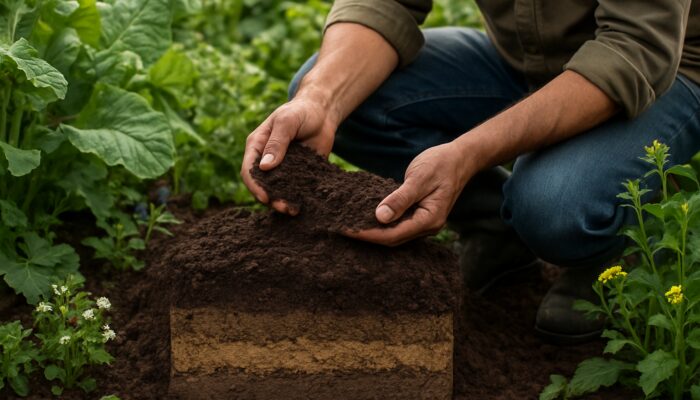
Evaluating the soil in your garden forms the foundation for effective sustainable clearing. Testing the composition and moisture levels of your soil can determine its suitability for various plants and clearing methods. This insight is crucial for maintaining the natural fertility and structure that support healthy garden ecosystems.
Soil types such as clay, sandy, or loamy require unique management techniques. For example, clay-heavy soils necessitate careful handling to prevent compaction. Knowledge of your soil’s characteristics allows you to make informed choices about which plants to retain and which areas require clearing, promoting a sustainable garden.
How Can You Identify Native Species to Protect During Garden Work?
Prior to commencing any clearing, it is vital to assess the existing plants and wildlife habitats. Identifying native species will help you avoid disturbing protected flora and bolster local ecosystems. Many gardens across the UK are home to plants that are essential for local wildlife, including pollinators and birds.
Creating a comprehensive list of native species can guide your clearing efforts. By marking these plants and ensuring their protection, you actively contribute to preserving biodiversity both in your garden and the larger environment. This practice benefits local wildlife and enhances the resilience of your garden.
How Should You Plan Access Routes to Reduce Ground Damage?
Strategically planning access routes is critical for minimising soil compaction during garden clearing. By mapping pathways using boards or mats, you can protect the soil structure while accessing overgrown areas. This is especially important in the often damp conditions of the UK, where soil is prone to compaction.
Take the layout of your garden into account when planning these routes. Clearly marked and maintained pathways will help minimise disruption to the surrounding flora. Thoughtful planning supports the overall health of your garden and promotes sustainable practices.
What Are the Best Strategies for Clearing Garden Debris Sustainably?
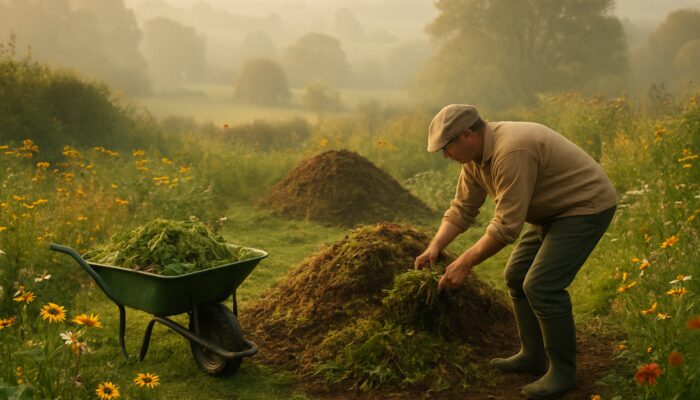
Insights from Experts on Sustainable Garden Clearing in the UK
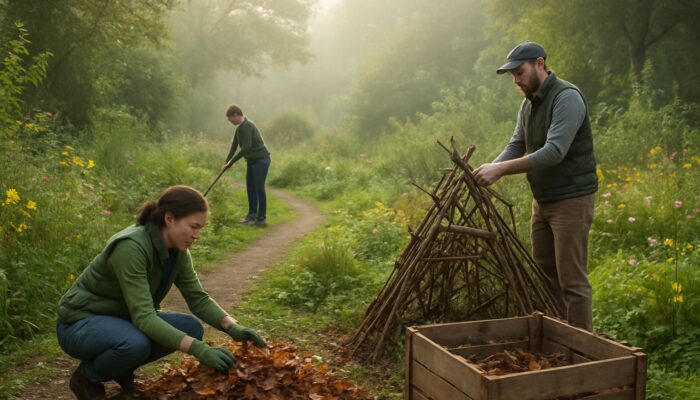
Implementing sustainable strategies for clearing your garden is essential to protecting wildlife corridors. For instance, many estates in the UK have adopted methods that avoid disturbing habitats during seasonal clearances. These practices help to maintain essential wildlife corridors, allowing animals to move freely and safely.
Engaging with local conservation groups can provide valuable insights into best practices. These organisations often share successful case studies that showcase effective sustainable clearing techniques. By applying these strategies, you not only contribute to the health of local ecosystems but also manage your garden more effectively.
Why Choose Hand Tools Over Powered Alternatives for Clearing?
Opting for hand tools instead of powered alternatives during garden clearing is often a more sustainable choice. Tools such as secateurs and loppers are ideal for the scale of typical UK gardens, enabling precise cuts that minimise disturbance to surrounding plants.
Using hand tools also reduces noise pollution and energy consumption, making the clearing process more environmentally friendly. This approach encourages a deeper connection with your garden, fostering a greater understanding of its needs and promoting sustainable practices.
What Protective Measures Are Necessary for Managing Brambles?

Bramble plants can quickly dominate a garden, but effective management requires caution. Wearing appropriate gloves and employing targeted cutting techniques is crucial for controlling their growth without inadvertently spreading seeds. This is particularly important in the UK, where damp soil conditions can encourage rapid regrowth.
Aim to remove brambles during dry spells to lessen the risk of soil disturbance. By managing these invasive plants carefully, you can sustain a healthy garden ecosystem while preventing them from encroaching on native species.
How Can You Prioritise Native Plant Preservation During Clearances?
During garden clearances, it is essential to identify and protect native species. Clearly marking boundaries around these plants helps ensure they remain undisturbed throughout the clearing process. Employing gentle manual extraction techniques can further aid in preserving biodiversity.
This strategy not only supports vital habitats for pollinators but also cultivates a more resilient garden ecosystem. By prioritising native plant preservation, you create an environment that thrives naturally, enhancing the overall health of your garden.
How Can You Utilise Wood Chip Mulch from Cleared Branches?
After clearing branches, consider transforming them into wood chips using manual shredders. This practice allows you to create mulch that can be spread around plants, helping to suppress weeds and retain moisture in your garden. It is a sustainable method to recycle garden waste while benefiting the soil.
Using wood chip mulch also eliminates the need for chemical treatments that could be harmful to local ecosystems. This natural approach supports soil health and contributes to a flourishing garden environment, particularly in the diverse weather conditions found in the UK.
What Seasonal Considerations Should You Make for Sustainable Garden Clearing?
Understanding Seasonal Patterns in British Weather
Timing your garden clearances is vital. Expert analysis suggests scheduling these activities during drier spells to mitigate erosion risks commonly faced in the UK. Aligning your clearing efforts with seasonal weather patterns protects soil integrity and promotes healthier garden conditions.
Being aware of local weather patterns helps gardeners anticipate potential challenges and plan accordingly. This foresight not only aids in successful clearances but also supports the long-term health of your garden, ensuring it remains vibrant and sustainable.
Why Should You Conduct Wildlife Surveys Before Starting Clearance?
Prior to initiating any clearance, conducting a wildlife survey is essential. This step ensures compliance with UK regulations pertaining to nesting birds and other protected species. By checking for nests, you can avoid disturbing wildlife during critical breeding periods.
Actionable steps include observing garden areas for signs of nesting and consulting local wildlife organisations for guidance. This proactive approach fosters ethical garden management and significantly contributes to the conservation of local biodiversity.
How Can You Use Local Composting Facilities Effectively?
Transporting garden waste to approved UK composting facilities is a sustainable method for managing debris. Key steps include sorting materials, arranging transportation, and ensuring compliance with local regulations.
Consider the following when utilising composting facilities:
- Separate green waste from non-biodegradable materials.
- Check local facility guidelines for accepted materials.
- Plan transport during off-peak hours to reduce emissions.
- Engage with community composting initiatives for local support.
This approach not only reduces landfill waste but also supports sustainable waste management practices within your community.
How Can You Minimise Synthetic Chemical Use in Garden Clearances?
Reducing the reliance on synthetic chemicals during clearance processes is crucial for sustainable gardening. Strategies include opting for mechanical and manual methods rather than herbicides, which can detrimentally affect soil health and local ecosystems.
Educating yourself about organic alternatives can also yield effective solutions for pest control and weed management. By aligning your practices with UK environmental guidelines, you foster a healthier garden that thrives without depending on harmful chemicals.
What Timing Considerations Should You Make When Clearing a UK Garden?
How to Schedule Clearances Around Bird Nesting Seasons
Planning garden clearances outside peak bird breeding months is essential for compliance with UK wildlife laws. This careful timing allows for the natural regeneration of cleared plots while protecting vulnerable species during their nesting periods.
By observing local wildlife calendars, gardeners can effectively plan their activities. This consideration fosters a more ethical approach to garden management and enhances the overall biodiversity of your outdoor space.
How Can Selective Clearing Improve Soil Aeration?
Research indicates that selective clearing can substantially improve soil aeration, particularly in clay-heavy soils prevalent in the UK. This process enhances drainage and promotes healthier root development for new plantings, cultivating a more sustainable garden ecosystem.
Carefully removing debris allows for improved airflow and moisture retention in the soil. This practice supports the growth of new plants while ensuring that existing ones thrive, ultimately contributing to a more resilient garden environment.
How Can Organic Methods Reduce Chemical Reliance?
Adopting sustainable gardening practices has been shown to diminish reliance on pesticides in British gardens. By fostering diverse habitats, gardeners can encourage natural pest control mechanisms, leading to healthier ecosystems with less need for chemical interventions.
Implementing organic methods not only supports local wildlife but also enhances the long-term health of your garden. This shift towards sustainability aligns with the increasing consumer demand for eco-friendly gardening practices in the UK.
How Can Sustainable Clearing Enhance Property Value?
Data from UK surveys shows that gardens cleared sustainably tend to be more appealing to buyers seeking low-maintenance outdoor spaces. Eco-cleared gardens are increasingly perceived as valuable assets, reflecting a commitment to environmental stewardship.
By embracing sustainable practices, homeowners can enhance their property’s marketability while positively impacting the environment. This trend underscores the growing importance of green credentials in the UK housing market.
What Weather Patterns Should You Consider for Optimal Clearing?
Avoiding heavy rainfall and frost periods is essential for smooth garden clearing operations. In the UK climate, these conditions can lead to soil damage and delays, complicating the clearing process.
Planning clearances during more stable weather periods ensures that debris can be efficiently disposed of, promoting healthier garden conditions for subsequent planting seasons. This strategic approach reinforces sustainable gardening practices and enhances overall garden health.
Research-Backed Advantages of Sustainable Garden Clearing in the UK
Why Is Mulching an Effective Waste Reduction Strategy?
Creating Mulch from Cleared Garden Materials in the UK
Shredding woody debris on-site to produce mulch is an effective method for retaining moisture in the variable British weather. This practice not only utilises garden waste but also provides a protective layer for the soil, enhancing its health and structure.
Applying mulch around plants helps to regulate soil temperature and moisture levels, creating a more stable growth environment. This method is particularly advantageous in the UK, where weather conditions can fluctuate dramatically throughout the year.
How Can Mulching Naturally Suppress Weed Growth?
Spreading even layers of mulch around borders effectively blocks light, thereby reducing future weed growth. This natural approach diminishes the need for chemical weed control, supporting a healthier garden ecosystem.
Regularly replenishing mulch ensures ongoing benefits, preventing weeds from gaining a foothold and promoting a flourishing garden environment. This practice aligns with sustainable gardening principles, encouraging a more resilient and productive outdoor space.
Why Is Monitoring Mulch Decomposition Important?
Regularly checking the progress of mulch decomposition is vital for maintaining its effectiveness. By monitoring how quickly mulch breaks down, you can replenish it as necessary, ensuring your garden continues to benefit from its protective qualities.
This practice encourages active engagement with your garden, allowing you to observe changes and adapt your strategies accordingly. By staying attuned to the needs of your garden, you support its long-term health and sustainability.
How Does Mulching Divert Garden Waste from UK Landfills?
Transforming garden waste into mulch instead of sending it to landfill significantly reduces transport emissions. This practice supports sustainable waste management, which is increasingly advocated in UK households during seasonal clear-ups.
By adopting mulching techniques, homeowners contribute to a circular economy, repurposing waste to benefit the garden. This approach not only minimises landfill contributions but also enhances the overall sustainability of gardening practices in the UK.
Proven Strategies for Sustainable Garden Clearing in the UK
Why Is Manual Labour Preferred for Small Garden Areas?
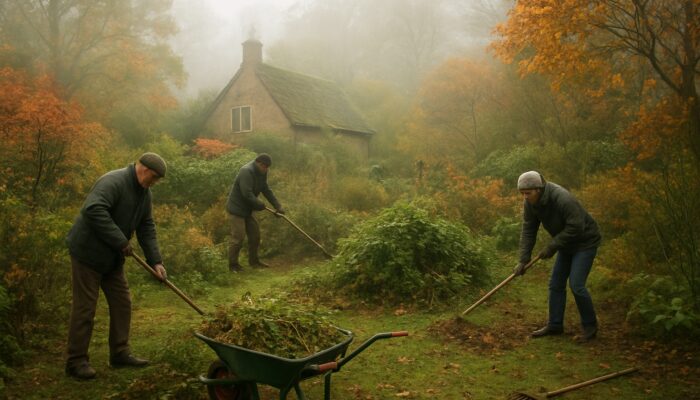
For smaller garden plots, prioritising manual labour is a practical strategy for low-impact debris removal. Recommended hand tools include:
- Secateurs for precise cuts.
- Loppers for thicker branches.
- Garden forks for aerating the soil.
- Hand trowels for detailed work.
Using these tools enables careful, targeted clearing that minimises disruption to the surrounding environment.
Manual clearing fosters a deeper connection with your garden, encouraging mindfulness about the plants and wildlife present. This approach aligns with sustainable practices, enhancing the health of the garden ecosystem.
How to Partner with Certified Waste Handlers?
Choosing licensed UK contractors for garden waste disposal is essential for implementing sustainable practices. Certified waste handlers ensure that materials are recycled into usable compost products, reducing contributions to landfills and supporting local economies.
When selecting a waste handler, consider their recycling rates and commitment to sustainability. Engaging with certified professionals not only streamlines the clearing process but also contributes to broader environmental goals within the community.
What Are the Benefits of Documenting Cleared Areas for Future Reference?
Keeping records of cleared areas is advantageous for tracking improvements in garden biodiversity over multiple seasons. Documenting changes allows you to assess the effectiveness of your clearing strategies and make informed decisions for future management.
Consider taking photographs and notes on plant health, wildlife presence, and soil conditions. This information can guide your ongoing efforts to create a sustainable garden that flourishes over time.
How to Ensure Long-Term Care for a Sustainable Garden in the UK
What Are the Benefits of Establishing Rotation Plans for Maintenance?
Developing yearly schedules that balance clearing with planting cycles is vital for maintaining a sustainable garden. Establishing rotation plans helps ensure that your garden remains productive while accommodating necessary maintenance.
Consider the specific needs of different plants and their growth cycles when planning these rotations. By aligning your maintenance efforts with the natural rhythms of your garden, you can cultivate a more resilient and thriving outdoor space.
Why Is Monitoring Water Usage Important After Major Clearances?
After significant clearances, monitoring water usage is crucial to support new growth without excessive consumption. Implementing efficient irrigation systems can help regulate water supply, ensuring that plants receive adequate moisture without waste.
This approach conserves resources and promotes healthier garden conditions. By being mindful of water usage, you contribute to sustainable gardening practices that benefit both your garden and the environment.
How Can You Encourage Community Resource Sharing?
Engaging with local UK groups that facilitate resource sharing can enhance sustainability efforts in gardening. Consider joining community initiatives where gardeners exchange tools, seeds, and knowledge, fostering collective sustainability gains.
Participating in these groups not only builds community connections but also promotes resource efficiency. By sharing resources, you can reduce costs and environmental impact while supporting fellow gardeners in their sustainable practices.
FAQs
What Does Sustainable Garden Clearing Involve?
Sustainable garden clearing utilises methods that minimise environmental impact, protect native species, and promote biodiversity. This approach focuses on manual techniques and avoids harmful chemicals during the clearing process.
How Can I Test My Garden Soil Effectively?
You can assess your garden soil by purchasing a soil test kit or sending samples to a local laboratory. These tests reveal pH levels, nutrient content, and soil structure, enabling informed decisions for your garden.
Which Tools Are Best for Clearing a Garden?
Recommended tools for garden clearing include secateurs, loppers, garden forks, and hand trowels. These hand tools facilitate precise cuts and minimal disturbance to surrounding plants, promoting sustainable practices.
When Is the Optimal Time to Clear a UK Garden?
The best time to clear a garden in the UK is during drier periods outside of bird nesting seasons. This timing helps prevent soil damage and protects vulnerable wildlife during critical breeding times.
What Steps Can I Take to Protect Wildlife During Garden Clearing?
To safeguard wildlife, conduct a survey for nesting birds and other species prior to clearing. Schedule clearances outside peak breeding months and mark areas with native plants to avoid disturbance.
What Advantages Does Mulching Offer in Gardening?
Mulching provides numerous benefits, including moisture retention, weed suppression, and improved soil health. It also diverts garden waste from landfills, contributing to sustainable waste management practices.
How Can I Create Mulch from Garden Waste?
You can produce mulch by shredding woody debris on-site using manual shredders. This process transforms garden waste into a protective layer that enhances soil health and promotes sustainable gardening.
What Role Do Native Plants Play in a Garden?
Native plants are vital for supporting local ecosystems, providing habitat and food for wildlife. They also require less maintenance and are better suited to local climate conditions, promoting sustainability.
How Can I Monitor My Garden’s Biodiversity Effectively?
Monitoring biodiversity involves keeping records of plant species, wildlife sightings, and changes in soil conditions. Regular observations help track improvements and inform future garden management strategies.
What Community Resources Are Available for Gardeners?
Numerous local UK groups offer resources for gardeners, including tool exchanges, workshops, and knowledge-sharing initiatives. Engaging with these communities enhances sustainability efforts and fosters connections with fellow gardeners.