Understanding Sustainable House Clearance Practices Across the UK
What Constitutes Sustainable Practices in House Clearance Across the UK?
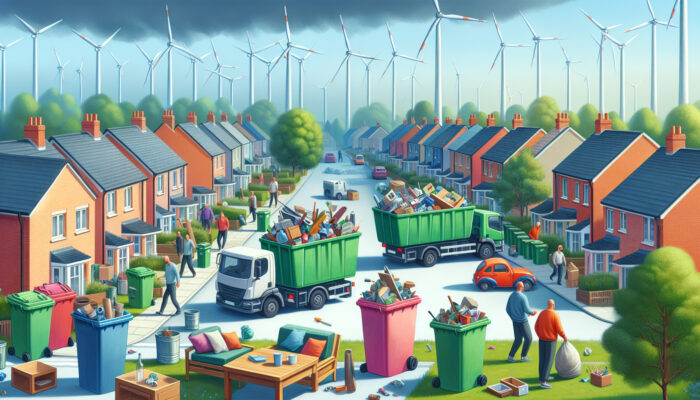
Sustainable house clearance in the UK involves a comprehensive array of eco-friendly waste management strategies, specifically crafted to minimise environmental impact while adhering to local regulations. This holistic approach prioritises recycling and reuse, with the ultimate goal of diverting waste from overflowing landfills. Noteworthy local initiatives, including community recycling programmes and eco-friendly disposal facilities, serve as prime examples of these sustainable practices in action. Households are actively encouraged to embrace behaviours that not only comply with legislative requirements but also cultivate a strong sense of environmental responsibility within their communities.
To successfully implement sustainable practices in house clearance, consider these vital strategies:
- Conducting comprehensive waste audits to pinpoint recyclable materials.
- Utilising local recycling centres to guarantee proper disposal.
- Engaging in upcycling projects to breathe new life into items.
- Educating family members about eco-friendly disposal methods.
- Collaborating with local charities for potential donation opportunities.
- Employing biodegradable bags and materials for waste collection.
- Leveraging technology to monitor waste reduction efforts.
- Participating in community clean-up events to enhance awareness.
These strategies not only foster a culture of sustainability but also promote a community-centric approach to effective waste management.
What Are the Essential Regulations Governing Eco-Friendly Clearance in the UK?
The regulatory landscape in the UK is underpinned by a series of laws that champion sustainable practices in house clearance. Fundamental legislation, such as the Environmental Protection Act 1990, establishes the groundwork for responsible waste management. This act obligates local authorities to provide waste collection services while simultaneously promoting recycling initiatives. Additionally, the Waste (England and Wales) Regulations 2011 further reinforce the necessity of sorting and recycling waste efficiently.
Local authority guidelines typically mirror these regulations, offering residents explicit instructions on what materials can be recycled and the proper methods for disposing of hazardous waste. These guidelines underscore the importance of compliance, as neglecting to follow waste disposal laws can lead to significant financial penalties. For homeowners intent on undertaking sustainable clearance efforts, a firm grasp of these regulations is pivotal.
How Can I Effectively Assess Waste Volumes in My UK Home?
Assessing waste volumes within UK households necessitates a structured approach to evaluating items for clearance. One effective strategy is to carry out a meticulous inventory of possessions, categorising items into groups such as keep, donate, recycle, or dispose of. Tools like digital inventory applications can facilitate tracking these items, simplifying the process of identifying what can be reused or recycled.
Moreover, families should take into account the condition of their belongings. Functional appliances and furniture can frequently be donated or sold, while damaged or outdated items should be evaluated for recycling options. Engaging with the community through local recycling initiatives can motivate residents to actively participate in collective waste reduction efforts. By implementing these methods, families can dramatically decrease their contributions to landfills and promote a sustainable lifestyle.
What Are the Key Benefits of Embracing Sustainable House Clearance in the UK?

The merits of eco-friendly house clearance in the UK extend well beyond environmental advantages. Broadly speaking, sustainable practices contribute to the reduction of pollution, conservation of resources, and enhancement of biodiversity. For instance, by recycling paper products, households actively support efforts aimed at forest conservation. Furthermore, sustainable clearance can yield significant economic benefits, including cost reductions related to waste disposal and potential income from selling second-hand items.
Additionally, sustainable practices can stimulate job creation within the recycling and waste management sectors. Local businesses often flourish as a result of heightened public awareness and demand for eco-friendly services. Community-led initiatives not only galvanise local participation but also foster a sense of pride and responsibility towards the environment, generating a ripple effect that can lead to widespread positive change.
How Can We Effectively Implement Eco-Friendly Methods in UK House Clearance?
What Are the Best Steps for Sorting Recyclables in UK Households?
Sorting recyclables within UK households represents a crucial step towards achieving sustainable house clearance. Families should start by categorising their waste into designated bins, ensuring that every type of material—whether it be paper, plastics, glass, or metals—is effectively separated. This practice not only simplifies the recycling process but also enhances the quality of recyclables, making them more valuable for reprocessing.
Residents can greatly benefit from familiarising themselves with local recycling guidelines. Each local authority often provides detailed instructions regarding what can be recycled and the specific collection methods in place. By adhering to these guidelines, households can significantly diminish contamination rates, ensuring that a greater proportion of waste is successfully recycled. Involving family members in the sorting process can create awareness and instil a culture of sustainability within the home.
How Can I Engage Professional Services for Sustainable House Clearance in the UK?

Hiring UK-based eco-experts for house clearance presents numerous advantages, particularly in terms of ensuring compliance with national environmental standards. Professional services are typically well-versed in local regulations and can deliver bespoke waste management solutions that align with sustainability goals. These experts usually employ sustainable transport options, such as low-emission vehicles, which help to minimise their carbon footprint during the clearance process.
Moreover, enlisting the help of professionals alleviates the stress associated with house clearance, ensuring that all items are disposed of responsibly. Many eco-experts also maintain established relationships with local charities and recycling facilities, enabling them to maximise the reuse and recycling of items. This not only streamlines the clearance process but also amplifies the social impact of the work being undertaken.
What Challenges Arise in Implementing Eco-Friendly Practices for House Clearance in the UK?
Despite the evident benefits of eco-friendly house clearance, various challenges can hinder effective implementation within UK households. Space constraints, particularly in urban environments, often limit the ability to segregate waste adequately. To overcome this, residents can utilise compact recycling bins or designate specific areas within their homes for waste sorting. This strategy can streamline the sorting process and maintain overall organisation.
Additional challenges may include a general lack of public awareness regarding recycling guidelines or the availability of local resources for clearance. To tackle this issue, communities can organise workshops or informational sessions aimed at educating residents about sustainable practices. By fostering local engagement and collaboration, households can surmount these obstacles, paving the way for a more sustainable approach to house clearance.
Expert Perspectives on Sustainable Practices for House Clearance in the UK
What Are Some Real-World Examples of Successful Sustainable House Clearance in the UK?
The UK is home to several inspiring success stories that illustrate the effectiveness of sustainable house clearance practices. A notable example is the “Zero Waste Scotland” initiative, which encourages community-led efforts to reduce waste through education and resource sharing. This programme has successfully engaged various communities, leading to tangible reductions in household waste.
Another remarkable case is the “Bristol Waste Company,” which provides a comprehensive recycling service focused on upcycling and redistributing usable items. By collaborating with local charities, they ensure that reusable goods are diverted from landfills, thereby maximising environmental benefits. These real-world examples underscore the importance of community involvement and professional expertise in driving sustainable practices, offering invaluable insights for households looking to adopt similar approaches.
What Advanced Techniques Are Recommended by UK Specialists for Sustainable House Clearance?
UK environmental specialists advocate for several innovative techniques that can significantly enhance sustainable house clearance efforts. One such approach is the adoption of digital waste tracking systems, which enable households to monitor their waste output and identify areas for improvement. These systems can yield valuable data on recycling rates and waste composition, facilitating more informed decisions regarding waste management.
Furthermore, specialists recommend incorporating reusable containers and eco-friendly packing materials during the clearance process. This practice diminishes reliance on single-use plastics and promotes a circular economy. Homeowners can also consider options for composting organic waste, which not only reduces landfill contributions but also enriches soil health. By embracing these advanced techniques, families can markedly enhance their sustainability practices while contributing to broader environmental objectives.
Why Is Expert Advice Crucial in the Context of UK Sustainability?
Professional guidance is invaluable when navigating the complexities of sustainability within the UK context. Experts can offer tailored recommendations that take into account regional variations in waste management regulations and available resources. Their insights can optimise house clearance processes, ensuring compliance with local norms while maximising resource recovery.
Moreover, expert advice can enhance the efficiency of clearance efforts by introducing households to best practices and innovative solutions. These professionals often have access to the latest research and technological advancements, equipping residents with the most effective tools for sustainable living. By leveraging expert knowledge, households can achieve superior outcomes and contribute meaningfully to sustainability initiatives within their communities.
What Are the Key Advantages of Sustainable Clearance in the UK?
What Environmental Gains Can Be Expected from Sustainable House Practices in the UK?
The environmental gains associated with sustainable house clearance in the UK are profound and far-reaching. By diminishing reliance on landfills, households can significantly lower their carbon footprints, thereby contributing to national targets surrounding carbon neutrality. Effective waste management and recycling support biodiversity, as proper disposal methods prevent hazardous materials from contaminating essential ecosystems.
Additionally, sustainable practices foster a circular economy, wherein materials are reused and repurposed rather than discarded. This approach conserves natural resources, as well as the energy expended in manufacturing new products. For instance, recycling aluminium necessitates 95% less energy than producing new aluminium from raw materials, underscoring the direct benefits of sustainable waste management practices. By embracing these methods, UK households can play a pivotal role in nurturing a healthier environment for future generations.
What Economic Advantages Are Associated with Eco-Friendly Clearance in the UK?
Beyond environmental benefits, sustainable house clearance offers significant economic advantages for UK households. By reusing items and minimising waste, families can save on disposal costs while potentially generating income through the sale of second-hand goods. This can ease financial pressures on household budgets and bolster local economies as residents invest in community resources.
Moreover, the expansion of the recycling sector generates job opportunities in diverse fields, from logistics to waste management. Local charities often gain from donations, leading to increased funding for community initiatives that further encourage sustainability. By adopting eco-friendly clearance practices, households contribute to a robust economic cycle that benefits both individuals and society at large.
What Are the Social Impacts of Sustainable Efforts in UK Communities?
Sustainable house clearance practices significantly enhance community cohesion and social responsibility across the UK. Engaging in eco-friendly initiatives cultivates a sense of collective ownership over local environments, motivating individuals to participate in broader sustainability efforts. For example, community clean-up events not only address waste concerns but also promote social interaction and collaboration among residents.
Such efforts frequently result in heightened awareness of environmental issues, prompting community members to adopt more sustainable habits in their everyday lives. Moreover, successful initiatives can inspire neighbouring communities to implement similar practices, creating a ripple effect that amplifies the social impact of sustainable house clearance. Through collective action, communities can build resilience and foster a lasting commitment to environmental stewardship.
What Does Research Reveal About the Benefits of Sustainable Practices for House Clearance in the UK?
What Evidence Do UK Studies Provide on Waste Reduction?
Research conducted in the UK has consistently demonstrated that sustainable house clearance significantly reduces household waste. Studies indicate that communities implementing comprehensive recycling programmes achieve substantial reductions in landfill contributions. For instance, the “Recycle Now” campaign has reported that households engaging in recycling initiatives diverted over 17 million tonnes of waste from landfills, showcasing the tangible benefits of sustainable practices.
Additionally, effective programmes often illustrate measurable improvements in local ecosystems and community health. By mitigating waste and promoting recycling, these initiatives cultivate healthier living environments, resulting in an enhanced quality of life for residents. Evidence from various projects underscores the importance of community engagement in driving these efforts, highlighting that collective action yields the most impactful outcomes.
What Health Benefits Are Supported by Findings from the UK?
Research indicates that adopting eco-friendly methods within UK households can lead to healthier living spaces. Proper disposal of hazardous materials reduces exposure to toxins, thereby improving indoor air quality and overall wellbeing. For example, studies have shown that homes actively engaging in regular recycling and proper waste management report lower incidences of respiratory issues and allergies.
Furthermore, sustainable practices often encourage better organisational habits within households, minimising clutter and creating more functional living environments. These changes can positively influence mental health, as individuals experience less stress in well-organised spaces. By integrating these eco-methods into daily routines, UK residents can enjoy enhanced physical and mental wellbeing, alongside the environmental benefits associated with sustainability.
What Long-Term Outcomes Are Evident from UK Sustainability Research?
Ongoing research within the UK highlights the enduring advantages of implementing sustainable house clearance practices. Studies suggest that communities maintaining consistent recycling and waste reduction initiatives experience lasting benefits, including improved local ecosystems and strengthened community ties. Areas prioritising sustainability frequently witness increased biodiversity, as native flora and fauna thrive in cleaner environments.
Moreover, research emphasises the significance of community involvement in sustaining these efforts. Engaging residents in ongoing education and awareness campaigns ensures that sustainable practices become ingrained in local culture. By nurturing a long-term commitment to sustainability, UK communities can establish a legacy of environmental stewardship that benefits future generations.
What Challenges and Solutions Exist for Sustainable House Clearance?
What Common Barriers Are Encountered in Urban Settings Across the UK?
Urban environments in the UK present distinct challenges for sustainable house clearance, particularly concerning space constraints. Limited room for effective waste sorting can impede the recycling process. To tackle this, residents can adopt compact recycling containers that fit seamlessly into their living spaces, thereby providing a practical solution for efficient waste management.
Additionally, urban residents may encounter restrictions on waste collection schedules or limited access to recycling facilities. Collaborating with local councils to explore alternative options, such as community drop-off points or mobile recycling units, can help mitigate these challenges. By leveraging community resources and engaging in constructive dialogue with local authorities, urban households can enhance their sustainable practices, even in the face of spatial limitations.
What Innovative Solutions Address Sustainable Clearance Challenges in Rural UK Areas?
Geographical isolation can present significant challenges for sustainable clearance in rural UK areas. Limited access to recycling centres and lengthy distances to waste management facilities may deter residents from engaging in eco-friendly practices. To remedy these issues, innovative solutions such as mobile recycling units could be introduced, providing a convenient option for rural households to dispose of waste responsibly.
Moreover, community-led initiatives can play a crucial role in enhancing accessibility. Forming local partnerships to organise regular clean-up events and recycling drives can foster a sense of collective responsibility, ensuring that residents have the resources necessary to partake in sustainable practices. By creating a supportive framework, rural communities can overcome geographical barriers and contribute to broader sustainability objectives.
How Can Resource Limitations Be Overcome in UK Clearance Efforts?
Resource limitations pose a challenge for effective sustainable house clearance in the UK. Households may struggle to secure suitable materials for recycling or face difficulties in sourcing eco-friendly disposal options. To address this, partnerships with local businesses and charities can enhance resource availability, fostering a collaborative approach to waste management.
Developing community networks can also facilitate the sharing of resources and expertise. By establishing connections among neighbours, residents can exchange unwanted items, reducing waste while nurturing relationships. This collaborative effort not only addresses resource limitations but also fortifies community ties, creating a supportive environment for sustainable practices. Through collective action, households can effectively navigate challenges and contribute to a more sustainable future.
Why Is Community Involvement Crucial for Sustainability in the UK?
How Can Local Networks Be Built for Eco-Initiatives?
Encouraging community involvement is essential for propelling sustainable house clearance initiatives within the UK. Establishing local networks empowers residents to collaborate on eco-friendly projects, share resources, and exchange knowledge. For example, neighbourhood groups can organise recycling drives or community clean-up events, promoting participation and fostering a sense of collective responsibility.
These networks can also function as platforms for education, where community members share best practices and innovative ideas for sustainable living. By forging strong connections, residents can inspire one another to adopt more environmentally conscious behaviours, ultimately amplifying the impact of local sustainability efforts. Empowering communities to take action cultivates resilience and ensures a lasting commitment to eco-friendly practices.
What Role Do Educational Programmes Play in UK Communities?
Educational programmes are instrumental in promoting sustainable practices among UK residents. Workshops and seminars can equip individuals with the skills and knowledge necessary for effective house clearance and waste management. Topics might encompass proper recycling techniques, composting methods, and upcycling projects.
Community organisations frequently facilitate these educational initiatives, collaborating with local authorities and environmental experts to provide essential resources and support. By raising awareness and offering practical guidance, educational programmes empower residents to make informed decisions about waste management and sustainability. Furthermore, these initiatives foster a culture of environmental stewardship, encouraging individuals to engage in ongoing eco-friendly practices within their households.
How Can Community Impact on UK Sustainability Efforts Be Measured?
Assessing the impact of community involvement on sustainable house clearance initiatives is vital for understanding their effectiveness. Metrics such as waste diversion rates, participation in community events, and overall engagement in recycling programmes can yield valuable insights into the success of local efforts.
Communities that actively measure and communicate their achievements can inspire further participation and investment in sustainability initiatives. For example, sharing success stories through local media and social platforms can highlight the positive impact of collective action, encouraging others to follow suit. By documenting progress and celebrating milestones, communities can reinforce their commitment to sustainable practices while motivating ongoing involvement in eco-friendly efforts.
What Future Trends Are Emerging in UK House Clearance Sustainability?
How Are Emerging Technologies Shaping UK Eco Practices?
The future of sustainable house clearance in the UK is on the brink of transformation, driven by emerging technologies. Innovations such as smart recycling systems are set to revolutionise waste management. These systems can provide real-time data on waste generation and recycling rates, allowing households to optimise their practices and track their progress towards sustainability goals.
Moreover, advancements in waste sorting technologies, including AI-driven systems, can significantly enhance the efficiency and effectiveness of recycling processes. These innovations can improve the quality of materials being recycled, ensuring that a larger portion of waste is diverted from landfills. As these technologies become increasingly accessible, UK households will be equipped with the tools necessary to streamline their clearance efforts and actively contribute to a more sustainable future.
What Policy Evolutions Are Anticipated in UK Sustainability?
Expected changes in UK regulations are likely to have a substantial impact on house clearance practices. As the government prioritises environmental sustainability, new incentives for green disposal methods are anticipated to emerge. These may include tax breaks for households engaging in eco-friendly practices or increased funding for community recycling initiatives.
Such policy evolutions can facilitate widespread adoption of sustainable approaches, simplifying compliance for residents whilst also providing economic benefits. By staying informed about these changes, households can adapt their practices accordingly, maximising their contributions to national sustainability goals.
How Can Lifestyle Changes Contribute to Longevity in UK Sustainability Practices?
Shifting consumer habits in the UK play a crucial role in sustaining eco-friendly clearance practices. As individuals become more mindful of their environmental impact, integrating sustainable habits into daily routines becomes essential. Simple modifications, such as opting for reusable shopping bags or selecting products with minimal packaging, can significantly reduce waste produced during house clearance.
Furthermore, fostering a culture of mindful consumption encourages households to prioritise quality over quantity. By investing in durable, eco-friendly products, residents can effectively minimise waste and reduce their overall environmental footprint. Practical strategies, such as developing a household sustainability plan or organising regular decluttering sessions, can assist individuals in incorporating these lifestyle changes, thereby ensuring a long-term commitment to sustainable house clearance.
What Economic Incentives Are Emerging for Sustainable House Clearance in the UK?
Emerging economic trends in the UK, such as carbon pricing and green subsidies, are poised to incentivise more sustainable house clearance practices. By implementing financial mechanisms that reward eco-friendly behaviours, households can lower operational costs associated with waste management.
For example, households participating in recycling initiatives may benefit from reduced council tax rates, while investments in green technologies can lead to significant long-term savings. These economic incentives not only promote sustainable practices but also encourage broader adoption, ultimately fostering a more environmentally conscious society. By aligning economic motivations with sustainability goals, UK residents can achieve both financial and ecological benefits.
What Global Influences Are Shaping UK House Clearance Sustainability?
Global events and international standards have the potential to shape sustainability trends in UK house clearance. The UK can learn from best practices adopted by other nations, integrating innovative strategies that bolster local efforts. For instance, countries that have successfully employed circular economy principles can offer valuable insights into effective waste management techniques.
Moreover, global movements towards sustainability, such as the United Nations’ Sustainable Development Goals, can inspire UK households to align their practices with broader environmental objectives. By embracing these global influences, the UK can promote innovation and collaboration in sustainable house clearance, fostering a more resilient and environmentally conscious society.
Frequently Asked Questions About Sustainable House Clearance
What Are Sustainable Practices in House Clearance?
Sustainable practices in house clearance involve eco-friendly waste management strategies that prioritise recycling and reuse, minimising environmental impact while aligning with local regulations.
How Do UK Regulations Support Sustainable House Clearance?
UK regulations, including the Environmental Protection Act, mandate responsible waste management, encouraging recycling and proper disposal methods to promote sustainability.
What Methods Can I Use to Assess Waste in My Home?
Conduct thorough inventories of household items and categorise them into keep, donate, recycle, or dispose of, using digital tools for tracking.
What Are the Benefits of Eco-Friendly House Clearance?
Benefits include reduced landfill contributions, cost savings, job creation in recycling sectors, and enhanced community awareness of environmental issues.
How Can I Sort Recyclables Effectively at Home?
Utilise designated bins for different materials, familiarise yourself with local recycling guidelines, and engage family members in the sorting process.
Why Should I Hire Eco-Experts for House Clearance?
Eco-experts ensure adherence to environmental standards, provide tailored waste management solutions, and enhance the efficiency of disposal processes.
What Challenges Are Common in Urban Areas for Sustainable Clearance?
Limited space for waste sorting and access to recycling facilities can hinder effective sustainable practices in urban households.
How Do Community Initiatives Contribute to Sustainability?
Community initiatives foster collaboration, raise awareness, and encourage participation in green efforts, leading to a collective commitment to sustainability.
What Emerging Technologies Could Enhance Sustainability in House Clearance?
Innovations such as smart recycling systems and AI-driven waste sorting technologies can improve the efficiency and effectiveness of recycling efforts.
How Can Local Policies Incentivise Sustainable Practices?
Local policies can introduce tax breaks, funding for community initiatives, and financial rewards for households engaging in eco-friendly practices, promoting wider adoption.