Optimising Your Shed for Eco-Friendly Clearance
Conducting a Thorough Evaluation of Shed Contents

Start by carefully examining all items within your British shed to distinguish between reusable materials and waste. Take into account the condition and age of tools or furniture to determine the best removal strategies. This initial evaluation is vital, as it allows you to identify what can be salvaged and what needs to be discarded. Through this assessment, you can make informed choices that support sustainability.
The key advantages of conducting a sustainable evaluation in UK homes include:
- Identifying items that can be reused, donated, or repurposed.
- Minimising landfill waste by sorting recyclable materials.
- Fostering a conscientious approach to consumption and possessions.
- Saving money by avoiding unnecessary replacement purchases.
What Impact Do Weather Conditions Have on Clearance Timing?
British weather patterns significantly affect the optimal times for shed clearance activities. Rain and frost can damage exposed items, so planning your clearance during drier months can help preserve materials for recycling or reuse. Aim for spring or autumn when the weather tends to be milder and more predictable.
Choosing the right timing for your clearance can enhance the effectiveness of your efforts. For instance, spring provides an excellent opportunity to declutter before starting summer gardening projects, while autumn offers a natural break before winter sets in. By taking these seasonal factors into account, you can ensure that your shed clearance is both successful and environmentally responsible.
Effective Sorting Categories for Streamlined Processing
Organise contents into distinct categories such as wood, metal, and garden waste, following local council guidelines. This method aids in directing each type of material to appropriate recycling channels, thereby reducing landfill contributions across the UK. By sorting items effectively, you simplify the recycling process and ensure compliance with local regulations.
Arranging your shed contents in this manner also facilitates the transportation of materials to the relevant recycling facilities. Consider designating specific areas for each category during the sorting process. This strategy keeps the workspace tidy and allows for a quicker, more efficient clearance.
Maximising Local Recycling Facilities
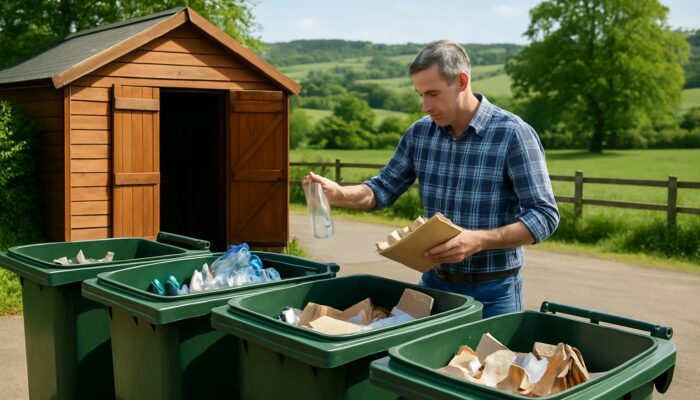
Once you have sorted your shed contents, take reusable and recyclable materials to nearby UK facilities as recommended by your council. This practice ensures adherence to environmental standards and maximises the benefits of sustainable practices in British households by effectively diverting waste from landfills.
Local councils frequently provide specific recycling points for various materials. Familiarising yourself with these facilities can enhance your sustainable initiatives. By making use of local resources, you contribute to a greener community and promote responsible waste management practices.
Professional Insights on Sustainable Shed Clearance in the UK
Expert Recommendations for Tool Preservation
Caring for garden tools during the clearance process is essential for extending their usable life within UK households. Tools that are exposed to damp conditions are prone to rust and deterioration. Implementing rust prevention techniques suited to the UK’s climate can significantly prolong the lifespan of your equipment.
Regular cleaning and proper storage are crucial. After using tools, ensure they are completely dry before placing them back in your shed. Applying a light coat of oil on metal surfaces can assist in preventing rust. consider investing in protective covers or moisture-absorbing products to shield your tools from environmental elements.
Responsible Evaluation of Insulation Materials

Inspect old shed linings for safe removal and potential recycling through approved British facilities. Experts advise checking for hazardous materials, such as asbestos or lead paint, particularly in older structures. If such materials are detected, it is imperative to engage certified professionals for safe removal.
Once confirmed safe, insulation materials can often be recycled or repurposed. Items like polystyrene or mineral wool may be accepted at specific recycling centres. By managing insulation responsibly, you not only comply with regulations but also contribute to a more sustainable approach to shed maintenance.
Actionable Steps for Community Donations
Establishing processes for passing on usable items to local UK charities ensures that they meet safety standards prior to handover. Begin by researching local charities or community groups that accept donations. Many organisations welcome tools, furniture, and gardening supplies, provided they are in good condition.
Before donating, ensure that items are clean and functional. It is also prudent to check if the charity has specific requirements or guidelines for donations. This ensures a smooth handover and maximises the positive impact of your contributions to the community.
Which Materials Are Recyclable During Shed Clearance?
Options for Wood and Timber Recovery
Identify untreated timber suitable for local recycling centres in the UK. Untreated wood can often be repurposed for new projects or recycled into mulch. treated wood necessitates specialist handling to mitigate environmental harm from the chemicals used in its treatment.
When sorting wood, pay attention to the type and condition of the materials. Many local councils provide specific guidance on the disposal of treated timber. By adhering to these guidelines, you ensure that your wood waste is processed correctly, reducing its environmental impact.
Processing Metal Items Effectively
Separate ferrous and non-ferrous metals for collection by UK scrap services. This classification is crucial, as different metals undergo different recycling processes, and handling them appropriately can significantly lower energy use in new production cycles.
Numerous scrap metal dealers in the UK accept a wide variety of metal items, from old tools to garden furniture. By recycling these materials, you not only minimise landfill waste but also contribute to the conservation of natural resources, positively impacting the environment.
Recycling Plastic Containers and Packaging
Sort rigid plastics according to the resin codes recognised by British waste operators. Many local councils have specific guidelines regarding which types of plastics can be recycled, making it essential to familiarise yourself with these. Thoroughly clean items prior to collection to prevent contamination of recyclable materials.
Properly sorted and cleaned plastics can be transformed into new products, reducing the demand for virgin materials. By preparing your plastics for recycling, you play a vital role in fostering sustainable waste management practices within your community.
Evidence-Based Benefits of Sustainable Shed Clearance in the UK
Enhancing Soil Health Through Organic Waste Composting
Composting shed debris enriches UK garden soils with natural nutrients. Research indicates that incorporating organic waste into soil can lead to improved soil health and decreased reliance on chemical fertilisers over time. This not only benefits your garden but also supports a more sustainable approach to gardening.
By composting, you create a closed-loop system that recycles nutrients back into the earth. This practice can improve soil structure and promote biodiversity, resulting in healthier plants and a more vibrant garden ecosystem.
Reducing Carbon Footprint Through Local Reuse
Keeping materials in circulation diminishes transport emissions linked to UK waste management. Studies reveal measurable savings for households that actively participate in reuse and recycling. By donating or repurposing items instead of discarding them, you contribute to reducing the carbon footprint associated with waste disposal processes.
Beyond lowering emissions, this practice nurtures a culture of sustainability within your community. Encouraging neighbours and friends to engage in similar efforts can amplify the positive impact of your actions, fostering a collective movement towards more environmentally friendly behaviours.
Showcasing Real-World Success Stories from British Properties
Highlighting successful shed clearances that diverted over half the volume from landfill using regional networks illustrates the effectiveness of sustainable practices. Many UK homeowners have reported significant reductions in waste by utilising local recycling facilities and donating usable items to charities.
These real-world examples serve as inspiration for others looking to undertake similar projects. By sharing success stories, you not only promote sustainable practices but also encourage community engagement in environmentally responsible behaviours.
How Can You Responsibly Dispose of Hazardous Items?
Proper Disposal of Paint and Chemical Residues
Adhere to UK regulations by taking old tins to designated collection points. Many local councils provide specific guidelines for disposing of hazardous waste, including paints and chemicals. Never pour liquids into drains or soil, as this can lead to serious environmental damage.
Responsible disposal is vital for protecting local ecosystems. By following regulations and utilising designated collection points, you ensure that hazardous materials are managed safely and responsibly, minimising their impact on the environment.
Protocols for Battery and Electrical Waste
Utilise authorised UK recycling banks for shed power tools and batteries. This approach prevents toxic leakage into the environment and guarantees that hazardous materials are disposed of correctly. Many retailers and local councils provide battery recycling services, making it more straightforward to dispose of these items responsibly.
Proper disposal of electrical waste not only safeguards the environment but also facilitates the recovery of valuable materials. By recycling batteries and electrical items, you contribute to a circular economy that prioritises resource conservation and sustainability.
Awareness of Asbestos in Older Structures
Inspect sheds constructed before 2000 for potential asbestos before any disturbance. Asbestos was commonly used in building materials until the late 1990s, and disturbing these materials can release harmful fibres into the air. If asbestos is suspected, engage certified UK professionals for safe extraction.
Awareness of asbestos and its associated risks is critical for anyone undertaking shed clearances. By prioritising safety and adhering to proper protocols, you protect yourself and your community from potential health hazards linked to asbestos exposure.
Proven Strategies for Sustainable Shed Clearance
Highlighting Real-World Examples of Phased Clearance
Sharing case studies from UK homes where staged removal prevented overwhelm and maximised reuse opportunities highlights effective strategies for shed clearance. Phased clearances allow homeowners to approach the process in manageable sections, reducing stress and increasing the likelihood of successful outcomes.
Many families have discovered that breaking the task into smaller parts simplifies sorting and decision-making about what to keep, recycle, or donate. This method not only streamlines the process but also encourages a more thoughtful approach to possessions and sustainability.
Expert Insights on Seasonal Planning
Provide guidance on timing clearances to coincide with British council collection schedules for optimal efficiency. Understanding local waste collection schedules aids in planning your shed clearance more effectively, ensuring that you maximise available resources.
By coordinating your clearance efforts with these schedules, you can reduce the time and effort required to dispose of unwanted items. This strategic approach promotes sustainable practices while making the process more convenient and efficient.
Actionable Steps for Maintaining an Inventory
Recommend creating detailed lists of items to track progress and ensure nothing suitable for donation is overlooked. Keeping an inventory helps you stay organised and focused during the clearance process. It also allows you to monitor what has been sorted, recycled, or donated.
Using a simple spreadsheet or even a notepad can be effective for logging items. This practice not only aids in the current clearance but also serves as a valuable reference for future shed management efforts, promoting ongoing sustainability.
Why Embrace Sustainable Practices for Shed Clearance?
Financial Savings from Reuse and Recycling
Sustainable methods typically lower disposal fees charged by UK services. By repurposing or donating items, you can significantly reduce the costs associated with waste disposal. Long-term benefits include diminished replacement purchases, as maintaining and reusing tools and materials can save money over time.
Engaging in sustainable practices not only benefits the environment but also supports your budget. By making conscious decisions about what to keep and what to donate, you can create a more financially sustainable approach to managing your shed.
Protecting Local Wildlife Through Environmental Safety
Avoiding chemical runoff is essential for safeguarding British garden ecosystems. Responsible disposal supports biodiversity in residential areas, ensuring that local wildlife habitats remain healthy and thriving. By prioritising sustainable practices, you contribute to the preservation of the natural environment surrounding your home.
Participating in responsible waste management practices fosters a sense of community stewardship. When everyone takes part in protecting local ecosystems, the collective impact can lead to significant improvements in environmental health and sustainability.
Enhancing Community Wellbeing Through Resource Sharing
Donating cleared items strengthens ties within UK neighbourhoods. It fosters a culture of mindful consumption, encouraging others to consider the impact of their waste and the benefits of sharing resources. By engaging in community donation efforts, you not only assist others but also nurture a sense of belonging and cooperation.
Resource sharing can cultivate a more interconnected and supportive community. By motivating neighbours to adopt similar practices, you can help establish a culture of sustainability that benefits everyone, improving the overall wellbeing of your local area.
Maintaining Your Shed Following Clearance
How Frequently Should Structural Checks Be Conducted?
Regular inspections every six months help identify damp or pest issues that are common in UK sheds. Taking early action can prevent larger repairs later on, saving you time and money in the long run. By establishing a routine for these checks, you ensure that your shed remains in optimal condition.
During inspections, look for signs of wear, water damage, or pest infestations. Addressing these issues promptly can extend the life of your shed and protect the items stored within. A proactive approach to maintenance is essential for sustainable shed management.
Enhancing Ventilation for Longevity
Install proper airflow features to mitigate condensation in British outbuildings. This extends the life of stored goods sustainably by reducing moisture-related damage. Consider adding vents or employing dehumidifiers to improve airflow and maintain a dry environment within your shed.
Effective ventilation helps maintain a stable environment inside your shed, protecting tools and materials from dampness. By investing in these improvements, you can ensure that your shed remains functional and well-maintained for years to come.
Utilising Natural Pest Control Methods
Employ eco-friendly deterrents suitable for UK climates. Avoid harsh chemicals that could negatively impact surrounding gardens and wildlife. Options like peppermint oil or natural traps can effectively keep pests at bay without harming the environment.
Regularly checking for signs of pests can help you address issues before they escalate. By adopting a natural approach to pest control, you contribute to a healthier ecosystem and maintain a safe environment for your shed’s contents.
Protecting Wood from Weather Damage
Regular application of wood preservatives tailored for UK climates helps shield your shed from rain and moisture. This preventive measure avoids costly replacements and maintains the structure’s integrity for years to come. Look for eco-friendly options that provide protection without harmful chemicals.
Maintaining the wooden components of your shed is vital for longevity. By investing in proper treatments, you ensure that your shed remains a durable and functional space, ready to meet your needs for the long term.
Ensuring Adequate Drainage Around the Shed Base
Maintaining effective drainage around your shed’s foundation is crucial in the UK’s wet climate. Regularly clearing leaves and soil buildup prevents water accumulation that can cause rot and structural damage, ensuring your outbuilding remains dry and secure.
Consider implementing drainage solutions, such as gravel or French drains, to direct water away from your shed. By prioritising proper drainage, you protect your investment and maintain a safe and functional space for years to come.
Final Steps for Eco-Conscious Shed Management
Documenting Clearance Outcomes
Keep records of recycled volumes to monitor your personal impact. This practice encourages ongoing sustainable habits in UK settings. By tracking your progress, you can pinpoint areas for improvement and celebrate your achievements, reinforcing your commitment to sustainability.
Consider creating a simple log or chart to visualise your accomplishments. This practice not only helps you stay accountable but also serves as motivation for future clearance efforts and sustainable practices.
Future Storage Solutions Recommendations
Choose durable, weather-resistant containers made from recycled materials sourced in the UK. Thoughtful planning of layouts can ease future clearances, saving time and effort. Opting for stackable containers can help maximise space and maintain organisation within your shed.
By investing in high-quality storage solutions, you create a more sustainable and efficient environment for your shed. Thoughtful organisation enhances functionality and promotes long-term sustainability in managing your shed’s contents.
What Ongoing Habits Foster Sustainability?
Adopt routines like seasonal decluttering and material audits. These practices help maintain an organised and environmentally friendly shed space. Regularly reviewing your stored items can assist in identifying what remains useful and what can be recycled or donated.
Establishing these habits encourages a proactive approach to shed management. By integrating sustainability into your routine, you contribute to a more responsible and mindful lifestyle, positively impacting both your home and the environment.
Frequently Asked Questions
What should I do with old tools that are no longer usable?
Consider recycling the metal components at local scrap yards or donating them to community workshops that may refurbish them.
How can I tell if my shed contains asbestos?
If your shed was built before 2000, consult a professional to inspect for asbestos-containing materials, especially in insulation or roofing.
Are there specific recycling centres for garden waste in the UK?
Yes, many local councils operate dedicated recycling centres for garden waste. Check your council’s website for locations and guidelines.
What are the best practices for composting shed debris?
Ensure organic materials are free from chemicals, chop larger pieces, and mix with other compostable items to create a balanced compost pile.
Can I recycle treated wood?
Treated wood requires special handling and cannot typically be recycled with regular wood. Check with local recycling facilities for specific guidelines.
What items are considered hazardous waste?
Hazardous waste includes paints, solvents, batteries, and certain electrical items. Always consult local regulations for proper disposal methods.
How often should I check for pests in my shed?
Regular inspections every few months can help identify any pest issues early. Look for droppings, nests, or damage to stored items.
What natural pest control methods can I use?
Use essential oils like peppermint or vinegar solutions as deterrents, and consider natural traps to manage pest populations effectively.
How can I improve ventilation in my shed?
Install vents or windows to enhance airflow, and consider using moisture-absorbing products to reduce humidity levels inside the shed.
What are the benefits of donating items from my shed?
Donating reduces landfill waste, supports local charities, and promotes a culture of resource sharing within your community, enhancing social connections.