
Key Tools for Effective Garden Clearance
What Hand Tools Are Essential for Garden Maintenance?

Tools for Garden Clearance in UK Homes: In any British garden, having the right tools is crucial for efficient clearance. Essential implements such as secateurs, spades, and rakes are indispensable for uprooting weeds, clearing debris, and managing overgrown plants while minimising physical exertion. For instance, secateurs excel at pruning shrubs and cutting small branches, enabling precise cuts that promote healthy plant growth. Spades are invaluable for turning soil and extracting stubborn roots, making them essential for preparing areas designated for new planting or landscaping projects. Rakes are particularly effective at gathering fallen leaves and debris, helping the garden maintain a tidy, attractive appearance.
These hand tools are widely available at garden centres across the UK, including well-known retailers such as Homebase and B&Q. Many are thoughtfully designed to suit a range of property sizes, making them ideal for everything from compact city gardens to expansive suburban estates. For example, a traditional garden nestled in the Cotswolds may benefit from a robust spade designed for clay soil. In contrast, a modern apartment garden in London might necessitate lighter tools that are easy to store. The versatility of these implements enables homeowners to maintain their outdoor spaces, reflecting the quintessential charm of British suburban life.
What Common Tools Are Found in UK Gardens?
Manual implements such as forks and hoes are ubiquitous in UK gardens and play an essential role in routine clearance activities. These tools effectively adapt to the UK’s unpredictable weather patterns and diverse soil types. For example, a garden in the North of England, often characterised by denser clay soil, would benefit from a sturdy fork that loosens compacted soil, facilitating aeration and promoting healthy root growth.
Homeowners often favour these tools for their durability and user-friendly design. A well-constructed hoe, for example, can efficiently control weeds, enabling swift maintenance without resorting to chemical herbicides. Furthermore, many British gardens feature borders and flower beds that necessitate regular upkeep. The ability to cultivate and maintain these areas effectively ensures gardens remain visually appealing throughout the seasons. Regular use of these tools not only enhances a garden’s aesthetic value but also supports plant vitality.
Which Power Tools Are Best for Managing Larger Gardens?
For those tending larger gardens in the UK, power tools such as shredders and leaf blowers are invaluable. These electric or cordless devices drastically accelerate the garden clearance process, significantly reducing the manual labour typically associated with maintaining expansive green areas. For instance, a countryside garden may experience dense foliage and substantial amounts of fallen leaves during autumn; in such cases, a leaf blower can quickly clear debris, making upkeep easier and allowing homeowners to spend more time enjoying their outdoor spaces.
The appeal of these power tools lies in their efficiency and effectiveness. Shredders, for instance, can transform branches and garden waste into manageable mulch, which can then be utilised to enrich soil or serve as an aesthetically pleasing ground cover. Many contemporary power tools also align with local environmental standards, incorporating features designed to reduce energy consumption and emissions. This commitment not only supports eco-friendly gardening practices but also contributes to a cleaner and healthier outdoor environment. Therefore, investing in these power tools can revolutionise the way homeowners approach garden maintenance.
How to Select the Most Suitable Gardening Tools?

What Factors Should Guide Your Tool Selection?
When choosing garden tools for UK homes, several critical factors should be considered to ensure optimal choices. First, the size of your garden plays a pivotal role: compact urban gardens may require lightweight tools, whereas larger rural gardens can benefit from more robust options. Secondly, the quality of materials is paramount; tools should be constructed from durable materials that can withstand the UK’s damp climate, which can lead to rust and deterioration.
In addition to these primary considerations, here are some key factors to keep in mind:
- Ease of use: Tools should be comfortable and intuitive to use, enabling efficient operation.
- Weight: Lighter tools are preferable for extended use, helping to prevent fatigue.
- Cost: Establish a budget to identify tools that deliver quality without overspending.
- Storage: Ensure tools can be stored conveniently, especially in smaller gardens.
- Brand reputation: Select trusted brands known for producing high-quality gardening tools.
- Warranty: A robust warranty can indicate durability and the manufacturer’s confidence in their products.
Considering these factors collectively helps homeowners make informed decisions that facilitate effective garden clearance while accommodating their specific gardening needs.
How Can You Evaluate the Quality of Garden Tools?
Evaluating the quality of garden tools for use in the UK requires a thorough assessment of their construction and user feedback. Begin by examining the materials used: tools should feature sturdy handles, ideally made from hardwood or high-quality composite materials, while blades should be hardened steel to resist dulling and corrosion. A well-crafted tool not only performs better but also has a longer lifespan, ultimately saving money over time.
User reviews from reputable British retailers can provide invaluable insights into tool performance in real-world conditions. Look for feedback on how well the tools withstand the typical British climate, particularly the challenges posed by humidity and rainfall. This information can help you ascertain which tools are likely to remain functional and reliable over the long term. Additionally, visiting local garden centres lets you handle tools in person, allowing you to assess their weight, balance, and comfort. This hands-on approach ensures you select high-quality tools that align with your gardening style and requirements.
What Cost-Effective Gardening Tool Options Exist in the UK?
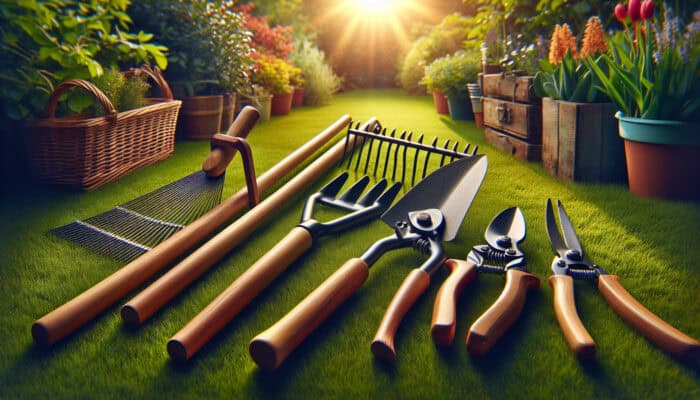
For garden clearance in average UK homes, numerous cost-effective tools strike a balance between price and functionality. Basic implements such as rakes, pruners, and trowels are fundamental for maintaining tidy gardens without straining the budget. Many UK brands offer affordable yet durable options that cater to everyday household needs.
For instance, a simple rake can be acquired for under £10, making it an accessible choice for anyone looking to tidy their garden. Similarly, pruners from brands such as Wilkinson Sword offer quality at reasonable prices, helping homeowners manage their plants and shrubs efficiently. Investing in these essential tools empowers homeowners to maintain their gardens in excellent condition, fostering healthy growth and a pleasant outdoor environment without the burden of high costs. When selected thoughtfully, these tools can significantly enhance the ease and efficacy of garden maintenance.
Insights from Experts on Tools for Garden Clearance in UK Homes
What Expert Tips Should You Follow for Tool Selection?
Garden experts recommend selecting tools designed for the size and conditions of UK gardens. For example, lightweight shears are highly recommended for urban gardens, where space constraints and ease of storage are paramount. Homeowners should also prioritise tools with ergonomic designs that reduce strain during extended use.
To enhance efficiency during clearance tasks, practical steps can be taken. First, visiting local garden centres to test tools lets you feel their weight and balance, which can significantly influence your choice. Furthermore, engaging with knowledgeable staff members can provide valuable guidance on the best tools for specific gardening tasks. Renowned UK brands like Fiskars and Gardena often produce products designed to withstand the unpredictable British weather, ensuring longevity and optimal functionality. By adhering to these expert recommendations, homeowners can select tools that not only meet their immediate needs but also support long-term gardening success.
What Are Some Real-World Examples from UK Gardens?
Real-world applications of garden tools consistently demonstrate their effectiveness in maintaining British gardens. For instance, robust hedge trimmers have proven highly effective in managing overgrown borders within suburban areas. In a recent case study from a Surrey garden, a homeowner faced challenges with an unruly hedgerow that had become a breeding ground for pests. By using a high-quality hedge trimmer, they restored the hedgerow to a manageable state, enhancing both its aesthetic appeal and plant health.
Moreover, expert analysis shows that regular maintenance with appropriate tools promotes healthier gardens. A community garden project in Manchester utilised durable spades and forks for soil preparation, resulting in improved plant growth and increased community engagement. Such examples underscore the importance of investing in high-quality tools to support successful gardening projects across diverse UK regions, reinforcing the idea that the right equipment can significantly impact desired outcomes.
How Can You Maintain Your Gardening Tools Effectively?
Proper maintenance is vital to extending the lifespan of garden tools, particularly in the UK, where humidity can cause rust and deterioration. Regular cleaning after each use is essential; remove soil and plant debris to prevent corrosion. Additionally, tools should be lubricated periodically to protect metal components and ensure they remain functional and sharp for future gardening tasks.
Experts recommend implementing seasonal checks to identify any wear and tear early. This may involve inspecting blades for dullness, which can be remedied with a sharpening stone or file, and tightening any loose screws or bolts. By establishing a routine for tool maintenance, homeowners can enhance their efficiency during garden clearance tasks. A well-maintained tool not only performs better but also reduces physical strain during use, making the gardening experience more enjoyable and productive.
Research-Backed Advantages of Using Quality Tools for Garden Clearance in UK Homes
What Benefits Are Associated with Using High-Quality Tools?
Utilising high-quality garden clearance tools in the UK offers numerous advantages. Studies indicate that superior tools can reduce the physical effort required for yard work, leading to improved precision and healthier lawns. For instance, a garden in East Sussex that implemented ergonomic hand tools saw a notable reduction in routine clearance time, allowing residents to focus more on planting and nurturing new growth.
These advantages extend beyond convenience; using high-quality tools can enhance a garden’s overall aesthetics, making it more inviting and enjoyable. Additionally, homeowners report lower physical strain when using tools designed for comfort and ease, leading to higher productivity and satisfaction. This research underscores the value of investing in quality tools for anyone serious about maintaining their outdoor space in the UK.
What Does Research Indicate About Tool Efficiency?
Research demonstrates that ergonomic tools significantly improve efficiency in UK homes by minimising fatigue during garden clearance tasks. Data from various studies indicate that users of ergonomic tools complete tasks faster, allowing them more time to enjoy their gardens. For example, a family in the Lake District found they could clear their garden of leaves in half the time with ergonomically designed rakes compared to traditional models.
Real-world examples further illustrate how these tools perform in typical UK gardens. Homeowners who switched to ergonomic hand tools reported a marked decrease in discomfort during and after gardening sessions. This not only supports better physical health but also encourages consistency in garden maintenance, ultimately resulting in more flourishing outdoor spaces. As research continues to validate the benefits of ergonomic designs, homeowners are encouraged to consider these options for enhanced gardening efficiency.
What Are the Long-Term Advantages of Investing in Quality Tools?
The long-term advantages of investing in durable garden clearance tools in the UK are considerable. Quality tools enable regular maintenance, which is vital to sustaining garden health over the long term. For instance, a gardener in Yorkshire found that using durable spades and forks significantly reduced the need for replacements, lowering long-term costs and maintaining a more vibrant garden.
Experts emphasise that investing in high-quality garden tools helps mitigate waste, as fewer replacements are necessary. This not only benefits the homeowner’s budget but also positively impacts the environment by reducing resource consumption associated with manufacturing new tools. Sustainable gardening practices are becoming increasingly crucial, and durable tools play a pivotal role in promoting ecological health in domestic settings.
How Do Sustainable Tools Impact the Environment?
The environmental implications of selecting sustainable tools for garden clearance in the UK are substantial. Research indicates that tools made with eco-friendly materials and processes reduce overall emissions and help preserve soil quality. For example, tools made from recycled metals or sustainably sourced wood help reduce the carbon footprint associated with gardening.
Moreover, utilising these sustainable tools supports eco-friendly home practices and reinforces a commitment to preserving local ecosystems. For instance, a community garden initiative in Bristol has adopted environmentally conscious practices by employing biodegradable tools and materials, illustrating how individual choices can lead to broader ecological benefits. Opting for sustainable options not only aids the environment but also aligns with a growing trend among UK homeowners who prioritise responsible gardening practices.
What Maintenance Do Your Tools Require?
What Regular Maintenance Routines Should You Follow?
Routine maintenance of garden tools is essential for ensuring their longevity and effectiveness, particularly in the variable conditions typical of UK gardens. Regular tasks such as sharpening blades, cleaning dirt from tools, and oiling metal parts should be integrated into your gardening schedule. For example, after working with soil, it is crucial to remove any adhering dirt to prevent rusting.
Properly storing tools after maintenance is equally important. Keeping tools dry and in a ventilated area helps prevent moisture damage, ensuring they remain in good condition for future use. By adopting these maintenance practices, homeowners can ensure their tools are always ready to use, supporting ongoing garden clearance and maintaining the overall health of their outdoor spaces.
How Should You Store Your Tools Properly?
Proper storage of garden tools in UK homes is vital to prevent damage and ensure they are available for regular use. Ideally, tools should be stored in a dry, ventilated space, such as a shed or garage, to minimise exposure to moisture. Hanging tools on wall hooks or pegboards can optimise space while keeping them easily accessible.
In addition, consider the following storage tips:
- Keep tools clean: Always clean tools before storing them to prevent rust.
- Use protective covers: Covers can safeguard blades from damage.
- Organise by frequency: Store frequently used tools closer for easy access.
- Label storage areas: Clear labelling helps with quick tool location.
- Avoid overcrowding: Ensure tools have space to prevent accidental damage.
By adhering to these guidelines, homeowners can significantly extend the lifespan of their garden tools, ensuring they remain effective and reliable throughout the gardening seasons.
What Common Issues and Fixes Should You Be Aware Of?
Common issues, such as dull blades and rust, can reduce the effectiveness of garden tools in the UK. Dull blades can be honed with honing kits or sharpened with sharpening stones, helping tools maintain their cutting efficiency. Regular inspections for signs of wear and prompt attention to these issues can prevent more significant issues in the future.
For instance, if a gardener notices that their secateurs struggle to make clean cuts, sharpening the blade can restore functionality. Rust, on the other hand, can be mitigated by cleaning tools after each use and applying a light coat of oil. Addressing these common issues ensures smooth clearance processes, allowing homeowners to maintain tidy gardens without interruptions, ultimately enhancing the overall gardening experience.
Safety Tips for Using Garden Tools
What General Safety Guidelines Should You Follow?
Safety should always be a priority when using garden tools in UK homes. Homeowners are encouraged to wear gloves to protect their hands and to inspect tools before each use for any signs of damage, such as chipped blades or loose handles. Adhering to these basic guidelines can help prevent accidents and injuries during garden clearance tasks, creating a safer environment for all users.
Additionally, it is vital to maintain awareness of your surroundings when using tools; for example, being cautious around nearby children or pets can prevent accidents. Furthermore, homeowners should familiarise themselves with the specific safety features of their tools, such as blade guards or locking mechanisms for powered equipment. By following these safety practices, gardening can be a secure and enjoyable activity.
What Protective Equipment Is Recommended in the UK?
Using protective equipment while gardening is essential for safeguarding against potential hazards. Homeowners should invest in essential gear, such as safety goggles to protect their eyes from flying debris and sturdy boots to protect their feet from heavy tools or sharp objects. This equipment complies with local safety standards and significantly reduces the risks associated with garden clearance tasks.
Furthermore, wearing long trousers and gloves can provide additional protection against cuts and scrapes. High-visibility clothing may also be advisable when working in larger gardens, where the risk of accidents is higher. Such measures not only enhance personal safety but also foster a culture of security among individuals engaged in outdoor gardening, ensuring a safer environment for everyone involved.
What Key Safety Practices Should You Adopt?
Adopting key safety practices is vital for preventing injuries while using garden tools in UK gardens. One important habit is employing proper lifting techniques when handling heavy tools or bags of soil; bending at the knees rather than the waist can prevent back strain. Additionally, ensuring tools are always stored safely, with blades covered and handles secured, reduces the risk of accidents during retrieval.
Another critical practice involves being mindful of tool usage around others; ensuring that children and pets maintain a safe distance when operating power tools can prevent accidents. Regularly reminding oneself to focus on the task at hand, while avoiding distractions such as mobile phones, is also crucial for maintaining a safe working environment. By incorporating these safety practices, homeowners can protect themselves and others, facilitating effective and cautious handling of garden tools.
How Should You Store Your Garden Tools Safely?
In British homes, the safe storage of garden tools is essential to prevent accidents and maintain a tidy environment. Storing tools properly in sheds or garages protects them from adverse weather and ensures they are available when needed. It is advisable to keep blades covered to prevent accidental cuts while reaching for tools, and to secure handles to avoid injuries during retrieval.
Consider implementing the following safe storage tips:
- Use designated storage areas: Assign a specific space for each tool to avoid confusion.
- Keep sharp tools out of reach: Store them high or in locked cabinets to prevent access by children.
- Regularly clean storage areas to prevent clutter and ensure easy access to tools, maintaining a safe environment.
- Label storage containers: Clearly identify contents for quick retrieval.
By adhering to these guidelines, homeowners can create a safe, organised space for their garden tools, significantly reducing the risk of accidents and ensuring a tidy environment.
What Emergency Responses Should You Prepare for Tool-Related Injuries?
Being prepared for tool-related injuries is essential for anyone using garden tools in the UK. Homeowners should maintain a well-stocked first-aid kit that includes essential items such as adhesive bandages, antiseptic wipes, and gauze. Familiarity with basic first-aid techniques for treating cuts or strains can make a significant difference in an injury, enabling an immediate response and minimising severity.
For instance, if a gardener sustains a cut from a sharp tool, applying pressure with a clean cloth can help control bleeding while waiting for further treatment if necessary. Additionally, understanding how to address sprains or strains, which are common during heavy lifting, can help manage discomfort effectively. This proactive approach to safety enhances the gardening experience and instils confidence in homeowners as they engage in their outdoor activities.
Frequently Asked Questions (FAQs)
What Tools Are Essential for Effective Garden Clearance?
Essential tools for garden clearance include secateurs, spades, rakes, forks, and hoes, all of which are vital for managing weeds, debris, and plant health.
How Do I Select the Right Garden Tools for My Needs?
Consider factors such as size, material quality, ease of use, and budget when selecting garden tools. Ergonomic designs also provide added benefits for comfort and efficiency.
Why Is Tool Maintenance Important for Gardeners?
Regular maintenance extends the lifespan of garden tools, ensuring they remain effective and preventing issues such as rust and dullness that can hinder performance.
Can I Use Power Tools for Garden Clearance Tasks?
Absolutely, power tools like shredders and leaf blowers are excellent choices for larger gardens, significantly reducing manual labour and enhancing overall efficiency.
How Should I Store My Garden Tools Properly?
Tools should be stored in a dry, ventilated space; utilising wall hooks or pegboards helps keep them organised and prevents moisture damage.
What Common Issues Might Arise with Garden Tools?
Common issues include rust, dull blades, and loose handles, which can impair performance if not addressed promptly.
How Frequently Should I Sharpen My Garden Tools?
It is advisable to sharpen tools after every few uses, especially if they show signs of dullness, to maintain their effectiveness.
What Protective Equipment Is Recommended While Gardening?
Essential protective equipment includes safety goggles, gloves, sturdy boots, and appropriate clothing to prevent injuries while gardening.
What Techniques Can Help Prevent Gardening Injuries?
Employing proper lifting techniques, staying alert during tasks, and keeping tools organised are crucial in minimising the risk of injuries while gardening.
How Should I Respond to Tool-Related Injuries?
Prepare a first-aid kit and be familiar with basic first-aid principles for treating cuts or strains to ensure a prompt, effective response to injuries.