Comprehensive Guide to UK Waste Sorting Regulations
What Constitutes the Legal Framework for Effective Waste Sorting?

The legal framework that governs waste sorting laws for house clearance in the UK is primarily grounded in the Environmental Protection Act 1990, along with subsequent regulations that have been enacted. These laws require householders to categorise their waste into distinct groups, including general refuse, recyclables, and hazardous materials. Local authorities are tasked with enforcing these regulations, ensuring adherence through periodic inspections and educational initiatives within the community. For example, councils in London have adopted stringent waste sorting policies, necessitating that residents utilise colour-coded bins designated for different types of waste. This strategy not only enhances recycling rates but also diminishes reliance on landfill sites.
Local authorities wield the power to impose fines for non-compliance, acting as a significant deterrent against improper waste disposal practices. In various regions, failing to comply with these regulations can incur penalties of up to £5,000, underscoring the serious nature of these laws. In Manchester, for instance, the city council has launched educational programmes aimed at clarifying waste sorting guidelines, which have led to a notable increase in compliance rates among residents. This robust legal framework is designed not only to safeguard the environment but also to promote sustainable habits among local populations.
What Are the Fundamental Elements of Waste Management Laws?
UK waste management laws encompass several critical elements that homeowners must grasp to ensure compliance during house clearances. A vital requirement is the obligation to sort items into designated categories, including electronics, garden waste, and general refuse. This separation is essential for effective recycling and resource recovery. For instance, householders must ensure that they do not commingle hazardous items, such as batteries or paints, with general waste, as this could lead to substantial environmental damage and hefty fines.
Additionally, the laws stipulate that households must actively engage in local recycling schemes. Many councils provide dedicated collection services for bulky items and hazardous waste, simplifying compliance for residents. Penalties for non-compliance may include fines as well as the potential for legal action if waste is improperly disposed of. With ongoing updates to waste management laws, understanding these essential components is imperative for all homeowners embarking on house clearance projects.
What Common Challenges Do Householders Face in Compliance?
Householders in the UK frequently encounter numerous challenges when striving to comply with waste sorting laws for house clearance. One of the most common difficulties is determining which waste materials can be effectively sorted and recycled. Many residents may feel overwhelmed by the diverse array of items that require sorting, leading to confusion and potential penalties. For example, distinguishing between recyclable plastics and non-recyclable materials can often be ambiguous, resulting in incorrect disposal decisions.
Moreover, there is often a significant lack of awareness surrounding local waste sorting schemes and guidelines. Many householders may not be well-informed about the specific services provided by their local councils, such as special collections for large items or hazardous waste disposal options. However, educational outreach initiatives can substantially enhance compliance rates. For instance, workshops facilitated by local councils can equip residents with the skills to sort their waste efficiently, leading to improved environmental outcomes and reduced fines.
How is Waste Sorting Implemented Practically?

What Steps Should Be Followed for Effective Waste Sorting?
Sorting waste in the UK involves a systematic process that homeowners must adhere to during house clearances to comply with waste sorting laws for house clearance. The initial step entails categorising waste into designated bins: recycling, general refuse, and special collections. Homeowners must diligently follow the guidelines established by the Environment Agency and local councils to avoid any legal complications.
Each category encompasses specific requirements. For example, recyclable materials such as paper, cardboard, and certain plastics should be placed in the recycling bin, while organic waste must be disposed of in the food waste bin when applicable. General refuse is reserved for items that do not fit into these categories. For instance, furniture and non-recyclable plastics usually necessitate special collection arrangements. Homeowners are encouraged to consult their local council’s website or reach out directly to comprehend the specifics of their waste sorting obligations, thereby ensuring compliance and minimising the risk of penalties.
What Tools and Resources Can Aid in Effective Waste Sorting?
To support effective sorting during house clearances, various tools and resources are accessible to UK householders. At the forefront is the colour-coded bin system employed by local councils, which simplifies the waste segregation process. Each bin corresponds to a specific type of waste, such as recyclable materials or general refuse, allowing residents to swiftly identify where to place various items, thus promoting efficient sorting practices.
In addition, many councils provide online resources and applications that assist residents in managing their waste more effectively. These digital tools often contain information on local recycling policies, collection schedules, and practical tips for waste reduction. Householders can also take part in community workshops designed to educate them about effective waste management practices. Such initiatives not only enhance adherence to waste sorting laws but also cultivate a sense of environmental responsibility among community members. By leveraging these resources, households can substantially improve their waste management outcomes.
What Are the Monitoring and Enforcement Mechanisms in Place?
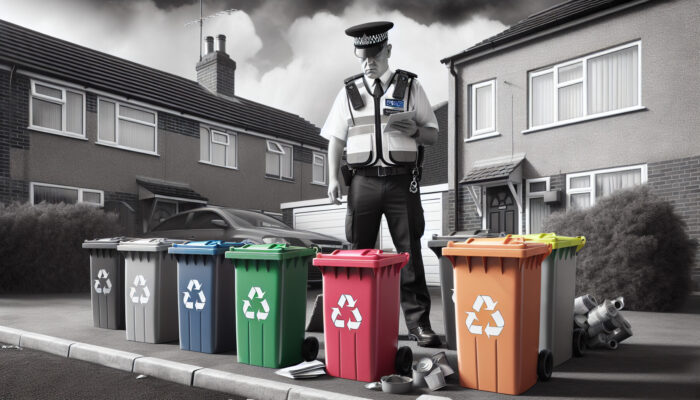
Monitoring and enforcement mechanisms are integral to ensuring compliance with waste sorting laws for house clearance in the UK. Local authorities are tasked with inspecting waste from clearances to confirm that sorting regulations are being adhered to. These inspections may be random or scheduled and can include spot checks on residential properties as well as collection sites. The presence of enforcement officers acts as a deterrent, motivating residents to comply with waste sorting guidelines.
In instances of non-compliance, councils possess the authority to impose fines or pursue legal action against offenders. The penalties for failing to sort waste correctly can be substantial, underscoring the importance of understanding local regulations. Moreover, councils often engage in public awareness campaigns to educate residents about the significance of proper waste sorting and the repercussions of neglecting to comply with regulations. These efforts engender a sense of accountability within communities and promote improved waste management practices overall.
Insights from Experts on Waste Sorting Laws for House Clearance
How Do Experts Recommend Conducting an Initial Waste Assessment?
Experts in the domain of waste management advocate for commencing with a comprehensive initial assessment of household items prior to a clearance to comply with waste sorting laws for house clearance. This assessment should involve evaluating each item’s potential for recycling, reuse, or necessity for disposal. Homeowners are encouraged to create a list categorising items by type, which can significantly streamline the sorting process. For example, electronics should be segregated from general refuse, as they frequently contain hazardous materials necessitating special handling.
Furthermore, consulting with local authorities or waste management professionals can yield valuable insights into appropriate sorting procedures and local recycling options. Many councils provide detailed guidelines on what can be recycled and the correct methods for disposing of hazardous materials. By meticulously assessing household items, residents can mitigate the risk of non-compliance and positively contribute to their local environment.
What Advanced Strategies Can Enhance Regulatory Adherence?
To bolster regulatory adherence during house clearances, experts recommend implementing advanced strategies tailored to the specific requirements of waste sorting laws for house clearance. One effective tactic is to develop a comprehensive waste management plan that outlines the sorting process, disposal methods, and recycling options available within the community. Such a plan ensures that all householders involved in the clearance are aligned regarding compliance requirements.
Another strategy involves conducting training sessions for residents to educate them about waste sorting laws and best practices. These sessions can include practical demonstrations on how to properly segregate waste, highlighting common errors and the importance of correct disposal methods. Additionally, engaging with local waste services to establish clear communication channels can help resolve any uncertainties regarding waste management practices. By adopting these advanced strategies, householders can foster a culture of compliance and environmental accountability.
What Are the Long-Term Benefits of Seeking Expert Guidance?
Seeking expert guidance in the sphere of waste sorting for house clearance can yield numerous long-term advantages for UK residents. By leveraging professional advice, householders can streamline their waste management processes, ensuring adherence to waste sorting laws for house clearance. This not only diminishes the likelihood of incurring penalties but also leads to cost savings by minimising disposal fees associated with non-compliance.
Moreover, professionals in the waste management sector often possess extensive knowledge of local recycling initiatives and can connect homeowners with relevant resources. By following expert recommendations, residents can enhance their recycling rates, positively contributing to their community’s environmental objectives. Ultimately, investing in expert guidance improves the overall efficiency of house clearance processes, resulting in better outcomes for both the household and the environment.
What Are the Consequences of Non-Compliance?
Why Is Proper Sorting Crucial Under UK Regulations?
Proper sorting of waste is paramount under UK laws to avert environmental damage and promote public health. Incorrectly sorted waste can incur significant fines, potentially reaching £5,000 for serious violations. The legal framework is designed to encourage responsible waste management practices and curtail landfill use, thereby safeguarding natural resources and minimising pollution.
Furthermore, proper sorting facilitates effective recycling and resource recovery, which are essential for sustainability. Homeowners must be cognisant of these regulations and the implications of non-compliance to ensure they contribute positively to their local environment. Recognising the importance of adhering to these laws not only shields households from penalties but also supports broader initiatives aimed at enhancing recycling rates and reducing waste.
What Are the Common Violations and Their Consequences?
Several prevalent violations of UK waste sorting laws can lead to severe repercussions for householders. These include:
- Mixing hazardous items, such as batteries or chemicals, with general waste.
- Improper disposal of recyclable materials, leading to contamination.
- Failure to utilise designated bins for different waste types.
- Neglecting to arrange special collections for bulky or hazardous items.
Each of these violations can result in substantial fines or even legal action, depending on the severity and frequency of the offences. For instance, mixing hazardous materials with general refuse not only contravenes waste sorting laws but also poses significant risks to public health and the environment. Being aware of these key violations and their consequences is essential for householders to successfully navigate the complexities of waste management.
How Can Residents Appeal Enforcement Actions?
In the event of receiving a fine for non-compliance with waste sorting laws for house clearance, residents in the UK possess the right to appeal enforcement actions. The initial step in the appeal process entails gathering evidence that demonstrates compliance efforts. This may include photographs of sorted waste, receipts from local recycling facilities, or documentation of any correspondence with local authorities regarding waste disposal.
Once the evidence is collated, residents should adhere to the appeal process specified by their local council, typically involving the submission of a formal letter or online application detailing the grounds for the appeal. Councils often impose specific timelines for submitting appeals, making prompt action essential. Engaging in constructive dialogue with local authorities can facilitate a resolution, enabling householders to effectively navigate the legal system during house clearances.
What Are the Escalating Penalties for Repeated Offences?
In the UK, repeated non-compliance with waste sorting laws for house clearance can result in escalating penalties that serve as a deterrent for improper waste disposal. Initially, offenders may face fines starting from £200, but these penalties can increase significantly for subsequent violations. In severe cases, persistent non-compliance may lead to fines reaching thousands of pounds or even imprisonment, highlighting the seriousness of these regulations.
This escalating penalty structure underscores the necessity for ongoing vigilance and responsible waste management practices. Householders must remain informed regarding local regulations and take the required steps to ensure compliance, thereby avoiding cumulative penalties and legal complications during house clearances. By adopting a proactive approach to waste sorting, residents can shield themselves from the risks associated with non-compliance and contribute positively to their community’s environmental initiatives.
What Resources Can Help Avoid Penalties?
To steer clear of penalties associated with waste sorting laws for house clearance, UK residents can utilise various resources provided by government websites and local authorities. These resources typically encompass comprehensive guidelines on waste management regulations, recycling options, and local disposal services. By familiarising themselves with these resources, householders can implement effective sorting strategies during house clearances.
Local councils frequently conduct educational campaigns and workshops aimed at informing residents about their responsibilities concerning waste sorting. Additionally, many councils offer online platforms where residents can report issues or seek clarification on waste management practices. Engaging with these resources can significantly reduce the risk of fines and enforcement actions while nurturing a culture of environmental responsibility within communities.
Research-Backed Benefits of Adhering to Waste Sorting Laws for House Clearance
What Environmental Benefits Do These Laws Provide?
Research reveals that effective sorting of waste during house clearances in the UK affords significant environmental advantages. Studies have consistently shown that proper waste sorting diminishes carbon emissions and conserves natural resources, thereby contributing to overall ecological health. By ensuring that recyclable materials are diverted from landfills, these laws promote recycling initiatives that mitigate the energy required for producing new products.
For instance, when householders accurately sort paper and cardboard, it enables recycling facilities to process these materials efficiently, thereby minimising the environmental impact associated with their disposal. Furthermore, effective waste sorting is crucial for reducing pollution and protecting local ecosystems. By adhering to waste sorting laws, individuals actively contribute to long-term sustainability goals, ensuring a cleaner and healthier environment for future generations.
What Are the Economic Impacts on Households and Communities?
The economic ramifications of adhering to waste sorting laws for house clearance can be substantial for both households and communities in the UK. Research indicates that proper waste sorting reduces overall disposal costs associated with house clearances. By accurately categorising waste, households can take advantage of local recycling programmes that are often free or subsidised, thereby lowering their waste management expenses.
Communities that actively engage in waste sorting also experience benefits from increased recycling revenue. Local councils can generate income through the sale of recyclable materials, which can subsequently be reinvested into community services and initiatives. This reciprocal relationship underscores the importance of compliance with waste sorting laws, as it not only alleviates financial burdens on households but also fosters economic growth within the community.
What Social Effects Emerge from Widespread Compliance?
Widespread compliance with waste sorting laws for house clearance cultivates a sense of community responsibility and engagement in the UK. Research indicates that when residents adhere to these regulations, it results in cleaner neighbourhoods and enhanced public health standards. A culture of compliance inspires individuals to take pride in their local environment, fostering improved community spirit and cooperation.
Moreover, successful waste sorting initiatives frequently motivate further environmentally friendly practices among residents. As community members observe the positive outcomes of their collective efforts, they are more inclined to adopt sustainable behaviours, such as reducing waste and supporting local eco-friendly businesses. Ultimately, compliance with waste sorting laws not only enhances the immediate environment but also contributes to a wider shift towards sustainability within society.
How Can Households Effectively Prepare for Waste Sorting?
What Preparatory Measures Should Be Taken?
To ensure compliance with waste sorting laws for house clearance, UK households should implement several preparatory measures prior to clearances. One effective strategy is to clearly label items according to their waste category, such as recyclable, non-recyclable, or hazardous. This labelling can greatly facilitate the sorting process and ensure that householders do not inadvertently mix different types of waste.
Additionally, households should familiarise themselves with the official guidelines provided by their local councils. These guidelines typically include specific instructions on what can and cannot be recycled, along with details about special collection services for large or hazardous items. By planning ahead and understanding local regulations, residents can minimise the risk of penalties and ensure a smoother clearance process.
How Can Sorting Be Integrated into Daily Routines?
Integrating waste sorting into daily routines is essential for UK residents to comply with waste sorting laws for house clearance. By adopting practices such as separating recyclables during regular household activities, individuals can significantly simplify the clearance process. For instance, maintaining separate bins for recyclables, food waste, and general refuse within the home encourages family members to consistently engage in proper waste management practices.
Moreover, incorporating waste sorting into everyday life helps residents become more mindful of their consumption patterns. As individuals recognise the importance of sorting waste, they are more likely to make informed choices about the items they purchase, favouring products with minimal packaging or recyclable materials. This proactive approach not only aids in compliance but also contributes to a more sustainable lifestyle overall.
What Resources Are Available for Ongoing Education and Support?
Various resources are available to UK households for ongoing education and support regarding waste sorting laws for house clearance. Local councils frequently offer training sessions and workshops aimed at enhancing residents’ understanding of waste management regulations. These initiatives often cover best practices for sorting waste and highlight common pitfalls to avoid.
Additionally, many councils have developed online platforms where residents can access educational materials, including guides, videos, and interactive tools that clarify the recycling process. Engaging with these resources can keep residents informed about any updates to local waste sorting laws and best practices, ensuring continued compliance and fostering a culture of environmental responsibility within the community.
How Should Appropriate Waste Containers Be Selected?
Selecting appropriate waste containers is critical for UK households aiming to comply with waste sorting laws for house clearance. Householders should opt for colour-coded bins that correspond to different waste streams, such as general refuse, recyclables, and organic materials. This colour-coding system simplifies the sorting process and reduces the likelihood of contamination, ensuring that materials are processed correctly.
Furthermore, investing in appropriately sized containers can enhance the efficiency of waste sorting. For instance, households generating a significant amount of garden waste may benefit from larger compost bins, while those with minimal garden debris might require smaller containers. By choosing the right waste containers, residents can facilitate effective sorting during clearances and comply with local environmental regulations, ultimately minimising errors and improving recycling rates.
What Common Sorting Challenges Should Be Addressed?
Residents in the UK may face several common challenges when it comes to properly sorting waste during house clearances. One of the most significant issues is dealing with contaminated recyclables, which can occur when non-recyclable items are inadvertently placed in recycling bins. This contamination can lead to entire batches of recyclables being sent to landfill, undermining the effectiveness of sorting efforts.
To tackle these challenges, householders should adhere to official tips and guidelines provided by their local councils. For example, attending community workshops on waste management can equip residents with the knowledge and skills necessary to sort effectively. Additionally, seeking advice from local councils can assist individuals in navigating common sorting dilemmas and ensuring consistent waste management practices. By proactively confronting these challenges, residents can enhance their compliance with waste sorting laws and positively contribute to their communities.
Effective Strategies for Complying with Waste Sorting Laws for House Clearance
What Key Strategies Enhance Efficient Waste Segregation?
Implementing key strategies for efficient waste segregation is crucial for UK residents aiming to comply with waste sorting laws for house clearance. One effective method is to utilise designated bins specifically for house clearances, ensuring that all waste is accurately categorised. These bins should be clearly labelled to indicate the type of waste they are intended for, which helps prevent common sorting errors.
Additionally, establishing a sorting station within the home can streamline the process during clearances. This designated area should contain all necessary bins and tools, making it easier for householders to categorise waste as they proceed. For instance, residents can create a dedicated space in their garage or utility room to facilitate efficient sorting. By incorporating these strategies into their waste management practices, households can bolster compliance with regulations and contribute to greater recycling efforts.
How Can Collaboration with Local Waste Services Benefit Households?
Collaborating with local waste services serves as another effective strategy for UK households aiming to comply with waste sorting laws for house clearance. Partnering with councils for house clearance collections ensures that waste is sorted appropriately and disposed of in accordance with local regulations. Many councils provide special collection services for bulky items, hazardous waste, and recyclable materials, simplifying adherence to waste sorting laws for residents.
Moreover, consulting with local waste management professionals can yield valuable insights into the specific requirements of waste sorting in the area. These professionals often possess in-depth knowledge of local recycling options and can assist householders in navigating waste management challenges. By fostering collaboration with local waste services, residents can significantly diminish the risk of non-compliance and promote environmentally responsible practices within their communities.
How Can Success in Waste Management Efforts Be Measured?
Householders in the UK can gauge success in their waste management efforts by tracking the volumes of sorted waste during house clearances. This proactive approach enables residents to verify their adherence to waste sorting laws for house clearance and promotes ongoing improvement in practices. By maintaining records of the quantities of recyclables versus general refuse, householders can identify areas for enhancement and adjust their sorting strategies accordingly.
Key metrics for evaluating progress may include the following:
- The overall weight of recyclables collected.
- The percentage of waste diverted from landfill.
- Cost savings associated with reduced disposal fees.
- Community participation rates in recycling initiatives.
By regularly assessing these metrics, residents can gain valuable insights into their waste management practices, fostering a culture of accountability and responsibility within their households and communities.
What Eco-Friendly Disposal Options Can Be Implemented?
Implementing eco-friendly disposal options during house clearances in the UK not only complies with waste sorting laws for house clearance but also promotes sustainability and reduces landfill waste. One effective option involves recycling electronics, which often contain valuable materials that can be recovered and reused. Many councils provide special collection services for electronic waste, ensuring that these items are disposed of properly.
Composting organic materials represents another eco-friendly approach that households can adopt. By composting kitchen waste and garden debris, residents can significantly diminish the volume of waste sent to landfill while creating nutrient-rich soil for gardening purposes. Additionally, reusing items where feasible, such as donating furniture or household goods to local charities, aligns with sustainable practices and minimises waste. By embracing these eco-friendly disposal options, households can contribute to a greener environment while adhering to waste sorting regulations.
What Are the Future Developments in Waste Sorting Regulations?
What Emerging Changes Should Residents Anticipate?
Emerging changes to existing waste sorting regulations in the UK indicate a trend towards more stringent sorting requirements for house clearances aimed at enhancing recycling rates and ensuring environmental protection. The government is increasingly recognising the significance of sustainable waste management practices, leading to comprehensive reviews of current laws. These revisions may introduce more explicit guidelines on what constitutes recyclable materials, along with tighter controls on the disposal of hazardous waste.
As environmental concerns continue to escalate, local authorities may also implement additional penalties for non-compliance to ensure residents adhere to these evolving regulations. For example, prospective changes may focus on boosting public awareness regarding the necessity of proper sorting, reinforcing the need for householders to stay informed about the latest legal requisites. As these regulations develop, residents must remain proactive in adapting their waste management practices to align with new expectations.
What Potential Innovations in Waste Handling Are on the Horizon?
Potential innovations in waste handling are paving the way for more efficient processes in the UK, particularly concerning house clearances. One promising development is the emergence of new technologies designed to automate sorting processes, which could significantly streamline waste management operations. For example, advanced sorting facilities may employ artificial intelligence and machine learning to enhance the accuracy of material identification and separation.
Moreover, the integration of smart bins equipped with sensors can monitor waste levels and notify local councils when collections are necessary, optimising resource allocation. These technological advancements not only support compliance with waste sorting laws for house clearance but also contribute to improved recycling rates and resource recovery. As these innovations gain traction, they possess the potential to transform the waste management landscape, providing residents with more effective and efficient ways to manage their waste.
How Important Is Public Participation in Regulatory Updates?
Public participation is crucial in shaping future updates to waste sorting regulations in the UK. Engagement from residents ensures that house clearance laws remain practical and effective, reflecting the needs and concerns of the community. Local councils often conduct consultations and feedback sessions where residents can express their opinions on proposed changes to waste sorting policies.
Furthermore, encouraging community involvement in waste reduction initiatives cultivates a sense of responsibility among residents. This engagement not only enhances compliance rates but also promotes a culture of sustainability. By actively participating in policy reviews and discussions, residents can help influence the direction of waste management practices, ultimately ensuring that regulations evolve to address the environmental challenges of the future.
What Are the Economic Implications for Households?
New waste sorting regulations in the UK may introduce various economic implications for households, particularly concerning financial incentives for compliant house clearances. For instance, several local councils might offer rebates or discounts for residents who consistently adhere to waste sorting laws, thus encouraging more sustainable practices. Conversely, penalties for improper sorting could become more pronounced, motivating households to adopt compliant behaviours to avoid increased costs.
These economic considerations highlight the importance of understanding and complying with evolving waste sorting regulations. By fostering a culture of compliance, households can not only protect their finances but also contribute positively to their local communities. As the landscape of waste management continues to transform, staying informed about potential incentives and penalties will be vital for residents aiming to navigate these changes effectively.
What Training and Education Initiatives Are Needed?
The UK government has the opportunity to develop comprehensive training and education initiatives aimed at informing citizens about impending changes to waste sorting rules for house clearances. These initiatives could encompass workshops, online resources, and community outreach programmes designed to enhance public understanding of waste management regulations. By providing accessible information, residents will be better prepared to comply with new laws and adopt best practices.
Moreover, educational campaigns can also address common misconceptions surrounding waste sorting, helping to clarify what materials can be recycled and the proper methods for disposing of hazardous items. By investing in robust training programmes, the government can foster a culture of environmental responsibility among the public, ultimately leading to improved compliance with waste sorting laws and better outcomes for the environment.
Frequently Asked Questions
What Are the Primary Waste Sorting Laws in the UK?
The primary waste sorting laws in the UK are delineated in the Environmental Protection Act 1990, which mandates that waste must be sorted into specific categories such as recyclables, general refuse, and hazardous materials.
How Can I Determine What Can Be Recycled in My Area?
You can ascertain information regarding recyclable materials by visiting your local council’s website, which typically offers guidelines and resources tailored to your specific locality.
What Are the Penalties for Incorrect Waste Sorting?
Penalties for failing to sort waste correctly can range from fines of £200 for minor infractions to £5,000 for severe violations, depending on the nature of the offence.
Can I Challenge a Waste Sorting Fine?
Yes, you have the right to appeal a waste sorting fine by gathering evidence of your compliance efforts and submitting a formal appeal to your local council, following their outlined procedures.
What Should Be Done with Hazardous Waste During a House Clearance?
Hazardous waste must be disposed of through special collections offered by local councils or designated disposal facilities, as it cannot be mixed with general refuse.
How Can I Enhance My Household’s Recycling Rate?
Improving your household’s recycling rate can be accomplished by educating family members about proper sorting practices, employing clear labels, and staying informed on local recycling guidelines.
What Resources Exist for Waste Management Education?
Local councils often provide educational resources such as workshops, online guides, and community forums to assist residents in comprehending waste management and sorting regulations.
Are There Incentives for Proper Waste Sorting?
Some local councils provide financial incentives or rebates for residents who consistently comply with waste sorting laws, thereby encouraging more sustainable waste management practices.
How Does Waste Sorting Benefit the Environment?
Proper waste sorting reduces landfill use, conserves natural resources, and decreases carbon emissions, significantly contributing to overall environmental sustainability and public health.
What Are Common Mistakes in Waste Sorting?
Common mistakes include mixing recyclable materials with general refuse, failing to separate hazardous waste, and neglecting to follow local bin guidelines, which can lead to penalties and reduced recycling rates.