Effective Preparation for Your Attic Clearance
Steps for a Comprehensive Initial Inspection
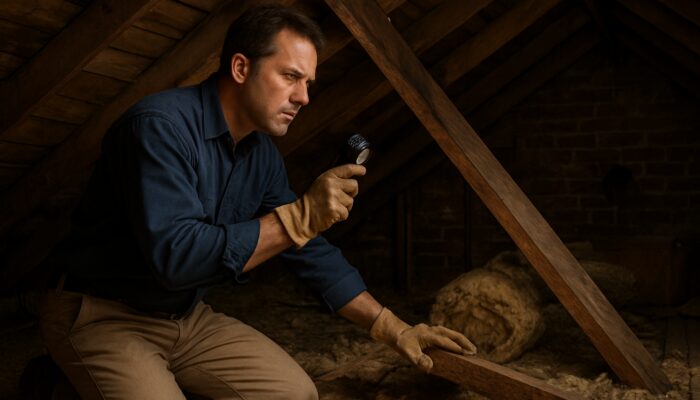
Before you begin clearing your attic, it is essential to perform a detailed inspection. Start by evaluating the structural integrity of the beams and flooring, checking for any signs of damage such as rot or sagging. Be alert for pests, including rodents and insects, which could present health risks and complicate your clearance efforts.
After assessing the structural components, examine the insulation and any stored items for mould or dampness. In older UK homes, you may encounter outdated materials that require special handling. Make a note of any issues you identify, as this will aid in formulating a clear and effective clearance strategy.
Essential Tools for a Successful Clearance
Having the right tools is vital for an efficient attic clearance. A reliable ladder is crucial for safely accessing higher areas, while protective gear such as gloves, masks, and goggles will protect you from dust and allergens. Investing in a high-quality vacuum cleaner designed for fine particles can significantly enhance your cleaning efforts.
You will also need storage containers or bags to organise the items you plan to keep, donate, or discard. A well-structured plan and the appropriate tools will make the entire process smoother, ensuring that it is both safe and manageable.
Strategic Item Categorisation
As you prepare for your attic clearance, take the time to categorise your belongings effectively. Begin by identifying which items hold value, sentimental significance, or are in good condition and should be retained. Subsequently, determine which items can be donated or sold, as many local charities in the UK are eager to accept usable goods.
Lastly, be pragmatic about which items need to be discarded. Familiarise yourself with local waste disposal guidelines to ensure responsible handling of these items. This method not only aids in decluttering your space but also encourages sustainable practices within your community.
Professional Insights on Clearing Attics in UK Homes

Real-Life Examples of Attic Challenges
When clearing attics in UK homes, real-life examples reveal common challenges and solutions. Many homeowners in older properties unearth hidden hazards such as asbestos insulation or structural weaknesses. Hiring a professional to evaluate these risks can help prevent serious accidents during the clearance process.
For instance, a homeowner in London discovered extensive water damage in their attic, necessitating immediate action before any clearance could commence. By consulting a structural engineer, they ensured the safety of their home while effectively managing the clearance.
Reviewing Safety Protocols
Safety must always be a priority during attic clearance. Before starting, check the structural integrity of the ceiling, beams, and flooring for any signs of wear or damage that could pose a risk while you are moving around the space.
It is advisable to have a spotter or a second person present during the clearance to assist if necessary. This practice helps manage the risks associated with working at heights and ensures that heavy items are moved safely to prevent injury.
Guidelines for Handling Materials Safely
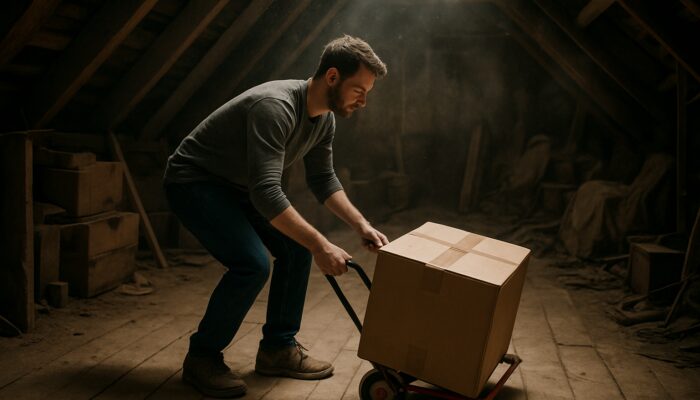
When handling heavy items in your attic, it is crucial to adopt proper techniques to avoid damaging your home. Always bend your knees and keep your back straight when lifting to prevent strain. If possible, dismantle larger items into smaller, more manageable pieces before attempting to move them.
Using a dolly or hand truck can significantly ease the burden of transporting heavy boxes or furniture. Ensure there is a clear path to the exit, free of obstacles, to facilitate a smooth removal process.
Techniques for Insulation Removal
Removing old insulation from your attic can be a daunting task, especially if it contains hazardous materials such as asbestos. Wearing appropriate protective gear, including gloves and masks, is crucial for minimising health risks. If you suspect your insulation may be hazardous, consult a certified contractor for safe removal.
For non-hazardous insulation, utilise a vacuum designed for insulation removal to minimise dust and debris. Dispose of the old insulation in accordance with local regulations to ensure compliance and environmental responsibility.
Guidelines for Regulatory Compliance
Adhering to UK building regulations during attic clearance is essential to prevent potential fines and ensure safety. Familiarise yourself with local laws concerning waste disposal, structural modifications, and hazardous materials. Obtaining necessary permits may be required, particularly if structural work is involved.
Consulting with local authorities or a professional contractor can clarify what is required. Ensuring compliance not only protects your investment but also contributes to the safety of your home and community.
How Does Safety Equipment Benefit Workers During Clearance?
Identifying Essential Protective Gear
Key protective gear for attic clearance includes high-quality masks, gloves, and goggles. Masks are particularly important to guard against dust and allergens that can accumulate in poorly ventilated spaces. Choose masks that filter fine particles to provide maximum protection during the clearing process.
To masks, gloves protect your hands from sharp objects or irritants. Goggles shield your eyes from dust and debris, making them essential for safety. Ensuring all team members are equipped with appropriate safety gear is crucial for a successful and safe clearance.
Best Practices for Harness Usage
When working at heights in an attic, proper fitting of harnesses is vital for safety. A well-fitted harness should be snug but not restrictive, allowing for movement while providing adequate support. Ensure the harness is securely attached to an anchor point to prevent falls.
Training in harness usage can enhance safety during clearance operations. Regularly inspect equipment for wear and tear, replacing any damaged components to maintain safety standards throughout the clearance process.
Ensuring Proper Ventilation
Maintaining adequate ventilation in an attic during clearance is essential for reducing health risks associated with mould and insulation fibres. Open windows or utilise fans to promote airflow, ensuring that dust and allergens are dispersed rather than concentrated in the space.
Consider using air purifiers equipped with HEPA filters to further improve air quality. Effective ventilation not only protects workers but also helps maintain a healthier environment in the home during and after clearance activities.
Sorting and Organising Your Attic Items
Effective Categorisation Techniques
Proper sorting of items in your attic is fundamental to a successful clearance. Start by categorising possessions based on their condition and value. Create distinct groups for items to keep, donate, sell, or discard, simplifying the decision-making process.
This method of categorisation enhances efficient decision-making, allowing you to focus on what truly matters while decluttering your space. Clear categories also streamline the packing and storage process, ensuring items are organised for future use.
Choosing Suitable Storage Solutions
Selecting appropriate storage solutions is essential for protecting items in your attic from damp conditions. Opt for plastic containers with airtight seals to safeguard belongings from moisture and pests. Clearly label each container to facilitate easier retrieval in the future.
Utilising shelving units can maximise vertical space and keep items elevated off the floor, reducing the risk of water damage. Proper storage solutions can extend the lifespan of your belongings while maintaining an orderly attic.
Facilitating the Donation Process
Coordinating donations through local charities is a responsible way to repurpose usable goods during your attic clearance. Research local organisations that accept donations, as many are keen to assist those in need while promoting sustainability.
Schedule collection services if available, or drop off items at designated donation centres. Ensure the items are in good condition, reflecting positively on your generosity and effectively contributing to the community.
What Advantages Does Professional Assistance Offer?
Exploring Time Savings
Hiring professionals for attic clearance can save considerable time, allowing you to focus on other priorities. Experts possess the skills and tools necessary to complete the task efficiently, often accomplishing in hours what might take an amateur much longer.
This time-saving benefit is particularly advantageous for busy households in the UK, where weekends are frequently reserved for family activities. By letting professionals manage the clearance, you can reclaim your time for more enjoyable pursuits.
Strategies for Reducing Risks
Engaging trained teams for attic clearance can significantly lower the risk of injury. Professionals are knowledgeable in safe lifting techniques and understand how to handle hazardous materials responsibly. This expertise lessens the chance of accidents that can arise during DIY clearance efforts.
Professionals are trained to identify potential hazards that an untrained eye might overlook, ensuring a safer environment throughout the clearance process. This proactive approach to safety can offer peace of mind to homeowners.
Evaluating Cost Effectiveness
When weighing the costs of DIY versus professional attic clearance, consider both time and potential risks. While DIY may initially seem cheaper, the hidden costs of injuries or property damage can accumulate quickly. Professional services often provide a clearer breakdown of expenses, simplifying budgeting.
In many instances, investing in professional assistance can yield better outcomes and less stress. A thorough comparison of overall costs, including time saved and safety assurances, often reveals that hiring experts is the more cost-effective option over time.
Advantages of Using Specialist Equipment
Professionals have access to specialised equipment that can facilitate efficient attic clearance. Heavy-duty vacuums, lifting tools, and transport vehicles are designed to handle bulky items while minimising damage to your property. This equipment can significantly expedite the clearance process.
Engaging professionals ensures that all items are removed safely and efficiently, reducing the risk of damage to your home. This advantage is particularly crucial in older UK homes, where delicate structures may be at risk during a DIY clearance.
Proven Strategies for Effective Attic Clearance in UK Homes
Actionable Steps for Insulation Removal
When removing insulation, adhere to these key steps to ensure a safe and efficient process:
- Wear appropriate protective gear, including gloves and masks.
- Utilise a vacuum specifically designed for insulation removal.
- Seal removed insulation in plastic bags for safe disposal.
- Check for any hidden hazards, such as electrical wiring.
Implementing these steps can enhance energy efficiency in your home, as new insulation can significantly lower heating costs and improve comfort.
Incorporating Pest Control Measures
Integrating pest control measures during attic clearance is crucial for preventing future infestations. Common pests in UK attics include rodents and insects, which can cause damage and pose health risks. Consider using traps or consulting a pest control professional to address any existing issues.
This proactive approach not only facilitates a clear space but also ensures that your home remains pest-free in the long term. Regular inspections and preventive measures are essential for maintaining a healthy attic environment.
Best Practices for Documentation
Maintaining detailed records of your attic clearance is important for insurance purposes. Document all steps taken, including photographs of the condition before and after clearance. This documentation can be invaluable if issues arise later or if you need to file a claim.
Keeping records of any professionals engaged during the process, along with receipts for services rendered, can help protect your investment. Adhering to UK guidelines for documentation ensures compliance and provides peace of mind.
How Can You Ensure Responsible Waste Disposal?
Understanding Recycling Guidelines
Responsible waste disposal is vital during attic clearance. Familiarise yourself with local council regulations regarding recycling, as many materials can be recycled instead of sent to landfill. Common recyclable items include wood, metal, and certain plastics.
Ensure you separate these materials prior to disposal to streamline the recycling process. Following local guidelines not only benefits the environment but also promotes responsible community practices, contributing to a more sustainable future.
Handling Hazardous Waste Properly
Identifying and disposing of hazardous waste properly is critical during attic clearance. Items such as old chemicals, paints, or asbestos require special handling and should never be placed in regular waste. Consult with local authorities for guidance on hazardous waste disposal options available in your area.
Engaging a certified contractor for hazardous materials ensures compliance with UK regulations and protects both your health and the environment. This careful approach mitigates risks associated with improper disposal.
Exploring Skip Hire Options
When clearing substantial amounts of debris, hiring a skip can be an effective solution. Choose a skip size that meets your waste needs without exceeding local regulations. Many councils require permits for placing skips on public roads, so be sure to verify these requirements beforehand.
Utilising a skip hire service can simplify waste disposal, allowing for efficient collection and removal. This option proves particularly beneficial for extensive attic clearances, ensuring that waste is managed responsibly and effectively.
Final Steps for Cleaning and Maintenance
Effective Dust Removal Techniques
After completing your attic clearance, thorough dust removal is essential for restoring cleanliness. Use a vacuum system specifically designed for fine particles to effectively eliminate dust and allergens that may have accumulated during the process. This step is crucial for maintaining a healthy environment in your home.
Consider following up with a damp cloth to wipe down surfaces and remove any remaining dust. Regular cleaning will help keep your attic in good condition and prevent the buildup of debris in the future.
Conducting Moisture Checks
Inspecting for leaks and moisture is vital following the clearance process. Look for signs of water damage or dampness that may have been concealed by stored items. Promptly addressing any leaks can prevent future issues, such as mould growth or structural damage.
Regular checks of your attic’s ventilation system can also assist in maintaining a dry environment. Ensuring proper airflow will reduce the likelihood of moisture-related issues, contributing to a healthier home overall.
Enhancing Access for Future Use
Improving access to your attic can enhance its usability for future storage. Consider installing better lighting to illuminate the space, making navigation easier. upgrading flooring or adding more robust shelving can maximise storage potential while ensuring safety.
These improvements not only make your attic more functional but also encourage regular maintenance and use. A well-maintained attic can serve as valuable storage space while enhancing the overall appeal of your home.
Following Waste Disposal Procedures
Ensure that all waste materials from your attic clearance are collected and transported by certified professionals. Adhering to strict UK waste management guidelines is essential to protect the environment and maintain compliance with local authority requirements.
Proper disposal of waste not only contributes to a cleaner environment but also reflects responsible homeownership. By following these guidelines, you play a part in promoting sustainability within your community.
Frequently Asked Questions
What should I check for during the initial attic inspection?
During your initial inspection, examine for structural damage, signs of pests, and the condition of insulation. Look for mould or dampness, as these can indicate underlying issues that need addressing before clearance.
How can I safely manoeuvre heavy items in my attic?
To safely handle heavy items, use proper lifting techniques by bending your knees and maintaining a straight back. Break larger items into smaller pieces if possible and use a dolly for transport.
What materials are best for attic storage containers?
Choose plastic containers with airtight seals to protect items from moisture and pests. Transparent containers allow for easy visibility, while sturdy boxes can provide additional structural support.
How can I locate local charities for donations?
Research local charities online or consult community boards for organisations that accept donations. Many charities have websites outlining their needs and collection services, making it easy to arrange pickups.
What risks are associated with DIY attic clearance?
DIY attic clearance can entail risks such as injuries from heavy lifting, exposure to hazardous materials, or damage to property. Hiring professionals can significantly mitigate these risks.
How can I determine if my insulation is hazardous?
If your insulation appears old and is made from materials like asbestos, consult a professional for testing. Avoid disturbing it until you have confirmed whether it poses a risk.
What permits might I require for attic clearance?
Permits may be needed for structural modifications or hazardous waste disposal. Check with your local council for specific regulations that apply to your attic clearance project.
How often should I perform maintenance inspections on my attic?
Regular inspections of your attic should occur at least once a year. Check for signs of moisture, pests, and structural integrity to ensure the space remains safe and functional.
What should I do with hazardous waste found in my attic?
Hazardous waste should be handled with care and disposed of in accordance with local regulations. Consult your local council for guidance on proper disposal methods and facilities.
How can I enhance ventilation in my attic?
To improve ventilation, consider installing vents or using fans to promote airflow. Regularly check for blockages in existing vents to ensure they function effectively.