
Comprehensive Guide to Listed Building Regulations
Conducting a Detailed Site Assessment
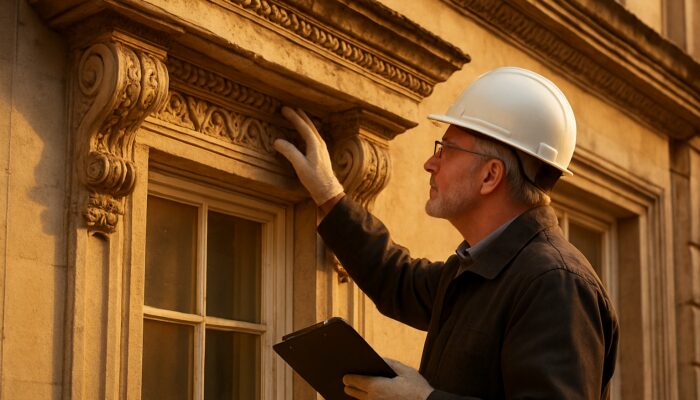
Performing an in-depth evaluation of a listed building’s historical features is vital. This assessment guarantees adherence to UK heritage laws and identifies elements that are legally protected. Before commencing any clearance work, understanding which parts of the building are significant and deserving of preservation is crucial.
Often, listed buildings boast unique architectural details, such as ornate cornices, original windows, or period-specific fixtures. Recognising these elements is essential for preserving the building’s character during modifications. Consulting with heritage consultants can provide invaluable insights into what must be preserved.
The initial site assessment should also encompass a review of the building’s historical context. Understanding its significance within the local heritage landscape can guide decisions regarding clearance strategies, ensuring that any work aligns with broader conservation objectives.
Engaging with Local Planning Authorities
Consulting with local planning authorities at the outset is critical for avoiding delays and ensuring compliance with regulations specific to listed structures. Each local council in the UK may have distinct guidelines and requirements, making early engagement an essential step in the planning process.
Local authorities can provide essential guidance on the necessary permissions and documentation needed for clearance work. They can also highlight any additional regulations that may apply, particularly if the building is situated in a conservation area or is subject to specific heritage laws.
Building a strong working relationship with local officials can facilitate smoother project execution. This proactive approach can help address potential concerns before they escalate, ensuring that your clearance strategy stays on track and adheres to all legal requirements.
Essential Documentation for Clearance Projects
Gathering comprehensive records of the building is crucial for supporting legal processes throughout the clearance. Proper documentation aids in obtaining the necessary approvals and serves as a reference throughout the project. Key documents typically required for UK approvals include:
- Applications for listed building consent
- Heritage impact assessments
- Structural surveys
- Photographic records of existing conditions
- Historical research documentation
- Method statements outlining proposed works
- Consultation records with local authorities
- Environmental assessments, if applicable
Having these documents organised can significantly streamline the clearance process. It ensures that all stakeholders are informed and that the project adheres to the necessary legal frameworks.
Evaluating Structural Integrity
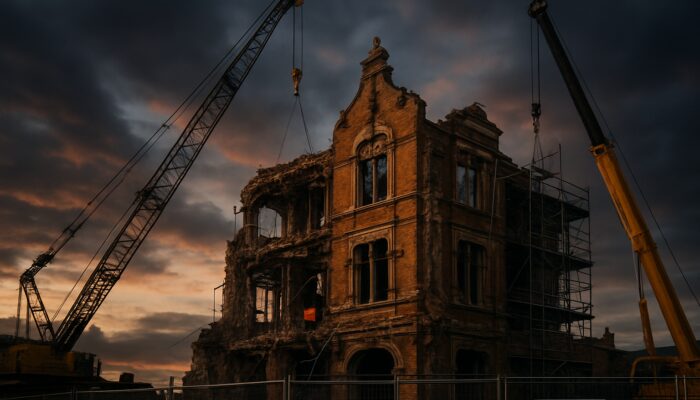
Implementing Effective Surveying Techniques
Professional surveys are essential for uncovering potential risks associated with older UK buildings. These surveys generally include visual inspections, structural assessments, and advanced techniques such as ground-penetrating radar to identify underlying issues. Understanding the building’s condition is fundamental for the safe planning of clearance activities.
Survey techniques should be tailored to the building’s age and construction type. For example, timber-framed structures may require different assessment methods compared to those built from stone. Engaging qualified surveyors ensures that the techniques employed are appropriate and effective in identifying structural weaknesses.
Surveys can also determine whether any remedial work is necessary before clearance can begin. Identifying these issues early can prevent complications later in the project and ensure the integrity of the listed building is maintained throughout the clearance process.
Conducting Material Analysis
Examining the original construction materials is crucial for determining appropriate removal methods for listed buildings. Different materials, such as brick, stone, or timber, possess unique properties that influence how they should be handled during clearance. Understanding these characteristics is vital for preserving the building’s historical integrity.
Material analysis can also reveal whether certain elements can be salvaged and reused, which is often encouraged in conservation practices. This not only reduces waste but also helps maintain the authenticity of the building during any restoration efforts.
In some instances, it may be necessary to conduct laboratory tests to assess the condition of materials, especially if there are concerns regarding their stability or safety. This thorough approach ensures that the selected removal methods are both effective and respectful of the building’s heritage value.
Identifying Risks Early On
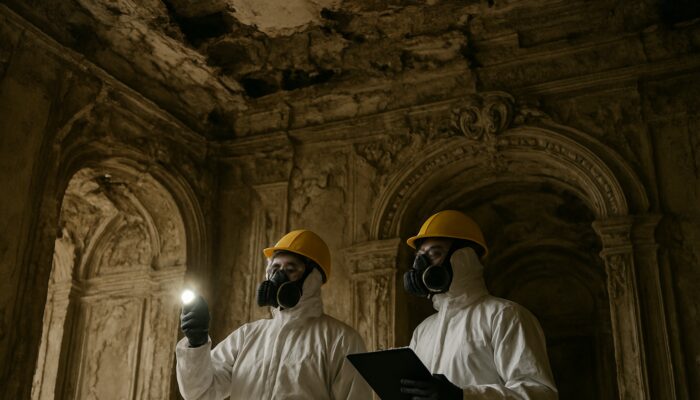
Recognising hazards at the outset of the clearance process is essential for preventing accidents during operations in listed properties. Common risks include structural instability, the presence of hazardous materials such as asbestos, and the potential for damaging sensitive architectural features. A comprehensive risk assessment should be conducted prior to any clearance activities.
Identifying these hazards necessitates collaboration with qualified professionals, including structural engineers and environmental specialists. Their expertise can help pinpoint specific risks associated with the building’s condition and materials, allowing for the development of suitable mitigation strategies.
Incorporating risk identification into the planning phase enhances safety and contributes to the project’s overall success. By addressing potential issues from the outset, teams can implement safety protocols that protect both workers and the integrity of the listed building during clearance operations.
Assessing Load Distribution
A thorough evaluation of load distribution in historic British constructions is necessary to identify critical stress points. This assessment ensures that any clearance or restoration activities do not jeopardise the structural soundness of the building. Understanding how weight is distributed across various elements is essential for planning safe removal methods.
Load assessments typically involve analysing the building’s original design and materials to determine how they interact under different conditions. This is particularly important in buildings that have undergone modifications over the years, as these changes may have affected the load-bearing capacity.
By identifying stress points, teams can develop targeted strategies that minimise disruption and maintain safety throughout the clearance process. This careful planning protects the building’s integrity while ensuring that any necessary work can be carried out effectively.
Inspecting Foundations
Evaluating foundations and support systems in historic UK sites uncovers underlying issues that might affect overall integrity. Foundation problems can lead to significant structural concerns if not addressed properly, making this inspection a critical step in the clearance process.
During the inspection, professionals will look for signs of settlement, cracking, or moisture intrusion, all of which can indicate potential weaknesses. Understanding the foundation’s condition allows for informed decisions about whether additional support is needed during clearance activities.
Addressing foundation issues before clearance begins can prevent complications later in the project. Ensuring that the building’s base is stable not only enhances safety but also contributes to the overall success of any subsequent restoration efforts.
Expert Strategies for Clearing Listed UK Buildings
Engaging Specialist Consultations
Involving UK chartered surveyors in the planning process offers expert analysis tailored to sensitive listed building projects. These professionals possess the qualifications and experience necessary to navigate the complexities associated with heritage properties. Their insights can significantly enhance the effectiveness of clearance strategies.
Chartered surveyors provide guidance on compliance with local regulations and best practices for preserving historical elements during the clearance process. Their expertise can help identify potential challenges and propose solutions that align with conservation goals.
Engaging specialists early in the project can lead to more efficient decision-making and smoother execution. Their involvement ensures that all aspects of the clearance are handled with utmost care, preserving the building’s historical significance while facilitating necessary work.
Reviewing Previous Case Studies
Analysing past UK clearance cases offers actionable insights for refining current strategies effectively. By examining previous projects, teams can identify successful approaches and challenges encountered, allowing for continuous improvement in clearance methodologies.
Case reviews can highlight effective techniques for managing specific materials or structural challenges commonly faced in listed buildings. This knowledge can be invaluable in developing tailored approaches that address the unique characteristics of each project.
Learning from past experiences fosters collaboration among stakeholders. Sharing insights from previous cases can help align expectations and streamline efforts, ultimately leading to more successful clearance outcomes in future projects.
Conducting Compliance Checks
Real-world examples from UK experts underscore the importance of regulatory adherence in listed building clearances. Compliance checks ensure that all necessary permissions have been obtained and that work aligns with local and national heritage laws. This diligence helps avoid costly delays and potential legal issues.
Experts often provide case studies that illustrate successful compliance strategies, showcasing how specific challenges were navigated. These examples serve as valuable learning tools for teams embarking on similar projects, reinforcing the significance of thorough planning and adherence to regulations.
Incorporating compliance checks into the project timeline can also enhance stakeholder confidence. Demonstrating a commitment to regulatory adherence protects the project and fosters goodwill with local authorities and the community.
What Measures Ensure Safety During Clearance?
Implementing Protective Measures
Establishing barriers and protocols is essential for safeguarding workers and the public on UK sites with listed status. Effective protective measures can help prevent accidents and ensure that clearance activities proceed safely and efficiently.
Barriers may include physical fencing around the worksite, signage to inform the public of potential hazards, and designated safe zones for workers. These measures help control access to the site and minimise the risk of accidents during clearance operations.
Developing clear protocols for emergency situations is crucial. Establishing procedures for evacuation, first aid, and communication can enhance safety, ensuring that all team members are prepared to respond effectively to any incidents that may arise during the clearance process.
Establishing Training Protocols
Ensuring that teams are adequately trained to handle delicate UK heritage materials is vital for preventing damage during clearance. Training protocols should focus on best practices for working with various materials, tools, and techniques specific to listed buildings.
Training sessions may include hands-on workshops, safety briefings, and guidance on the historical significance of the materials being handled. This comprehensive approach fosters a deeper understanding of the importance of preservation and the techniques required to achieve it.
Regular refresher courses can help maintain high standards of safety and care among team members. By prioritising training, organisations can ensure that workers are equipped with the knowledge and skills necessary to handle sensitive materials responsibly.
Developing Emergency Plans
Preparing for incidents is crucial for maintaining safety standards in clearance operations across the United Kingdom. An effective emergency plan should outline procedures for various scenarios, including accidents, structural failures, or hazardous material exposure.
This plan should be clearly communicated to all team members, ensuring everyone understands their roles and responsibilities in an emergency. Regular drills can reinforce these procedures and ensure that workers are familiar with the steps they need to take.
Having emergency contacts readily available and establishing communication protocols can enhance response times during incidents. A well-prepared team can significantly mitigate risks, ensuring that safety remains a top priority throughout the clearance process.
Research-Backed Advantages of Effective Clearance Strategies
Gains in Efficiency
Studies indicate that optimised methods can considerably reduce the time required for UK listed building projects. By implementing best practices and leveraging expert insights, teams can streamline their clearance processes, resulting in faster project completion without compromising quality.
Efficiency gains can be realised through careful planning, effective resource allocation, and the use of advanced technologies. These strategies not only enhance productivity but also contribute to overall project success by minimising delays and disruptions.
Focusing on efficiency can lead to improved stakeholder satisfaction. When projects are completed on time and within budget, it fosters trust and confidence among clients, local authorities, and the community, paving the way for future collaborations.
Reducing Costs
Research shows that financial benefits arise from adopting researched clearance approaches in the United Kingdom. By utilising efficient methods and materials, teams can lower overall project costs while still adhering to regulatory requirements and preserving heritage values.
Cost reductions can stem from various factors, including minimising waste, optimising resource usage, and avoiding costly delays. Implementing strategies that prioritise efficiency can lead to significant savings, making heritage projects more financially viable.
Understanding the financial implications of clearance methods can help teams make informed decisions that align with both budgetary constraints and conservation goals. This balance is essential for successful project outcomes in the realm of listed buildings.
Enhancing Project Outcomes
Improved results in UK heritage clearances can be attributed to various factors that contribute to successful project outcomes. Key benefits include:
- Preservation of historical features
- Increased safety for workers and the public
- Improved project timelines
- Cost-effective resource management
- Greater stakeholder satisfaction
- Minimised environmental impact
- Enhanced community engagement
- Stronger compliance with regulations
By focusing on these benefits, teams can ensure that their clearance strategies not only meet immediate needs but also contribute to the long-term preservation of the UK’s architectural heritage.
What Challenges Are Commonly Encountered in the Process?
Overcoming Regulatory Hurdles
Navigating approvals frequently complicates timelines for listed buildings in the UK. The regulatory landscape can be intricate, with various local and national laws governing the clearance of heritage sites. Understanding these requirements is essential for avoiding delays and ensuring compliance.
Common hurdles include obtaining listed building consent, managing consultations with local authorities, and addressing public concerns. Each of these factors can impact the overall timeline and success of the project, making it crucial to approach them strategically.
Engaging professionals with experience in navigating these regulatory challenges can help streamline the process. Their insights can lead to more efficient approvals and a clearer understanding of what is required at each stage of the project.
Handling Materials with Care
Preserving fragile elements during clearance necessitates careful techniques tailored to United Kingdom structures. Listed buildings often feature unique materials and construction methods that demand a high level of expertise in handling and removal.
Implementing proper handling techniques is essential to avoid damage to these sensitive materials. This may involve using specialised tools, employing gentle removal methods, and ensuring that workers are trained in best practices for preserving historical integrity.
Having a clear plan for the disposal or storage of removed materials can ensure that they are treated with the respect they deserve. This approach not only protects the building’s heritage but also contributes to sustainable practices within the industry.
Coordinating Stakeholder Efforts
Aligning all parties involved in the clearance process is crucial for streamlining efforts on UK clearance sites. Effective communication and collaboration among stakeholders, including contractors, local authorities, and heritage organisations, can significantly enhance project outcomes.
Establishing clear roles and responsibilities for each stakeholder helps ensure that everyone is aligned and working towards common goals. Regular meetings and updates can facilitate this coordination, allowing for timely adjustments and problem-solving as needed.
Fostering a collaborative environment can lead to innovative solutions and improved efficiency. When stakeholders work together effectively, they can navigate challenges more easily and contribute to the successful clearance of listed buildings.
Proven Strategies for Clearing Listed UK Buildings
Implementing Phased Approaches
Utilising phased approaches allows for expert analysis on sequencing work to minimise disruption at UK listed properties. Breaking down the clearance process into manageable phases facilitates careful planning and execution, ensuring that each stage is completed effectively.
Phased approaches enable teams to concentrate on specific areas of the building, allowing for more detailed assessments and targeted strategies. This method can be particularly advantageous in complex projects with multiple stakeholders, as it promotes clearer communication and coordination.
This strategy helps mitigate risks associated with structural integrity. By addressing one phase at a time, teams can closely monitor the building’s condition and make adjustments as necessary, ensuring that the overall project remains on track and aligned with heritage preservation goals.
Integrating Technology
Utilising modern tools and technology can enhance precision in removals within the United Kingdom context. Advanced technologies such as 3D scanning, drones, and Building Information Modelling (BIM) provide valuable insights into the building’s condition and inform clearance strategies.
These tools can help identify structural weaknesses, assess material conditions, and facilitate detailed planning. By integrating technology into the clearance process, teams can make more informed decisions and enhance the overall efficiency of their operations.
Technology can improve communication among stakeholders. Sharing data and insights in real-time allows for quicker responses to challenges and fosters collaboration throughout the project, ultimately leading to better outcomes in listed building clearances.
Establishing Monitoring Systems
Implementing ongoing oversight during listed building clearances can significantly enhance project success. Monitoring systems track the condition of the building throughout the clearance process, allowing teams to identify emerging issues and address them promptly.
These systems may include regular inspections, structural assessments, and environmental monitoring to ensure that the building’s integrity is maintained. By implementing a robust monitoring framework, teams can proactively address challenges and make informed decisions about clearance strategies.
Real-world examples illustrate the effectiveness of monitoring systems in preserving listed buildings during clearance. Successful projects often highlight how ongoing oversight contributed to timely interventions and ultimately protected the building’s historical significance.
How Does Heritage Preservation Play a Role?
Retaining Key Features
Protecting essential elements during clearance is crucial for maintaining the building’s historical value. Identifying features significant to the building’s character, such as original doors, windows, and architectural details, is a critical step in the clearance process.
Preserving these elements enhances the building’s aesthetic appeal and contributes to its historical narrative. Ensuring that key features are retained throughout the clearance process helps maintain the building’s integrity and significance within the local heritage landscape.
Retaining historical features can increase the overall value of the property. Buyers and investors often seek buildings with preserved character, making it essential for clearance strategies to prioritise the protection of these elements during any work.
Incorporating Specialist Input
Expert advice is vital in balancing removal with preservation in listed UK sites. Engaging specialists who understand the intricacies of heritage conservation helps ensure that clearance strategies respect the building’s historical significance.
These specialists can offer insights into which elements can be safely removed and which must be preserved. Their expertise is invaluable in navigating the complexities of working with heritage materials and understanding the legal requirements surrounding listed buildings.
Integrating specialist input into the planning process can lead to more effective clearance strategies prioritising preservation. This collaborative approach ensures that the project’s goals align with broader heritage conservation objectives.
Utilising Adaptive Methods
Adjusting techniques to protect integrity while progressing work on United Kingdom heritage assets is essential. Adaptive methods allow teams to be flexible in their approach, ensuring they can respond effectively to the unique challenges presented by each listed building.
For instance, if a particular removal technique poses a risk to a sensitive architectural feature, teams can adapt their methods to minimise impact. This flexibility enhances the overall effectiveness of clearance strategies while ensuring the building’s historical value is preserved.
Adopting adaptive methods encourages innovation within the industry. By fostering creativity in approach clearance, organisations can develop new techniques that enhance preservation efforts and contribute to the ongoing conservation of the UK’s architectural heritage.
Post-Clearance Restoration Techniques
Creating Reinstatement Plans
Developing restoration strategies is essential for revitalising UK sites following clearance activities. A well-conceived reinstatement plan outlines how the building will be restored to its former glory, ensuring that historical features are preserved and enhanced.
This plan should incorporate detailed specifications for materials, techniques, and timelines, providing a clear roadmap for the restoration process. Collaborating with conservation specialists during this phase can ensure that reinstatement aligns with best practices for heritage preservation.
Reinstatement plans should consider the broader context of the building’s historical significance. Understanding its place within the local heritage landscape can inform decisions about how it should be restored and which features should be prioritised in the process.
Sourcing Authentic Materials
Locating matching supplies is crucial for ensuring authentic repairs for listed buildings in the United Kingdom. Using original materials or high-quality reproductions is vital for maintaining the building’s character and historical integrity.
Engaging with suppliers who specialise in heritage materials can facilitate this process. These suppliers often have access to a range of products specifically designed for use in listed buildings, ensuring that repairs are both effective and respectful of the building’s heritage.
Prioritising local suppliers can support the community and reduce environmental impact. Sourcing materials locally enhances the authenticity of the restoration and contributes to sustainable practices within the industry.
Ensuring Quality Assurance
Verifying successful UK heritage restorations involves implementing quality assurance measures throughout the process. This ensures that all work meets the necessary standards and adheres to best practices for heritage conservation.
- Regular inspections during restoration
- Documentation of materials used
- Engagement with conservation specialists
- Feedback from stakeholders
- Compliance with regulatory requirements
- Post-restoration evaluations
- Community engagement and input
- Long-term maintenance plans
By prioritising quality assurance, teams can enhance the overall success of their restoration efforts. This commitment to excellence protects the building’s historical significance and fosters trust among stakeholders and the community.
Conducting Environmental Monitoring
Executing detailed assessments of soil stability, water quality, and vegetation regrowth is essential for verifying the long-term efficacy of various restoration methods. Environmental monitoring helps ensure that the site remains sustainable and that restoration efforts positively contribute to the surrounding ecosystem.
Monitoring these factors can provide insights into how the building interacts with its environment, informing future restoration and maintenance strategies. Understanding the ecological context of the site is crucial for preserving both the building and its surroundings.
Collaborating with environmental specialists can enhance monitoring efforts. Their expertise can help identify potential issues and recommend strategies for maintaining the health of the site post-clearance, ensuring that the building’s historical value is preserved for future generations.
Frequently Asked Questions
What constitutes a listed building?
Listed buildings are structures recognised for their special architectural or historical interest, protected under UK law. They are classified into three categories: Grade I, Grade II*, and Grade II, with Grade I being the most significant.
Why is it essential to comprehend listed building regulations?
Understanding listed building regulations is critical to ensuring compliance with legal requirements, protecting historical features, and avoiding potential penalties or delays in renovation or clearance projects.
How can I evaluate the structural integrity of a listed building?
Engaging a qualified structural surveyor can provide a comprehensive assessment of a listed building’s integrity. They will evaluate the condition of materials, foundations, and overall stability to inform clearance plans.
What documentation is required for clearance projects?
Key documents include applications for listed building consent, heritage impact assessments, structural surveys, and photographic records of existing conditions to support legal processes.
What are common risks associated with the clearance of listed buildings?
Common risks include structural instability, exposure to hazardous materials, and potential damage to sensitive architectural features. Conducting thorough risk assessments is essential for mitigating these hazards.
How can safety be assured during clearance operations?
Implementing protective measures such as barriers, training protocols for workers, and emergency planning can significantly enhance safety during clearance operations on listed buildings.
What benefits arise from efficient clearance strategies?
Efficient clearance strategies can lead to reduced project timelines, cost savings, and improved stakeholder satisfaction, ultimately enhancing the success of heritage projects.
What challenges are often faced in the clearance process?
Common challenges include navigating regulatory hurdles, preserving fragile materials, and coordinating efforts among multiple stakeholders involved in the project.
How can technology be integrated into clearance strategies?
Modern tools such as 3D scanning and Building Information Modelling (BIM) can enhance precision and efficiency in clearance operations, providing valuable insights into the building’s condition.
What role does heritage preservation play in clearance projects?
Heritage preservation is integral to clearance projects, ensuring that key architectural features are retained and that the building’s historical significance is respected throughout the process.