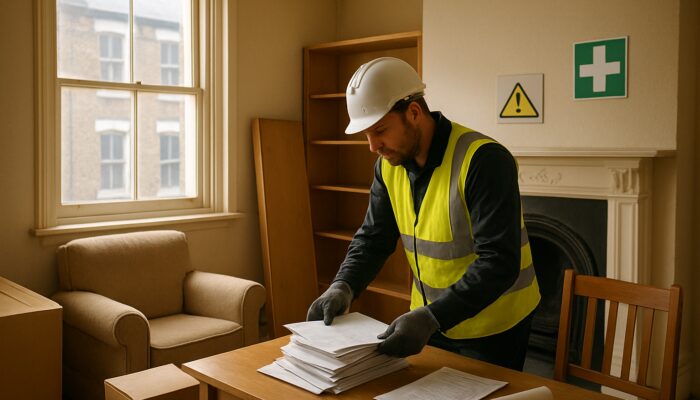
Preparing Your Body for Lifting Tasks Effectively
How to Assess Your Fitness Levels Before Starting House Clearance

Before you begin any house clearance work in the United Kingdom, it is vital to evaluate your strength and flexibility. Simple assessments, such as walking tests or light stretching exercises, can provide insight into your current fitness level. This self-evaluation helps prevent overexertion and strain when managing heavy items commonly found in British homes.
Recognising your limits is crucial. If you encounter difficulties with certain movements or feel discomfort during your assessment, it would be prudent to consult a fitness professional. They can offer personalised guidance on how to safely improve your strength and flexibility over time. This proactive approach ensures you are physically well-prepared for the challenges of house clearance.
It is important to listen to your body. If you feel fatigued or sore, take a step back and allow time for recovery. Ignoring these signals can lead to injuries that may interrupt your clearance efforts for longer than expected.
How to Select Appropriate Clothing for UK Weather Conditions
Selecting the right clothing for house clearance tasks is essential, particularly given the unpredictable nature of British weather. Choose supportive footwear that provides good grip and comfort, as you may be on your feet for extended periods. Sturdy boots are ideal for protecting your feet from heavy items and ensuring stability on various surfaces.
Layering is also crucial. The UK’s weather can change swiftly, so wearing layers allows you to adjust your clothing as needed. Breathable fabrics will help keep you cool during strenuous activities, while warmer layers can be added if the temperature drops. This adaptability ensures that you remain comfortable and focused on the task at hand.
Don’t forget to include protective gear. Wearing gloves can prevent blisters and enhance grip on items being lifted. knee pads are advisable if you anticipate kneeling frequently. Proper attire not only boosts your comfort but also contributes to your overall safety during house clearance.
Effectively Incorporating Warm-Up Routines Before Lifting
Warming up prior to lifting is a critical step in preparing your body for physical tasks. Engaging in targeted movements increases blood flow to your muscles and joints, thereby reducing the risk of injuries often encountered during house clearance. Simple exercises like arm circles, leg swings, and gentle stretches effectively ready your body for the work ahead.
Dedicate at least 5-10 minutes to your warm-up routine, focusing on the major muscle groups that will be engaged while lifting, including your legs, back, and arms. This preparation enhances flexibility and boosts your overall performance during the clearance process.
After your warm-up, take a moment to mentally prepare for the tasks ahead. Visualising the movements you will be making can help reinforce proper technique and build your confidence. Combining physical and mental preparation sets a positive tone for your house clearance efforts.
Essential Equipment for Safe House Clearance

How to Choose Reliable Lifting Aids Available Locally
When undertaking house clearance, selecting the right lifting aids is crucial for enhancing safety and efficiency. In the UK, you can find various tools designed to assist in moving heavy items. Sturdy lifting straps, gloves, and trolleys are essential for safely transporting furniture and boxes.
Local hardware stores and online retailers offer a variety of products tailored for lifting tasks. Look for adjustable straps made from durable materials to ensure they can handle substantial weight. Gloves should provide a secure grip while protecting your hands from sharp edges or rough surfaces.
Consider investing in a quality trolley or dolly. These tools can alleviate unnecessary strain and make transporting items much more manageable. By equipping yourself with reliable lifting aids, you can approach your house clearance with greater confidence and safety.
How to Maintain Tools in Good Working Order
Regular maintenance of your lifting tools is essential to ensure their effectiveness and safety. Inspecting your equipment before each use helps identify any wear and tear that may compromise performance. Check for frayed straps, worn wheels on trolleys, or any other signs of damage that could lead to accidents during lifting.
Cleaning your tools after use is equally important. Dirt and debris can accumulate, potentially affecting their functionality. A quick wipe-down after each session keeps your equipment in optimal condition, ready for the next clearance task.
Proper storage of your tools also contributes to their longevity. Keep them in a dry, accessible location to prevent rust or deterioration. By taking these simple steps, you can ensure that your lifting aids remain reliable and meet safety expectations in the UK.
How to Store Gear Properly After Use
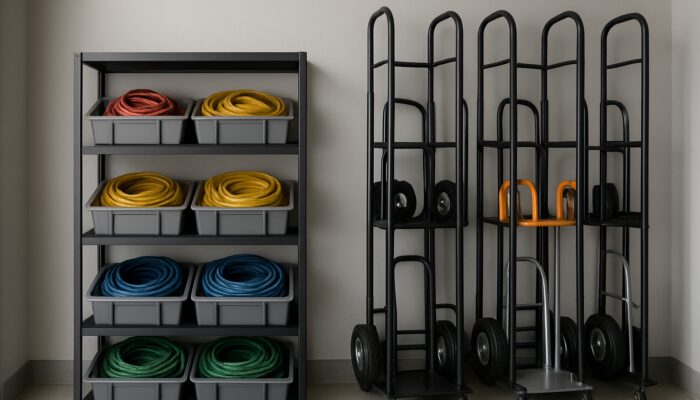
Proper storage of your lifting gear is crucial for maintaining functionality and extending its lifespan. After completing a house clearance, take the time to organise your tools. Keeping them in a designated area reduces clutter and ensures you can easily locate them for future tasks.
Consider using storage bins or racks specifically designed for lifting aids. This practice not only keeps your equipment organised but also protects it from potential damage. For example, storing straps neatly can prevent tangling, while keeping trolleys off the ground avoids rusting.
Ensure that your storage area is dry and well-ventilated. Moisture can lead to deterioration of materials, especially for items like straps and gloves. Properly storing your gear prepares you well for your next house clearance, knowing your tools are in excellent condition.
How Can Proper Technique Prevent Injuries During House Clearance?
How to Master the Basic Lift Posture Correctly
Adopting the correct lifting posture is essential for preventing injuries during house clearance. A stable stance forms the foundation of safe lifting; this involves bending your knees and keeping your back straight. This technique distributes the weight evenly and reduces the risk of back strain, a common issue in lifting activities.
When preparing to lift, ensure that your feet are shoulder-width apart for balance. Engage your core muscles to provide additional support and keep the item close to your body. This positioning not only makes lifting easier but also helps maintain proper alignment, preventing unnecessary strain on your spine.
Consistently practising this technique will help reinforce good habits. As you become more familiar with the correct posture, lifting heavier items will feel more manageable. Remember, taking the time to master basic lifting techniques is a worthwhile investment in your long-term health and safety during house clearance.
How to Practice Pivots Without Twisting the Spine
When moving items, it is crucial to pivot your body correctly to avoid twisting your spine. Instead of rotating at the waist, turn your entire body in the direction you wish to go. This technique protects your core and minimises strain on your back, especially when handling bulky or awkwardly shaped items.
To practise this method, start with lighter loads. As you gain confidence, gradually increase the weight while maintaining proper form. Visualise the movement before executing it, ensuring that your feet and hips follow your shoulders as you turn. This mindful approach reduces the likelihood of injury and enhances your overall lifting efficiency.
Incorporating this technique into your routine will make you more adept at handling various items during house clearance. With practice, you will develop a natural ability to pivot smoothly, allowing for safer and more effective lifting in your UK home.
Why Breathing Steadily Throughout Each Movement Matters
Maintaining steady breathing while lifting is often overlooked but plays a significant role in your performance and safety. Controlled breaths support core stability and help regulate energy levels during physically demanding tasks. Inhale deeply before lifting, filling your lungs for strength, and exhale as you lift the item.
This breathing technique aids in maintaining focus and helps prevent fatigue. Many beginners might hold their breath during strenuous lifts, which can lead to dizziness or a loss of strength. By consciously breathing, you enhance your endurance and reduce the risk of injury.
Incorporating this practice into your lifting routine will improve your overall experience during house clearance. As you become more aware of your breathing patterns, you’ll find that your movements become smoother and more efficient, allowing you to tackle tasks with greater confidence.
Expert Insights on Beginner Lifting Tips for House Clearance
What Are the Key Posture Adjustments to Consider?
Refining your body alignment is crucial for safe lifting practices during house clearance. Experts recommend maintaining a neutral spine; this means keeping your back straight while avoiding excessive arching or rounding. Simple adjustments, such as tucking your chin and engaging your core, can significantly enhance your lifting technique.
Real-world examples from local clearance experiences highlight the importance of these adjustments. For instance, professional movers often utilise specific stances when navigating tight spaces in British homes. By adopting similar techniques, beginners can improve their safety and efficiency, reducing the risk of injury while enhancing overall performance.
Seeking feedback from experienced individuals can help identify areas for improvement. Whether through observation or direct advice, learning from those who have mastered the art of lifting provides valuable insights that further refine your technique and boost your confidence during house clearance.
What Can We Learn from Case Studies of UK Professionals?
Analysing successful approaches used by experienced workers in British house clearances offers invaluable lessons for novices. Many professionals emphasise the importance of teamwork and communication during lifting tasks. For example, coordinated efforts when moving large furniture items can significantly reduce the risk of accidents and enhance overall efficiency.
Case studies reveal that professionals often develop their own systems for managing heavy items. These systems may include designated lifting techniques or specific tools that streamline the process. By observing and learning from these practices, beginners can adopt strategies that will make their own clearance efforts more effective.
Understanding the common challenges faced by professionals prepares novices for potential obstacles. For instance, navigating narrow hallways or dealing with stairs can be daunting. Learning how experienced workers manage these situations empowers beginners to approach their tasks with greater confidence and foresight.
How to Evaluate Risk Factors in Domestic Environments
Assessing potential hazards specific to UK properties is essential to promote safer lifting routines. Common risks include uneven flooring, cluttered spaces, and inadequate lighting. Identifying these hazards before starting a house clearance allows you to take proactive measures to mitigate risks and ensure a safer working environment.
For example, clearing pathways and ensuring that floors are dry can prevent slips and trips during lifting tasks. using proper lighting in dimly lit areas can help you see obstacles clearly, reducing the chances of accidents. Taking these precautions not only protects you but also contributes to a more efficient clearance process.
Consider the importance of preparing for unexpected challenges. Having a plan in place for dealing with difficult items or obstacles can save time and reduce stress. By evaluating risk factors and preparing accordingly, you can enhance your overall safety and effectiveness during house clearance.
How to Assess Suitable Equipment for Safe Lifting
Choosing the right equipment for lifting in British house clearances is vital for enhancing safety and reducing physical strain. Professionals recommend selecting tools specifically designed for the tasks at hand. For instance, furniture sliders can help move heavy items across floors without damaging surfaces, while lifting straps can distribute weight evenly.
When assessing equipment, consider the types of items you will be handling. For larger furniture, invest in a quality dolly or hand truck capable of supporting substantial weight. ensure that any lifting aids you choose comply with safety standards in the UK, further reducing the risk of accidents.
Seeking professional advice can also guide your equipment choices. Many experienced movers are happy to share insights on the most effective tools for specific tasks. By making informed decisions about your lifting equipment, you can significantly enhance your safety and efficiency during house clearance.
What Are Common Mistakes Beginners Make in House Clearance?
Why Overloading Your Capacity Too Quickly Is Risky
One of the most common mistakes beginners make during house clearance is attempting to lift items that exceed their capacity. Many newcomers underestimate the weight of objects, leading to fatigue or injury. It is essential to start with lighter items and gradually increase the load as your strength and technique improve.
Recognising your limits is crucial. If you struggle to lift an item, it is a clear indication that you should either seek assistance or choose a lighter object. Ignoring these signals can result in serious injuries, hindering your ability to complete the clearance effectively.
Consider breaking down larger items into smaller components. For example, disassembling furniture can make it easier to handle and transport. By being mindful of your capabilities and breaking tasks into manageable parts, you can avoid overloading yourself and ensure a safer clearance process.
How to Avoid Ignoring Environmental Hazards Indoors
Failing to check for environmental hazards indoors is another common mistake that can lead to accidents during house clearance. Beginners may overlook uneven floors, loose rugs, or cluttered spaces, increasing the risk of trips and falls. Conducting a thorough assessment of your working environment is essential before lifting any items.
Take the time to clear pathways and remove obstacles that could pose a danger. Ensuring that floors are dry and free from debris significantly reduces the likelihood of accidents. consider using mats or non-slip surfaces in areas where you anticipate moving heavy items.
Being aware of your surroundings enhances safety and contributes to a more efficient clearance process. By proactively addressing potential hazards, you can focus on the task at hand without the distraction of worrying about accidents.
Why Skipping Rest Periods Between Lifts Is Detrimental
Continuous lifting without breaks is a common pitfall for beginners, leading to fatigue and decreased focus. It is important to recognise the value of taking regular rest periods during house clearance. These breaks allow your muscles to recover and help maintain your concentration, reducing the risk of errors and injuries.
Plan your lifting sessions with scheduled breaks in mind. For instance, after completing a set of lifts, take a moment to hydrate and stretch. This practice aids recovery and refreshes your mental state, enabling you to approach the next task with renewed energy.
Encouraging a culture of rest among team members enhances overall performance. Remind each other to take breaks and support one another in maintaining focus. By prioritising rest, you can ensure a safer and more productive house clearance experience.
Why Failing to Wear Appropriate Protective Equipment Is a Mistake
Many beginners overlook the importance of wearing appropriate protective equipment during house clearances. Sturdy gloves and safety boots are essential for protecting yourself from injuries while handling sharp or heavy objects. Neglecting these basic precautions can lead to preventable cuts, bruises, and strains.
When selecting gloves, choose those that provide a good grip and are made from durable materials. Safety boots should have reinforced toes and slip-resistant soles to ensure stability on various surfaces. Investing in quality protective gear is a small price to pay for the added safety it provides.
Encourage others involved in the clearance to wear protective equipment as well. Creating a culture of safety protects individuals and fosters a more efficient working environment. By prioritising protective gear, you can significantly reduce the risk of injuries during house clearance.
How Underestimating Time Required for Thorough Clearance Affects Outcomes
Newcomers often rush through house clearance jobs without accounting for the time needed for sorting and disposal. This oversight can lead to incomplete work and potential fines from local authorities due to improper waste management practices. It is essential to plan your clearance with adequate time allowances for each task.
Before starting, create a detailed timeline that includes sorting, packing, lifting, and disposal. Factor in breaks and unexpected challenges that may arise. Establishing a realistic timeframe allows you to approach the clearance with a clear plan and avoid the stress of rushing through tasks.
Familiarise yourself with local regulations regarding waste disposal. Understanding these rules helps you avoid fines and ensures that your clearance is conducted responsibly. By taking the time to plan and prepare, you can achieve a thorough and compliant house clearance.
Building Strength Gradually for House Clearance Tasks
Why Starting with Lighter Household Items Is Important
When beginning your house clearance journey, it is wise to start with lighter household items. This approach allows you to build confidence and muscle endurance safely. Start with small boxes, soft furnishings, or lightweight decorations that are easy to handle, gradually progressing to heavier items as your strength improves.
The key is to listen to your body. If you feel fatigued or struggle to lift an item, take a step back and reassess your approach. Starting with manageable loads reduces the risk of injury and helps you develop proper lifting techniques that will serve you well in the long run.
As you gain experience and confidence, you can begin to tackle heavier items. This gradual progression ensures that your body adapts to the demands of lifting, ultimately contributing to your overall strength and efficiency during house clearance tasks.
How Tracking Progress with Simple Logs Can Help
Keeping a simple log of your lifting sessions can effectively monitor your progress and adjust your routines. Documenting the weights lifted, types of items handled, and any challenges faced provides valuable insights into your development over time. This practice not only helps you stay motivated but also allows you to identify areas for improvement.
Consider noting how you felt during each session. Were there specific items that felt particularly challenging? Did you experience any discomfort? Tracking these details enables you to make informed decisions about your training and adjust your approach as necessary.
Regularly reviewing your log highlights your achievements and motivates you to continue progressing. Celebrate your milestones, whether it is lifting a heavier item or completing a challenging clearance. This positive reinforcement encourages you to stay committed to building strength over time.
Why Combining Exercises with Daily Activities Enhances Performance
Integrating strength-building exercises into your daily activities can significantly improve your performance during house clearance. Simple tasks such as carrying groceries, gardening, or cleaning provide opportunities to engage your muscles and enhance your lifting abilities. By incorporating these activities into your routine, you can build strength without dedicating extra time to formal workouts.
For example, consider using proper lifting techniques while carrying heavy bags or boxes during errands. This practice reinforces good habits and helps you become more accustomed to lifting in various situations. engaging in regular physical activity, such as walking or cycling, improves your overall fitness and endurance.
By viewing everyday tasks as opportunities for strength building, you can create a sustainable routine that supports your house clearance efforts. This holistic approach enhances your physical capabilities and makes your daily life more active and fulfilling.
Why Teamwork Is Crucial in House Clearances
How to Coordinate Lifts with Clear Signals
Effective communication is essential when working as a team during house clearance. Coordinating lifts with clear signals—whether verbal or through hand gestures—ensures that everyone is aligned. This practice minimises miscommunication and enhances safety when moving large or heavy items.
Before starting a lifting task, take a moment to establish agreed-upon signals. For instance, a simple hand gesture can indicate when to lift or lower an item, allowing for smooth and coordinated movements. This clarity is particularly important in busy or cluttered environments where distractions may arise.
Encouraging open communication among team members fosters a supportive atmosphere. If someone feels uncomfortable lifting a particular item, they should feel empowered to voice their concerns. By prioritising teamwork and communication, you can create a safer and more efficient house clearance experience.
Why Sharing Loads Reduces Individual Strain
Distributing weight evenly among team members during house clearances promotes safety and efficiency. When lifting heavy items, sharing the load significantly reduces individual strain and minimises the risk of injuries. This collaborative approach not only makes lifting easier but also enhances the overall speed of the clearance process.
When preparing to lift, assess the item’s weight and determine how many people are needed to move it safely. Ensure that everyone involved understands their role and the best way to approach the lift. By working together and coordinating movements, you can navigate challenging items with greater ease.
Consider switching roles frequently to avoid fatigue. Rotating responsibilities allows team members to share the physical demands of lifting, ensuring no one person becomes overwhelmed. This practice promotes safety and fosters camaraderie among team members during the clearance.
How to Plan Roles Before Commencing Work
Assigning specific duties based on individual strengths optimises team efforts during house clearances. Before starting, discuss each person’s abilities and designate roles accordingly. For instance, stronger individuals can take on heavier lifting tasks while others can focus on organisation or packing.
This strategic planning enhances efficiency and reduces the risk of accidents. By ensuring that everyone is aware of their responsibilities, you can streamline the clearance process and minimise confusion. This approach allows team members to leverage their strengths, contributing to a more productive and enjoyable experience.
Encouraging collaboration during planning fosters a sense of ownership among team members. When everyone feels involved in the decision-making process, they are more likely to be engaged and motivated throughout the clearance. By prioritising teamwork and role assignment, you can create a successful and harmonious house clearance environment.
Research-Backed Benefits of Beginner Lifting Tips for House Clearance
What Real-World Examples from UK Experts Can Teach Us
Implementing proper lifting techniques can significantly lower injury rates in British house clearances. Experts in the field emphasise that adopting correct posture and using appropriate equipment can prevent common injuries associated with lifting. A local moving company reported a 30% decrease in injuries after implementing structured training programmes focused on lifting techniques.
These real-world examples demonstrate the effectiveness of sound lifting principles. By following expert guidance, beginners can develop safer habits that protect their health and enhance their overall performance during house clearance tasks.
Sharing success stories among peers can inspire others to adopt best practices. When individuals see tangible results from implementing proper techniques, they are more likely to prioritise safety in their lifting efforts. This collective commitment to safety can lead to a culture of care and responsibility during house clearances.
How Efficiency Gains Can Be Highlighted in Practice
Adopting recommended lifting approaches can lead to notable efficiency gains during house clearance tasks. For example, experienced movers often utilise specific techniques that allow them to complete jobs more quickly without sacrificing safety. Implementing these methods helps beginners streamline their efforts and achieve better results in less time.
Consider the impact of using trolleys or dollies for transporting heavy items. These tools reduce physical strain and speed up the moving process. By incorporating such equipment into your lifting routine, you enhance overall efficiency and make the clearance experience more manageable.
Working as a team further improves efficiency. Coordinated efforts and clear communication facilitate smoother transitions between tasks, ultimately leading to faster completion times. By prioritising efficiency alongside safety, you create a more effective and enjoyable house clearance experience.
How Supporting Long-Term Physical Health Matters
Consistently applying sound lifting principles contributes to long-term physical health for those involved in regular house clearance activities. By prioritising proper techniques and safety measures, individuals can protect themselves from injuries that may lead to chronic pain or long-term health issues.
Engaging in regular lifting practice builds strength and enhances overall fitness levels. As individuals become more adept at lifting, they often find that their endurance and physical capabilities improve, allowing them to tackle a wider range of tasks with confidence.
Fostering a culture of safety and proper technique within teams encourages a proactive approach to health. When individuals prioritise their well-being, they contribute to a positive and productive environment during house clearances. This commitment to long-term health benefits everyone involved in the process.
Post-Clearance Recovery and Maintenance Strategies
How Cooling Down Muscles After Sessions Aids Recovery
Cooling down after lifting sessions is a vital aspect of recovery that should not be overlooked. Performing gentle stretches following house clearance tasks aids muscle recovery and prepares your body for future activities. Focus on stretching the major muscle groups used during lifting, such as your back, legs, and arms.
Spend at least 5-10 minutes on your cool-down routine. This practice alleviates muscle tension and promotes flexibility, reducing the risk of soreness in the days following your clearance efforts. Incorporating deep breathing during your cool-down can further enhance relaxation and recovery.
Consider hydrating after your session. Replenishing fluids lost during physical activity is essential for overall recovery and helps prevent muscle cramps. By prioritising a proper cool-down routine, you can support your body’s recovery process and ensure you are ready for future house clearance tasks.
Why Monitoring for Any Delayed Discomfort Is Important
After completing house clearance jobs, it is essential to monitor for any delayed discomfort or soreness. Muscle stiffness or fatigue often occurs in the hours following physical exertion. Being aware of these sensations allows you to address any issues promptly, ensuring they do not develop into more significant problems.
If you notice any discomfort, take the time to rest and evaluate your lifting techniques. Consider whether you may have overexerted yourself or used improper form during your clearance tasks. Making adjustments to your approach can help prevent similar issues in the future.
If soreness persists, consider consulting a healthcare professional. They can provide guidance on recovery strategies and help you develop a plan to address any underlying concerns. By being proactive about your health, you can support your long-term well-being during house clearance activities.
How to Review Completed Work for Improvements
Reflecting on completed house clearance projects is an excellent way to identify areas for improvement. After each task, take a moment to review what went well and what could be enhanced in future efforts. This practice promotes continuous learning and helps refine your lifting strategies over time.
Consider discussing your experiences with team members. Sharing insights can lead to valuable feedback and new ideas for improving efficiency and safety. Collaborating on reflections fosters a culture of growth and support within your team.
Documenting your reflections serves as a useful reference for future clearances. Keeping a record of lessons learned helps you avoid repeating mistakes and encourages the adoption of best practices. By prioritising reflection and improvement, you can enhance your overall performance in house clearance tasks.
FAQs
What should I wear for house clearance tasks?
Choose supportive footwear and layered clothing suitable for the UK’s variable weather. Sturdy boots and gloves are essential for protection and comfort during lifting tasks.
How can I assess my fitness level before starting?
Conduct simple checks like walking tests or light stretches to evaluate your strength and flexibility. This assessment helps you avoid strain during heavy lifting.
What lifting aids should I consider using?
Consider using sturdy lifting straps, gloves, and trolleys available in local UK stores. These tools can enhance safety and efficiency during house clearance.
How can I prevent injuries while lifting?
Master proper lifting techniques, such as maintaining a straight back and bending your knees. Practising good posture and breathing steadily can also help prevent injuries.
What are common mistakes beginners make during clearances?
Common mistakes include overloading personal capacity, ignoring environmental hazards, and skipping rest periods. Being aware of these pitfalls can improve safety.
How can I build strength gradually for lifting tasks?
Start with lighter household items to build confidence and muscle endurance. Tracking progress and integrating strength-building exercises into daily activities can help.
Why is teamwork important during house clearances?
Teamwork promotes safety and efficiency. Coordinating lifts with clear signals and sharing loads reduces individual strain and enhances overall performance.
What should I do after completing a lifting session?
Cooling down with gentle stretches aids recovery. Monitor for any delayed discomfort and take time to reflect on completed work for future improvements.
How can I ensure my lifting equipment is safe?
Regularly inspect lifting tools for wear and tear, clean them after use, and store them properly in a dry, accessible location to maintain their effectiveness.
What are the benefits of proper lifting techniques?
Proper lifting techniques can reduce injury rates, enhance efficiency, and support long-term physical health. Consistent application contributes to a safer lifting experience.