How to Effectively Prepare Your Site for Garden Clearance
Evaluating Vegetation Density for Efficient Clearance

Before initiating any garden clearance project in the UK, it is crucial to assess the density of plants and debris. This evaluation facilitates the development of effective removal strategies that adhere to local regulations while minimising environmental impact. understanding the degree of overgrowth aids in planning the required manpower and selecting the appropriate equipment.
A comprehensive assessment includes not only enumerating the plants but also recognising any invasive species that may threaten local biodiversity. This proactive approach enables the implementation of targeted strategies that ensure safety throughout the process, safeguarding both workers and the surrounding landscape.
Selecting the Right Equipment for Garden Clearance
Choosing suitable tools that are effective in British garden conditions is essential for achieving satisfactory results. Equipment such as strimmers, brush cutters, and mini-diggers can be highly effective, but they must be aligned with the specific needs of your garden’s layout and the types of vegetation present. Inappropriate tools can cause unnecessary damage to the surrounding landscape or soil structure.
In residential areas, it is particularly important to take noise restrictions and the proximity to neighbours into account. Opting for electric or battery-operated tools can often alleviate noise concerns while still providing the necessary power for effective clearance. This consideration ensures a smoother operation that respects community standards.
What Seasonal Factors Should Be Considered for Garden Clearance?
Understanding UK weather patterns can greatly influence the timing of clearance activities. Typically, the most advantageous times for garden clearance are late spring and early autumn when the ground is drier and more stable. Such timing helps avoid delays and optimises outcomes, especially when employing heavy machinery.
Working during the drier months also diminishes the risk of soil compaction, which can occur when the ground is wet. By aligning clearance activities with these seasonal considerations, gardeners can ensure that their efforts yield the most favourable results, setting the stage for future planting.
How to Identify Potential Hazards Before Clearance?

Prior to commencing garden clearance in the UK, it is vital to inspect the site for hidden risks. This involves checking for buried utilities such as gas or water lines and identifying any unstable ground that could pose a risk to workers. A thorough site inspection is key to ensuring safety throughout the clearance process.
Being aware of potential hazards can help prevent damage to infrastructure and neighbouring properties. This proactive approach not only protects workers but also fosters positive relationships with neighbours by demonstrating a commitment to safety and community standards.
How Does Soil Type Affect Garden Clearance Techniques?
Recognising Clay and Loam Soil Conditions
Gardeners across the UK must understand their soil composition, as this impacts the choice of machinery and methods used for clearance. For instance, clay soils can easily become compacted, making it imperative to select lighter machinery that minimises soil disturbance during root removal.
Knowledge of soil type also informs the timing of clearance activities. For example, working on loamy soils may be more forgiving, allowing for a broader range of techniques. This insight aids in planning an effective clearance strategy that considers both soil health and future planting potential.
Customising Techniques for Sandy Soil Areas

Adapting methods for lighter sandy soils is essential to prevent excessive disturbance and support quicker restoration of the plot. In sandy locations, traditional digging techniques can lead to erosion, so using equipment that gently loosens the soil without uprooting everything is advisable.
Incorporating organic matter into sandy soils after clearance can significantly improve moisture retention and fertility. This practice not only enhances soil health but also prepares it for new planting, ensuring the garden thrives in the long term.
Effectively Managing Root Systems
Proper management of invasive roots is crucial for long-term success in UK gardens. Techniques such as employing a stump grinder or targeted herbicides can effectively control root systems without harming surrounding plants. This is particularly important for invasive species that can rapidly regrow if not addressed appropriately.
Ensuring that roots are removed to a sufficient depth is vital for preventing regrowth. This strategy allows for a clean slate for future planting efforts, minimising the likelihood of complications in the future.
Assessing Soil Drainage and Moisture Levels
UK gardeners must evaluate the drainage capabilities of their soil, as excessive moisture in clay soils complicates root clearance. Poor drainage can lead to waterlogging, making it essential to assess moisture levels prior to beginning work. This evaluation may necessitate specialised equipment to avoid damaging the surrounding environment.
In cases of high moisture, implementing drainage solutions, such as French drains or soakaways, can prove beneficial. These measures not only facilitate effective clearance but also enhance the overall health of the garden by preventing future water-related complications.
Understanding pH and Nutrient Variations
Soil pH levels across British gardens significantly influence the choice of clearance techniques. Acidic or alkaline conditions can affect root health and regrowth potential, necessitating adjustments in methods for effective long-term control. Conducting a soil test can provide valuable insights into nutrient deficiencies or imbalances.
Based on the pH results, gardeners may need to amend the soil with lime or sulphur to achieve optimal conditions for future planting. This proactive measure ensures that the garden not only remains clear but also supports healthy plant growth in the long run.
Insights from Experts on Garden Clearance Techniques in the UK
Real-World Examples from British Properties
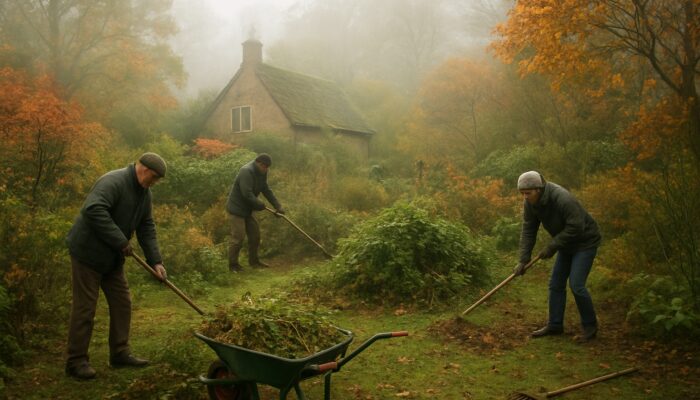
Managing overgrown plots can be a daunting task, yet effective strategies exist that align with UK environmental guidelines. For instance, a homeowner in Somerset successfully cleared an overgrown garden by first assessing the vegetation density and then employing a combination of manual and mechanical tools to achieve sustainable results.
By adhering to local regulations, they disposed of the cleared debris at a licensed waste facility. This not only ensured compliance but also contributed to community efforts in maintaining local biodiversity. Such real-world examples provide actionable insights for others facing similar challenges.
Comparing Professional and DIY Approaches to Garden Clearance
For complex garden clearance tasks, particularly those involving protected species, hiring licensed contractors may be the most prudent option. For example, if a garden is home to species like bats or certain wildflowers, professional expertise is essential to navigate legal protections and ensure compliance with UK wildlife laws.
Conversely, smaller-scale clearances may be manageable for DIY enthusiasts. Evaluating the scale and complexity of the task will help determine whether to engage professionals or undertake the work independently, ensuring that the chosen approach aligns with safety and legal requirements.
Incorporating Eco-Friendly Practices into Garden Clearance
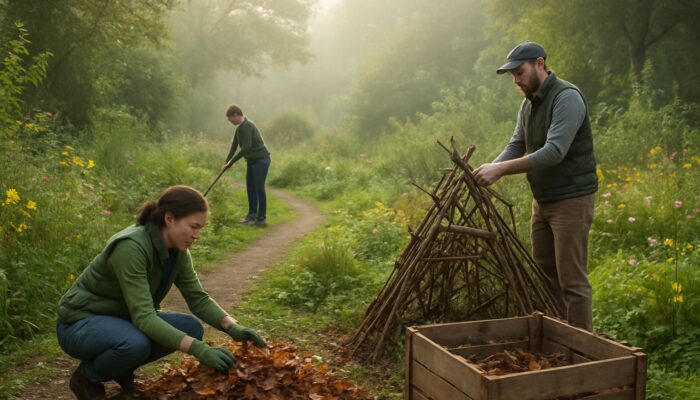
Aligning garden clearance methods with British standards for waste reduction and habitat preservation is increasingly vital. Techniques such as composting cleared vegetation or using biodegradable waste bags can significantly minimise environmental impact during clearance operations.
Planting native species following clearance can bolster local biodiversity and provide habitats for wildlife. By adopting these eco-friendly practices, gardeners can positively contribute to their local environment while achieving effective garden clearance outcomes.
What Challenges Are Common in Urban Garden Clearance?
Navigating Limited Access Points in Urban Settings
Narrow pathways in UK cities often create obstacles during garden clearance. Limited access points necessitate careful planning and the use of compact equipment to transport materials without disturbing neighbours or causing property damage. This may involve using smaller machinery or even manual tools to navigate tight spaces.
Clear communication with neighbours regarding the planned work can help minimise potential disruptions. By ensuring that everyone is informed, you can maintain good relations while efficiently carrying out garden clearance activities.
Addressing Contaminated Waste Materials Safely
Identifying hazardous items frequently found in older urban plots is crucial for safe clearance. Items such as asbestos, old paint, or chemical containers must be handled with care, following the appropriate disposal protocols set by local authorities. Neglecting this can lead to legal repercussions and health hazards.
It is advisable to consult with local waste management services to understand the proper procedures for disposing of contaminated materials. This ensures compliance with regulations and protects both workers and the environment during the clearance process.
The Benefits of Using Protective Barriers During Clearance
Utilising protective barriers during garden clearance can significantly enhance safety and maintain good relations with neighbouring households. Key benefits include:
- Minimising debris spread to neighbouring properties
- Reducing liability for accidental damage
- Creating a clear boundary for workers
- Improving safety for pedestrians and pets
These measures not only safeguard the immediate area but also demonstrate a commitment to responsible gardening practices.
Research-Backed Advantages of Effective Garden Clearance Techniques in the UK
Boosting Biodiversity Through Strategic Clearance
Clearing invasive species allows native plants to flourish, supporting wildlife protected under UK conservation laws. For instance, removing non-native plants like Japanese knotweed can create space for local flora, which in turn provides habitats for various species, including pollinators.
This method not only enhances the ecological balance of the garden but also contributes to broader conservation efforts in the UK. By prioritising biodiversity, gardeners can actively participate in preserving their local environment.
Enhancing Property Value and Appeal with a Tidy Garden
Well-maintained outdoor spaces following clearance can significantly increase the market desirability of homes throughout Britain. A tidy garden not only enhances aesthetic appeal but also signals to potential buyers that the property has been well cared for.
Investing in garden clearance can yield substantial returns, especially in competitive housing markets. This makes it a worthwhile endeavour for homeowners looking to enhance their property’s value.
Minimising Pest and Disease Risks Through Clearance
Removing decaying matter is essential for preventing infestations that commonly affect gardens in the UK climate. Overgrown areas can harbour pests such as slugs, snails, and various insects that thrive in dense vegetation.
By clearing these areas, gardeners can create an environment that is less conducive to pest proliferation. This proactive approach not only protects plants but also contributes to overall garden health and productivity.
How to Ensure Safety During Garden Clearance?
Correct Use of Personal Protective Gear
Wearing appropriate clothing and equipment is vital to protect against injuries from sharp debris or uneven terrain commonly found in UK gardens. Personal protective gear, such as gloves, goggles, and sturdy footwear, should be standard for anyone involved in garden clearance.
Ensuring that all team members are trained in the correct use of this equipment can further enhance safety. By prioritising protective measures, you can significantly reduce the risk of accidents during the clearance process.
Training for Safe Machinery Operation
Proper training on tool use minimises accidents and ensures efficient progress on clearance tasks. It is essential for anyone operating machinery to receive adequate training, particularly for more complex equipment like chainsaws or diggers.
Regular refresher courses can also be beneficial, keeping operators informed about safety protocols and best practices. This commitment to training enhances safety and improves the overall efficiency of the clearance operation.
The Importance of Conducting Regular Site Inspections
Regular site inspections facilitate the early identification of hazards and help maintain a secure working environment throughout the project. Key benefits include:
- Identifying potential risks before they escalate
- Ensuring compliance with safety regulations
- Facilitating better planning for clearance activities
- Enhancing team awareness of site-specific dangers
These inspections are a crucial component of ensuring a safe and efficient clearance process.
Thorough Risk Assessments Prior to Clearance
Before commencing any clearance work, evaluating potential dangers in the garden area allows for proactive measures to be implemented. This includes identifying risks such as unstable ground, hidden debris, or even wildlife that may pose a threat to workers.
Conducting a thorough risk assessment ensures that all team members are aware of specific site hazards. This awareness helps in implementing safety measures that reduce the likelihood of accidents and create a safer working environment overall.
Best Practices for Post-Clearance Garden Care
Restoring Soil Health Through Organic Practices
Adding organic matter to the soil after clearance improves fertility and prepares the ground for new planting. Practices such as incorporating compost or well-rotted manure can significantly enhance soil structure and nutrient availability, aligning with UK horticultural guidelines.
Allowing the soil to rest for a period prior to planting can further enhance its health. This natural approach not only benefits the immediate garden but also contributes to sustainable gardening practices in the long term.
Establishing Ongoing Maintenance Plans for a Thriving Garden
Implementing ongoing maintenance routines helps prevent overgrowth and keeps the garden in optimal condition throughout the year. Key benefits include:
- Reducing the need for extensive future clearances
- Enhancing the overall aesthetic appeal of the garden
- Improving soil health through regular care
- Supporting habitats for local wildlife
These plans ensure that the garden remains vibrant and manageable, promoting long-term success.
Monitoring for Regrowth Issues to Maintain a Clear Garden
Regular observation allows for prompt action against returning plants to effectively sustain the cleared state. This involves identifying any signs of regrowth from invasive species or weeds that may threaten newly planted areas.
By maintaining vigilance and addressing these issues early, gardeners can ensure that their clearance efforts lead to lasting results. This proactive approach fosters a healthier garden environment and promotes ongoing success.
Frequently Asked Questions
What tools are essential for garden clearance?
Essential tools for garden clearance include a strimmer, spade, rake, and gloves. Depending on the scale, you may also require a mini-digger or chainsaw for larger tasks.
When is the optimal time for garden clearance?
The best times for garden clearance in the UK are late spring and early autumn when the ground is drier, allowing for easier access and reducing soil compaction.
What are the safest methods for disposing of garden waste?
Garden waste should be taken to a local recycling centre or composted if suitable. Always check local regulations for specific disposal guidelines.
Is DIY garden clearance feasible?
Yes, smaller clearances can typically be managed by homeowners. for larger or more complex jobs, especially those involving protected species, hiring professionals is advisable.
What advantages are there to hiring professionals for clearance?
Professionals bring expertise, proper equipment, and knowledge of local regulations, ensuring safe and efficient clearance while minimising environmental impact.
How can I enhance soil health after conducting clearance?
To improve soil health, add organic matter such as compost or well-rotted manure. This enhances fertility and prepares the ground for new planting.
What should I do about invasive plants in my garden?
Invasive plants should be thoroughly removed to prevent regrowth. Consider using targeted herbicides or mechanical methods for effective control.
How can I maintain my garden after clearance?
Establish regular maintenance routines, including weeding, mulching, and monitoring for pests, to keep the garden in optimal condition and prevent overgrowth.
Are there any legal considerations for garden clearance?
Yes, it’s important to be aware of local regulations regarding wildlife protection and waste disposal. Consult local authorities for specific guidelines.
What environmental benefits does garden clearance provide?
Clearing invasive species supports local biodiversity, enhances soil health, and creates a healthier environment for native plants and wildlife.