Strategic Planning for Basement Clearance Projects
Evaluating Property Conditions Thoroughly
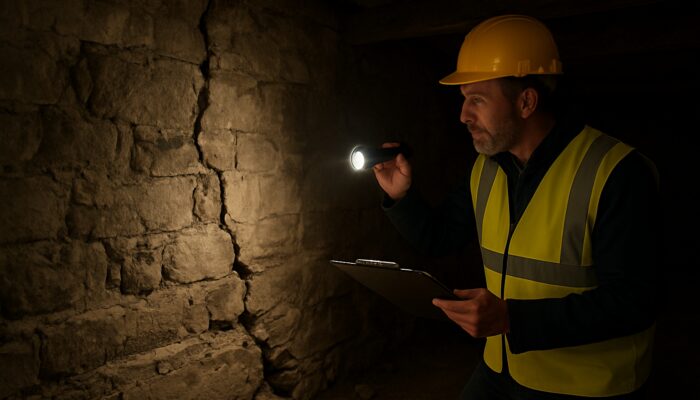
Conducting comprehensive evaluations of residential properties in the UK is paramount before initiating any basement clearance project. This assessment not only ensures compliance with local building regulations but also identifies potential structural risks that could complicate the clearance process. Property owners are advised to engage a qualified surveyor to inspect the foundation, walls, and overall integrity of the basement, as these elements can significantly influence the safety and viability of the project.
In the UK, it is essential to focus on dampness and water ingress, which are prevalent issues in basements. A meticulous inspection can uncover signs of mould or structural damage, which may require additional work. Understanding these conditions beforehand allows homeowners to plan effectively, ensuring that the clearance process is both safe and efficient.
What Key Regulatory Requirements Must Be Considered?
Reviewing UK-specific legislation regarding hazardous materials and waste management is critical for property owners embarking on basement clearance. The Control of Substances Hazardous to Health (COSHH) regulations, for instance, outline the safe management of harmful substances. Familiarity with these regulations helps avoid penalties and guarantees that all practices adhere to health and safety standards.
The Environmental Protection Act delineates the responsibilities of property owners concerning waste disposal. Understanding these laws is vital for upholding safe practices during basement projects, particularly in urban environments where regulations may be more stringent. Compliance not only protects the environment but also shields the homeowner from potential legal repercussions.
How to Secure the Necessary Permits?
Obtaining approvals from UK authorities is essential for ensuring legal compliance during basement clearance projects. Homeowners should start by contacting their local council to ascertain which permits are required for their specific project. Key documents typically include planning permission, building regulations approval, and possibly an environmental impact assessment.
- Planning permission
- Building regulations approval
- Environmental impact assessment
- Waste carrier’s licence (if applicable)
- Party wall agreement (if adjacent to other properties)
Understanding these requirements can streamline the clearance process and help prevent costly delays linked to non-compliance.
Expert Insights on Effective Techniques for Basement Clearance in the UK
Provide Expert Analysis on Initial Surveys
Initial surveys of basement sites across the UK are crucial for effective clearance planning. These surveys typically involve evaluating the structural integrity and environmental conditions of the basement. For example, projects in London often necessitate a more rigorous examination due to the city’s unique geological challenges, such as the presence of clay soils, which can influence drainage and stability.
Real-world instances from Manchester underline the importance of customised assessment methods. In one case, a comprehensive survey revealed unforeseen water ingress issues that required additional waterproofing measures. This proactive approach not only saved time but also guaranteed the safety of the project as it progressed.
Selecting the Right Equipment for Efficiency
Choosing appropriate tools for basement clearance in the UK is vital for ensuring both efficiency and safety. The type of equipment needed often depends on the soil conditions and the dimensions of the basement. For instance, hydraulic excavators may be required for larger clearances, while manual tools could suffice for smaller areas.
Understanding the specific challenges posed by various UK soil types, such as clay or chalk, can guide equipment selection. Employing tools designed for local conditions can enhance productivity and diminish the risk of accidents, facilitating a smoother and more efficient clearance process.
Incorporate Real-World Examples from UK Cases

Successful approaches to basement clearance can be illustrated through case studies from British homes. In one notable instance in Bristol, a homeowner faced significant structural challenges due to inadequate drainage. By employing advanced clearance techniques and waterproofing solutions, the project not only addressed the immediate issues but also enhanced the overall value of the property.
Another example from Edinburgh featured a historic property where meticulous clearance methods were utilised to preserve original features while improving functionality. These case studies demonstrate that tailored strategies can lead to successful outcomes in diverse settings throughout the UK.
How Does Soil Assessment Function in Basement Clearance?
Evaluating Soil Stability
Conducting geotechnical tests on UK ground conditions is essential to prevent subsidence issues during basement clearance operations. These tests evaluate the load-bearing capacity of the soil, which is crucial for ensuring the safety of the excavation. In many regions, particularly those with clay or peat soils, stability can be a significant concern.
By performing these assessments, property owners can identify potential risks before commencing work. This proactive measure not only enhances safety but also informs the selection of appropriate reinforcement techniques, ensuring that the basement remains structurally sound throughout the clearance process.
How to Identify Contaminants in the Soil?
Detecting pollutants commonly found in British urban soils is a critical step in basement clearance. Contaminants such as heavy metals and hydrocarbons may be present, especially in areas with a history of industrial activity. Specialised UK testing protocols are required to effectively identify these hazards and protect both workers and the environment.
Regular soil testing can help ensure compliance with environmental regulations and inform necessary remediation strategies. By addressing these contaminants early in the process, property owners can mitigate risks and create a safer working environment for all involved.
What Tools Are Utilised for Soil Analysis?
Utilising modern equipment approved for UK sites facilitates accurate soil analysis that informs clearance strategies. Common tools include soil augers for sampling, pH meters for assessing acidity, and geophysical instruments for mapping subsurface conditions. Each of these tools plays a pivotal role in understanding the characteristics of the soil.
Employing advanced technology not only enhances the precision of assessments but also expedites the overall process. This efficiency is particularly beneficial in urban settings, where time constraints and regulatory pressures can complicate clearance efforts.
Assessing Soil Composition Thoroughly
Determining the precise composition of various British soils through detailed laboratory and on-site analysis is vital for predicting their behaviour during basement clearance operations. Different soil types, such as sandy, clayey, or loamy soils, exhibit distinct characteristics that influence excavation techniques and the necessity for reinforcement.
By conducting comprehensive assessments, property owners can tailor their clearance strategies to align with the specific conditions of their site. This informed approach helps ensure that the project is completed safely and efficiently while addressing any potential structural concerns that may arise during the process.
Site Preparation and Implementation of Safety Measures
Securing the Work Area Effectively
Establishing barriers around UK basement sites is crucial for minimising risks to nearby residents and ensuring adherence to national health and safety guidelines. These barriers can take the form of fencing, signage, and safety cones, all designed to delineate the work area and prevent unauthorised access.
To physical barriers, it is vital to communicate with neighbours about the project. Providing clear information regarding the scope of work and expected timelines can help alleviate concerns and foster a collaborative environment, ultimately contributing to a smoother clearance process.
Implement Actionable Steps for Effective Ventilation
Implementing effective ventilation systems in enclosed UK basement spaces is essential for maintaining air quality and ensuring worker safety. Proper ventilation mitigates the accumulation of harmful gases, such as carbon dioxide and volatile organic compounds, which can pose health risks during clearance operations.
Essential equipment checks for ongoing safety include ensuring that ventilation fans are functioning properly, monitoring air quality levels, and regularly inspecting ductwork for obstructions. These proactive measures contribute to a safer working environment and enhance overall project efficiency.
Safely Removing Debris
Adhering to UK guidelines for handling waste materials is critical for reducing hazards and maintaining orderly progress throughout the clearance process. This encompasses implementing proper waste segregation practices, ensuring that hazardous materials are disposed of in accordance with local regulations, and using suitable containers for different types of debris.
By following these guidelines, property owners can minimise environmental impact and ensure compliance with legal requirements. This responsible approach not only protects workers but also contributes to a more efficient and effective clearance process.
What Safety Protocols Should Be Followed During Basement Clearance?
Providing Training for UK Workers
Ensuring that staff receive certifications aligned with British standards is vital for enhancing protection against common risks in basement environments. Training programmes should encompass topics such as hazardous materials handling, emergency response protocols, and the use of personal protective equipment (PPE).
Regular refresher courses can help keep workers updated on best practices and new regulations. By investing in comprehensive training, employers can cultivate a culture of safety that prioritises the well-being of all team members during basement clearance projects.
Monitoring Air Quality Levels Diligently
Regular checks of air quality levels in UK basements are paramount for detecting dangerous gases and maintaining healthy working conditions. Monitoring equipment must be calibrated and strategically placed to ensure accurate readings throughout the clearance process.
Establishing a schedule for air quality assessments can help identify potential hazards early, allowing for timely interventions. This proactive approach not only safeguards workers but also contributes to a more efficient clearance process by minimising downtime due to safety concerns.
Implementing Emergency Procedures
Developing response plans tailored to UK regulations prepares teams for incidents that may arise during basement clearance. These plans should outline clear procedures for various emergency situations, including gas leaks, structural collapses, and medical emergencies.
Regular drills and training sessions can ensure that all team members are familiar with the emergency protocols. By being prepared for potential incidents, teams can respond swiftly and effectively, minimising risks and ensuring the safety of everyone involved in the project.
Providing Personal Protective Equipment
Ensuring that workers are equipped with suitable protective clothing and devices in accordance with British health and safety guidelines is essential for reducing the likelihood of accidents in potentially hazardous basement settings. PPE may include hard hats, gloves, respiratory protection, and high-visibility clothing.
Regular inspections of PPE should be conducted to ensure that all equipment is in good condition and appropriate for the tasks at hand. By prioritising worker safety through proper equipment provision, employers can significantly reduce the risk of injuries during basement clearance projects.
Assessing Structural Integrity Thoroughly
Conducting comprehensive surveys of the basement’s structural elements before commencing clearance work is vital for identifying vulnerabilities and maintaining safe conditions. These assessments should include evaluations of walls, ceilings, and flooring to ensure that they can withstand the stresses of the clearance process.
Engaging qualified structural engineers can provide valuable insights into the condition of the basement and inform necessary reinforcement measures. This thorough approach helps ensure that the project proceeds safely and efficiently, in accordance with UK building regulations and industry best practices.
Research-Backed Benefits of Techniques for Basement Clearance in the UK
Provide Expert Analysis on Efficiency Gains
Examining data from UK studies reveals that optimised methods in residential basement projects can yield significant time savings. Techniques such as advanced planning, proper equipment selection, and effective waste management contribute to streamlined operations and reduced project timelines.
Implementing these strategies not only enhances efficiency but also improves overall project outcomes. Property owners can benefit from swifter completion times, allowing them to utilise their newly cleared basements sooner and potentially increasing the property’s value in the process.
Reducing Environmental Impact Effectively
Applying sustainable practices in British clearance work is essential for minimising waste output and aligning with national conservation goals. Techniques such as waste segregation, recycling, and responsible disposal of hazardous materials contribute to a more environmentally friendly approach to basement clearance.
By prioritising sustainability, property owners can minimise their ecological footprint while also enjoying potential cost savings through effective waste management practices. This commitment to environmental responsibility is increasingly crucial in today’s socially conscious market.
Achieving Cost Savings for Property Owners
Research indicates that employing targeted UK techniques can result in reduced expenses during basement clearance without compromising quality or compliance. Streamlined processes, efficient equipment use, and effective waste management contribute to lowered labour and material costs.
Property owners can further benefit from long-term savings by enhancing the overall value of their homes through well-executed clearance projects. By investing in quality techniques, homeowners can achieve a more favourable return on investment over time.
Enhancing Safety Standards Significantly
Studies conducted across the United Kingdom demonstrate that implementing specific safety protocols in basement clearance projects substantially decreases workplace injuries. These protocols, which include regular training, proper PPE usage, and thorough risk assessments, contribute to a safer working environment.
Contractors can improve worker protection by adopting best practices and ensuring compliance with UK regulations. This commitment to safety not only protects workers but also fosters a positive reputation for contractors in the industry, leading to increased client trust and satisfaction.
Increasing Property Value through Effective Clearance
Analyses of the UK housing sector indicate that thorough basement clearance employing innovative techniques can significantly enhance property valuations. By creating additional habitable areas, homeowners can improve their living spaces and increase the overall marketability of their properties.
Homeowners should consider compliance and optimisation strategies to maximise the value of their cleared basements. Engaging professionals who understand local regulations and market trends can further enhance the potential return on investment for these projects.
How Can Waste Disposal Be Managed Efficiently?
Sorting Materials On-Site for Effective Management
Separating recyclables in accordance with UK waste regulations maximises recovery rates and supports responsible clearance in homes throughout the country. This process involves categorising materials such as metals, plastics, and organic waste, ensuring that they are disposed of in line with local regulations.
By adopting effective sorting practices, property owners can reduce landfill contributions and promote sustainability. This responsible approach not only benefits the environment but also aligns with the increasing public awareness of waste management issues.
What Are the Licensed Disposal Options Available?
Utilising authorised UK facilities for waste disposal ensures the legal handling of basement debris and avoids penalties associated with improper disposal methods. Licensed waste carriers and recycling centres are equipped to manage various types of waste, including hazardous materials, ensuring adherence to environmental regulations.
Homeowners should research local disposal options and verify the credentials of any service providers they engage. This diligence helps ensure that waste is handled responsibly, contributing to a cleaner and safer environment.
Transporting Waste Safely and Effectively
Coordinating with certified haulers in Britain is essential for maintaining compliance and safeguarding public areas during waste removal from clearance sites. This includes ensuring that all vehicles used for transport meet safety standards and are equipped to handle the specific types of waste being removed.
Proper planning for waste transport can help minimise disruptions to local communities and facilitate a smooth clearance process. By prioritising safety and compliance, property owners can enhance the overall efficiency of their projects.
Selecting Suitable Recycling Centres for Responsible Disposal
Choosing appropriate recycling centres and adhering to strict guidelines set by authorities in the United Kingdom enables waste from basement clearances to be managed responsibly. These centres are equipped to process a variety of materials, contributing to sustainable waste management practices.
Property owners should familiarise themselves with local recycling options and ensure compliance with all regulations regarding waste disposal. This responsible approach not only benefits the environment but also supports community efforts towards sustainability.
Promoting Education on Waste Segregation Techniques
Providing clear information to homeowners across Britain regarding proper waste segregation techniques helps enhance overall efficiency in disposal processes. Educational initiatives can raise awareness of the importance of recycling and responsible waste management, fostering a culture of sustainability within communities.
By equipping homeowners with the knowledge to effectively manage waste, local councils and organisations can contribute to long-term environmental conservation efforts. This collaborative approach enhances community engagement and promotes responsible practices throughout the region.
Successfully Completing the Clearance Process
Conducting Final Inspections and Securing Approvals
Verifying work against UK standards is crucial to confirm that the basement meets all safety criteria before handover to property owners. Final inspections should involve a thorough review of all completed work, ensuring compliance with relevant regulations and addressing any outstanding issues.
This step is essential for providing homeowners with peace of mind regarding the safety and integrity of their newly cleared basements. Proper documentation of the inspection process can also serve as a valuable reference for future maintenance and potential regulatory audits.
Essential Post-Clearance Checks to Conduct
To ensure thorough completion of all clearance activities, property owners should conduct the following post-clearance checks:
- Verify the structural integrity of the basement
- Ensure that all waste has been disposed of correctly
- Check for signs of water ingress or dampness
- Confirm that all safety measures are in place
- Document any changes made during the clearance process
These checks help ensure that the project has been completed to a high standard and that the basement is ready for its intended use.
Documenting the Project for Future Reference
Maintaining records of UK basement work provides valuable references for future maintenance and regulatory audits. Documentation should encompass details of inspections, permits, and any modifications made during the clearance process.
This comprehensive record-keeping not only supports compliance with local regulations but also enhances the overall transparency of the project. Property owners can benefit from having detailed documentation available for potential buyers or future renovations, ensuring a well-managed property.
Frequently Asked Questions
What is the initial step in basement clearance?
The initial step in basement clearance involves conducting a thorough assessment of property conditions. This includes evaluating structural integrity and identifying any potential hazards that could impact the clearance process.
Are permits required for basement clearance?
Yes, securing the necessary permits from local authorities is vital for legal compliance during basement clearance. These may include planning permission and building regulations approval.
How can I ensure safety during basement clearance?
Safety can be ensured by providing adequate training for workers, employing personal protective equipment, and implementing safety protocols tailored to the specific risks associated with basement environments.
What equipment is essential for basement clearance?
Essential equipment for basement clearance may include excavators, shovels, waste containers, and ventilation systems. The specific tools required will depend on the size and condition of the basement.
How do I effectively manage waste disposal?
Effective waste disposal can be managed by sorting materials on-site, utilising licensed disposal options, and coordinating with certified waste haulers to ensure compliance with local regulations.
What common contaminants are found in basements?
Common contaminants in basements may include mould, asbestos, heavy metals, and hydrocarbons. Identifying these hazards early is crucial for ensuring worker safety and environmental protection.
How can I enhance air quality during clearance?
Improving air quality during clearance can be achieved by implementing effective ventilation systems, regularly monitoring air quality levels, and ensuring that harmful gases are detected and managed.
What training is necessary for workers involved in basement clearance?
Workers engaged in basement clearance should receive training aligned with British health and safety standards, encompassing topics such as hazardous materials handling, emergency procedures, and the use of personal protective equipment.
How can I increase my property value through basement clearance?
Increasing property value can be achieved by creating additional habitable space through careful basement clearance. Engaging professionals and ensuring compliance with regulations can enhance the overall marketability of the property.
What should I document throughout the clearance process?
During the clearance process, it is important to document inspections, permits, modifications made, and any issues encountered. This documentation provides valuable references for future maintenance and regulatory audits.