Maximising the Benefits of Seasonal Shed Clearance in the UK
What are the optimal periods for conducting shed clearance in the UK?

Seasonal Shed Clearance Tips: Effective seasonal shed clearance in the UK aligns closely with the changing weather patterns. For example, autumn signals the shedding of leaves, presenting an ideal opportunity to clear debris and prepare sheds for the harsh realities of winter. Likewise, spring is a prime time to reorganise after the dampness of winter, ensuring your garden structures are ready for the burgeoning growing season. Areas like Kent often experience significant leaf accumulation, while regions such as Scotland require extra vigilance due to higher moisture levels. By synchronising your clearance activities with these seasonal changes, you can effectively shield your shed from long-term damage inflicted by various weather elements.
What essential materials ensure a successful clearance process?
To achieve a successful clearance, UK homeowners need to have the right materials. Investing in weatherproof bags is crucial for collecting garden waste and debris, especially during the rainy season, which is prevalent in many regions. Moreover, tools sourced from the UK, such as sturdy rakes and spades, are designed to withstand the often damp conditions characteristic of British weather. These essential materials not only facilitate effective clearance but also help extend your shed’s longevity by preventing clutter that can lead to deterioration. A well-stocked shed filled with quality tools empowers homeowners to manage their spaces efficiently, turning routine maintenance into a manageable task rather than an overwhelming chore.
What common challenges arise during peak clearance seasons?
During peak seasons in the UK, issues such as mould and dampness frequently arise due to elevated humidity levels. Sheds, particularly in the South East, may experience wind damage that jeopardises their structural integrity. Experts advise conducting regular checks, especially following storms, to assess and rectify any potential damage. Proactive measures, such as applying protective coatings and ensuring adequate ventilation inside the shed, can significantly mitigate these risks. By being aware of these common challenges, homeowners can take preventive measures before they escalate into serious issues, thereby maintaining their sheds’ functionality for years to come.
How to Effectively Execute Seasonal Shed Clearance in the UK?
What are the initial steps to kick-start the clearance process?
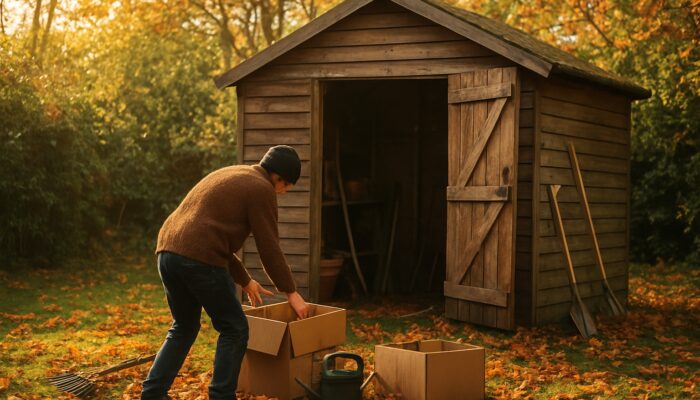
To embark on an effective seasonal shed clearance, begin with a thorough assessment of the items housed within your shed. Start by cataloguing everything and categorising damp-resistant storage solutions for tools and supplies that are vulnerable to moisture. This structured approach helps determine what should be discarded, what requires repair, and what should be retained for future use. Arrange items by frequency of use, placing those you use regularly at the front of your storage area. This efficient organisation not only maximises available space but also ensures easy access to necessary items, particularly during the unpredictable British weather.
Why is consistent maintenance essential for your shed’s longevity?
Regular maintenance is undeniably vital for extending the life of your shed, especially in light of the UK’s diverse climate. In regions that experience frequent rainfall, neglecting maintenance can lead to severe problems such as rust and structural decay. Establishing a regular care schedule that includes leak inspections, protective treatments, and debris removal can make a significant difference. By consistently addressing these tasks, homeowners can prevent minor issues from evolving into costly repairs. Additionally, maintaining a clean and organised shed enhances its functionality and aesthetic appeal, creating a more enjoyable environment for gardening and DIY projects.
What tools can enhance the shed clearance experience?
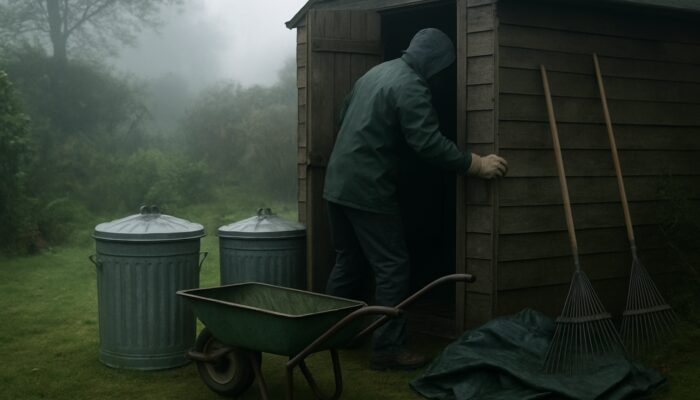
The right tools can greatly improve your seasonal shed clearance experience. In the UK, galvanised bins are particularly advantageous for waste collection, as they resist rust and corrosion. Essential, weatherproof tools include:
- Heavy-duty gloves for protection during handling
- Sturdy rakes for efficient debris removal
- Waterproof tarps for safeguarding items
- Multi-purpose tool sets for necessary repairs
- Bins with lids to deter pests effectively
- Garden trolleys for easy transport of materials
These tools are specifically designed to withstand the rigours of the British climate, ensuring durability and efficiency throughout the clearance process.
Expert Recommendations for Seasonal Shed Clearance in the UK
What best practices do UK specialists recommend?
UK specialists highlight the importance of using local materials and techniques tailored to the unique challenges posed by British weather. For instance, using British timber treated for moisture resistance can significantly enhance your shed’s longevity. Experts also recommend integrating ventilation solutions to combat humidity, which is especially crucial in areas that experience prolonged rainfall. By gathering insights from gardening professionals, homeowners can implement best practices such as optimising the layout of their shed for both accessibility and functionality. These expert strategies are designed to address specific issues while maximising the efficiency of your shed space.
What advanced strategies can be employed for long-term protection?
To ensure your shed withstands seasonal elements, adopting advanced waterproofing techniques is imperative. Consulting local experts suggests that incorporating water repellents tailored to the UK’s rainfall patterns can drastically reduce moisture damage. Homeowners can accomplish this by applying weather-resistant finishes to external surfaces and ensuring proper drainage around the shed’s foundation. Additionally, regular maintenance of these protective measures is crucial, including reapplying treatments as needed to counteract wear from the elements. These proactive strategies not only preserve the structural integrity of your shed but also enhance its overall aesthetic appeal.
How can I evaluate professional assistance options for clearance?
When faced with complex clearance challenges, enlisting the expertise of local professionals can prove immensely beneficial. Many UK services specialise in shed clearance and maintenance, offering customised solutions based on local conditions. For example, a service based in London may concentrate on urban-specific hurdles, such as limited space and pest control. At the same time, a provider in Wales might focus on mould-prevention techniques suited to humid climates. Real-world examples of successful clearances demonstrate the value of professional knowledge, helping homeowners make informed decisions that lead to long-term benefits and a well-maintained shed.
What sustainable materials should be considered for eco-friendly shed care?
As the focus on sustainability increases, UK experts advocate adopting eco-friendly materials for shed maintenance and clearance. Options such as recycled timber and natural waterproofing agents not only prolong the life of sheds but also align with a broader commitment to environmental stewardship. Implementing sustainable practices, such as using non-toxic paints and biodegradable cleaning products, helps to minimise your ecological footprint while ensuring a safe and functional garden structure. These choices are particularly vital for homeowners who aspire to harmonise their outdoor spaces with contemporary environmental values.
What Are the Advantages of Seasonal Shed Clearance in the UK?
How does clearance enhance garden aesthetics?
Conducting shed clearance can profoundly elevate the aesthetics of UK gardens. A well-organised shed reduces clutter, creating a more inviting outdoor space that reflects positively on homeowners. For instance, a neatly arranged shed in a Cotswolds garden can serve as a charming focal point, contributing significantly to the overall landscape appeal. By removing unwanted items and maintaining an orderly environment, homeowners can rejuvenate their gardens, making them more enjoyable for family gatherings and outdoor activities. This aesthetic enhancement not only pleases the eye but can also positively impact property value, making it a smart investment.
What potential cost savings can be realised?
Regular shed clearance can lead to substantial cost savings for homeowners. By preventing damage from humidity and moisture buildup, you can sidestep expensive repairs or replacements that may result from neglect. For instance, routine maintenance can drastically lessen the likelihood of rust or rot developing, particularly in areas susceptible to heavy rainfall, such as Devon. Consider these financial benefits:
- Lower repair costs due to proactive maintenance
- Extended lifespan of the shed structure
- Reduced pest control expenses
- Increased property value through enhanced aesthetics
By prioritising seasonal clearance, homeowners not only save money but also elevate the overall functionality and visual appeal of their outdoor spaces.
What are the long-term environmental impacts of clearance?
Engaging in seasonal shed clearance yields positive outcomes for the environment. By recycling materials and reducing waste, homeowners can align their practices with British environmental standards. Regular clearance fosters awareness of eco-friendly practices, such as composting garden waste, which further benefits local ecosystems. By actively embracing sustainable practices, individuals can significantly lower their carbon footprint while improving the functionality of their sheds. This dedication to environmental stewardship is increasingly recognised as a valuable aspect of responsible homeownership in the UK.
How does clearance contribute to health and safety?
Seasonal shed clearance plays a pivotal role in enhancing health and safety for homeowners. By routinely eliminating clutter, the risk of tripping hazards is markedly reduced, creating a safer environment for family members. Furthermore, addressing pest issues during clearance can prevent infestations that pose health risks. This aspect is especially important in the UK, where damp conditions may foster pest populations. Implementing preventive measures during shed clearance, such as disposing of expired chemicals and ensuring proper ventilation, aligns with British safety regulations and ultimately improves the well-being of all residents in the home.
Research-Backed Benefits of Seasonal Shed Clearance in the UK
What evidence exists from UK studies on effectiveness?
Research conducted in the UK consistently demonstrates that timely pest control can significantly reduce pest problems in sheds. Studies reveal that regularly maintained sheds experience fewer infestations, leading to healthier garden ecosystems. Expert analyses underscore the importance of a structured clearance schedule, indicating that proactive measures can prevent pests from becoming a serious concern. By harnessing evidence-based practices, homeowners can adopt strategies that not only enhance the functionality of their sheds but also contribute to a healthier overall environment.
How does clearance support comprehensive home maintenance?
Regular clearance of sheds is a crucial element of thorough home maintenance. Evidence from UK studies indicates that timely clearance prevents structural wear caused by adverse weather. Implementing a routine that encompasses inspections and maintenance tasks helps identify potential issues early, enabling homeowners to address them before they escalate. By adhering to actionable steps tailored to the UK’s unique climate, such as ensuring proper drainage around the shed, homeowners can effectively safeguard their property from long-term damage.
What key outcomes contribute to shed longevity?
Experts have noted that consistent seasonal shed clearance significantly prolongs the life of structures in the UK. Case studies indicate that sheds maintained through regular practice fare much better against the elements compared to neglected counterparts. For example, in regions with particularly challenging weather, such as Yorkshire, implementing a seasonal clearance routine can extend shed lifespans by decades. These real-world outcomes showcase the tangible benefits of proactive maintenance, encouraging homeowners to prioritise regular clearance for enduring results.
Why is Timing Critical for Shed Clearance in the UK?
What factors influence the ideal schedules for clearance?
Timing plays a vital role in shed clearance in the UK. Factors such as seasonal winds and rainfall patterns greatly influence when clearing tasks should be undertaken. For instance, obtaining planning clearance before autumn storms helps prevent debris from accumulating, while spring offers an ideal opportunity to prepare for the upcoming growing season. By understanding these seasonal variables, homeowners can optimise their schedules to align with the most effective timing for clearance in their specific localities.
What are the risks of poor timing decisions?
Delaying shed clearance can lead to significant risks, particularly in the UK’s unpredictable weather. Common pitfalls include:
- Increased water damage from postponed repairs
- Higher chances of pest infestations
- Structural damage due to accumulated debris
- Rust or rot from prolonged exposure to moisture
These consequences can lead to costly repairs and diminish your shed’s overall functionality, making timely clearance essential for maintaining a well-kept structure.
How can homeowners adjust for weather variations during clearance?
UK homeowners must remain flexible and adaptable to frequent weather variations when scheduling shed clearance. Monitoring local forecasts is an essential practice that allows for flexible planning. For example, if heavy rain is predicted, it may be wise to advance your clearance schedule. Additionally, investing in weather-resistant storage solutions can help safeguard items during unforeseen downpours. By being proactive and adaptable, homeowners can ensure their sheds remain in optimal condition year-round.
Post-Clearance Maintenance for Your Shed in the UK
What essential follow-up routines should be established?
After completing seasonal clearance, UK shed owners should focus on applying protective coatings to preserve their structures. This could involve treating wood with waterproofing agents that fend off dampness, which is essential in the humid British climate. Regular application of these treatments is vital for maintaining the integrity of the shed, preventing rot, and prolonging its lifespan. Furthermore, scheduling a follow-up inspection is crucial to assess any needed repairs and ensure the shed continues to function safely and effectively.
How can homeowners monitor for future issues?
Ongoing monitoring is vital for detecting early signs of wear and tear in UK sheds. Establishing a routine check-up schedule can help identify issues like leaks, mould, or pest infestations before they escalate into larger problems. Regular inspections, especially after severe weather events, help homeowners stay proactive in addressing potential issues. These proactive measures not only safeguard the shed itself but also contribute to the overall health of the garden environment, nurturing a safe and pleasant outdoor space.
What sustainable upkeep methods should be implemented?
Maintaining your shed sustainably promotes its long-term durability and aligns with eco-friendly practices. Incorporating methods such as natural cleaning products and environmentally friendly treatments can significantly reduce the ecological footprint of shed maintenance. Additionally, upcycling materials and employing reclaimed wood for repairs encourage sustainability by minimising waste. These practices not only enhance the longevity of your shed but also reflect a commitment to protecting the environment, making them an integral part of responsible homeownership in the UK.
Frequently Asked Questions
What constitutes seasonal shed clearance?
Seasonal shed clearance refers to the regular organisation and maintenance of your shed to prevent damage from weather elements and to enhance overall functionality and aesthetics.
When is the optimum time for shed clearance in the UK?
The best times for shed clearance in the UK typically fall in early spring and late autumn, coinciding with seasonal changes in weather.
What materials are essential for effective shed clearance?
Key materials include weatherproof bags, sturdy tools like rakes and spades, and protective coatings to ensure longevity and effectiveness.
What challenges might I encounter during clearance?
Common challenges include mould growth, wind damage, and pest infestations, particularly in the UK’s humid climates.
How can I maintain my shed after clearance?
Regular follow-up routines, including applying protective coatings and conducting inspections, are vital for maintaining your shed’s condition and integrity.
What tools can enhance the efficiency of shed clearance?
Tools such as galvanised bins, heavy-duty gloves, waterproof tarps, and garden trolleys significantly streamline the clearance process, making it more manageable.
Why is regular maintenance crucial for my shed?
Regular maintenance prevents issues such as rust and structural damage, ensuring a longer lifespan for your shed and maintaining its functionality.
What are the financial benefits associated with shed clearance?
Clearance reduces maintenance costs, prevents damage, and can enhance property value through improved aesthetic appeal and functionality.
How can I adjust for weather variations during clearance?
Remain adaptable by monitoring local forecasts and adjusting your clearance schedule as needed to avoid adverse weather that could impede your efforts.
What eco-friendly practices should I consider for shed maintenance?
Utilising sustainable materials, natural cleaning products, and upcycling materials for repairs are effective, eco-friendly practices to incorporate into shed maintenance.