
Understanding Waste Carrier Licensing Requirements
Essential Steps for Obtaining a Waste Carrier Licence

Securing the appropriate waste carrier licence is crucial for any house clearance company operating throughout the United Kingdom. This ensures that waste materials are transported legally and responsibly. The application process involves submitting necessary forms to the Environment Agency, along with proof of identity and relevant business information. The primary documents required for approval generally include:
- Proof of identity (e.g., passport or driving licence)
- Business registration details
- Insurance certificates
- Information on the types of waste handled
- Address of the operating premises
Neglecting to obtain the proper licence can result in severe penalties. it is essential to understand the initial steps and assemble the required documentation to facilitate a seamless application process. Companies must also familiarise themselves with the specific regulations set by their local authority, as these can differ significantly.
Understanding the Different Types of Waste Carrier Licences
Businesses must choose between lower and upper tier registrations based on the volume and type of waste managed during clearances. Lower tier licences are appropriate for companies that handle occasional small loads, while upper tier licences are designed for larger operations, which require more stringent checks and compliance measures.
Selecting the correct tier not only impacts the legal status of a business but also influences its operational capabilities. For example, upper tier operators may be required to follow stricter waste management practices, which can ultimately improve their reputation within the industry. Understanding these distinctions is vital for both newcomers and established firms.
Important Renewal Procedures for Waste Carrier Licences
Regular licence renewals are necessary to maintain compliance and avoid disruptions in operations for clearance businesses. Applicants should prepare current records of past activities to support successful licence extensions. This includes reviewing waste transfer notes and ensuring all documentation is accurate and up to date.
Renewal procedures differ by region but typically involve submitting an application along with any required fees. Being proactive about renewals not only helps prevent lapses in compliance but also reinforces a firm’s commitment to responsible waste management practices.
Legal Obligations for House Clearance Operators
Understanding Duty of Care Responsibilities
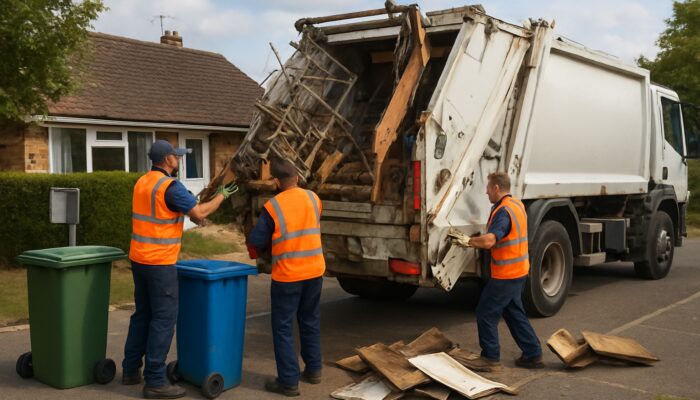
Operators are responsible for tracking waste from collection to final disposal under United Kingdom regulations. Proper documentation protects both the business and clients from potential liabilities that may arise from improper handling. This obligation includes ensuring that waste is disposed of at licensed facilities and that all necessary records are kept.
Failing to comply with these duty of care responsibilities can lead to significant legal consequences, including fines and damage to a company’s reputation. operators must establish robust systems for monitoring and documenting waste movements throughout the clearance process.
Meeting Vehicle and Equipment Standards
All vehicles used in house clearances must meet safety criteria established by regulatory bodies to avoid penalties. This includes secure loading methods and appropriate signage on vehicles transporting waste materials. Vehicles should undergo regular inspections and maintenance to ensure compliance with safety regulations and fitness for purpose.
To safety standards, vehicles must be properly branded to indicate their use for waste transport. This not only ensures compliance but also enhances the visibility and professionalism of the business in the eyes of potential clients.
Essential Record Keeping Practices

Keeping detailed logs of every clearance job supports audits and demonstrates adherence to regulations. Digital systems can help streamline this process, increasing efficiency in daily operations. Such systems can automate record-keeping tasks, ensuring that all necessary information is captured accurately and promptly.
Regular reviews of these records can also help identify trends or areas for improvement within the business. By fostering a culture of accountability and thorough documentation, operators can significantly reduce the risk of non-compliance and enhance their operational efficiency.
What Are the Key Regulations for Waste Carriers?
Understanding Registration Thresholds
Firms that handle waste above specific limits must hold upper tier status to operate legally within the United Kingdom. Understanding these thresholds is essential to avoid unintentional breaches during routine house clearance activities. For instance, businesses that exceed a certain volume of waste, such as construction debris or bulky items, must ensure they are registered appropriately.
Remaining informed about these thresholds is crucial for compliance. Regularly assessing waste volumes and adjusting operational practices accordingly can help businesses stay compliant and avoid costly penalties.
Exemptions Available for Smaller Operations
Certain minor clearances may qualify for simplified regulations if waste volumes remain low. Checking eligibility prevents unnecessary applications while still meeting basic legal standards. Small operators should be aware of the specific criteria that define what constitutes a ‘small load’ to ensure compliance.
These exemptions can provide significant relief for smaller businesses, allowing them to operate without the burden of extensive licensing requirements. it is essential to stay updated on any regulatory changes that may affect these exemptions.
Methods for Waste Classification
Correctly categorising items as hazardous or non-hazardous dictates handling protocols. Accurate classification ensures safe transport and disposal in accordance with national guidelines. For example, materials such as asbestos or certain chemicals require stringent handling and disposal methods that differ significantly from general household waste.
Operators must invest in training and resources to ensure staff can identify and classify waste correctly. This not only aids compliance but also protects the health and safety of employees and the public.
Record Keeping Requirements
Waste carriers are required to maintain detailed logs of all waste movements, including types, volumes, and destinations. Proper documentation supports audits and demonstrates adherence to environmental protection standards across the United Kingdom. This includes retaining records of waste transfer notes, which detail the transfer of responsibility from the waste producer to the carrier.
Implementing a robust record-keeping system is vital for compliance. Regular audits of these records can help identify discrepancies and ensure that all waste is accounted for, minimising the risk of legal issues resulting from improper documentation.
Expert Perspectives on Waste Carrier Regulations for House Clearance
Challenges in Compliance
Real-world examples from United Kingdom clearance businesses highlight common regulatory hurdles encountered in the industry. Many firms struggle to keep abreast of changing regulations and the complexities surrounding waste classification. Proactive planning and staff training programmes can significantly alleviate these challenges.
For example, a company that implemented a regular training schedule noted a marked decrease in compliance-related issues. By fostering a culture of awareness and responsibility, businesses can navigate the regulatory landscape more effectively and avoid costly penalties.
Effective Risk Assessment Techniques
Evaluating potential violations in daily operations is crucial for maintaining compliance. Experts advise conducting regular internal reviews to identify gaps before external inspections take place. This proactive approach not only helps sustain compliance but also fosters a culture of accountability within the organisation.
Implementing a checklist for daily operations can assist in identifying potential issues early on. Regular team meetings focused on compliance and operational challenges can promote open communication and collaborative problem-solving.
Staying Updated on Industry Changes
Remaining informed about recent updates to licensing fees and application procedures is essential for waste carriers. The regulatory environment can change, influencing operational costs and requirements. Businesses that adapt swiftly are less likely to face service interruptions or compliance issues.
Subscribing to industry newsletters and attending relevant workshops can provide valuable insights into forthcoming changes. Networking with other professionals in the field can also facilitate knowledge sharing and best practices.
How to Register as a Waste Carrier
Overview of the Application Process
Submitting forms online through official portals accelerates approvals for United Kingdom-based operators. Preparing supporting evidence reduces delays in obtaining the licence. The application process generally involves completing a detailed form and providing documentation that demonstrates compliance with legal requirements.
Early preparation can significantly improve the likelihood of a successful application. Firms should ensure that all information is accurate and complete before submission to avoid unnecessary delays in the approval process.
Costs and Timelines for Licensing
Fees vary by tier and should be factored into business plans. Processing typically takes several weeks, so early applications are advisable for new clearance operations. Understanding the financial implications of licensing can help businesses plan effectively and avoid cash flow challenges.
It is also prudent to consider potential additional costs, such as training and compliance initiatives, when budgeting for waste carrier operations. This comprehensive approach ensures that businesses are fully prepared for the financial commitments involved in maintaining compliance.
Avoiding Common Errors in the Application Process
Incomplete submissions frequently result in rejections and additional costs. Thoroughly double-checking all details before sending forms promotes smoother progress through the system. Common pitfalls include missing documentation or incorrect information, which can significantly delay the application process.
Creating a checklist for the application process can help mitigate these risks. By ensuring that all necessary documents are prepared and validated, businesses can streamline their registration process and enhance their chances of success.
Research-Backed Advantages of Waste Carrier Regulations for House Clearance
Environmental Protection Benefits
Real-world examples indicate a reduction in illegal dumping from compliant operators in the United Kingdom. Adopting certified practices not only benefits the environment but also enhances the reputation of the businesses involved. Compliance with waste carrier regulations encourages responsible waste management and contributes to a cleaner, safer community.
Operators can maximise their positive impacts by actively participating in community awareness campaigns and promoting recycling initiatives. This not only demonstrates corporate responsibility but also attracts clients who value sustainable practices.
Enhancing Business Reputation
Research shows that licensed firms attract more clients due to their demonstrated reliability. This trust leads to repeat business and referrals within local communities. A strong reputation built on compliance and ethical practices can distinguish a business in a competitive market.
Investing in marketing that highlights compliance and sustainability efforts can further elevate a firm’s image. By showcasing successful projects and community engagement, businesses can cultivate a loyal customer base that appreciates their commitment to responsible waste management.
Legal Protections for Operators
Adhering to regulations protects operators from prosecutions and associated costs. Legal compliance not only shields businesses from penalties but also streamlines insurance claims when incidents occur during clearances. This reduces the overall risk profile of the business, making it more appealing to potential partners and clients.
Implementing comprehensive compliance training for staff ensures that everyone understands their responsibilities. This proactive approach minimises the risk of breaches and fosters a culture of accountability within the organisation.
What Penalties Are Imposed for Non-Compliance?
Understanding Fine Structures
United Kingdom courts impose varying penalties based on the severity of offences, ranging from warnings to substantial fines. Awareness of these penalties encourages proactive adherence among clearance providers. The financial consequences of non-compliance can be severe, often resulting in increased scrutiny from regulatory bodies.
Comprehending the specific fines associated with various violations can help businesses prioritise compliance. Regular training and updates on regulatory changes can further reduce the risk of incurring fines.
Risks of Licence Revocation
Serious or repeated breaches may lead to the loss of operating permissions. This cessation halts all waste transport activities until reinstatement is achieved, resulting in significant financial losses. Firms must recognise that maintaining compliance is not solely about avoiding fines but also about sustaining their operations.
Cultivating a compliance culture within the organisation can help mitigate these risks. Regular training and open discussions regarding compliance expectations can reinforce the importance of adhering to regulations.
Consequences of Prosecution
Convictions may result in community service orders or imprisonment in extreme cases. Prevention through training remains the most effective strategy for businesses. Ensuring that all staff are aware of their responsibilities and the implications of non-compliance is crucial.
Establishing a clear protocol for reporting and addressing compliance issues can help prevent escalation. By fostering an environment where employees feel empowered to report potential issues, businesses can mitigate risks effectively.
Impact of Reputational Damage
Non-compliance often leads to negative media coverage that can damage a company’s standing. This can deter potential clients and partners, resulting in lost opportunities and necessitating extensive efforts to rebuild credibility within the waste management sector. Preserving a positive reputation is vital for long-term success.
Businesses should actively manage their public image by engaging in community outreach and demonstrating compliance efforts. Transparency in operations can also aid in rebuilding trust if issues arise.
Increased Insurance Costs
Regulatory breaches typically lead insurers to substantially raise premiums or even deny coverage altogether for affected operations. clearance businesses face higher ongoing costs and potential challenges in securing necessary protections for their waste transport activities in the future.
Understanding the insurance implications of non-compliance is crucial for financial planning. Regular reviews of insurance policies and compliance practices can help businesses maintain favourable terms and conditions.
Effective Strategies for Navigating Waste Carrier Regulations for House Clearance
Implementing Staff Training Programmes
Creating training sessions that cover daily compliance tasks is essential for operational success. Real-world examples of successful implementations demonstrate that regular training can significantly reduce error rates and enhance staff understanding of waste carrier regulations.
Training programmes should incorporate practical scenarios that employees may encounter in the field. This hands-on approach reinforces theoretical knowledge and equips staff to tackle compliance challenges effectively.
Preparing for Audits
Providing actionable steps for mock inspections thoroughly prepares teams. Regular practice builds confidence ahead of official visits, ensuring that staff are well-equipped to demonstrate compliance when it matters most. Mock audits can also highlight areas for improvement prior to actual inspections.
Creating a checklist of key compliance areas to review during mock inspections can streamline preparation. Engaging all staff in these exercises fosters a collective commitment to maintaining high compliance standards.
Exploring Partnership Opportunities
Collaborating with licensed disposal sites can enhance operations and reinforce overall compliance. Such partnerships can bolster a firm’s credibility and provide access to resources that support compliance efforts.
Establishing strong relationships with disposal facilities can also facilitate smoother waste transfer processes. Regular communication with partners ensures alignment on compliance expectations and operational procedures.
Streamlining Documentation Protocols
Maintaining detailed waste transfer notes and valid carrier licences demonstrates adherence to regulations, aids in audits, and prevents legal issues in house clearance activities. Implementing a systematic approach to documentation can significantly improve compliance outcomes.
Utilising digital tools for record-keeping can enhance accuracy and accessibility. Regular reviews of documentation practices ensure that all records remain up to date and compliant with current regulations.
Conducting Vehicle Compliance Checks
Regular inspections of transport vehicles used in waste collection are essential. Ensuring vehicles meet required standards helps avoid violations and maintains the integrity of house clearance services under waste carrier regulations.
Establishing a routine maintenance schedule for vehicles can help prevent compliance issues. Keeping detailed records of inspections and maintenance activities further supports adherence to regulatory requirements.
Best Practices for Maintaining Compliance
Implementing Routine Monitoring
Scheduled checks on licences and records ensure operations align with regulatory expectations. This habit minimises surprises during regulatory reviews and guarantees that businesses remain compliant with evolving regulations. Regular monitoring fosters a proactive approach to compliance management.
Creating a calendar for compliance checks can help ensure that nothing is overlooked. Involving staff in these processes promotes accountability and reinforces the importance of compliance in daily operations.
Enhancing Client Communication
Providing clear explanations of regulations to customers builds transparency and reduces disputes. Educating homeowners supports smoother clearance projects and fosters trust between operators and clients. Informing clients about how their waste will be managed can enhance their confidence in the service.
Using brochures or digital content to explain compliance practices can further improve client understanding. Open communication channels encourage clients to ask questions and express concerns regarding the clearance process.
Pursuing Continuous Improvement
Incorporating feedback from past jobs refines processes over time. This approach sustains long-term success in the sector and nurtures a culture of continuous improvement. Regularly reviewing operational practices and soliciting input from staff can identify areas for enhancement.
Encouraging a feedback loop where employees can share insights and suggestions can lead to innovative solutions. This collaborative approach not only enhances compliance but also boosts team morale.
FAQs
What is a waste carrier licence?
A waste carrier licence is a legal requirement for businesses transporting waste in the UK. It ensures compliance with regulations and promotes responsible waste management practices.
Who requires a waste carrier licence?
Any business or individual transporting waste as part of their operations in the UK needs a waste carrier licence, regardless of the type or volume of waste being handled.
What is the process for applying for a waste carrier licence?
You can apply for a waste carrier licence online through the Environment Agency’s official portal. Ensure all necessary documentation is prepared to complete the application.
What costs are associated with obtaining a licence?
The costs vary depending on the licence tier. Lower tier licences are generally less expensive than upper tier ones, which require more extensive checks.
How long does it typically take to receive a licence?
Processing times for waste carrier licence applications can vary, but it usually takes several weeks. Early applications are advised to avoid delays.
What are the consequences of operating without a licence?
Operating without a waste carrier licence can result in significant penalties, including fines and potential legal action. It is essential to ensure compliance to avoid these risks.
Is it possible to transfer my waste carrier licence?
Licences are generally non-transferable. If you wish to change ownership or alter your business structure, you will need to apply for a new licence.
What penalties exist for non-compliance?
Penalties for non-compliance can include fines, licence revocation, and even criminal prosecution in severe cases. Maintaining compliance is critical to avoiding these consequences.
How often must I renew my licence?
Waste carrier licences typically require renewal every three years. Regular checks and updates to your records are essential to facilitate a smooth renewal process.
What steps should I take if my licence is revoked?
If your licence is revoked, you cannot operate as a waste carrier until it is reinstated. You can appeal the decision or reapply, ensuring that all compliance issues are resolved.