Comprehensive Guide to Bereavement Charities for Property Clearance in the UK
Understanding Bereavement Charities and Their Role
Bereavement charities focused on property clearance in the UK provide essential services to families facing the emotional and logistical difficulties that arise after a loved one’s passing. These organisations prioritise the respectful and careful handling of the deceased’s belongings while offering vital support to families during an exceptionally challenging time. Their services are accessible across various regions in the UK, ensuring that families can obtain the necessary assistance when managing property clearance following a bereavement.
The mission of these charities extends far beyond simple property clearance; they also cater to the emotional needs of families navigating grief. By offering structured support, these organisations guide families through the intricate process of sorting through possessions, which often hold significant sentimental value. This thoughtful approach is crucial in helping families feel understood and supported as they cope with their loss.
Charities in this field frequently work in partnership with local communities, creating a robust network of support that enhances their services. This collaboration not only facilitates property clearance but also raises awareness about the importance of professional assistance in managing bereavement-related challenges.
Who Qualifies for Assistance from Bereavement Charities?
It is vital for families to grasp the eligibility criteria for receiving support from bereavement charities. Most of these organisations focus on individuals who have endured sudden bereavements, particularly those who may lack the resources to manage property clearance independently. Common eligibility factors include financial need, the nature of the bereavement, and the urgency of the situation.
Many charities require applicants to substantiate their circumstances through relevant documentation, such as death certificates or evidence of financial hardship. This process ensures that resources are directed towards those who require them most, allowing these charities to provide significant help to families in distress.
Families should reach out to local charities or helplines to clarify specific eligibility requirements. This proactive approach facilitates access to timely support, enabling families to concentrate on their emotional well-being during this challenging period.
What Steps Should Families Take to Access Services?
Families can access bereavement charity services through various channels, including local networks, community centres, and online platforms. Many charities have websites that outline how to initiate the clearance process, often listing contact details for local representatives who can provide tailored guidance based on individual circumstances.
Referrals from healthcare professionals, social workers, or even friends can also expedite access to these services. Such referrals often lead to a more personalised approach, ensuring that families receive the support that best aligns with their needs. Connecting through these channels can ease the complexities of property clearance during a time of grief.
Once contact is established, charities typically assess the family’s situation, allowing them to customise their services accordingly. This tailored approach guarantees that families receive the most appropriate assistance, whether it involves emotional support, practical help with clearance, or links to legal advice.
Diverse Services Provided by Bereavement Charities

Systematic Property Clearance Services
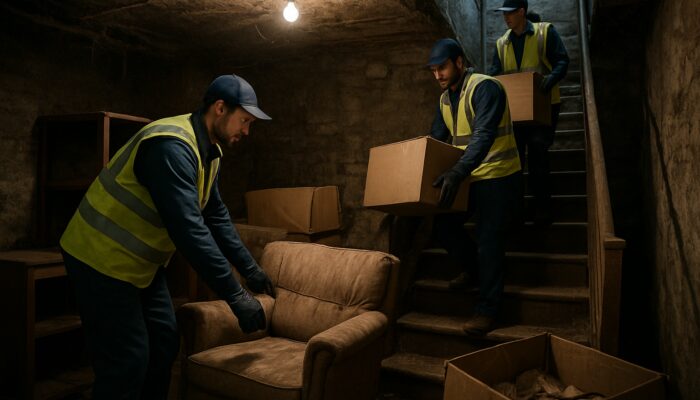
Bereavement charities offer a variety of property clearance services aimed at assisting families during the difficult process of sorting through a deceased loved one’s belongings. These procedures are meticulously coordinated to ensure that items are removed and disposed of respectfully, honouring the wishes of the deceased and the preferences of the family. Charities often engage trained professionals who comprehend the sensitivity required in these circumstances.
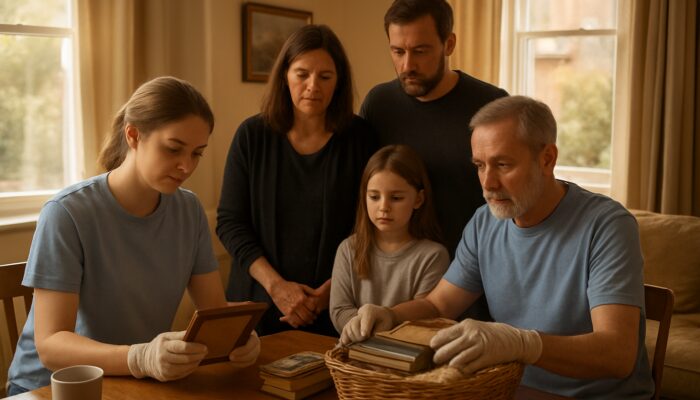
The clearance process typically commences with an initial assessment, where charity representatives engage with the family to discuss their needs and the extent of the clearance required. This consultation allows for a personalised approach, ensuring that families feel comfortable and supported throughout the process. Items may be categorised into groups such as keep, donate, or dispose of, with families actively involved in the decision-making to honour their loved one’s memory.
Charities often collaborate with local recycling initiatives to ensure that any items that cannot be reused are disposed of sustainably. This commitment to environmental responsibility not only benefits the community but also offers families reassurance, knowing that their loved one’s belongings are treated with dignity and care.
Holistic Support: Emotional and Practical Assistance
The combination of emotional and practical support is a defining characteristic of bereavement charities, enriching the overall experience for families during a challenging time. These services provide a unique blend of logistical assistance and psychological support, addressing the multifaceted needs of those in mourning.
The key benefits of these integrated services include:
- Compassionate guidance throughout the clearance process
- Access to counselling and emotional support for family members
- Help with legal matters concerning estates and wills
- Community resources that connect families with additional support services
By combining emotional and practical support, charities assist families in navigating the complexities of bereavement while alleviating some of the burdens associated with property clearance. This comprehensive approach not only aids in the logistical aspects but also fosters a sense of community and understanding, allowing families to feel less isolated in their grief.
Volunteer Contributions to Service Delivery

Volunteers are vital to the operation of bereavement charities, dedicating their time and skills to support families during their most challenging moments. These trained individuals often serve as the backbone of charity operations, aiding in property clearance and offering compassionate interaction with grieving relatives. Their involvement enhances the efficiency of the clearance process and provides emotional comfort to families.
Volunteers typically undergo training to prepare for the sensitive nature of their work. This training covers aspects such as understanding the grieving process, effective communication skills, and practical tips for handling belongings with respect. By equipping volunteers with these essential tools, charities ensure that families receive compassionate and knowledgeable support during their time of need.
The presence of volunteers fosters a sense of community, as they frequently share personal experiences that resonate with those they are assisting. This connection encourages an atmosphere of empathy and understanding, making the clearance process feel less daunting for families as they navigate their grief.
Referrals for Legal Guidance
Navigating the legal complexities associated with bereavement can be overwhelming for families. Bereavement charities frequently provide referrals to legal experts who specialise in handling wills, estates, and probate matters. This support is essential in ensuring that families can manage the administrative tasks related to a loved one’s passing without additional stress.
Legal advice referrals usually involve connecting families with solicitors or legal aid services knowledgeable in the intricacies of bereavement law. These professionals guide families through the process of executing wills, settling estates, and addressing any disputes that may arise. By facilitating these connections, charities help alleviate the burden on families during a period of profound emotional distress.
Access to legal advice can prevent potential complications in the future, allowing families to concentrate on healing rather than legal disputes. Charities strive to provide comprehensive support that addresses both emotional and logistical aspects of bereavement, making these referrals a critical component of their services.
Raising Awareness Through Community Campaigns
Community awareness campaigns are a fundamental part of the mission of bereavement charities, aiming to educate the public about the support services available. Through workshops, informational sessions, and outreach events, these charities highlight the significance of professional assistance in managing bereavement-related challenges.
These campaigns often emphasise the various services offered, including property clearance, emotional support, and legal guidance, encouraging individuals to seek help when necessary. By fostering a greater understanding of bereavement charities, these initiatives aim to diminish stigma and promote the idea that seeking support is a sign of strength.
Community awareness efforts can lead to increased volunteer engagement and donations, enhancing the charity’s capacity to assist families in need. As more individuals become informed about the available services, the network of support for those experiencing loss expands, ultimately benefiting the entire community.
What Challenges Do Families Face During the Clearance Process?
Understanding Legal Requirements for Estates
Navigating the legal requirements associated with estates presents one of the primary challenges families encounter during the clearance process. Grasping the nuances of wills, ownership documents, and permissions is vital to ensuring that property is managed correctly and legally. Bereavement charities play a crucial role in assisting families with these complexities, guiding them through the necessary steps to prevent delays or complications.
Charities often help families identify the legal documents necessary for property clearance. This may involve obtaining copies of the will, comprehending the probate process, and confirming that all necessary permissions are secured before initiating the clearance. By offering this support, charities help demystify the legal landscape, allowing families to focus on their emotional well-being.
Effective communication with legal professionals is equally important. Charities can facilitate connections with solicitors who specialise in probate law, ensuring that families receive expert guidance tailored to their specific circumstances. This collaborative approach streamlines the clearance process and alleviates the stress associated with navigating legal requirements during a period of grief.
Addressing Environmental Considerations in Clearance
In today’s society, environmental considerations are increasingly significant, even during the sensitive process of bereavement clearance. Many bereavement charities prioritise sustainable disposal methods, ensuring that items are disposed of responsibly and in an environmentally friendly manner. This commitment to sustainability not only benefits the planet but also provides families with peace of mind.
Charities often partner with local recycling initiatives to ensure that items that cannot be reused are disposed of in a way that minimises waste. This collaboration may involve working with organisations that specialise in recycling or repurposing materials, allowing families to honour their loved ones while contributing to environmental efforts.
By prioritising sustainability, charities can help families feel that they are making responsible choices during a challenging time. This approach enhances the overall clearance process and aligns with broader societal goals of reducing waste and promoting environmental stewardship.
Coordinating with Family Members
Effective coordination with family members is essential during the clearance process, as emotions can run high and differing opinions may arise. Bereavement charities often serve as facilitators, ensuring that all parties are informed and included in the decision-making process where appropriate. This open communication helps to mitigate potential conflicts and nurtures a sense of collaboration among family members.
Charities typically encourage families to engage in discussions about their loved one’s belongings before the clearance commences. This may involve identifying items of sentimental value, discussing preferences for donation or disposal, and establishing a clear plan for the clearance process. By involving all family members in these conversations, charities help create a shared understanding and respect for each individual’s feelings.
Having a neutral party, such as a charity representative, can assist in mediating discussions and providing guidance on how to address sensitive topics. This support can be invaluable in maintaining family harmony during a time of grief, allowing families to focus on healing rather than disputes over belongings.
Insights from Experts on Bereavement Charities for UK Clearance
Research Findings on the Effectiveness of Charities
Recent studies have underscored the effectiveness of bereavement charities in enhancing outcomes for families coping with loss. Research indicates that structured support services streamline the clearance process, enabling families to navigate their grief with greater ease. By providing practical assistance and emotional support, these charities play a pivotal role in helping families manage the complexities of bereavement.
Expert analyses suggest that families engaging with bereavement charities experience lower levels of stress during the clearance process. This reduction in stress is attributed to the professional guidance offered by charity representatives, who are trained to handle sensitive situations with care. The structured approach provided by these organisations not only aids in logistical matters but also fosters a supportive environment for emotional healing.
Ongoing research continues to examine the long-term benefits of engaging with bereavement charities. Preliminary findings indicate that families utilising these services report improved emotional well-being and a stronger sense of community connection, highlighting the importance of professional assistance during times of loss.
Case Studies Highlighting Effective Strategies
Real-world case studies from practitioners in the realm of bereavement charities offer valuable insights into the innovative strategies employed to handle complex situations. One notable example features a charity that successfully supported a family facing the sudden loss of a parent. The charity provided immediate emotional support and coordinated the clearance of the family home, allowing grieving relatives to prioritise their emotional needs while ensuring respectful handling of the property.
Another case study showcases a charity that specialised in assisting elderly individuals during property clearance. By employing trained volunteers to support the process, the charity provided compassionate care while ensuring that items of sentimental value were preserved. This approach not only alleviated the burden on the elderly individual but also fostered a sense of connection and understanding among family members.
These case studies exemplify the adaptability and effectiveness of bereavement charities in addressing the unique challenges confronted by families during the clearance process. By employing innovative strategies and fostering robust community connections, these organisations consistently make a significant impact on the lives of those they serve.
Expert Recommendations for Preparation
Experts recommend several actionable steps for families to take before engaging with bereavement charity services. Firstly, families should organise essential documentation, including the deceased’s will, financial records, and any relevant legal papers. Having these documents readily available can expedite the clearance process and assist charity representatives in assessing the situation more effectively.
Families are encouraged to have open conversations about their loved one’s belongings prior to initiating the clearance. This can help identify items of sentimental value and clarify preferences for donation or disposal. Establishing a clear plan and involving all family members in these discussions can reduce potential conflicts and ensure that everyone feels acknowledged during this challenging time.
Contacting charities early in the process is crucial. Early outreach enables families to benefit from the charity’s expertise and support, ensuring that they receive the guidance needed as they navigate the complexities of property clearance and emotional healing. By taking these proactive steps, families can better prepare for the journey ahead.
Regulatory Impact on Charitable Operations
Recent regulations in the UK have significant implications for the operations of bereavement charities, particularly regarding compliance requirements for clearance processes. Charities must adhere to legal standards governing property handling, ensuring they operate within the law while providing support to grieving families. This compliance is essential for maintaining the trust and integrity of the charity sector.
Experts suggest that these regulations have prompted charities to enhance their operational practices, ensuring they are equipped to manage the complexities of bereavement clearance. This may involve implementing training programmes for staff and volunteers, as well as developing partnerships with legal professionals who can offer guidance on compliance matters. By prioritising regulatory adherence, charities can continue to deliver effective services while safeguarding the interests of families.
The emotional support offered by charities is also influenced by regulatory changes. As the landscape of bereavement services evolves, charities must adapt to ensure they meet families’ needs while complying with legal requirements. This adaptability is crucial for maintaining the quality of support services and ensuring families receive the assistance they require during their time of grief.
The Impact of Funding on Charity Operations
Diverse Sources of Financial Support
The financial sustainability of bereavement charities heavily relies on various funding sources, including donations, grants, and legacies. These resources form the backbone of charity operations, enabling organisations to uphold high standards in property clearance and assistance programmes. Contributions from individuals and businesses play a pivotal role in supporting the ongoing work of these charities, providing the necessary funds to deliver essential services.
Grants from government bodies and charitable foundations also significantly contribute to funding. These grants often support specific projects or initiatives, allowing charities to extend their reach and enhance the quality of their services. By actively pursuing grant opportunities, charities can secure additional resources that reinforce their capacity to assist families in need.
Legacies from individuals who choose to leave a portion of their estate to charity can provide a substantial and stable income source. These contributions not only honour the memory of the deceased but also ensure the charity can continue its vital work for years to come, making a lasting impact on the lives of those it serves.
Strategic Budget Allocation
Effective budget allocation strategies are essential for bereavement charities to maximise their impact and reach. Charities typically allocate funds towards staff training, equipment, and community outreach initiatives, ensuring they deliver high-quality services while addressing family needs. Investing in training programmes equips staff and volunteers with the necessary skills to provide compassionate support during the clearance process.
Community outreach is another crucial area for budget allocation. Charities often dedicate resources to raise awareness about their services, encouraging families to seek help when necessary. This outreach can take many forms, including informational campaigns, workshops, and partnerships with local organisations, all aimed at fostering a greater understanding of the support available.
Careful budgeting allows charities to respond to emerging needs within the community. By remaining flexible and adaptive, charities can ensure their services evolve to meet the changing demands of families facing bereavement. This proactive approach is vital for maintaining relevance and effectiveness in an ever-changing landscape.
Challenges Arising from Resource Limitations
Resource limitations can pose significant challenges for bereavement charities, impacting their ability to deliver timely and effective services. Restricted budgets may result in reduced staffing levels, which can slow down the clearance process and hinder the overall quality of support provided to families. Charities often find themselves balancing the need for comprehensive services against the realities of financial constraints.
To address these challenges, many charities seek innovative partnerships with local businesses and organisations. By collaborating with other entities, charities can enhance their capacity without compromising care. These partnerships may involve shared resources, joint fundraising initiatives, or collaborative outreach efforts that benefit both parties while expanding the reach of support services.
Volunteers also play a critical role in mitigating the impact of resource limitations. By engaging community members and harnessing their skills, charities can increase their operational capacity and ensure families receive the assistance they require during a challenging time. This reliance on community support not only strengthens the charity’s operations but also fosters a sense of connection and shared purpose within the community.
Research-Backed Advantages of Bereavement Charities for Property Clearance
Enhanced Well-being Outcomes for Families
Research suggests that engaging with bereavement charities leads to improved well-being outcomes for families during the clearance process. Studies indicate that structured support services can significantly lessen the emotional burden on families, enabling them to navigate their grief more effectively. By providing practical assistance and emotional support, charities help families manage the complexities of bereavement while minimising additional stress.
Families utilising charity services frequently report feeling more empowered and less isolated during their time of loss. This sense of community connection is vital for emotional recovery, as it fosters an environment where families can share experiences and support one another. The structured approach offered by charities aids in logistical matters while promoting a sense of belonging during a challenging time.
Ongoing support from charities can yield long-term benefits for families. Research indicates that those who engage with bereavement charities experience greater emotional resilience and improved coping strategies, equipping them to handle future challenges. This empowerment underscores the crucial role that professional assistance plays in the recovery process.
Actionable Long-term Planning Steps Based on Evidence
Effective long-term planning is essential for families navigating the complexities of bereavement. Evidence-based charity models offer valuable insights that can be applied to support bereaved individuals meaningfully. One actionable step is to develop a comprehensive support plan that outlines the resources available to families, including emotional support, legal advice, and practical assistance.
Families should consider establishing a support network comprising friends, family, and professionals. This network can offer ongoing encouragement and understanding, helping individuals feel less isolated in their grief. Regular check-ins and open communication within this network can foster a sense of community and connection that is vital for emotional healing.
Lastly, families are encouraged to engage with local bereavement charities early in the process. By seeking support, families can access resources and guidance that will aid them in their long-term recovery journey. This proactive approach not only enhances the immediate experience of bereavement but also lays the foundation for a healthier emotional future.
Community-Wide Benefits of Bereavement Charities
The broader societal advantages of bereavement charities extend beyond individual families, contributing to community-wide benefits. By providing structured support services, these charities help reduce isolation among grieving individuals, fostering a sense of connection and understanding within the community. This collective support can lead to a more compassionate society, where individuals feel empowered to seek help during difficult times.
Coordinated charity networks enhance the efficiency of resource use within communities. By collaborating with local organisations and service providers, bereavement charities can streamline their efforts, ensuring families receive comprehensive support without unnecessary duplication of services. This collaborative approach maximises the impact of charity initiatives and promotes a culture of cooperation and shared purpose.
Raising awareness about the importance of professional bereavement assistance can lead to increased community engagement and volunteerism. As more individuals become informed about the available services, they may feel inspired to contribute their time and resources, further strengthening the support network for those in need. This ripple effect can create a more resilient and compassionate community, ultimately benefiting everyone involved.
What Specific Support Is Available for Unique Needs?
Specialised Assistance for Vulnerable Groups
Bereavement charities acknowledge that certain groups may require tailored support during the clearance process, particularly vulnerable populations such as the elderly or individuals with mobility challenges. These charities often develop specialised programmes aimed at addressing the unique needs of these groups, ensuring they receive the assistance they require in a compassionate and respectful manner.
For elderly individuals, charities may provide home visits to assess the situation and offer assistance in a familiar environment. This personalised approach can help reduce the stress associated with property clearance, allowing elderly individuals to feel more comfortable and supported during a challenging time. charities ensure that their volunteers are trained to work sensitively with vulnerable populations, fostering an atmosphere of trust and understanding.
Individuals with mobility issues may also benefit from additional support, such as transportation services or assistance with physically demanding tasks during the clearance process. By addressing these specific needs, charities can ensure that all individuals, regardless of their circumstances, have access to the support they require during their time of grief.
Culturally Sensitive Services
Cultural sensitivity is a vital aspect of the services provided by bereavement charities, as they recognise that various traditions and beliefs surrounding bereavement can significantly influence how families approach the clearance process. Charities often adapt their methods to honour the diverse customs and practices of the communities they serve, ensuring that all families feel understood and supported.
This cultural sensitivity may include accommodating specific rituals or practices associated with the deceased’s culture or faith. Charities often collaborate closely with families to understand their unique needs and preferences, enabling a more personalised approach to property clearance. By fostering an inclusive environment, charities can assist families in navigating their grief in a manner that aligns with their cultural values.
Training volunteers and staff in cultural competency is crucial for fostering understanding and empathy. This training equips charity representatives with the knowledge and skills to engage with families from diverse backgrounds respectfully, ensuring that all individuals feel valued and supported during their time of loss.
Follow-Up Care After Clearance
Post-clearance follow-up care is an essential component of the services offered by bereavement charities, ensuring that families continue to receive support after the clearance process is completed. This ongoing assistance can be invaluable as families navigate their grief and begin the healing journey.
Key benefits of post-clearance follow-up care include:
- Emotional support through counselling or support groups
- Assistance with any remaining legal or administrative tasks
- Connections to community resources for ongoing support
- Regular check-ins to ensure families feel supported
By providing this follow-up care, charities help families transition smoothly after the initial clearance phase. This continued support fosters a sense of community and connection, allowing individuals to feel less isolated in their grief. it reinforces the idea that seeking help is a crucial part of the healing journey, encouraging families to prioritise their emotional well-being as they move forward.
Anticipating Future Developments in Charity Support
Embracing Technological Innovations
Technological advancements are increasingly influencing the processes employed by bereavement charities, enhancing their ability to deliver efficient and effective services. Digital tools are utilised for inventory management, enabling charities to streamline property clearance processes. These tools facilitate accurate tracking of items, ensuring families receive comprehensive reports and enabling better decision-making.
Virtual consultations are also gaining popularity, allowing families to connect with charity representatives remotely. This flexibility can be particularly beneficial for individuals who may find travel difficult or who prefer the convenience of online communication. By embracing technology, charities can improve accessibility and ensure families receive timely support.
Social media platforms are being harnessed to raise awareness about available services and engage with the community. Charities can utilise these platforms to share resources, success stories, and educational content, fostering greater understanding of the importance of professional bereavement assistance. This digital outreach can significantly broaden the charity’s reach and impact, ultimately benefiting more families in need.
Policy Influences on Service Delivery
Regulatory changes and policies can significantly impact the operations of bereavement charities, necessitating adaptability to continue providing effective assistance. Recent policy shifts may introduce new compliance requirements or funding opportunities, prompting charities to reassess their operational strategies. Staying informed about these changes is essential for charities to navigate the evolving landscape of bereavement support.
Charities must also proactively advocate for policies that enhance their capacity to serve families effectively. By engaging with policymakers and stakeholders, charities can influence the development of regulations that support their mission and ensure families receive the assistance they need. This advocacy can lead to positive changes that benefit both charities and the communities they serve.
As societal attitudes towards bereavement evolve, charities must adapt their services to reflect these changes. This may entail incorporating new approaches to emotional support or expanding their reach to underserved populations. By remaining responsive to policy influences, charities can ensure they meaningfully meet families’ needs.
Fostering Community Involvement
Encouraging local participation in bereavement charity initiatives is vital for strengthening the support network available for those in need. Community involvement can take various forms, from volunteering to fundraising, and plays a crucial role in enhancing the capacity of charities to assist families during their time of grief.
One effective strategy for promoting community involvement is through awareness campaigns that educate the public about the services offered by bereavement charities. By highlighting the importance of professional support and the impact of volunteer efforts, charities can inspire individuals to engage with their mission. This increased awareness can lead to greater participation in fundraising events, volunteer programmes, and community outreach initiatives.
Partnerships with local businesses and organisations can boost community involvement. By collaborating on events or initiatives, charities can tap into new networks of support and resources, further expanding their reach. These partnerships not only benefit the charity but also foster a sense of shared purpose within the community, promoting a culture of compassion and support.
Ultimately, by actively promoting community involvement and engagement, bereavement charities can strengthen their services and ensure families have access to the support they need during challenging times.
Frequently Asked Questions
What are bereavement charities?
Bereavement charities are organisations dedicated to providing support and assistance to families dealing with the loss of a loved one. They offer services such as property clearance, emotional support, and legal advice to help families navigate the challenges associated with bereavement.
How can I access bereavement charity services?
Families can access bereavement charity services through local networks, community centres, or by reaching out directly to charities via their websites. Many charities also provide helplines for immediate support.
Who qualifies for assistance from bereavement charities?
Eligibility typically includes individuals who have faced sudden bereavements and may lack the resources to manage property clearance. Each charity may have specific criteria, so it is advisable to inquire directly.
What types of support do bereavement charities provide?
Bereavement charities offer a range of support services, including property clearance, emotional counselling, legal advice, and community resources to assist families during their time of loss.
How do charities ensure cultural sensitivity in their services?
Charities often adapt their methods to respect diverse traditions surrounding bereavement. This includes accommodating specific rituals and ensuring that staff are trained in cultural competency to engage with families respectfully.
What role do volunteers play in bereavement charities?
Volunteers are essential to the operations of bereavement charities, assisting with property clearance and providing compassionate support to grieving families. They often undergo training to prepare for this sensitive work.
How do bereavement charities handle legal matters?
Many bereavement charities provide referrals to legal experts who specialise in wills, estates, and probate matters. This support assists families in navigating the legal complexities associated with bereavement.
What are the benefits of using a bereavement charity?
Utilising a bereavement charity can lead to improved emotional well-being, reduced stress during the clearance process, and access to comprehensive support services tailored to the needs of grieving families.
How can I support bereavement charities?
You can support bereavement charities by donating, volunteering your time, or participating in fundraising events. Raising awareness about their services within your community also helps to enhance their reach.
What future developments can we expect in bereavement charity services?
Future developments may encompass the adoption of technological innovations for service delivery, increased community involvement, and adaptations to changing regulations that enhance the effectiveness of support services.