Essential Preparations for Clearance Areas
Comprehensively Preparing the Space
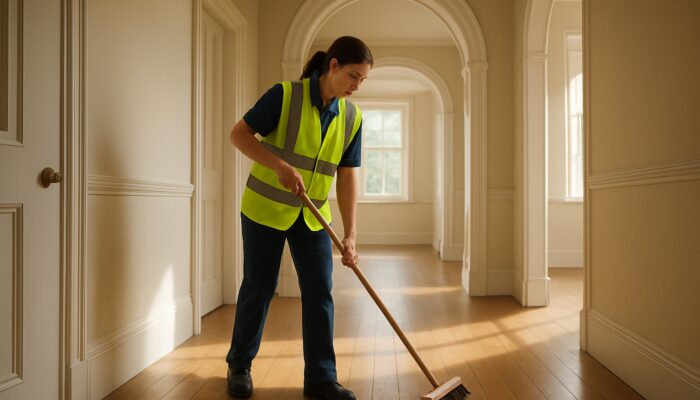
Start your cleaning process by meticulously clearing all loose debris from the rooms and hallways. This foundational step is vital for establishing a safe working environment in line with British safety standards. Clear pathways not only boost safety but also streamline the cleaning process.
After clearing debris, conduct a thorough inspection of the areas for any lingering dust or dirt. Starting with a clean slate allows for a more effective deep clean, ensuring that no hidden grime is left behind. This preparatory work establishes the foundation for the entire cleanup operation.
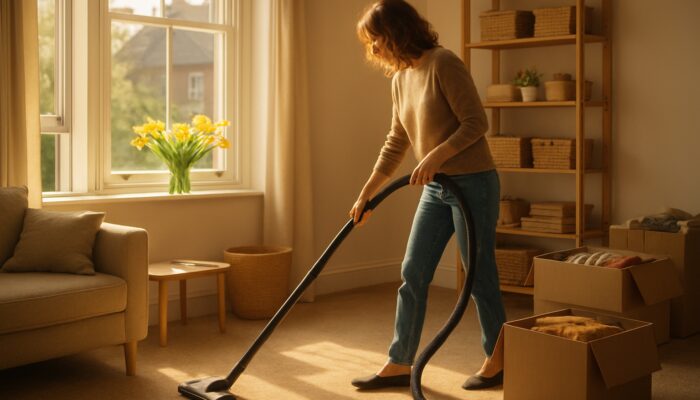
Utilise a broom or vacuum to address larger particles initially. Subsequently, using a damp cloth can effectively capture finer dust. This method adheres to common household practices and guarantees that you are working within expected cleanliness standards.
Thoroughly Checking for Remaining Items
Prior to engaging in deeper cleaning tasks, it’s imperative to inspect every cupboard, shelf, and drawer meticulously. This detailed examination ensures that nothing is overlooked, which is crucial in a post-clearance scenario. Overlooked items can result in unnecessary clutter and complications later on.
Using a checklist can be advantageous during this inspection. Documenting the contents of each area allows you to keep track of what has been removed and what remains. This strategy aligns with typical household routines and can help avoid disputes over lost items.
Involving family members or helpers in this process can expedite the task. Assign specific areas to different individuals, ensuring a comprehensive review of the property. This collaborative approach not only makes the task more manageable but also promotes accountability.
Gathering Essential Supplies for Cleanup
Collecting the appropriate cleaning supplies is a key step in ensuring an effective cleanup. Visit local shops to procure essential items such as cleaning products, cloths, and protective gloves. Having all necessary supplies at hand will significantly streamline the cleaning process.
Explore eco-friendly cleaning products frequently available in British supermarkets. These options are not only effective but also support sustainable practices, minimising your environmental impact during cleanup. Look for biodegradable cleaners or natural alternatives.
Don’t overlook personal protective equipment. Gloves and masks are crucial, particularly if you are dealing with dust or potentially hazardous materials. Prioritising your safety while cleaning must be paramount, so equip yourself suitably before commencing.
Documenting the Property’s Condition
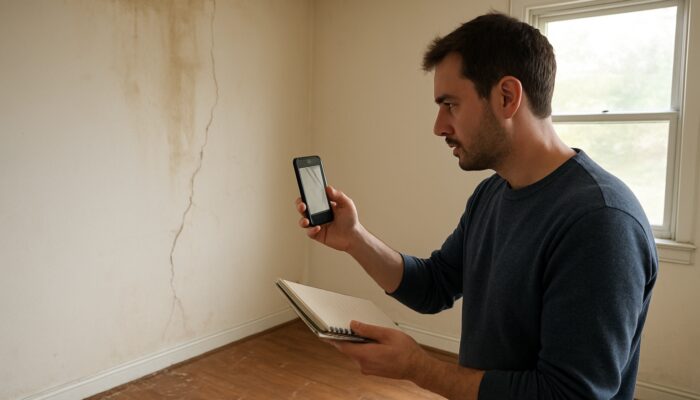
Before initiating any clearance activities, it’s wise to document the condition of the property. Take detailed photographs and notes of any pre-existing damage or issues found in each room. This practice is essential for safeguarding against future disputes.
Maintaining a clear record of the property’s condition can prove invaluable, especially if you are renting or selling the property. It establishes a baseline that can be referenced later, ensuring all parties are aware of the property’s state before any work begins.
While documenting, consider noting any repairs that are required. This proactive method aids in tracking issues and facilitates planning for future maintenance or renovations, promoting the property’s upkeep.
Professional Strategies for Quick Cleanup After House Clearance
Evaluating Property Conditions
Assessing the property’s condition is vital after a house clearance. Real-world instances from British homes often reveal that surface damage, such as scratches on floors or marks on walls, can be prevalent. Identifying these issues early allows for targeted cleaning and repairs.
For example, if you discover scuff marks on wooden floors, a specialised cleaning solution designed for wood can be employed to restore their appearance. This focused approach not only enhances aesthetics but also extends the lifespan of your flooring.
Assessing the condition of carpets or upholstery is crucial. If they are stained or damaged, addressing these issues promptly can prevent further deterioration. This level of attention aligns with the expected residential standards in the UK, ensuring a thorough cleanup.
Selecting Suitable Cleaning Techniques
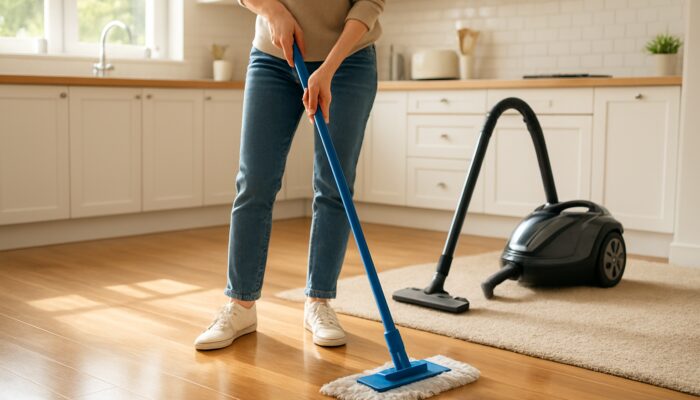
Choosing the correct cleaning techniques is essential for different types of flooring commonly found in UK homes. For hard floors, such as tiles or laminate, a damp mop coupled with an appropriate cleaner can effectively remove dirt without causing damage.
For carpets, a vacuum cleaner featuring a robust filtration system is critical. It not only captures dust but also aids in minimising allergens, contributing to a healthier indoor environment. Consider employing a carpet cleaner for any persistent stains.
Grasping the materials within your home enables better cleaning decisions. Certain hardwoods may require specific cleaners to avoid damage. Customising your approach based on the floor type can greatly enhance the effectiveness of your cleanup efforts.
Ensuring Compliance with Waste Management Standards
Adhering to current guidelines for waste handling during cleanup is essential to avoid issues with local collection regulations. Each council in the UK has specific rules regarding waste disposal that must be followed. Familiarising yourself with these can save time and prevent potential fines.
For instance, many councils provide clear guidelines on what can be recycled and what should go to general waste. Ensuring compliance not only aids in maintaining cleanliness but also supports local recycling initiatives, contributing to wider environmental objectives.
Engaging with local waste management services can provide additional insights. They often offer resources and advice on best practices for waste disposal, assisting you in navigating the complexities of post-clearance cleanup effectively.
How Can You Safely Manage Hazardous Items?
Identifying Potential Hazards
Recognising potential hazards during a cleanup is vital for ensuring safety. Examine areas for leftover chemicals, sharp objects, or any materials that may present a risk. This step is consistent with everyday British household safety practices, ensuring a secure environment for all involved.
Common household items that may require special handling include old paints, solvents, or cleaning products no longer needed. Identifying these items early can avert accidents and ensure they are disposed of properly.
Sharp objects like broken glass or metal can pose serious dangers. Always handle these with care, using gloves and suitable containers to avoid injury. This proactive approach to safety is essential during any cleanup operation.
What Protective Measures Are Most Effective?
When dealing with questionable materials, wearing appropriate gloves and masks is crucial. These protective measures help safeguard your wellbeing during the cleanup phase, preventing exposure to harmful substances. Opt for robust gloves that can withstand various cleaning tasks.
Using a mask can protect against inhaling dust and fumes, especially when cleaning areas that have been neglected for an extended period. This is particularly important in older homes where dust and allergens may be more prevalent.
Always ensure that your protective gear is suitable for the specific tasks at hand. For instance, if working with chemicals, consider using goggles for eye protection as well. This comprehensive safety approach will help you manage the cleanup process more effectively.
Arranging Proper Disposal
Contacting authorised services for the disposal of items that cannot be placed in regular bins is essential. Many councils in the UK provide special collection services for hazardous waste, ensuring that these materials are handled safely and in accordance with regulations.
Before arranging for collection, ensure that you have accurately identified all hazardous items. This may include old batteries, chemicals, or electronic waste. Proper classification helps ensure that these items are treated appropriately during disposal.
Engaging with local waste management services can also provide guidance on best disposal practices. They offer insights into what materials are accepted and the procedures to follow, streamlining the process.
Implementing Safe Storage Practices
Ensuring all hazardous materials are stored in properly labelled and sealed containers is vital. This practice effectively minimises risks and aligns with everyday British household safety protocols. Clear labelling helps anyone handling these materials understand the associated risks.
Store these containers in designated areas that are inaccessible to unauthorised persons, especially children and pets. This precaution further reduces the likelihood of accidents and ensures that hazardous materials are kept secure.
Regularly reviewing your storage practices is equally important. Ensure that containers are in good condition and that labels are legible. This proactive approach will help maintain safety standards in your home.
Managing Unexpected Incidents
Developing a clear plan for addressing unexpected incidents during cleanup is crucial. Keeping emergency contacts readily available can expedite responses to any accidents or hazardous situations that may arise. This preparation is a vital aspect of community safety in the UK.
In the event of spills or exposure to hazardous materials, using absorbent materials for containment can help mitigate risks. Always have a first aid kit on hand, equipped with the necessary supplies for minor injuries that could occur during the cleanup process.
Reporting any significant incidents to local authorities is also essential. This ensures that proper procedures are followed and that any risks are addressed promptly, contributing to overall safety in your community.
Effectively Sorting Waste Materials
Prioritising the Separation of Recyclables
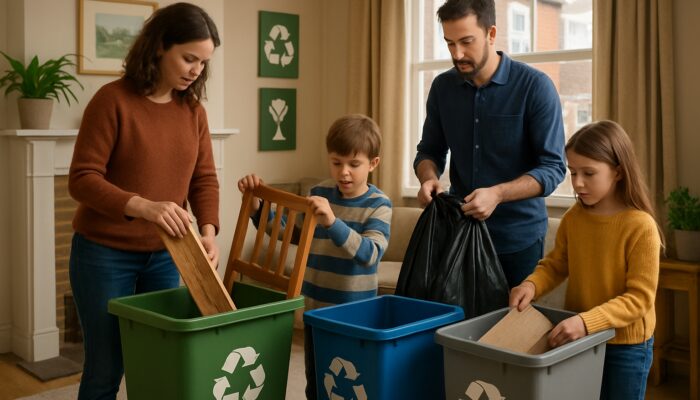
Separating recyclables should be the initial step in your waste sorting process. Divide paper, plastics, and metals into designated bags, ready for council pickup schedules commonly found across residential areas. This practice supports local recycling initiatives and reduces landfill waste.
Utilising transparent bags for recyclables can assist both you and your council in managing waste more effectively. Many councils provide specific guidelines on what can be recycled, so familiarising yourself with these can ensure compliance and efficiency.
Consider establishing a designated recycling station in your home. Having a specific area for recyclables can streamline the sorting process, making it easier to manage waste and encouraging everyone in the household to participate in recycling efforts.
Managing General Refuse
After sorting recyclables, focus on handling general refuse. Place non-recyclable items into sturdy sacks to simplify collection and reduce clutter in the cleared property. Using high-quality bin liners ensures that bags do not tear during transport.
It’s important to check for any items that may have been mistakenly included in the general refuse. Regularly reviewing what goes into these bags can help improve recycling rates and reduce waste overall.
Consider scheduling regular waste collection days to ensure that refuse is removed promptly. This proactive approach maintains a tidy space and prevents the accumulation of waste, contributing to a more organised environment.
What Labelling Enhances Organisation?
Clearly marking each container with content details is crucial for assisting anyone who may be helping with the remaining stages of work. Clear labelling not only aids in organisation but also ensures that everyone is informed about what materials are being handled.
Utilising colour-coded labels can further enhance organisation. For instance, green for recyclables, red for hazardous items, and blue for general refuse can facilitate quick identification of contents.
Encouraging everyone involved in the cleanup to adhere to the labelling system will streamline the process. Consistency in labelling helps maintain order and ensures that materials are disposed of correctly, improving overall efficiency.
Composting Organic Waste
Identifying and separating any items suitable for composting is an excellent way to reduce overall waste volume. Items like vegetable peels, plant matter, and other organic waste can be placed in specific bins for collection by local services or for personal use.
Composting not only decreases waste but also enriches the soil, supporting sustainable gardening practices. Many councils in the UK provide composting bins and guidelines, making it easier for residents to engage in this eco-friendly practice.
If space allows, consider establishing a small composting system in your garden. This not only reduces landfill waste but also provides a valuable resource for gardening, contributing to a more sustainable lifestyle.
Environmentally Friendly Cleaning Approaches
Utilising Natural Cleaning Products
Choosing natural cleaning products is an excellent way to maintain a clean home without resorting to harsh chemicals. Common household items like vinegar and bicarbonate of soda are effective cleaners that can tackle a variety of stains and surfaces in British homes.
These natural solutions are not only safer for your health but also more beneficial for the environment. They decrease the amount of harmful chemicals released into the air and waterways, aligning with sustainable living practices.
Consider crafting your own cleaning solutions with these ingredients. For instance, a mixture of vinegar and water can effectively clean windows and surfaces, leaving them streak-free and fresh without the need for commercial cleaners.
Minimising Water Usage
Employing damp cloths sparingly during cleaning tasks is an effective means of conserving water while achieving thorough results post-clearance. This approach not only protects the environment but also ensures that surfaces are cleaned without excessive moisture.
Utilising a spray bottle to lightly mist surfaces before wiping can also reduce water consumption. This method allows for effective cleaning without saturating surfaces, which is particularly important for materials like wood or fabric.
Encouraging everyone involved in the cleanup to adopt water-saving practices can significantly impact overall resource consumption. Simple habits can lead to substantial water savings over time, contributing to a more sustainable household.
Key Advantages of Sustainable Practices
- Minimises environmental impact through reduced chemical usage.
- Promotes healthier indoor air quality for residents.
- Encourages responsible waste management and recycling.
- Supports local ecosystems through composting efforts.
- Enhances overall property value by maintaining clean and safe environments.
Evidence-Based Benefits of Quick Cleanup Methods Following House Clearance
Enhancing Indoor Air Quality
Implementing systematic cleaning methods can significantly improve indoor air quality. Real-world examples illustrate that properties subjected to thorough cleaning after clearance often report reduced dust levels, leading to a healthier living environment.
Dust and allergens can accumulate rapidly in neglected spaces. By addressing these issues promptly, you can cultivate a more comfortable atmosphere, particularly for individuals with respiratory conditions or allergies.
Regular cleaning and maintenance not only enhance air quality but also contribute to overall wellbeing. Keeping spaces consistently clean helps maintain a healthy home, promoting better health for all residents.
Improving Overall Hygiene
Following recommended cleaning sequences can dramatically reduce bacteria counts on surfaces. This is particularly critical in areas such as kitchens and bathrooms, where hygiene is of utmost importance. Effective cleaning methods can result in a noticeable improvement in cleanliness.
Utilising appropriate cleaning products and techniques ensures surfaces are not only clean but also safe for use. Regularly sanitising high-touch areas can help prevent the spread of germs, contributing to a healthier home environment.
Involving family members in regular cleaning routines can further enhance overall hygiene. By making cleaning a shared responsibility, everyone contributes to maintaining a clean and healthy space.
Supporting Mental Wellbeing
Organised spaces significantly contribute to comfort in everyday living environments. Clutter can induce stress and anxiety, whereas a clean, tidy home fosters relaxation and mental clarity. This link between cleanliness and mental wellbeing is well-documented.
Implementing quick cleanup methods can help sustain order, making it easier to handle daily tasks. A clean environment nurtures a sense of control and accomplishment, enhancing overall mental health.
Encouraging regular cleaning habits among family members can foster a collective sense of responsibility and pride in the home. This shared effort not only improves physical spaces but also strengthens family bonds.
Reducing Allergen Exposure
Research findings from environmental health studies indicate decreased allergen concentrations in homes where rapid cleanup protocols are implemented immediately following clearance operations. This leads to improved respiratory health outcomes for residents, particularly those with allergies or asthma.
Establishing cleaning routines that focus on allergen reduction can significantly enhance indoor air quality. Regularly vacuuming with HEPA filters and dusting surfaces can create a more comfortable living environment.
Educating family members about the significance of maintaining cleanliness can help sustain these practices. By fostering awareness of allergen exposure, everyone can contribute to a healthier home environment.
Accelerating Property Value Recovery
Data from real estate analyses reveal that prompt post-clearance cleaning enhances market appeal and accelerates sales processes. Properties maintained in pristine condition attract discerning buyers, reducing time on the market.
Clean, well-presented homes create a positive first impression, which is critical in the competitive UK property market. Ensuring spaces are clean and inviting can significantly influence buyer perceptions and decisions.
Investing time in quick cleanup methods can yield substantial returns when it comes to selling or renting a property. A clean home not only enhances its value but also reflects positively on the owner’s commitment to maintenance.
Recommended Tools for Efficient Cleanup
Vacuum Cleaners with Versatile Attachments
Selecting vacuum cleaners equipped with attachments is essential for reaching tight spaces left after furniture removal. Models featuring crevice tools are particularly effective in tackling dust and debris in hard-to-reach areas, ensuring a thorough clean.
Investing in a vacuum with robust suction power can significantly enhance cleaning efficiency. This is especially important in homes with pets, where hair and dander can accumulate quickly.
Regular maintenance of your vacuum cleaner is equally crucial. Cleaning filters and checking for blockages will ensure optimal performance, making your cleanup efforts more effective and efficient.
Microfibre Cloths and Mops
Utilising microfibre cloths and mops is an excellent choice for achieving streak-free results on hard floors. These materials are designed to effectively trap dust and dirt, making them ideal for post-clearance cleaning.
Microfibre cloths are also reusable and can be washed multiple times, making them an eco-friendly option. This aligns with sustainable practices, reducing reliance on disposable cleaning products.
Incorporating a variety of microfibre tools can enhance your cleaning routine. For instance, using different cloths for dusting and surface wiping can improve efficiency and ensure cleaning tasks are completed effectively.
Heavy-Duty Bin Liners
Opting for reinforced heavy-duty bin liners is essential for containing larger volumes of waste without tearing during transport. These durable bags can withstand the demands of a thorough cleanup, ensuring efficient waste management.
Utilising high-quality bin liners can prevent leaks and spills, maintaining cleanliness in your home. This is particularly important when dealing with wet or messy items that could compromise hygiene.
Consider maintaining a stock of various sizes of bin liners. This ensures you are prepared for different cleanup tasks, making waste management more straightforward and effective.
Final Touches and Inspections
Wiping Down All Surfaces
Completing a final pass over worktops and skirtings is essential for leaving rooms presentable for new occupants. This concluding touch ensures every surface is clean and ready for use, contributing to a positive impression of the property.
Utilising a multi-surface cleaner can simplify this task, allowing you to effectively tackle various materials. Pay particular attention to often-overlooked areas such as corners and behind appliances.
Incorporating a checklist for final inspections can help ensure that no areas are missed. This proactive approach guarantees the property meets cleanliness expectations before handover, facilitating a smooth transition for new occupants.
Advantages of Conducting Final Verification Checks
- Ensures all areas meet cleanliness expectations.
- Avoids disputes over property condition upon handover.
- Enhances overall presentation of the property.
- Promotes a sense of accomplishment after the cleanup.
- Facilitates a positive experience for new occupants.
Ventilating the Property
Opening windows briefly after applying cleaning products is vital for refreshing the air in the property. This practice helps dissipate any lingering chemical odours and promotes a healthier indoor environment.
Ventilation is particularly important in enclosed spaces where cleaning agents may have been used. Allowing fresh air to circulate can significantly enhance air quality, making the property more inviting.
Encourage new occupants to continue this practice regularly. Maintaining good ventilation is key to sustaining a healthy living environment, ensuring that the property remains pleasant long after the cleanup is complete.
Post-Cleanup Maintenance
Scheduling Regular Checks
Planning occasional reviews to keep areas tidy following the main cleanup effort is crucial. Regular checks can help ensure spaces remain organised and free of clutter, contributing to a more pleasant living environment.
Establishing a routine for these checks can simplify the process. Consider setting reminders or involving family members to share the responsibility, ensuring everyone contributes to maintaining cleanliness.
Regular maintenance not only enhances your home’s aesthetics but also prevents the accumulation of dirt and clutter over time. This proactive approach saves time and effort in the long run.
Benefits of Ongoing Maintenance Routines
- Prevents the buildup of dirt and clutter.
- Enhances overall home aesthetics.
- Encourages a sense of responsibility among family members.
- Promotes a healthier living environment.
- Simplifies future cleaning efforts.
Properly Storing Cleaning Equipment
Keeping cleaning supplies organised in cupboards for easy access is essential for maintaining efficiency during future cleanups. An organised space allows for quick retrieval of necessary items, streamlining the process.
Consider using storage bins or caddies to keep supplies sorted. Labelling these containers can further enhance organisation, ensuring that everyone knows where to find specific items.
Regularly reviewing your cleaning supplies can help identify any items that need replenishing. This proactive approach ensures that you are always prepared for cleaning tasks, contributing to a more efficient home maintenance routine.
Frequently Asked Questions
What initial steps should I take for a house clearance cleanup?
The initial steps involve preparing the space by removing debris, checking for remaining items, gathering necessary supplies, and documenting the property’s condition.
How can I evaluate my property’s condition after clearance?
Assess surfaces for damage, inspect carpets and upholstery, and take notes on any required repairs to ensure thorough cleaning and maintenance.
What techniques should I use for different types of flooring?
Utilise damp mops for hard floors and vacuum cleaners for carpets. Customising your approach to the type of flooring enhances cleaning effectiveness.
How do I manage hazardous items during cleanup?
Identify potential risks, wear protective gear, and contact authorised services for the proper disposal of hazardous materials.
What should I do with recyclables during cleanup?
Separate recyclables into designated bags and follow local council guidelines for collection. This supports recycling initiatives and reduces landfill waste.
How can I reduce water usage while cleaning?
Apply damp cloths sparingly and utilise spray bottles for misting surfaces. This conserves water while ensuring effective cleaning.
What are the advantages of using natural cleaning products?
Natural cleaning products are safer for health and the environment, reducing chemical exposure and promoting sustainable practices.
How can I ensure my home remains tidy after cleanup?
Schedule regular checks, establish cleaning routines, and involve family members to share the responsibility of maintaining cleanliness.
What tools are essential for efficient cleanup?
Essential tools include vacuum cleaners with attachments, microfibre cloths, and heavy-duty bin liners for effective waste management.
Why is ventilation important after cleaning?
Ventilation helps dissipate chemical odours and improves indoor air quality, making the property more inviting for new occupants.